What Treatment Route Fits a Penang Development?
Domestic sewage treatment in Penang begins with the discharge route: connect to an approved public sewer where available, or install a decentralized treatment system when the site cannot be served. For decentralized projects, compare an automated A/O package plant such as the WSZ series, which handles 1–80 m³/h, with an MBR system, whose published capacity is 10–2,000 m³/day. Final selection requires verified wastewater flow, loading, site constraints and applicable discharge conditions. Local screening matters: a study of 10 Penang sewage treatment plants found average effluent cadmium of 0.13 ± 0.011 mg/L against a cited Malaysian maximum of 0.02 mg/L.
The preferred route, where an approved public sewer is available and technically acceptable, is connection to that system. This transfers treatment and collection responsibilities to the sewer authority, but it does not remove the developer’s obligations. Obtain confirmation of available capacity, connection requirements, ownership arrangements and the wastewater characteristics the authority will accept.
Use a decentralized package plant when a sewer connection is impractical or the project needs a compact, automated installation. Consider MBR when the required treatment performance, available footprint or reuse objective justifies membrane separation. Do not treat MBR as automatically superior: it adds membrane cleaning, solids handling and specialist maintenance considerations that must be assessed against the project’s operating resources.
Separate sanitary sewers are designed to collect wastewater, but substantial wet-weather infiltration and inflow can still cause overflows and treatment-plant operational problems. For a Penang development, investigate whether peak flows are driven by stormwater entry, pumping arrangements or site drainage. A broader domestic sewage treatment comparison guide provides useful route-selection context, but the applicable Penang and Malaysian discharge or sewer-acceptance conditions must still be confirmed for the specific receiving route.
Characterize the Sewage Before Selecting Equipment
Verified wastewater flow and contaminant data must form the design basis for any decentralized system. The Trends in Sciences study sampled 10 Penang domestic sewage treatment plants in December 2021 and reported average effluent iron of 5.93 ± 5.319 mg/L, slightly above the study’s stated maximum permissible concentration. The same study reported average cadmium of 0.13 ± 0.011 mg/L across the investigated plants versus a cited Malaysian maximum of 0.02 mg/L, with inadequate cadmium removal. These results support risk-based monitoring; they do not establish the composition of sewage at every Penang development.
Request verified average and peak flows rather than sizing only from occupancy. The scope should cover seasonal variation, anticipated expansion and stormwater infiltration where relevant. Characterize COD, BOD, suspended solids, pH, fats, oils and greases, and establish whether industrial trade waste or other non-domestic discharges are present.
Include metals and other site-specific contaminants in the laboratory scope where industrial activity, historic land use or local screening indicates a risk. A heavy metals removal methods comparison can help frame treatment options, but it should not replace project sampling. In particular, the Penang cadmium result supports including cadmium in the initial analytical program rather than assuming biological treatment will remove it adequately.
Ask each supplier for a written treatment basis showing the selected capacity against verified flow and loading, including design peak, redundancy assumptions and expected effluent quality. The table below identifies the minimum information to obtain before comparing proposals.
| Design input | Evidence required | Decision affected |
|---|---|---|
| Hydraulic load | Verified average and peak flow, expansion allowance and relevant inflow condition | Treatment capacity, collection, pumping and equalization |
| Organic load | COD and BOD with sampling period and variability | Biological reactor sizing and aeration demand |
| Solids and solids handling | Suspended solids, screenings and anticipated sludge production | Separation, pumping, storage and disposal |
| Wastewater character | pH, fats, oils and greases, and identification of non-domestic inputs | Pretreatment, process suitability and controls |
| Site-specific contaminants | Risk-based metals sampling where justified by activity or land history | Treatment objectives and monitoring scope |
| Receiving condition | Written discharge, reuse or sewer-acceptance requirements | Final treatment, disinfection and compliance tests |
Compare Package Plant, MBR and Public-Sewer Solutions
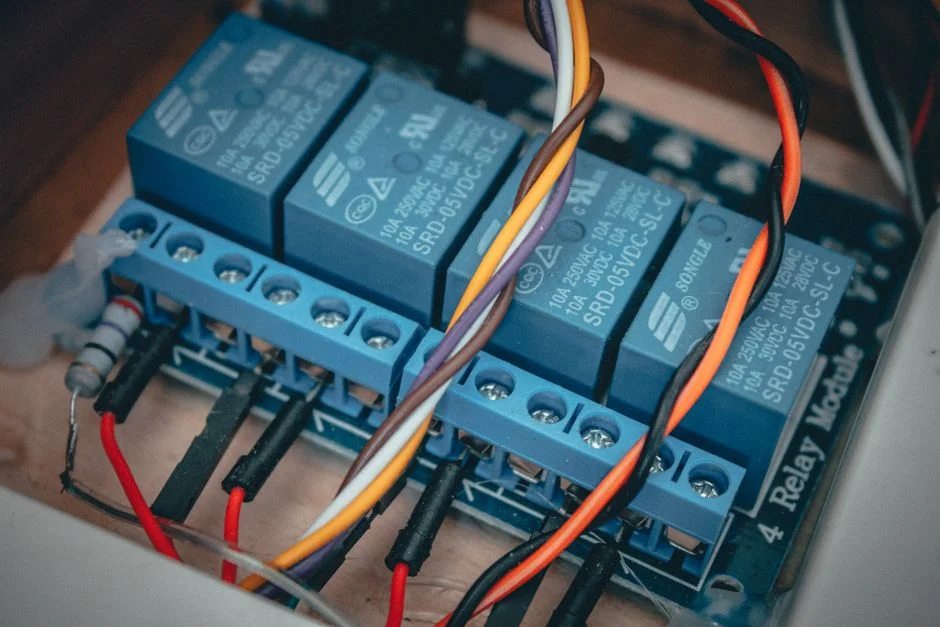
The WSZ package plant and MBR system have different published process architectures and selection boundaries, while a public sewer changes ownership and operating responsibility. Choose the appropriate technology by comparing these routes against verified project requirements rather than equipment capacity alone.
| Route | Published capacity | Process and configuration | Published strengths | Information buyer must request |
|---|---|---|---|---|
| WSZ underground package sewage treatment plant | 1–80 m³/h | A/O biological contact oxidation, sedimentation and disinfection integrated in one buried package unit | Fully automated with no operator required; below-grade installation with landscaping above or trailer mounting for mobile deployment | Treatment basis against verified flow and loading, installation method, civil works, maintenance access and expected effluent quality |
| MBR membrane bioreactor wastewater treatment system | 10–2,000 m³/day | Activated sludge combined with submerged PVDF membrane filtration | Published filtration below 1 μm and footprint stated to be 60% smaller than conventional systems | Flow and loading basis, membrane arrangement, aeration and fouling control, cleaning, solids handling, controls and replacement strategy |
| Approved public sewer | Not stated in the supplied product specifications | Wastewater collection and off-site treatment | Avoids owning the treatment process | Available service capacity, sewer-acceptance conditions, connection requirements, ownership and wastewater acceptance criteria |
For a decentralized package plant, the integrated arrangement can reduce the number of separate treatment units that need to be coordinated on site. However, the WSZ capacity is a published selection boundary, not an automatic project-size calculation. Confirm the selected configuration against verified hydraulic and organic loading.
For MBR, membrane separation may suit tighter treatment objectives or constrained site arrangements. The MBR membrane bioreactor wastewater treatment system combines activated sludge with submerged PVDF membranes, but the buyer must evaluate aeration, membrane-fouling control, cleaning access, solids handling and operator capability.
A public sewer avoids the owner’s treatment process but depends on service capacity, connection conditions, sewer ownership and acceptance of the wastewater character. This decision involves the relevant authority, rather than being simply a lower-capital equipment option.
Build the Process from Collection to Disinfection
The complete process should run from incoming sewage through screening or solids control, biological treatment, solids separation and final disinfection. Each upstream component should follow from the verified wastewater characteristics; a domestic package should not be expected to absorb uncontrolled industrial loads without engineering review.
- Characterize and control incoming flow. Confirm hydraulic peaks, infiltration and inflow, non-domestic discharges, pumping and equalization requirements.
- Remove screening material. Assess whether rags, plastics and fibrous debris require a dedicated barrier before pumps, valves or downstream biological processes.
- Apply biological treatment. Match A/O contact oxidation or activated sludge to the verified organic load and treatment objective.
- Separate solids. Confirm how biological solids are separated, conveyed, stored and removed from the process.
- Discharge or prepare for reuse. Align the final treatment and disinfection stages with the approved receiving route.
For the WSZ architecture, connect the A/O contact-oxidation, sedimentation and disinfection stages to the site’s hydraulic profile and maintenance-access requirements. Burial depth, lifting provisions, surface works and service clearances should be resolved during design rather than after equipment selection.
For MBR, include activated sludge and submerged PVDF membrane filtration in the review, together with aeration, membrane-fouling control, cleaning and solids handling. A GX rotary mechanical bar screen should be considered where reliable removal of rags, plastics and fibrous debris is needed to protect downstream equipment and biological processes.
Select pumps, tanks, membranes and disinfection equipment only after the final discharge, reuse or sewer-connection route is defined. Otherwise, the process may meet an assumed objective that does not match the receiving route.
Verify Site, Operating and Compliance Requirements
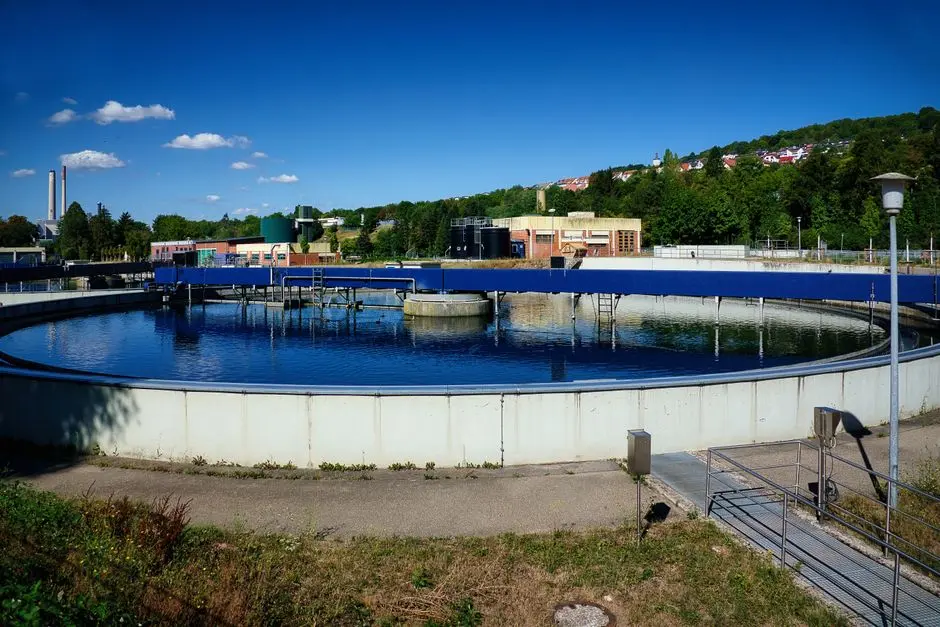
Equipment selection becomes procurement-ready only after the site, operating capability and receiving requirements are documented. Record available footprint, burial depth, groundwater conditions, access for lifting and maintenance, power availability, odor controls and the final effluent destination.
For underground WSZ installations, confirm the civil works, ventilation or odor-control approach, access arrangements and surface-landscape requirements. The automated system does not eliminate the need for safe access, routine inspection or site-level maintenance provisions.
For MBR systems, require a complete aeration, control, membrane-maintenance and solids-handling concept rather than evaluating only the reactor footprint. Review the supplier’s proposed automatic controls, alarms, remote monitoring, spare-parts strategy, operator training and maintenance response times.
Ask for the applicable Malaysian and Penang discharge, sewer-acceptance or reuse requirements in writing. Municipal wastewater sources illustrate that discharge limits and conditions can be established through a permitting framework, but those requirements vary by jurisdiction. A rural sewage treatment equipment guide in Malaysia provides useful procurement context, but project-specific written conditions remain necessary.
Include the proposed sampling plan, acceptance tests, operator training, remote monitoring, emergency response and documented operating controls in the supplier comparison. These items reveal whether the quoted system can be operated and verified by the project team after handover.
Compare Quotes on More Than Equipment Price
Comparable quotations require the same design basis, process scope and commercial boundaries. Without those controls, a lower headline equipment price may omit civil works, utilities, controls, commissioning, maintenance or consumables.
Require every bidder to state the design basis, selected model, treatment process, rated flow, duty assumptions and expected discharge quality. Compare these scope items separately:
- Equipment supply and delivery;
- Civil works, installation, burial or mounting arrangements;
- Power, control, alarm and monitoring systems;
- Commissioning, testing, training and documentation;
- Preventive maintenance, operator attendance and response time;
- Consumables, membrane or media replacement, and sludge removal;
- Spare parts, warranties and exclusions.
Ask each supplier to submit a sampling plan and acceptance tests that verify the relevant Penang requirements. The testing protocol should identify sampling points, parameters, responsibilities and the consequences of results that do not meet the agreed basis. Also request the spare-parts list, recommended maintenance intervals, emergency response plan and documented operating controls.
Do not select a bid solely because its headline equipment price is lowest. Put all proposals against one common design basis and scope, then evaluate total lifecycle commitments and the exclusions that could shift cost or responsibility after award. The effluent treatment plant buyer’s guide provides a useful quotation-comparison framework for applying the same discipline in Penang.
Frequently Asked Questions
What capacity should I request for domestic sewage treatment in Penang?
The WSZ underground package sewage treatment plant has a published capacity of 1–80 m³/h, while the MBR membrane bioreactor wastewater treatment system is published at 10–2,000 m³/day. These are product selection boundaries, not project sizing calculations. Request a treatment basis tied to verified average and peak flow, COD, BOD, suspended solids, duty assumptions and redundancy.
What laboratory and site information should I request before asking for a quotation?
Request verified flow data, COD, BOD, suspended solids, pH, fats, oils and greases, plus any relevant metals or non-domestic discharge indicators. Also provide the available footprint, burial depth, groundwater conditions, access, power, odor-control constraints and final effluent destination. The laboratory scope should reflect the site’s activity, historic land use and the need for risk-based contaminant screening.
Why should the Penang cadmium finding influence equipment selection?
The Trends in Sciences study sampled 10 Penang plants in December 2021 and reported average effluent cadmium of 0.13 ± 0.011 mg/L against a cited Malaysian maximum of 0.02 mg/L, with inadequate cadmium removal. This finding supports including cadmium in risk-