Why Ethanol Wastewater Is Difficult to Treat
Ethanol plant wastewater COD removal should start with source characterization because ethanol can dominate the oxidizable load while suspended solids, nutrients, and process contaminants impose separate treatment constraints. Ramond et al., Treatment of high ethanol concentration wastewater by biological sand filters (2012), reports winery-wastewater COD around 5,000 mg/L that can reach 25,000 mg/L, with ethanol accounting for up to 90% of COD. The same study found that nitrogen and phosphorus supplementation increased COD-removal efficiency by up to 16% in pilot-scale biological sand filters and helped stabilize bacterial communities exposed to ethanol. For an ethanol plant, average COD alone is not a design basis: the treatment train must be selected around peak and batch loads, stream composition, biological treatability, nutrients, solids separation, and discharge requirements. Electrochemical treatment is a possible option for a segregated stream, but the supplied evidence is petroleum-specific and cannot be transferred directly to ethanol wastewater.
COD is an oxygen-equivalent measure of oxidizable material. In practice, it does not distinguish soluble ethanol-derived COD from suspended organic solids. That distinction affects equipment selection: dissolved ethanol requires biological or advanced oxidation capacity, whereas particulate organics may first be removed through settling, clarification, or flotation. This functional separation is also central to any comparison of industrial COD removal treatment trains.
| Design input | Question for plant data |
|---|---|
| Total and filtered COD | How much COD is soluble, and how much is associated with suspended solids? |
| Ethanol concentration | Which streams contain ethanol, and what share of COD does it represent? |
| BOD-to-COD ratio | What fraction of the measured COD is biodegradable? |
| Flow and load history | What are the peak, batch, seasonal, and campaign conditions? |
| pH and temperature | Can biological activity and chemical dosing remain within the required operating conditions? |
| Suspended solids, oil and grease | Which contaminants require physical separation before biological treatment? |
| Nutrients and inhibitors | Are nitrogen and phosphorus adequate, and are any constituents toxic or inhibitory? |
Samples should cover normal operations, harvest or campaign peaks, cleaning events, and product-contact discharges. Laboratory methods and preservation procedures should be agreed before equipment bidding so that the design data remain comparable.
Separate Wastewater Streams Before Designing COD Removal
Ethanol plant wastewater should be segregated by origin before equalization because dilution can conceal both hydraulic peaks and COD mass loads. Map process, washdown, laboratory, floor, and product-contact streams separately, then identify recurring discharges from distillation, fermentation, evaporators, and tank cleaning. Sampling must confirm where the slug originates; the research does not prescribe universal segregation limits or justify treating every ethanol-bearing stream as identical.
- Prepare a wastewater flow and mass-balance diagram covering flow, total COD, filtered COD, and ethanol concentration.
- Record batch discharges and operating campaigns separately from routine washdown.
- Route confirmed slug loads to equalization or dedicated treatment where the hydraulic and process data justify it.
- Use event-based and representative composite samples with agreed laboratory methods and preservation.
Volumetric averaging is inadequate for sizing. A dilute slug can exceed the hydraulic capacity of a basin even when its COD contribution looks modest, while a low-flow, high-strength discharge can exceed the biological mass-loading capacity. Segregating high-strength ethanol-rich streams from dilute washwater can improve control, but only where plant hydraulics, equalization volume, and treatment objectives support that arrangement.
The same logic applies to pretreatment selection. Solids, oil, colloids, and inhibitory constituents should be identified by stream rather than hidden in a plant-wide average. This prevents an industrial pretreatment assessment from being applied without confirming that the local wastewater actually contains the relevant contaminants.
Build a COD Removal Treatment Train
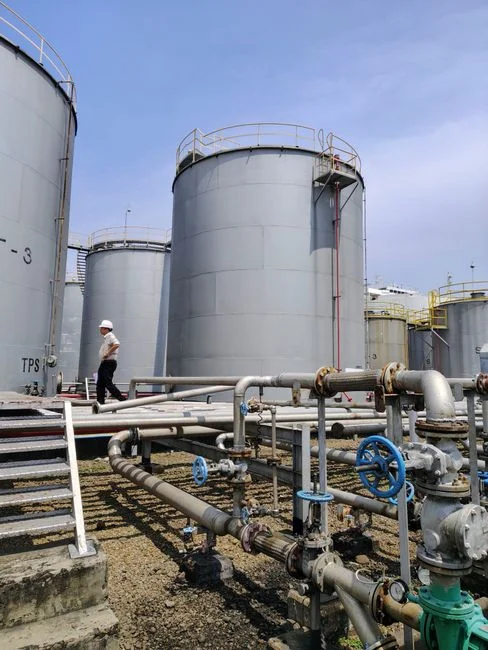
A defensible ethanol COD treatment train separates load control, physical pretreatment, biological conversion, solids separation, and final polishing rather than assigning the entire duty to one unit. Equalization controls batch peaks and provides a consistent feed; pretreatment removes suspended solids, colloids, and oil and grease where present; biological treatment removes biodegradable ethanol-derived COD; a clarification or membrane stage captures biomass and residual solids; final monitoring confirms compliance with the applicable discharge requirement.
| Train stage | Primary function | Sizing and operating basis |
|---|---|---|
| Characterization and segregation | Identify ethanol-bearing streams, solids, nutrients, and slug sources | Event-based sampling, flow measurements, and a COD mass balance |
| Equalization | Moderate flow and load peaks | Measured peak flow, COD mass loading, and operating schedule |
| Physical pretreatment | Remove suspended solids, colloids, and FOG where present | Solids-loading data and required removal function |
| Biological COD removal | Biodegrade ethanol and other biodegradable organics | Filtered and total COD, BOD-to-COD ratio, nutrients, pH, temperature, and loading rate |
| Solids separation | Separate biomass and residual solids | Biomass inventory, solids flux, filtrate quality, and sludge route |
| Polishing and monitoring | Meet the required effluent condition | Applicable discharge limit and confirmed analytical methods |
Equalization volume and biological capacity should be calculated from the plant’s measured flow and COD data, not copied from another facility. Nutrient balance is part of that calculation. Ramond et al. (2012) found that nitrogen and phosphorus addition increased COD-removal efficiency by up to 16% in pilot-scale biological sand filters and counteracted microbial-community destabilization caused by high ethanol concentrations. The paper also cited aerobic activated-sludge and anaerobic sequencing-batch-reactor studies reporting COD removal of 98% or more, but those figures describe the cited studies—not guaranteed performance for every ethanol plant—and the processes were described as energy intensive and slow to start.
If suspended solids or FOG are present, an industrial DAF system for ethanol wastewater pretreatment can perform physical separation, but it does not substitute for biological removal of soluble ethanol COD. A PLC-controlled chemical dosing and nutrient correction system should be checked against nutrient demand, chemical compatibility, and the possibility of adding pollutants that affect discharge compliance.
An MBR membrane bioreactor for biological COD removal and solids separation combines biological treatment and membrane solids separation, but its feed must remain suitable for biological and membrane operation. Final COD, nutrients, solids, pH, and flow should be monitored continuously enough to identify load changes, and operating controls should respond rather than assume one fixed design point.
Compare Biological and Electrochemical COD Removal
Biological treatment is the primary fit when most of the COD is biodegradable ethanol and the plant can maintain acclimated microbial populations, balanced nutrients, suitable pH and temperature, and controlled loading. Electrochemical treatment should be evaluated as a stream-specific alternative or hybrid step, not by importing a headline removal percentage from unrelated wastewater.
| Decision criterion | Biological treatment | Electrochemical treatment | Hybrid treatment |
|---|---|---|---|
| Feed fit | Best when COD is predominantly biodegradable | Requires relevant feed-specific testing | Can combine pretreatment, biology, and solids separation |
| Evidence base | Pilot biological sand filters with ethanol-amended feed; activated sludge and SBR studies cited by Ramond et al. (2012) | Petroleum wastewater study by Abbas Muslim and Asel | Must be evaluated as an integrated system |
| Main controls | Acclimation, nutrient balance, pH, temperature, hydraulic and COD loading | Current, voltage, electrodes, spacing, submergence, pH, time, and salinity | Coordination of each stage and downstream solids handling |
| Principal risk | Biomass upset from slugs or nutrient imbalance | Performance and energy demand may differ for ethanol feed | More interfaces, controls, and operating complexity |
| Selection evidence | Representative wastewater pilot with monitored loading | Relevant ethanol-wastewater pilot and energy measurement | Integrated pilot covering peak loads and solids handling |
The petroleum study by Abbas Muslim and Asel, The Electrochemical removal of Oil and COD from petroleum wastewater, reported 99.5% COD removal and 94.2% oil removal under its optimum conditions. The feed had initial COD of 710 mg/L and initial oil concentration of 95 mg/L. The experiment used four aluminium and four iron electrodes, 2 cm spacing, 12 cm submergence depth, pH 7, 50 minutes, and 10.5 V. It also reported energy consumption of 12 kWh/m³, sodium chloride of 0.5 g/L, and TSS of 73 mg/L.
Those results establish a laboratory context for oily petroleum wastewater, not an ethanol-plant guarantee. Ethanol wastewater differs in composition, and the presence of salt or other additions must be evaluated against treatment objectives, downstream biological systems, and discharge requirements. The electrochemical electrode maintenance playbook is relevant only after an electrochemical unit has been justified. Further process context appears in this industrial COD treatment guide.
Select Equipment Using a Buyer and Sizing Framework
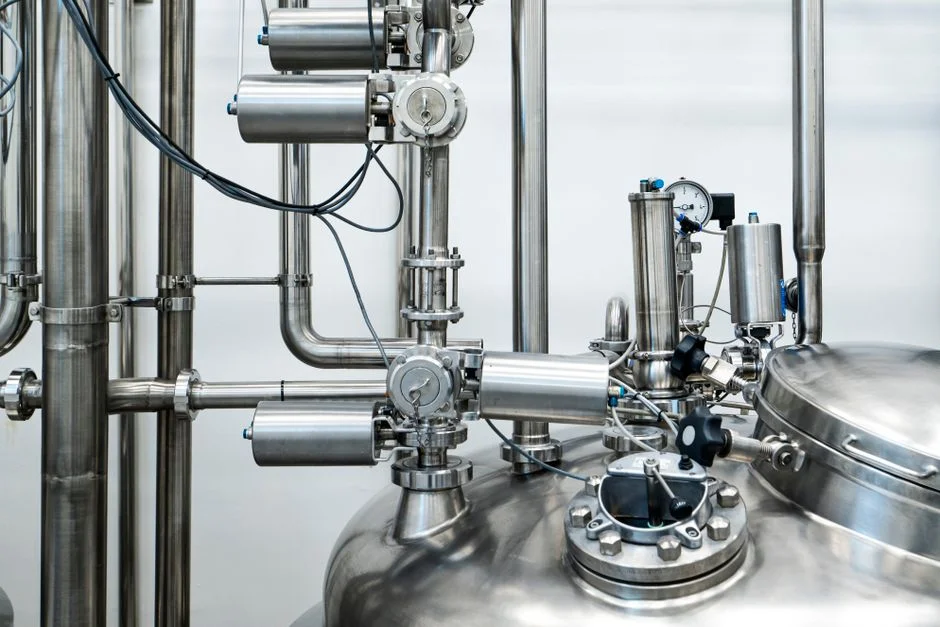
Supplier capacity should be based on measured peak flow, COD mass loading, operating schedule, and applicable discharge limits. Buyers should request the governing assumptions, mass-balance calculations, hydraulic calculations, and equipment sizing package so that each vendor solves the same wastewater problem.
| Equipment | Buyer check | Information required before selection |
|---|---|---|
| DAF or clarification | Define whether the duty is suspended solids, oil and grease, or colloidal removal | Solids and FOG loading, settling data, required removal rate, and sludge route |
| Chemical dosing | Verify control logic, capacity, compatibility, and nutrient-correction consequences | Demand basis, chemical inventory, mixing arrangement, interlocks, and discharge-impact assessment |
| MBR | Evaluate biology, membrane selection, solids separation, and effluent quality together | Filtered COD, nutrients, pH, temperature, solids loading, membrane flux basis, and cleaning strategy |
| Electrochemical system | Require an ethanol-relevant feed basis rather than transfer from petroleum data | Pilot results, energy consumption, electrode consumption, salinity effects, and solids handling |
| Equalization | Check both hydraulic peak control and load stabilization | Event-based flow and COD records, operating schedule, mixing requirements, and downstream capacity |
For DAF pretreatment equipment, request performance stated as solids or FOG removal under defined feed conditions, not simply a COD-removal claim. For an automatic chemical dosing system, request the dosing range, mixer and tank arrangement, control sequence, chemical compatibility, and confirmation that nutrient correction will not unintentionally increase regulated effluent pollutants.
For an integrated MBR system, require evidence that the biological stage can treat the expected ethanol load before crediting the membrane with performance. The industrial MBR selection and cost guide provides a useful framework for comparing membrane options and operating assumptions.
Every bid should define the COD-removal basis, test method, sampling points, startup and acclimation period, redundancy, maintenance intervals, and guaranteed performance conditions. Total cost must also include installation, chemicals, energy, sludge handling, operator labor, monitoring, and downstream disposal; equipment price alone does not identify the lowest-cost treatment route.
Commission and Monitor the Installed System
Commissioning should verify that the installed system receives the wastewater used for design. Before setting final operating conditions, complete a baseline survey of COD, nutrients, suspended solids, pH, temperature, and flow under normal and peak conditions.
- Start biological treatment under controlled loading and verify acclimation rather than immediately applying the full design load.
- Track COD loading, nutrient balance, biomass condition, settling or flotation behavior, filtrate quality, and sludge generation throughout startup.
- Set operating triggers for high COD, low nutrients, pH or temperature excursions, hydraulic overload, and abnormal solids carryover.
- Schedule maintenance according to the installed process, including electrode scaling for electrochemical systems or membrane cleaning and replacement for MBR systems.
Each trigger should identify its measurement, threshold basis, operator action, and equipment response. Initial values should come from the design characterization, pilot results, and applicable permit conditions—not generic rules. Sludge generation and filtrate return must also be included in startup review because solids handling can constrain operation even when the liquid treatment train is performing.
Frequently Asked Questions
What is the best treatment method for high-ethanol wastewater?
For predominantly biodegradable ethanol COD, biological treatment is normally the core process because the ethanol-degradation research supports nutrient-balanced, acclimated treatment. Ramond et al. (2012) found that nitrogen and phosphorus supplementation improved COD-removal efficiency by up to 16% in pilot-scale biological sand filters. Physical pretreatment should precede it where suspended solids, colloids, or FOG are present; electrochemical treatment should be selected only for a defined stream after representative feed testing.
How much does an ethanol wastewater COD removal system cost?
No defensible price can be given without the wastewater characterization, treatment target, capacity basis, and site constraints. Request itemized quotations covering equipment, installation, equalization and pretreatment, biological or electrochemical treatment, solids separation, chemicals, energy, sludge handling, monitoring, operator labor, commissioning, and downstream disposal. A capital-price comparison that omits operating and residuals costs is incomplete.
How should an ethanol plant size COD removal equipment?
Size from measured peak flow and COD mass loading, not plant-average COD alone. Give bidders the flow and load history, batch and campaign profile, COD fractions, ethanol concentration, BOD-to-COD ratio, nutrients, suspended solids, pH, temperature, operating schedule, and applicable discharge limits. Require the governing hydraulic and process calculations, including the basis for equalization and biological capacity.
Which treatment option has the lowest operating and maintenance cost?
The answer cannot be selected from COD-removal percentages alone. Compare energy, chemical demand, nutrient correction, biomass or sludge handling, membrane cleaning or replacement, electrode maintenance, operator attention, and downtime over the operating schedule. The supplied research describes biological systems as costly and energy intensive in the cited studies, but it does not support a universal ranking of operating and maintenance costs for ethanol plants.
Can a guaranteed effluent COD limit be achieved before a pilot test?
A supplier may guarantee performance only under explicitly stated feed and operating conditions. Before accepting a guarantee, obtain the test method, sampling points, influent envelope, COD basis, biological acclimation assumptions, startup period, and consequences of off-design operation. Run a representative pilot for any novel feedstock or electrochemical route; the petroleum results reported by Abbas Muslim and Asel do not establish ethanol-wastewater performance. Further cost context can be separated from performance claims using this wastewater treatment cost breakdown, while site-specific quotations remain necessary.