What System Does a Nairobi Hotel or Resort Need in 2026?
A Nairobi hotel or resort generally needs a decentralized biological treatment system sized around peak occupancy and daily water use, with inlet protection, biological treatment, solids separation, disinfection and a lawful discharge or reuse route. The defensible options are a packaged anoxic/aerobic system, a membrane bioreactor or constructed wetlands, selected only after the site’s flow, wastewater characteristics, available space and operating capability are verified. The 2020 Kenya hospitality study found that untreated discharge can harm downstream communities and the flora and fauna that attract visitors.
The required treatment train is broader than a biological tank alone. It should begin with protection against rags, plastics and other solids, continue through biological treatment and solids separation, and include effluent disinfection where required by the discharge or reuse route. A documented destination for the final effluent must be established before selecting equipment. A property with kitchens, laundries, pools, spas and restaurants cannot be represented by occupied-room counts alone.
Three technology families are defensible for a Nairobi hospitality property:
- The underground WSZ sewage treatment plant suits many decentralized projects because it combines biological contact oxidation, sedimentation and disinfection in a buried package.
- The MBR membrane bioreactor is relevant where compactness or reuse potential has priority and the owner can support membrane operation.
- Surface-flow or subsurface-flow constructed wetlands may suit properties with adequate land, manageable seasonal loading and dependable technical support.
The choice should not be made from guest numbers or equipment brochure language alone. It requires measured flows, influent characterization, site constraints, reuse objectives and the applicable Nairobi discharge or reuse conditions.
Sizing the Wastewater Load from Occupancy and Daily Operations
Accurate hotel wastewater sizing begins with operating data, not an occupancy assumption. Collect occupied-room counts across the year, staff numbers, restaurant covers, laundry volumes, pool and spa discharge, kitchen wastewater and other consumptive uses. Meter data should be separated by stream where practical. This permits the designer to identify peak-period flow and prolonged low-flow conditions rather than sizing only for a full occupancy day that may not occur.
Separate sanitary wastewater from kitchen, laundry and pool streams before combining them in the design. Kitchen wastewater can introduce fats, oils and solids; laundry wastewater can carry chemicals and fibres; and pool discharges have a different hydraulic and chemical character. Their inclusion changes pretreatment, biological loading and reuse considerations. The engineer should determine whether separate treatment, diversion, equalization or another engineered arrangement is appropriate.
Use water meters and operating records to establish the design basis. The 2020 ScientificWorldJournal study of Kenyan game lodges and resorts identifies low off-season discharge as a specific challenge for constructed-wetland operation. That issue also matters when checking biological treatment stability, pumping frequency, aeration controls and the hydraulic reserve proposed for a packaged system.
Before selecting a process, request an influent characterization covering flow, pH, suspended solids, oil and grease, plus relevant nutrient or toxicity indicators identified during the site review. The GX rotary mechanical bar screen is one inlet-protection option for removing suspended solids, rags and fibrous material from municipal and industrial wastewater.
| Design input | Evidence required | Why it affects selection |
|---|---|---|
| Occupancy and staffing | Occupied rooms by season and staff roster | Establishes the sanitary wastewater pattern, but does not represent the complete plant load. |
| Food service | Restaurant covers, operating hours and kitchen discharge records | Identifies grease, oil and solids risks. |
| Laundry | Laundry volume, cycle schedule and chemical information | Supports assessment of flow quality and biological compatibility. |
| Pool and spa | Discharge frequency, water chemistry and drainage route | Determines whether the stream should be segregated. |
| Flow record | Meter data covering peak and off-season periods | Supports hydraulic loading, equalization and storage decisions. |
| Influent quality | pH, suspended solids, oil and grease and applicable nutrient or toxicity indicators | Determines pretreatment and biological-process suitability. |
The WSZ equipment envelope is 1–80 m³/h, while the MBR equipment envelope is 10–2,000 m³/day. These are selection ranges, not automatic hotel design capacities. The selected system must remain appropriate for verified peak flow, hydraulic variation, required storage and the chosen discharge or reuse route.
Compare WSZ, MBR and Constructed Wetlands
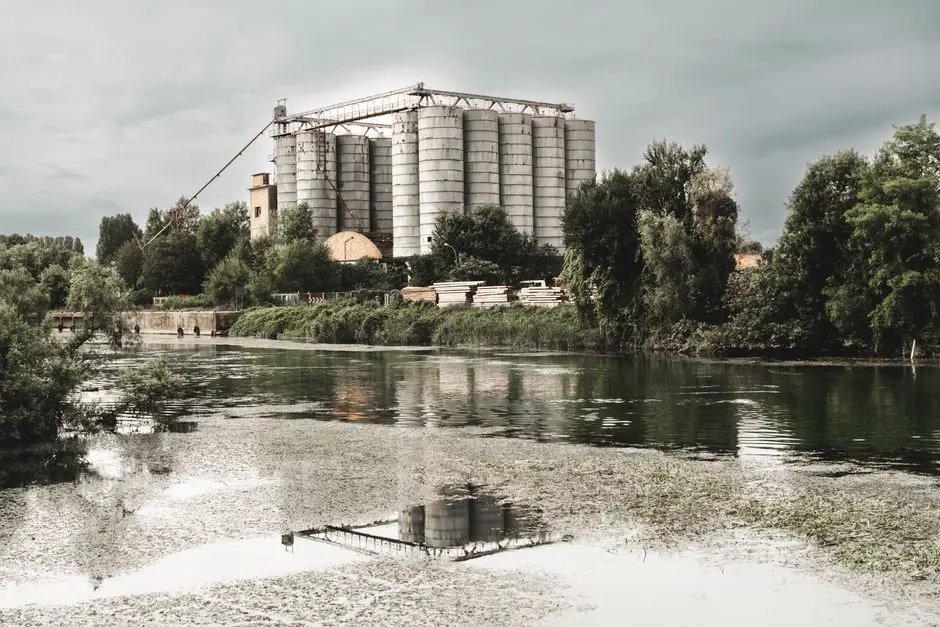
The WSZ is a buried package combining anoxic and aerobic biological contact oxidation, sedimentation and disinfection, with a stated capacity of 1–80 m³/h and intended use in hotels and other decentralized sewage applications. It can be installed below grade with landscaping above or mounted on a trailer for mobile deployment. For a Nairobi proposal, confirm excavation, loading, access, ventilation, local approval requirements, electrical supply and whether the civil works are included.
The MBR combines activated sludge with submerged PVDF filtration. Its stated capacity is 10–2,000 m³/day, its filtration performance is below 1 μm, and its footprint is stated to be 60% smaller than conventional systems. These manufacturer-supplied figures define the offered system, not a project guarantee. Selection must still establish whether membrane cleaning, aeration, replacement provisions and operator competency fit the site.
Constructed wetlands offer wastewater reuse and resource-recovery opportunities. The 2020 ScientificWorldJournal study reports adoption of surface-flow and subsurface-flow systems in Kenyan and international hospitality applications. It also identifies limited land or space, low off-season discharge, inadequate technical support and management attitude as adoption challenges. These constraints need to be resolved in the operating plan rather than treated as optional refinements.
| Criterion | Packaged WSZ | MBR | Constructed wetland |
|---|---|---|---|
| Core treatment | Anoxic/aerobic contact oxidation, sedimentation and disinfection in a buried package | Activated sludge with submerged PVDF filtration | Surface-flow or subsurface-flow biological treatment |
| Equipment envelope | 1–80 m³/h | 10–2,000 m³/day | No equipment-envelope figure is provided in the supplied research; hydraulic design is site-specific |
| Site character | Below-grade installation or trailer-mounted deployment | Compact treatment train requiring defined aeration, controls and membrane maintenance | Requires land, hydraulic distribution and landscape integration |
| Reuse consideration | Depends on final treatment, disinfection and receiving conditions | Filtration below 1 μm supports compact polishing; final reuse eligibility still requires project-specific assessment | Identified by the 2020 study as an opportunity for wastewater reuse and resource recovery |
| Main operating risks | Loading, solids removal, access and treatment continuity | Membrane fouling, cleaning, aeration and replacement planning | Low seasonal flow, hydraulic distribution, land availability and technical support |
Do not infer discharge compliance from an equipment description. The final selection must be checked against the project’s applicable permit and receiving-environment conditions, including the intended discharge or reuse destination.
Build the Treatment Train Around the Wastewater Risks
The correct sequence starts with removing material that could obstruct biological treatment, damage membranes or interfere with solids handling. Where rags, plastics or fibrous debris are credible risks, the GX rotary mechanical bar screen can form the inlet-protection stage. Its suitability must be confirmed against the wastewater characteristics and required duty rather than added automatically.
For properties with substantial kitchen wastewater, evaluate grease and oil separation upstream of biological treatment. Excess oils can interfere with biological activity and complicate sludge handling. If the proposed plant is space-constrained and requires compact solids separation, sludge recirculation and flocculation, assess a lamella clarification stage. The high-efficiency sedimentation tank is a candidate module, but the final duty and hydraulic arrangement must be engineered into the plant.
Disinfection follows the required treatment and reuse objective. A UV sterilizer may suit a chemical-free UV application, while an on-site chlorine dioxide disinfection system may suit a project seeking on-site disinfectant generation. Neither selection establishes compliance without process compatibility, contact requirements, residual or dose-control considerations, and the applicable permit. Where reuse is intended, the required water quality should also be defined by the use and receiving system.
Solids handling should follow, not precede, definition of the complete plant. Establish the expected sludge-generation rate, characteristics and withdrawal route before selecting dewatering equipment. The supplied plate-and-frame filter-press information covers filtration areas from 1 m² to 500 m², so its selection requires a calculated solids load rather than an assumed package size.
Make the Decision with a Site-Specific Scorecard
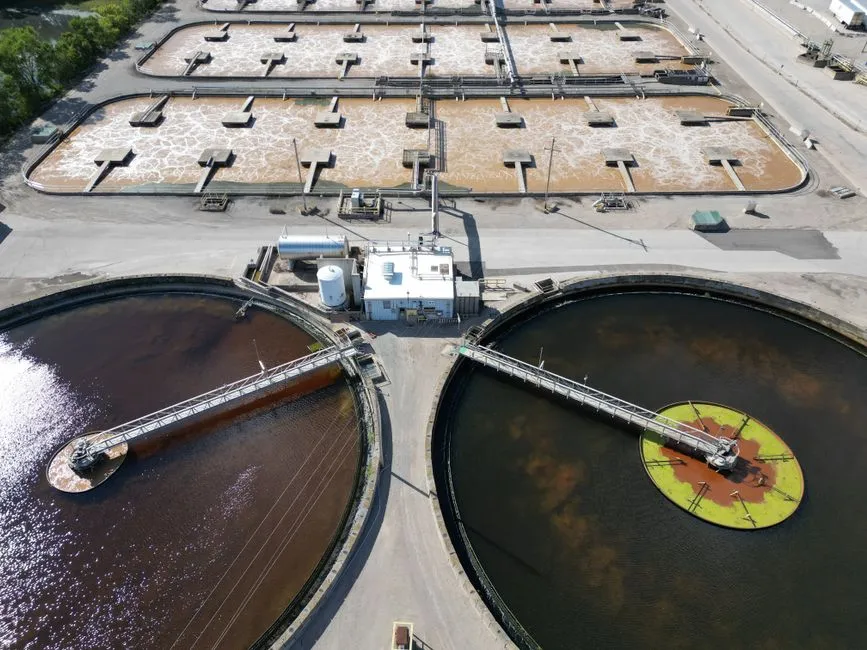
The selection should begin with mandatory gates, not a weighted preference for a familiar technology. A candidate fails the initial screen if it cannot meet the verified design flow, available footprint, influent characteristics, discharge route, reuse objective, applicable permit, installation access or required operating-skill level.
Use the scorecard to compare candidates on treatment train, automation, buried versus above-ground installation, equipment envelope, reuse potential, maintenance, sludge handling, site works and supplier support. The weighting should reflect the property’s constraints. A compact MBR may dominate on land availability, while a wetland may offer resource-recovery benefits but fail the off-season operating gate; neither outcome can be established from generic equipment descriptions.
| Proposal check | Information the buyer must require | Reason for the check |
|---|---|---|
| Hydraulic basis | Design flow, peak flow, storage provision and operating envelope | Prevents selection from package headline capacity alone. |
| Process scope | Inlet protection, biological treatment, solids separation, disinfection and reuse stages | Exposes omissions that would affect performance. |
| Effluent basis | Stated treatment objectives and applicable permit or reuse parameters | Keeps commercial promises separate from project compliance. |
| Site works | Excavation, foundations, access roads, drainage, electrical supply and landscaping | Separates equipment scope from total installation scope. |
| Operations | Controls, alarms, operator training, preventive maintenance, spares and support | Identifies the resources needed after handover. |
| Performance | Commissioning tests, acceptance criteria and monitoring responsibilities | Defines how the supplier demonstrates the specified duty. |
Require every bidder to state the design flow, hydraulic loading basis, process stages, effluent parameters, commissioning tests, operating inputs, maintenance tasks and site-works exclusions. Do not compare quotations on tank size or package price alone; compare the total installed scope and lifecycle support.
For MBR proposals, request membrane materials, cleaning and replacement provisions, aeration requirements and control philosophy. For wetlands, require the land and hydraulic basis, seasonal operating assumptions and management responsibilities. If those documents are absent, the commercial comparison is incomplete.
Plan Installation, Commissioning and Ongoing Operations
Installation risk is controlled by site investigation before equipment selection is frozen. Complete geotechnical work for underground packages, confirm access and lifting requirements for trailer-mounted units, and establish utility, drainage and surface-water constraints for wetland layouts. Underground equipment also needs a clear maintenance and safe-access strategy.
Place commissioning, performance testing, operator training, recommended spares, local or remote controls, alarm strategy and preventive maintenance inside the procurement scope. A handover file should identify which party performs each routine task, what data must be recorded and what action follows a deviation. Further reading is available in the comparison guide for hotel wastewater systems and the hotel wastewater sizing and technology guide.
Establish a monitoring plan covering influent, treatment performance, effluent and sludge. Assign responsibility for sampling, interpretation and corrective action. The plan should identify how low-flow periods will affect biological loading, aeration, pumping, polishing and reuse operations. Low seasonal discharge was a specific constructed-wetland challenge in the 2020 ScientificWorldJournal study, so seasonal assumptions must appear in the design and operating documents.
Review the operating plan whenever occupancy, catering, laundry, pool use, reuse arrangements or discharge requirements change. For this purpose, compare the domestic sewage treatment equipment guide against the Nairobi site data rather than treating it as a substitute for local design.
Frequently Asked Questions
How much should a hotel wastewater treatment system cost in Nairobi?
The supplied research provides no verified Nairobi-specific prices, so a buyer should not budget from a generic package rate. Request itemized quotations that separate equipment, inlet protection, biological treatment, solids separation, disinfection, pumping, controls, civil works, installation, commissioning, training and maintenance. Compare those quotations against the required treatment train and site works rather than using tank size or package price as the cost proxy.
How should a hotel in Nairobi size its wastewater treatment system?
Size the system from metered wastewater flow, seasonal occupancy, staff, restaurant, laundry, pool and spa operations, supported by influent-characterization results. The WSZ range of 1–80 m³/h and MBR range of 10–2,000 m³/day are equipment envelopes, not design capacities. Ask each bidder to show the proposed flow, hydraulic loading, storage and operating envelope against the verified site profile.
Should a Nairobi hotel choose packaged A/O, MBR or constructed wetlands?
Choose packaged WSZ when a compact decentralized installation fits the site and operating plan; consider MBR where compactness or reuse potential justifies membrane maintenance; consider wetlands where land, seasonal hydraulics and technical support are adequate. The 2020 Kenya hospitality study identifies limited space, low off-season discharge and inadequate technical support as specific wetland challenges. The decision must follow the mandatory site gates.
What should a buyer check before selecting a wastewater treatment supplier?
Require a proposal-specific technical submission, not only a product sheet. It should identify process stages, design basis, effluent objectives, commissioning tests, site-works exclusions, controls, alarms, operator training, preventive maintenance and support responsibilities. For an MBR, also request membrane and aeration details; for wetlands, request the hydraulic basis and seasonal operating plan. Permit compliance must be confirmed separately against the project’s applicable conditions.