Which Rules Govern a Cottonton Sewer Discharge?
Mining and metals plants near Cottonton meet sewer pretreatment requirements by treating wastewater to the most stringent applicable limit before it enters the municipal collection system. EPA explains that POTW local limits apply at the industrial user’s point of connection and protect the POTW, its sludge, and receiving waters. A defensible train normally begins with equalization and PLC-controlled pH adjustment, followed by coagulation/flocculation, dissolved air flotation or lamella clarification, and filtration, with metal-bearing sludge dewatered before disposal. Operators must verify the Cottonton-area POTW limits, categorical subcategory, monitoring conditions, and actual wastewater chemistry before selecting equipment.
The first distinction is the receiving destination. The US EPA industrial wastewater program identifies NPDES as the permit framework for direct industrial wastewater discharges to waters of the United States. An indirect industrial discharge to a municipal sewer instead falls under Clean Water Act section 307(b), implemented through 40 CFR Part 403 and enforced by the receiving POTW. The same POTW may administer both regimes, but an NPDES permit does not substitute for its pretreatment requirements.
EPA defines pretreatment standards as pollutant discharge limits applicable to industrial users, while pretreatment requirements include both substantive and procedural duties. For a mining or metals operation, the governing categorical provision must be identified from the actual activity. Part 440 addresses metal-mining categories; Parts 437 and 433 may apply when the facility’s ore mining and dressing or metal-finishing activities fall within those categories.
Do not convert a national categorical limit into a presumed Cottonton sewer limit. The enforceable target depends on the applicable subcategory, the receiving POTW’s site-specific local limits, state requirements, discharge permit conditions, and any more stringent prohibition adopted by the sewer-use ordinance.
| Governance layer | What it controls | Cottonton decision required |
|---|---|---|
| NPDES | Direct industrial discharges to surface waters | Identify whether the facility has a separate surface-water outfall requiring an NPDES permit. |
| 40 CFR Part 403 | Indirect industrial discharges to a POTW | Obtain the receiving POTW’s pretreatment program, local limits, monitoring rules, and enforcement procedures. |
| Categorical standards | Federal pollutant limits tied to industrial-user classification | Confirm the applicable Part 440, Part 437, or Part 433 category and subcategory from plant activities. |
| Site-specific requirements | POTW limits, permit conditions, state rules, and prohibited discharges | Obtain the current sewer-use ordinance and written discharge authorization before sizing equipment. |
The same dual-pathway logic appears in this 2026 mining and metals sewer pretreatment compliance guide, but the Cottonton operator must substitute verified local documents for any geographic example. A related mining and metals pretreatment reference is useful for issue identification, not as proof of a Cottonton limit.
Build the Permit-to-Discharge Compliance Envelope
The enforceable discharge target is the intersection of four requirement sets, not a single number copied from a guide. Build one table that identifies the applicable categorical standard, POTW local limit, permit-specific monitoring condition, and any more stringent state or local prohibition for every regulated parameter. Design to the strictest applicable requirement, while preserving the source, averaging period, and sampling point for each value.
EPA states that POTW local limits are site-specific and may be numeric or narrative. POTWs impose them at the end-of-pipe discharge from an industrial user, meaning the point of connection to the POTW collection system. A narrative restriction—such as no material interference with the POTW’s processes—still requires an engineering basis; it cannot be converted into a defensible equipment guarantee without clarification from the authority.
| Parameter or condition | Categorical standard | POTW local limit | Permit-specific condition |
|---|---|---|---|
| pH | Applicable category and subcategory | Numeric range or narrative restriction | Sampling point, frequency, and averaging period |
| TSS | Applicable category and subcategory | Numeric limit or narrative restriction | Test method and compliance statistic |
| Total recoverable metals | Pollutant limits and monitoring conditions | Site-specific metal limits | Analyte list, frequency, and averaging period |
| Toxicity characteristic information | Required where applicable | Requirement stated by the POTW | Manifesting condition and sampling instructions |
| Sulfate and TDS impacts | Categorical or permit applicability | Loading or concentration restriction | Mass-loading basis, if any |
| Prohibited discharge | General and category-specific restrictions | POTW narrative prohibition | Monitoring or notification condition |
The commercial mining guide recommends obtaining five items before issuing an equipment order: the current NPDES permit where applicable, the receiving-POTW discharge limits, the applicable 40 CFR Part 440 subcategory, 2025–2026 Discharge Monitoring Report data, and a 12-month influent characterization. The DMR record helps reveal actual monitoring history; it does not replace the current permit or local limit schedule.
For screening only, the guide gives typical POTW ranges of 0.3–1.0 mg/L monthly average for zinc and 0.3–0.5 mg/L monthly average for copper. These are not verified Cottonton requirements. The buyer should request the current Cottonton-area sewer-use ordinance, written confirmation from the receiving authority, the categorical subcategory, the discharge permit, and any state permit or guidance governing the connection.
Characterize the Acidic, Metal-Laden Wastewater
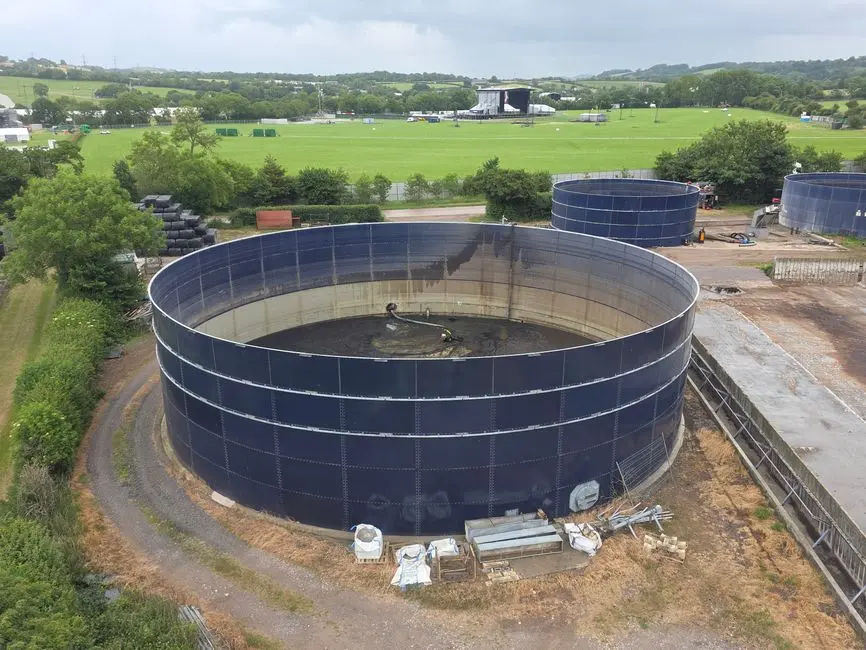
Equipment sizing should follow the plant’s measured chemistry, not a generic acid mine drainage profile. Build a representative dataset across operating shifts, mill campaigns, leach cycles, storm events, and clean-outs. The commercial mining guide recommends using a 12-month influent characterization, which helps expose seasonal loads and episodic discharges that a short sampling campaign may miss.
At minimum, analyze pH, acidity or alkalinity, TSS, total and dissolved metals, sulfate, and TDS. Add oil and grease where present, plus every parameter identified by the POTW or categorical program. Distinguish total recoverable metals from dissolved metals: the former can include metal captured in suspended or colloidal material, while the latter defines a different treatment objective.
As a screening profile, the commercial characterization describes raw acid mine drainage and spent process solutions at pH 2–4, TSS in the hundreds to several thousand mg/L, dissolved Pb, Cu, Zn, Cd, Ni, and As, and elevated sulfate and TDS. These values help planners anticipate test methods and unit operations, but they do not establish the Cottonton design envelope.
Mixing also changes chemistry, so compatibility must be demonstrated. The OSMRE Co-treatment of Acid Mine Drainage in Municipal Wastewater Plants final report, issued June 30, 2023, measured raw mine-drainage pH from 3.13 to 4.58. After two hours, 10% mixtures reached pH 7.44–8.27 and 40% mixtures reached pH 6.66–7.36. Those results arose from municipal wastewater and mine drainage in the reported study; they do not establish treatment of an industrial discharge to a Cottonton POTW.
Run jar tests using the actual wastewater matrix to establish the pH window, coagulant and flocculant doses, settleability, residual dissolved metals, and filterability. Then use pilot testing to verify clarifier capture, chemical consumption, sludge behavior, and downstream filter loading. The DAF versus clarifier selection for mining wastewater provides a useful testing framework, but the cited treatment values are not guaranteed Cottonton performance.
Route Wastewater Through a Pretreatment Train That Can Be Proven
A proof-ready train establishes a stable feed condition before each downstream removal step. Start with equalization to dampen batch discharges and smooth pH, metals, solids, and flow before chemical dosing. Determine average flow, peak flow, required turndown, and retention from operating records and the verified permit—not from a generic detention assumption.
Next comes PLC-controlled pH adjustment. The supplied mining guide identifies iron, arsenic, and manganese as examples affected by pH correction because dissolved metals can precipitate as hydroxides. A PLC-controlled pH and coagulant dosing system should be selected against the measured acidity load, chemical demand, turndown, and fail-safe requirements.
Coagulation and flocculation then convert suspended solids and metal-hydroxide particles into flocs suitable for capture. Follow with DAF or a settling and lamella stage. The commercial guide describes anthracite, sand, and garnet multi-media filtration after clarification to remove residual suspended solids and protect any downstream polishing step. Corrosion protection, fouling control, ion exchange, or other ancillary treatment should be added only where the wastewater and local limits justify them.
Metal-bearing sludge requires its own design and disposal workstream. The commercial mining guide identifies a plate-and-frame filter press as the standard dewatering approach for producing a handleable cake for permitted disposal or stabilization. Plate area, plate count, cycle time, filtrate return, and batch-versus-continuous operation must reflect measured sludge volume and dewaterability.
If reuse or reverse-osmosis protection is in scope, add ultrafiltration before RO. The supplied commercial source describes hollow-fiber UF systems with 0.03-micron membranes and inlet turbidity up to 300 ppm. If the POTW requires microbial control, evaluate chlorine dioxide or UV against the sewer-use ordinance and receiving-system constraints rather than assuming disinfection is mandatory.
| Process stage | Verified design input | Compliance evidence |
|---|---|---|
| Equalization | Measured flow, batch-load, pH, solids, and metals variability | Retention and turndown demonstration; high-load operating record |
| pH adjustment | Acidity or alkalinity and jar-test precipitation window | Validated control response and dissolved-metal results |
| Coagulation/flocculation | Representative raw water and selected reagent doses | Floc quality, chemical consumption, and residual-metal data |
| DAF or lamella clarification | Solids and floc characteristics, flow profile, site footprint | Capture, carryover, blanket depth, and turndown results |
| Multi-media filtration | Residual solids, turbidity, flow, and backwash requirements | Filtered TSS and metals; differential-pressure and backwash trend |
| Sludge dewatering | Sludge mass, solids content, settling and compressibility | Cake moisture result, cycle record, filtrate quality, disposal pathway |
| UF or disinfection, if applicable | Reuse objective or verified POTW microbial requirement | Validated flux, turbidity or disinfection performance, and permit evidence |
Where oil, grease, colloids, or low-density metal-hydroxide floc dominate, consider a dissolved air flotation system for mining wastewater as the clarification stage. The equipment choice must remain downstream of verified pH and coagulation chemistry.
Choose Clarification Technology by Stream Character
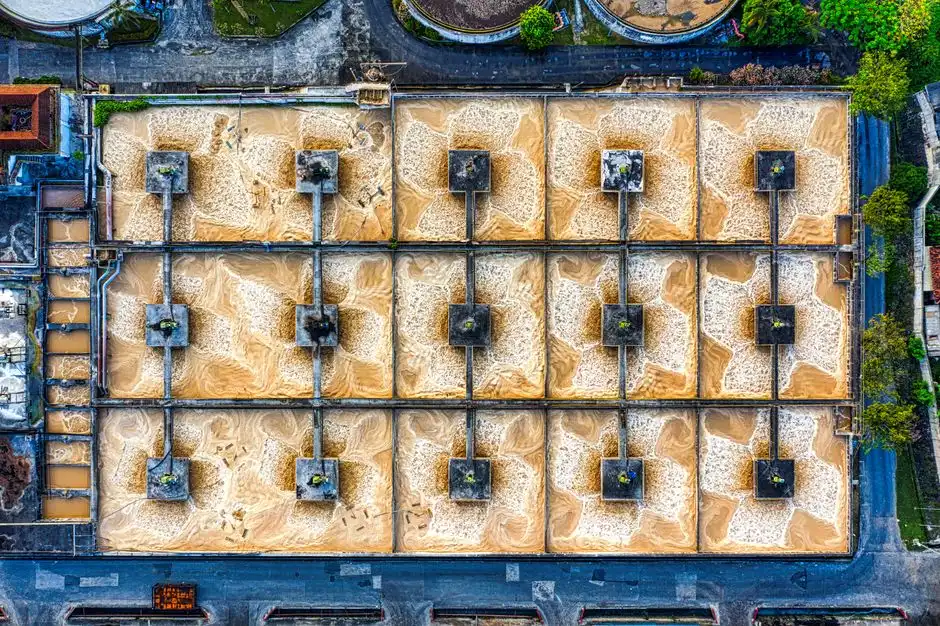
DAF is the stronger candidate when oil, grease, colloids, or low-density floc dominate; lamella clarification is generally more appropriate for dense metal-hydroxide sludge where flow is comparatively high and footprint is constrained. Neither technology is universally superior. The choice should follow real wastewater testing and site constraints.
The referenced DAF range covers 4–300 m³/h across 13 standard models and is intended for suspended solids, FOG, and colloidal matter. The product catalog identifies lamella surface loading of 20–40 m/h and a compact inclined-plate structure. Those specifications establish a screening envelope; they do not guarantee performance on the site’s metals matrix.
| Decision factor | Prefer DAF when | Prefer lamella when |
|---|---|---|
| Dominant contaminant | Oil, grease, colloids, or buoyant floc is material | Dense metal-hydroxide sludge predominates |
| Flow and footprint | Available footprint supports the selected surface loading | High flow must be handled in a compact footprint |
| Solids behavior | Floatation tests show rapid, stable separation | Solids tests show strong settling and compact blanket formation |
| Downstream filtration | DAF reliably reduces the filter’s solids loading | Lamella effluent does not create excessive carryover or filter loading |
| Site utilities and control | Saturation, recycle, and skid integration are acceptable | Long-term sludge withdrawal and maintenance are feasible |
Use jar or pilot testing to compare solids capture, carryover, chemical consumption, sludge settleability, and filter-loading performance under the actual pH and metals matrix. For more background, compare DAF versus clarifier selection for mining wastewater and this mining wastewater clarifier guide.
The OSMRE co-treatment study is not a default design for industrial pretreatment. Its June 30, 2023 report found treatment benefits but also increased effluent iron loading, an approximately 0.5 pH-unit decrease in continuous co-treatment, and sludge that was about 25% less volatile. Those findings reinforce the need for compatibility testing rather than transfer of municipal co-treatment results to a Cottonton industrial train.
Commission, Monitor, and Correct Before an Excursion
Commissioning should test the compliance envelope under representative stress, not merely demonstrate that the skid starts. Confirm equipment sizing against peak flow, turndown, retained-volume requirements, chemical storage, and the sludge-dewatering cycle using the actual 12-month characterization. Any mismatch between the verified permit and the installed hydraulic or chemical capacity remains an unresolved design issue.
Shakedown the pH-control loop, chemical sequencing, coagulant and flocculant feed, DAF or lamella performance, filter backwash, sludge withdrawal, and automatic controls. Verify alarms and fail-safe responses for abnormal pH, chemical loss, high solids loading, excessive carryover, filter differential pressure, and dewatering-equipment failure. The operating sequence should identify which unit holds or diverts flow during each fault condition.
Install monitoring at the POTW-required discharge point and retain chain-of-custody records, calibration records, flow records, chemical-use logs, operating trends, and laboratory reports. Define sample preservation, analytical methods, and averaging periods against the actual authorization. A value sampled somewhere inside the process train is not evidence of compliance at the point of connection unless the authority accepts that location.
Demonstrate performance under high-metal, high-solids, and maximum-flow conditions. A unit operating successfully on average influent may still fail during a leach-cycle discharge or mill clean-out. Record how the equalization basin, chemical system, clarifier, filter, and dewatering train respond as an integrated system.
Define corrective-action triggers before startup: pH departure, metal concentration, TSS, filter differential pressure, clarifier solids blanket, chemical dosing status, and flow imbalance. Each trigger should specify who responds, what equipment condition changes, and when discharge must be stopped or escalated. The broader MBR versus conventional activated sludge for mining wastewater comparison reinforces that biological-system selection is a separate decision from this pretreatment train and should not be substituted for the POTW envelope.
Procurement Checklist for a Compliant Cottonton Treatment System

A vendor-ready scope begins with verified documents, not an equipment list. Issue the request for proposal with the POTW limit schedule, applicable categorical subcategory, permit conditions, 12-month influent characterization, jar-test results, peak-flow basis, discharge sampling point, monitoring requirements, and authorized sludge-disposal pathway. Require the bidder to identify assumptions where a governing document remains unavailable.
| Procurement deliverable | Minimum information required |
|---|---|
| Design basis | Verified limits, actual wastewater chemistry, flow profile, operating mode, and sludge generation |
| Equipment schedule | Capacity, materials, controls, utilities, turndown, redundancy, and sizing calculations |
| Performance criteria | Parameter, limit, sampling point, averaging period, test method, and load condition |
| Verification plan | Factory tests, site shakedown, pilot basis, performance demonstration, and acceptance remedy |
| Controls and operations | PLC narratives, alarms, interlocks, bypass conditions, historian outputs, and training |
| Sludge pathway | Dewatering method, cake characterization, filtrate destination, transport, and permitted disposal |
| Supply continuity | Media, resin, membranes, chemicals, and critical spare lead times |
Ask each supplier to explain the design basis for pH adjustment, coagulation and flocculation, clarification, filtration, dewatering, controls, and alarms. Where applicable, require the same explanation for UF or disinfection. Evidence should include mining or metals chemistry competence, comparable NPDES or POTW projects, commissioning support, and a documented supply chain for media, resin, membranes, and critical spares.
Make performance guarantees traceable to the verified local requirements. Define sampling, averaging periods, test methods, representative load conditions, bypass events, and remedy for noncompliance in the purchase agreement. If the buyer cannot obtain the Cottonton-area limit schedule, the responsible engineering decision is to defer final sizing rather than convert a generic range into a permit assumption.
Frequently Asked Questions
What legal pathway governs a mining plant discharging to the Cottonton POTW?
An indirect industrial discharge is governed through Clean Water Act section 307(b), 40 CFR Part 403, and the receiving POTW’s pretreatment program. EPA explains that local limits apply at the industrial user’s point of connection. The operator must confirm the applicable categorical subcategory, POTW local limits, permit conditions, monitoring requirements, and prohibited-discharge provisions; the NPDES program governs direct surface-water discharges separately.
What information is needed to size the treatment system?
Request the current POTW limit schedule, applicable categorical requirements, discharge authorization, 12-month influent characterization, peak-flow and batch-discharge data, and jar-test results. The design must connect measured pH, acidity, solids, dissolved and total metals, flow variability, and sludge generation to each unit’s capacity. If the POTW schedule or representative wastewater data are unavailable, final sizing remains an open engineering issue.
Should the plant choose DAF or lamella clarification?
Choose DAF when oil, grease, colloids, or low-density floc make flotation advantageous; consider lamella when dense metal-hydroxide sludge, comparatively high flow, and footprint constraints dominate. Confirm the choice through jar or pilot testing under the actual pH and metals matrix. Compare solids capture, carryover, chemical consumption, sludge settleability, and filter-loading performance rather than relying on catalog capacity alone.
How should buyers compare suppliers and treatment-system costs?
Give each bidder the same verified compliance envelope and ask for a transparent, itemized proposal covering equipment, chemical consumption, utilities, sludge handling, controls, commissioning, consumables, and critical spares. Request comparable mining or metals references and written acceptance criteria tied to the actual local limits. No verified Cottonton-area quotation was supplied, so a defensible budget comparison requires current vendor proposals rather than an invented price.
What contingency planning is needed before commissioning?
Define operating and corrective-action triggers for pH, metals, TSS, filter differential pressure, clarifier blanket depth, chemical availability, and peak flow. Also establish sampling, chain-of-custody, alarm, shutdown, and authority-notification procedures. This is the practical complement to the mining and metals sewer pretreatment compliance workflow: verify the requirement, size against measured loads, test the full train, and document sustained performance.