
Why Chittagong Hotels Need a Wastewater Strategy
A hotel or resort in Chittagong generally needs a treatment train based on domestic sewage, kitchen wastewater, laundry wastewater, groundwater infiltration and the required reuse or discharge route. A packaged A/O system is a practical default for many decentralized sites; an MBR is preferable where compactness or advanced effluent quality is important; and DAF is mainly a pretreatment option for oil, grease and solids. Capacity must be selected from verified peak flow, not guest-room count alone. Chittagong WASA has pursued major sewerage infrastructure, but each property should confirm connection availability, discharge conditions and applicable approvals before selecting equipment.
A hotel wastewater system should therefore be treated as an engineering and environmental-risk decision, not simply an equipment purchase. Hotels generate continuously varying domestic sewage alongside kitchen, laundry and possible groundwater-infiltration flows. The treatment train must reflect those stream differences, the available footprint, the intended reuse or discharge route and the operating resources the property can sustain.
The local tourism context reinforces that need. Research on Parki Beach, Chittagong, published by Proceedings of the International Conference of Contemporary Affairs in Architecture and Urbanism–ICCAUA in 2023 identifies effective tourism-destination management as a pressing issue for protecting the resources visitors use and supporting sustainable tourism development. Wastewater management belongs within that broader resource-protection objective.
Accommodation listings, including Tripadvisor’s “The 10 Best Hotels in Chittagong Division, Bangladesh 2026,” establish market presence but provide no hydraulic design basis or wastewater characteristics. Separately, Dhaka Tribune’s report, “Chittagong Wasa to launch massive sewerage treatment project,” indicates municipal infrastructure activity; it is not evidence that every hotel can connect to a municipal sewer or that an on-site plant would be unnecessary. A hotel wastewater system design and compliance guide provides a useful comparison structure, but the final design must use verified site data and current local approvals.
Map the Wastewater Streams Before Choosing Equipment
Treatment selection starts by deciding which flows enter the plant and how they are segregated. The designer should identify the daily and hourly generation of each stream, its contaminants and the intended destination after treatment. This avoids loading a biological system with kitchen oils, laundry fibers or stormwater that should never have entered it.
| Wastewater group | Hotel sources and characteristics | Design information required |
|---|---|---|
| Domestic sewage | Guest rooms, staff areas, toilets and public facilities; flow varies with occupancy and use. | Occupancy pattern, outlet count, fixture data, average flow, peak hourly flow and peak daily flow. |
| Kitchen wastewater | Food residues, fats, oils and grease, plus cleaning chemicals. | Kitchen equipment, meal periods, discharge temperatures, cleaning practices and grease-control arrangement. |
| Laundry wastewater | Suspended fibers, lint, detergent residues and other wash chemicals. | Laundry equipment, operating hours, batch discharge pattern and whether the flow is segregated. |
| Infiltration and stormwater | Groundwater entering defective pipes or site drainage systems; stormwater entering the collection network. | Wet-weather monitoring, pipe condition, drainage separation, level or flow measurements and a strategy for excluding these flows. |
The survey brief should also establish the irrigation demand, available sewer connection, receiving-water conditions, intended reuse application, operating hours, available utilities and space constraints. For irrigation reuse, identify who will use the reclaimed water, how it will be stored and distributed, and whether a specific treatment objective has been agreed with the user and relevant authority.
Confirm whether kitchen and laundry streams are segregated or combined at the treatment plant. Segregation allows pretreatment to be matched to the contaminant source: grease and solids control for kitchen wastewater, and fiber or solids removal where laundry discharge requires it. A combined stream may simplify collection but can increase pretreatment requirements and make process control more difficult.
Hotel and resort search results are useful for identifying properties and potential competitors, but Tripadvisor’s 2026 Chittagong Division hotel and resort listings and Trip.com’s Water Bus Terminal hotel results do not supply wastewater flows, pollution loads or capacity requirements. Those inputs must come from the property survey and sampling plan rather than accommodation directories.
Compare Packaged A/O, MBR and DAF Systems
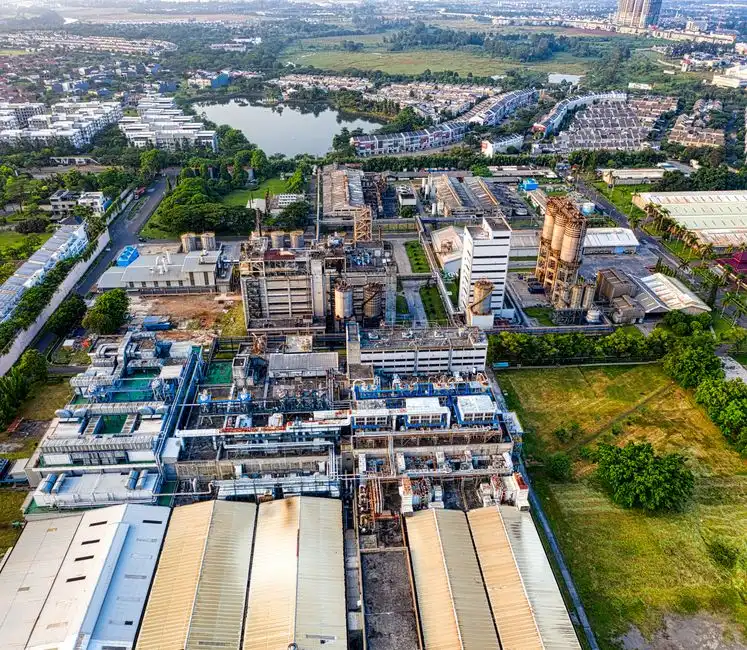
Packaged A/O is a straightforward decentralized biological option, MBR is the more compact biological route with membrane filtration, and DAF serves principally as pretreatment where oil, grease or removable solids are important.
| System | Verified scope | Hotel application | Key qualification |
|---|---|---|---|
| Packaged A/O | WSZ: anoxic/aerobic biological contact oxidation, sedimentation and disinfection in one buried unit; capacity 1–80 m³/h; automatic operation without an operator, according to the supplied WSZ product data. | A practical default where a decentralized biological treatment train is required and the treated-water objective can be met by the package. | Its capacity envelope must still be checked against the verified peak flow, and kitchen or laundry pretreatment may remain necessary. |
| MBR | Activated sludge with submerged PVDF membranes and filtration below 1 μm; capacity 10–2,000 m³/day; stated footprint 60% smaller than conventional systems, according to the supplied MBR product data. | Consider where compact equipment or advanced treatment is a priority, subject to confirmation of the required effluent or reuse objective. | Near-reuse-quality performance does not by itself establish acceptance under a Chittagong reuse or discharge requirement. |
| DAF | Removal of suspended solids, fats, oil and grease and colloidal matter; 4–300 m³/h across 13 standard models, according to the supplied DAF product data. | DAF pretreatment for hotel wastewater where kitchen or other oil- and solids-bearing flows justify the unit. | DAF is not the default biological treatment for this comparison; it performs a distinct pretreatment function. |
The selection sequence is conditional. First characterize each stream. Second, define the discharge or reuse objective. Third, choose the biological route. Fourth, add pretreatment where kitchen or laundry loads require it. Fifth, confirm disinfection, solids separation and sludge handling. Finally, obtain current written confirmation of local discharge limits, reuse approvals and sewer acceptance criteria before freezing the specification.
For a conventional decentralized route, the supplied underground packaged A/O sewage treatment plant combines biological treatment, sedimentation and disinfection in a buried package. Where space or advanced treatment drives the decision, the MBR wastewater treatment system requires a comparison of membrane performance, site constraints, operator duties and the receiving use—not an assumption that a higher-grade process is automatically required.
Size the Plant from Peak Flow and Water Reuse
Correct sizing requires verified wastewater flow rather than hotel-star rating, room count or a generic guest-flow factor. The supplied research provides no Chittagong-specific hotel flow factor, so one should not be invented for preliminary sizing. The project brief should request metered flow data, a fixture and outlet inventory, and a documented occupancy schedule.
Separate average daily flow from peak hourly and peak daily demand. Kitchen surges, laundry cycles, cleaning operations and seasonal occupancy can produce peaks that are more demanding than the daily average. The design basis should also distinguish normal flow from stormwater or infiltration, which requires exclusion rather than treatment capacity compensation.
| Sizing step | Required output | Relevant published equipment envelope |
|---|---|---|
| Establish the verified flow survey | Average daily flow, peak hourly flow, peak daily flow, identified surges and separately measured infiltration. | No Chittagong hotel flow factor is supplied; obtain measured or defensibly site-specific inputs. |
| Test biological treatment capacity | Selected number of units and operating arrangement against the agreed peak and redundancy requirements. | WSZ: 1–80 m³/h. MBR: 10–2,000 m³/day. |
| Test pretreatment capacity | Hydraulic loading for the relevant kitchen or solids-bearing stream. | DAF: 4–300 m³/h across 13 standard models. |
| Document the reuse route | End use, storage and distribution method, treatment objectives and authority confirmation. | Do not equate MBR filtration performance with a specific Chittagong reuse or discharge standard. |
The supplier should submit a hydraulic calculation showing how the selected equipment handles peak flow, equalization, bypass prevention, downtime and anticipated future occupancy changes. The calculation should identify whether units operate in parallel, include duty and standby arrangements where required, and reconcile average flow with the hydraulic treatment rate. Equipment details should be reviewed within the broader scope of wastewater treatment equipment selection and process integration, with the equipment supplier responsible for the specific treatment package rather than assuming that catalogue capacity alone completes the design.
Build the Treatment Train from Collection to Final Disposal
A defensible treatment sequence protects the biological process and makes the final discharge or reuse route explicit. The normal sequence is to collect segregably; screen and remove rags and solids; pretreat kitchen fats, oils and grease where necessary; equalize flow; treat biologically; settle or filter; disinfect; reuse or discharge; then dewater and manage the resulting sludge.
At the headworks, the GX rotary mechanical bar screen can remove suspended solids, rags, plastics and fibrous debris. This protects downstream pumps, valves and biological processes from material that should be captured before it enters the main treatment train. The GX rotary mechanical bar screen should be evaluated against the actual collection system and maintenance access rather than added automatically.
Chemical dosing should follow characterization. The supplied automatic dosing-system data identifies PLC-controlled dosing for coagulants, flocculants, pH adjusters and specialty chemicals. The automatic chemical dosing system is therefore relevant only where the wastewater analysis and process design establish a dosing requirement, chemical demand, storage arrangement and operator-control need.
Site planning must include odor, noise, visual impact and access for maintenance and sludge removal without using promotional language. The supplied WSZ data states that the package may be installed below grade with landscaping above it or mounted on a trailer for mobile deployment. The selected arrangement should fit excavation conditions, groundwater, flood exposure, access, utilities and the property’s landscaping requirements.
Verify Sewerage, Permits and Operating Risk
No equipment should be ordered until the legal route, receiving point and operating conditions are confirmed in writing. Dhaka Tribune’s report titled “Chittagong Wasa to launch massive sewerage treatment project” indicates reported municipal investment in sewerage treatment. It does not establish a property-level connection, sewer-extension guarantee, acceptance condition or permission to discharge.
Obtain current written confirmation from the responsible Chittagong authorities regarding sewer availability, connection conditions, discharge standards, pretreatment requirements, sludge disposal routes and monitoring obligations. Where no sewer connection is available, define the receiving environment and reuse destination before selecting the final treatment process. Where reuse is planned, agree the treatment objectives with the end user and relevant authority before finalizing MBR or disinfection specifications.
Supplier due diligence should identify operating attendance, remote controls, automatic backwash or start-stop functions, consumables, maintenance intervals and local spare-parts support. A remote-control function does not remove the need for routine inspection, and automatic operation does not establish that the package can be maintained by the hotel’s available staff. These responsibilities must be assigned in the operating agreement.
Sludge is part of the compliance route rather than an incidental waste stream. The plate-frame filter press may be relevant where dewatering is required, but the supplier must document sludge production, conditioning, removal, storage, transport and the confirmed disposal route. Equipment selection is incomplete until the residual stream has a destination.
Procurement Checklist for a Chittagong Hotel Project
Issue one common request for quotation so that bidders respond to the same design basis. It should contain the verified flow survey, wastewater analysis, treatment objective, available footprint, utilities, access conditions, odor controls, reuse destination, automation requirements and commissioning scope. Without these inputs, a price comparison may compare different scopes rather than equivalent treatment.
| Bidder response | Information the buyer should require | Award check |
|---|---|---|
| Treatment proposal | Complete treatment train, process basis, pretreatment requirements, disinfection, reuse or discharge route and sludge-management method. | Does it address every measured wastewater stream without relying on untreated stormwater? |
| Capacity and performance | Hydraulic calculation, verified design flows, process guarantees, equalization, bypass prevention, redundancy and future-capacity assumptions. | Does the stated capacity basis match the surveyed peak flow? |
| Site and utilities | Footprint, installation method, civil-work interface, power and utility demand, access, odor and noise provisions. | Is the arrangement compatible with verified site constraints? |
| Operations and delivery | O&M scope, local service capability, consumables, spare parts, training, commissioning tests and delivery documentation. | Are operating responsibilities and after-sales support assigned? |
| Commercial and compliance | Itemized price, mass balance, referenced operating experience, acceptance tests and conditions linked to the confirmed discharge or reuse route. | Is award conditional on current authority confirmation, site acceptance and successful commissioning? |
Require a site-specific mass balance covering solids capture, sludge generation and disposal. Purchase price alone does not expose the consequences of missed grease removal, poor solids separation or inadequate sludge handling. Award should remain conditional on the confirmed discharge or reuse route, site acceptance, referenced operating experience, commissioning tests and complete delivery documentation.
Frequently Asked Questions
How much should a hotel wastewater treatment system cost in Chittagong?
Request an itemized quotation rather than a headline package price. The main cost drivers are hydraulic capacity, treatment train, kitchen or laundry pretreatment, automation, civil works, sludge handling, commissioning and operating maintenance. The supplied research contains no Chittagong quotation, so a defensible budget cannot be stated without the verified flow, wastewater analysis, treatment objective and site information.
How do I size treatment for a hotel or resort in Chittagong?
Base selection on verified average flow, peak hourly flow and peak daily flow, including kitchen and laundry surges and separating infiltration or stormwater. Compare those inputs with the published envelopes: WSZ at 1–80 m³/h, MBR at 10–2,000 m³/day and DAF at 4–300 m³/h. Require a supplier hydraulic calculation covering equalization, bypass prevention, downtime and future occupancy changes.
How should I select a wastewater treatment supplier?
Select on project evidence rather than generic product claims. Request a wastewater balance, site-specific treatment train, capacity calculation, process guarantee, layout, O&M proposal, local service capability and relevant reference projects. Also require clear responsibility for consumables, maintenance, training, commissioning and delivery documentation.
What should be confirmed before discharge or reuse begins?
Obtain current written sewer-connection, discharge and reuse conditions from the relevant Chittagong authority. Also confirm pretreatment requirements, monitoring obligations and the sludge-disposal route. MBR performance should not be treated as automatic acceptance for a particular reuse application, and reported municipal sewerage investment should not be treated as a property-level connection guarantee.