What Changes When a Pharmaceutical Plant Expands?
After expanding its pharmaceutical plant, Novartis needs an ETP sized for the new wastewater flow and contaminant load—not simply additional conventional biological capacity. The design should segregate high-risk streams, provide equalization and shock-load control, remove APIs, antibiotics, solvents and catalyst metals, and add MBR, RO or another validated polishing step where required by the CTO or reuse target. In India, the ETP also needs API-specific monitoring, frequent sampling, groundwater and soil surveillance, and defensible sludge classification and disposal. Expansion should begin with a 12-month influent/effluent review, a 7-day composite sampling campaign and a comparison of actual flows against the ETP’s design capacity.
An expansion changes the wastewater profile, not only the daily volume. New products may bring more variable batch discharge, solvent residues, APIs, antibiotics, salts, cleaning chemicals and heavy-metal catalysts into a plant whose existing biological process was sized for a different mix. The first engineering question is whether the existing ETP was already overloaded before the expansion. Review 12 months of inlet and outlet records instead of extrapolating from one average flow or from the production forecast alone.
HydropureWater’s 2026 field data identifies chronic operation above 110–120% of design hydraulic capacity as a common undisclosed finding in Indian pharmaceutical deals. That finding means a capacity check must compare actual inlet flow, peak batch discharge and permitted operating envelope with the approved design—not merely ask whether the tank can hold more water. The approach is similar to an ETP expansion guide for a high-tech manufacturing plant: establish the wastewater change before selecting equipment.
Stream segregation should precede treatment selection. Sanitary wastewater, cooling and utility blowdown, formulation cleaning, fermentation, API reaction or mother liquor, and spill or high-concentration streams have different control requirements. The current CTO, site environmental clearance and expected water-reuse target form the compliance boundary; an equipment proposal cannot be evaluated without them.
| Expansion input | Procurement question | Required evidence |
|---|---|---|
| Hydraulic change | Was the existing ETP already above its approved design? | 12 months of inlet and outlet flow records |
| Wastewater character | Which new streams create variable, toxic or high-salinity loads? | Stream-by-stream sampling and mass balance |
| Permit status | Will expansion require consent variation or re-permitting? | Current CTO, environmental clearance and regulator correspondence |
| Reuse objective | What water quality must the expanded ETP produce? | Reuse specification and end-use assessment |
Build the ETP Design Basis from Real Wastewater Data
A defensible ETP design basis starts with a mass balance of the expanded production schedule and a measured wastewater profile. Review 12 months of ETP inlet and outlet records for flow, pH, COD, BOD, TSS and every parameter listed in the applicable consent conditions. This dataset identifies recurring batch peaks, seasonal changes, bypasses and existing excursions that a production forecast cannot show.
HydropureWater recommends a 7-day composite sampling programme covering COD, BOD, TSS, TDS, oil and grease, total nitrogen, total phosphorus, residual chlorine and active pharmaceutical ingredient markers. Composite sampling is necessary because a grab sample can miss the composition of intermittent discharges. The programme should also characterize antibiotic residues, APIs, solvents, batch salts and heavy-metal catalysts by source stream. Biological treatment can reduce bulk organics without ensuring removal of every pharmaceutical residue or metal.
The general discharge pH range of 5.5–9.0 stated in HydropureWater’s 2026 ETP review should be checked against the site-specific CTO; pharmaceutical consent conditions may be stricter or include additional parameters. This same data discipline is central to a pharma ETP due-diligence and legacy compliance review, but here the output should be an expansion design basis rather than a liability assessment.
Size equalization around variable discharge composition, not merely average or peak volume. Pharma Guddu gives biological-tank hydraulic retention time of 12–48 hours and sludge age of 5–15 days, but those values are not a substitute for site-specific hydraulic and biological calculations. The final tank volume and biological capacity must follow measured flows, organic loads, shock responses and the selected treatment train.
Set the reuse target before finalizing equipment because reuse changes solids separation, dissolved-salt rejection, disinfection and online-control requirements. Do not select RO, MBR or ZLD by default; each should solve a documented requirement.
| Design-basis element | Minimum input | Use in sizing |
|---|---|---|
| Hydraulic load | 12-month flow record plus 7-day composite campaign | Equalization, biological and hydraulic capacity |
| Organic load | COD and BOD by stream and operating condition | Biological reactor sizing and aeration |
| Residual risk | API and antibiotic markers, solvents, salts and catalyst metals | Advanced treatment and stream segregation |
| Permit target | Current CTO parameters and site environmental clearance | Effluent guarantees and instrumentation |
| Reuse target | End use and required water quality | Solids separation, RO, disinfection and controls |
Match Each Waste Stream to the Right Treatment Stage
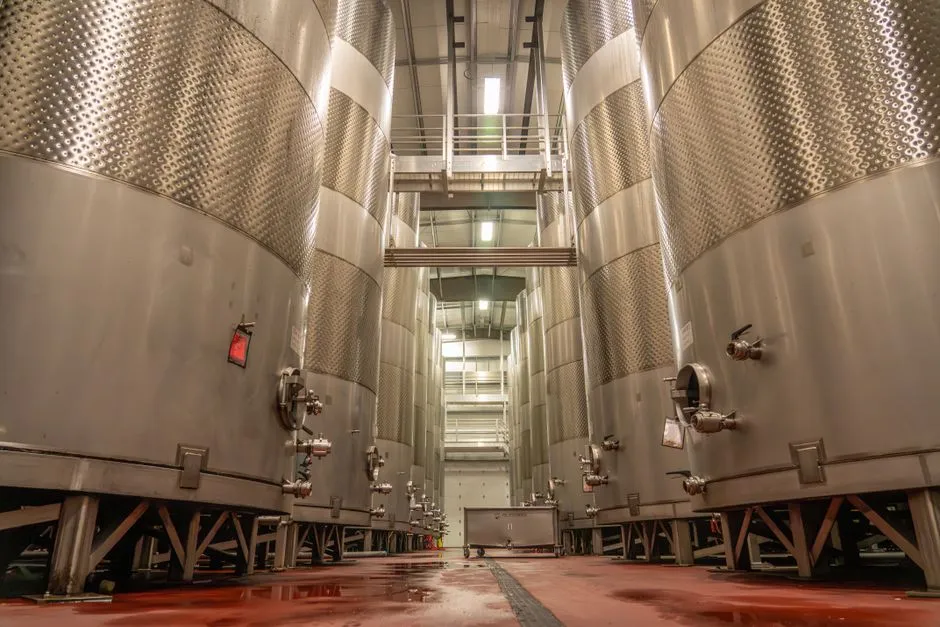
Treatment should be assigned by contaminant and stream, not by applying one complete ETP train to every discharge. Use pretreatment to remove suspended solids, oils and colloids before biological treatment. Pharmaguddu identifies screening, equalization, neutralization and coagulation-flocculation as upstream pharmaceutical ETP stages. These units protect downstream biology and membranes from materials that can upset the biological process or foul the equipment.
Use biological treatment for biodegradable organic load. Consider an MBR when the expansion requires a compact process and reliable solids separation. HydropureWater specifies its integrated MBR wastewater treatment system at below 1 μm filtration, a 60% smaller footprint than conventional systems and capacity from 10–2,000 m³/day. Those are supplier specifications, not automatic selection criteria: the required hydraulic capacity, feed quality, membranes, aeration, redundancy and controls must be confirmed against the site design basis.
Add RO or another membrane barrier when the CTO, reuse specification or risk assessment requires additional dissolved-solids or trace-contaminant separation. An industrial RO system for pharmaceutical wastewater should be evaluated with concentrate management, pretreatment requirements, membrane cleaning and recovery targets. The broader COD-removal treatment-train selection guide provides a useful structure for comparing biological and polishing stages, although pharmaceutical API and catalyst risks require additional characterization.
Piyush Goyal’s LinkedIn post identifies the need to quantify antibiotic concentrations in process wastewater, use treatment capable of removing or deactivating residual antibiotics, and implement appropriate primary, secondary and tertiary treatment. It also calls for mandatory API-specific monitoring at high-risk facilities, particularly antibiotic plants. That supports a validated disinfection or oxidation step where the risk assessment requires it; it does not establish that one technology is adequate for every product.
Do not assume activated sludge, MBBR or MBR alone controls heavy-metal catalyst contamination. Segregate relevant catalyst streams and select treatment and sludge handling from measured metal content. Where ZLD is proposed, assess evaporation, crystallization and the resulting salt or sludge route. ZLD does not eliminate residual management; it concentrates it.
| Decision point | Preferred response | Critical limitation |
|---|---|---|
| Suspended solids, oils and colloids | Screening, equalization, neutralization and coagulation-flocculation | Must be assessed for chemical demand and sludge generation |
| Biodegradable organic load | Biological treatment; evaluate MBR where solids separation and footprint are critical | Does not establish complete API, antibiotic or metal removal |
| Dissolved salts and trace contaminants | RO or another validated barrier | Requires pretreatment and concentrate management |
| Antibiotic or API control | Validated oxidation or deactivation plus appropriate monitoring | Performance must be product- and residue-specific |
| No liquid discharge objective | ZLD with evaporation and crystallization | Creates a concentrated salt or sludge disposal obligation |
Compare ETP Expansion Options Before Selecting Equipment
The right procurement comparison separates capacity expansion from treatment upgrade and reuse projects. A brownfield biological-capacity expansion addresses organic loading but may not provide the solids separation or trace-contaminant barrier required after API production changes. An MBR retrofit combines biological treatment and membrane separation; tertiary membrane polishing adds a barrier after an existing biological process; ZLD changes the liquid-discharge objective and creates a concentrated residue stream. Each must be compared against the current CTO, peak load, API risk, footprint, reuse target and permit implications.
For an MBR biological-capacity upgrade, HydropureWater identifies a 90-to-180-day path in 2026. The actual programme remains dependent on site conditions, civil work, procurement, commissioning and permit changes. For Indian CTO transfer or re-permitting, HydropureWater cites 3–6 months for a clean file and 6–18 months where re-permit or upgrade conditions are imposed. Those are planning ranges, not commitments for a specific Novartis site.
Ask each supplier to confirm design flow, average and peak influent basis, duty cycle, proposed product train, sludge yield, control philosophy, performance guarantees and site-specific acceptance tests. A fixed-price equipment quotation submitted without wastewater characterization, CTO review and stream mapping is not a comparable offer. It omits the inputs needed to establish capacity, treatment duty and regulatory performance.
Where pH correction or coagulant control is required, request automated dosing linked to flow and load. HydropureWater’s catalogue includes PLC-controlled dosing for coagulants, flocculants, pH adjusters and specialty chemicals, but the dosage logic must follow the selected chemistry and operating strategy.
| Option | Primary design benefit | Key procurement risk |
|---|---|---|
| Brownfield biological expansion | Increases treatment of biodegradable organic load | May not address API residue, metals, solids separation or reuse |
| MBR retrofit | Combines biological treatment with membrane solids separation | Membrane performance, aeration demand and civil-work constraints |
| Tertiary membrane polishing | Adds dissolved-solids or trace-contaminant separation | Feed quality, concentrate route and pretreatment |
| ZLD | Supports a no-liquid-discharge objective | Energy demand and downstream salt or sludge disposal |
Plan Compliance, Monitoring and Sludge Management

The expanded ETP must produce an auditable compliance record, not only compliant-looking effluent. Install monitoring suitable for the consent conditions and expansion risk, including pH, COD and flow, with API- or antibiotic-specific analysis where the risk assessment requires it. Goyal’s LinkedIn post calls for pharmaceutical-wastewater characterization, quantification of antibiotic or API residues, frequent sampling, spill and leak prevention, and monitoring of groundwater, soil, CETPs and receiving water bodies. It also recommends independent auditing of ETP or CETP performance rather than reliance solely on company self-reporting.
Characterize ETP sludge before selecting its disposal route. The review must reconcile manifests, contractor authorization and laboratory records to establish chain of custody. This is particularly important where API residues, catalyst metals or spent chemical treatment solids affect hazardous-waste classification. A sludge route should not be selected from dewatering appearance alone.
Maintain calibration certificates, operator training, an emergency-response plan and drill records. These records support ongoing compliance and future due-diligence readiness. HydropureWater’s plate and frame filter press range covers filtration areas from 1 m² to 500 m² and manual, hydraulic or automatic PLC operation. It is therefore a relevant dewatering option after sludge characterization confirms the application, not a default answer for every pharmaceutical sludge.
| Deliverable | Minimum content | Responsible package |
|---|---|---|
| Online monitoring | pH, COD and flow, with risk-based API or antibiotic analysis | Electrical, instrumentation and laboratory |
| Environmental surveillance | Groundwater, soil, receiving water and relevant CETP records | EHS and site environmental team |
| Sludge evidence file | Characterization, manifests, contractor authorization and laboratory records | ETP operations and hazardous-waste contractor |
| Operational assurance | Calibration certificates, training records, emergency plan and drills | Operations and EHS |
Commission the Expanded ETP in Controlled Stages
Commissioning should begin only after the wastewater basis and treatment train are frozen. Sampling, mass-balance review and CTO confirmation must precede release of final equipment drawings. Nameplate assumptions are not a substitute for verified design inputs, especially where a new batch profile changes API, salt or solvent loading.
Complete hydraulic and process verification through clean-water testing, instrument calibration and wet commissioning before introducing full-strength production wastewater. Then run the expanded ETP under the anticipated batch cycle and verify shock-load response, equalization performance, sludge generation, control stability and API-marker performance where relevant.
Establish a compliance-demonstration period with sampling, trend review and documented corrective actions before declaring the expansion complete. The operating record should allow future reviewers to test actual flow, treatment performance, sludge chain of custody and emergency readiness. A condition-monitoring review for wastewater pumps in corrosive Indian conditions can support the mechanical reliability work, but it does not replace process commissioning or permit demonstration.
- Freeze the measured design basis and compliance targets.
- Verify hydraulics, controls and equipment readiness with clean water.
- Introduce production wastewater under controlled loading.
- Demonstrate batch-cycle and shock-load performance.
- Complete compliance sampling, trend review and corrective-action closure.
Frequently Asked Questions
How much does an ETP cost after a Novartis pharmaceutical plant expansion?
An accurate quotation requires the design flow, wastewater characterization, treatment targets, current CTO, civil condition and sludge route. HydropureWater gives a mid-sized pharma ETP-upgrade range of ₹1–8 crore and a legacy-lagoon remediation range of ₹3–15 crore as 2026 field-data bands; these are not universal prices and should not be used without the site inputs above.
Should the expansion use MBR, RO or ZLD?
MBR addresses biological treatment and solids separation, while RO provides an additional dissolved-solids and trace-contaminant barrier. ZLD requires evaporation, crystallization and downstream management of the resulting salt or sludge. Select the train from measured contaminants, permit limits and reuse objectives rather than from a preferred technology label.
What should Novartis request from an ETP supplier?
Require a signed design basis, stream-by-stream loading calculations, equipment sizing, performance guarantees, control narratives, commissioning tests and permit references tied to the selected characterization. Also request a clear sludge-yield and disposal interface; treatment equipment without a defined residual route is an incomplete offer.
How long will ETP expansion and consent work take?
HydropureWater’s 2026 planning ranges are 90–180 days for an MBR biological-capacity upgrade and 3–6 months for a clean CTO file or 6–18 months where re-permit or upgrade conditions apply. Site-specific procurement, civil work, commissioning and approvals can change those schedules, so the supplier and regulatory programmes should be tracked separately.