
What an Effluent Treatment Plant in Caloocan Should Include
An effluent treatment plant in Caloocan should be selected based on wastewater characteristics, required effluent quality, available footprint, and discharge or reuse route. A complete industrial ETP functions as a treatment train: it requires characterization and equalization, contaminant-removal stages, polishing or disinfection, sludge handling, instrumentation, utilities, and a defined final outlet. The reviewed research does not provide Caloocan-specific flow values, pollutant limits, footprints, utilities, or prices, so these must be established by the buyer and bidders.
Use the CAD Outsourcing ETP design review as a procurement reference: its published scope covers planning, designing, modeling, and documentation, while site conditions and wastewater characteristics are identified as major design factors (CAD Outsourcing, n.d.). This supports asking every bidder to state its design basis rather than relying on a generic ETP package.
Issue the same information request to each supplier:
- Design influent flow and wastewater characteristics;
- Required effluent quality and receiving point or reuse destination;
- Available footprint and constraints on below-grade installation;
- Power, water, drainage, compressed air, and chemical storage availability;
- Installation boundary, commissioning criteria, and operating responsibilities;
- Applicable approvals, submissions, and permits that remain with the buyer.
Distinguish the proposed treatment works from the surrounding wastewater cycle. Confirm whether industrial pretreatment, sewer discharge, or water reuse governs the result. The broader comparison and compliance questions are covered in the ETP supplier comparison, costs, and compliance guide.
Match the Treatment Technology to the Wastewater
DAF, MBR, UF, and packaged biological systems serve different positions in the treatment train; their suitability depends on the contaminant profile. Select DAF for floatable or suspended material, MBR where biological treatment and membrane solids separation are required, UF where compatible effluent needs membrane polishing, and packaged A/O where the wastewater and site conditions fit a compact biological system.
| Technology | Primary selection condition | Confirmed catalog specification | Procurement question |
|---|---|---|---|
| DAF | Suspended solids, oil and grease, FOG, or colloidal material are targets. | 4–300 m³/h across 13 standard models; micro-bubble technology; automatic skimming. | Does the proposed model receive the full hydraulic load and provide the required solids removal? |
| Integrated MBR | Biological treatment and fine solids separation are required together. | 10–2,000 m³/day; filtration below 1 μm; stated footprint is 60% smaller than conventional systems. | What biological loading, membrane area, cleaning method, and replacement provision support the duty? |
| Hollow-fiber UF | A polishing stage is suitable for the feed quality and required finish. | 2,000–40,000 L/h; 0.03 μm PVDF membranes; inlet turbidity up to 300 ppm; automatic backwash and air scour. | What feed-quality limits, flux, recovery, cleaning frequency, and membrane replacement cost apply? |
| Packaged WSZ A/O | A compact, buried biological package fits the wastewater and installation boundary. | 1–80 m³/h; anoxic/aerobic contact oxidation, sedimentation, and disinfection integrated. | Does the unit address the actual organic load and the required receiving route? |
The industrial DAF system is a candidate when floatable material or suspended solids must be removed before biological treatment or polishing. The integrated MBR wastewater treatment system combines biological processing with fine membrane separation. The hollow-fiber UF polishing system is an option only when the feed is compatible; its stated turbidity ceiling is not proof that every industrial effluent is acceptable.
For a compact buried sewage-treatment package, the WSZ specification includes anoxic and aerobic contact oxidation, sedimentation, and disinfection. This provides an alternative process route, rather than a substitute for industrial pretreatment needed for oils, toxic compounds, or incompatible industrial inputs.
Build the sequence in this order:
- Screen or remove gross solids and protect downstream equipment.
- Remove oil, grease, FOG, colloids, or other contaminants requiring specific pretreatment.
- Apply biological treatment where biodegradable organics require it.
- Separate solids, then polish where the required effluent quality justifies it.
- Disinfect according to the receiving route.
- Dewater and route the resulting sludge.
Academic work supports nanofiltration for general WWTP-effluent polishing and constructed wetlands for micropollutant removal, but neither source establishes a mandatory technology or validated supplier for Caloocan (University of Twente/University Library, n.d.; Wageningen University and Research, 2022).
Build a Complete Treatment Train
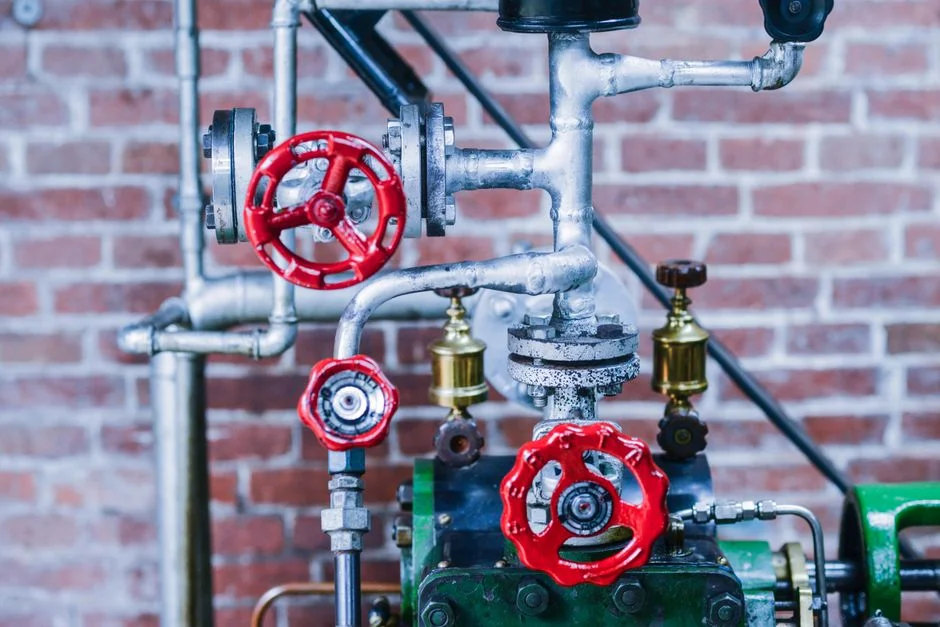
A treatment train is complete only when every stage has an agreed inlet condition, treatment objective, monitoring point, and responsible party. Otherwise, bidders can supply nominally suitable equipment while leaving compatibility, controls, or solids handling unresolved.
Use a rotary bar screen where continuous fine screening is necessary to protect downstream pumps, valves, and biological processes from solids, rags, plastics, and fibrous debris. Specify the screen’s duty, opening size, drive arrangement, discharge route, and maintenance access. The available rotary mechanical bar screen should be assessed as part of the complete train rather than treated as a minor accessory.
Add chemical dosing only where the process basis requires coagulants, flocculants, pH adjustment, or specialty chemicals. For the automatic chemical dosing system, ask the bidder to confirm the skid-mounted, pre-wired, factory-tested scope stated in its specification. Require tank capacities, metering arrangement, control signals, calibration method, chemical compatibility, containment, and operator access. A dosing skid does not establish the required dose; that must come from wastewater analysis and jar or process testing.
Select disinfection according to the receiving route and applicable project requirements. The reviewed equipment options include a UV-C sterilizer and on-site chlorine dioxide generation, but the research does not establish a universal Caloocan limit or mandate one chemical. Ask each bidder to identify the proposed treatment mechanism, monitoring method, power and chemical requirements, and performance criteria. The UV sterilizer configuration should be evaluated against the specified discharge or reuse path.
Include sludge handling in the flow and mass balance. The specified plate-and-frame filter press covers 1–500 m² filtration area and offers manual, hydraulic, or fully automatic PLC-controlled operation. The plate-frame filter press has several configuration choices that should be priced and evaluated against the expected sludge volume, moisture target, operating hours, and cake-disposal route.
Compare Caloocan ETP Suppliers Using a Quotable Specification
A comparable quotation begins with one common design basis and a clear boundary between confirmed catalog data and project-specific assumptions. Supplier directories can identify possible companies, but they cannot establish that a bidder has designed, supplied, commissioned, or performed a comparable Caloocan installation.
RevenueBase reported 1,011 United States company matches for effluent treatment plant operators in September 2026. Its methodology states that the Exact badge is search membership rather than an individual similarity or service-quality rating, so the count demonstrates that the supplier category is broad.
| Quotation field | Information every bidder must provide | Buyer check |
|---|---|---|
| Design basis | Design flow, wastewater characteristics, treatment targets, receiving point, footprint, and utilities. | Values match the buyer’s characterization and agreed operating basis. |
| Process train | Selected and excluded units, treatment sequence, capacities, redundancy, and control philosophy. | Every contaminant and solids stream has a defined treatment route. |
| Supply boundary | Separate pricing for equipment, civil works, piping, electrical controls, installation, commissioning, training, maintenance, and spares. | No excluded item is necessary for a complete operating plant. |
| Performance basis | Project-specific guarantees, test methods, sampling points, operating conditions, and rectification provisions. | Guarantees are measurable and not limited to a generic “compliance” statement. |
| Delivery and support | Manufacturing lead time, delivery schedule, site mobilization, training, warranty, and local technical support. | Schedule and responsibilities align with construction and operating plans. |
| Approvals | Permit and submission support, document responsibilities, and final discharge, sewer-pretreatment, or reuse verification method. | Responsibility for each authority submission is named. |
Ask for supporting technical evidence tied to the proposed duty. Research establishes general technology roles, but it cannot validate a particular supplier, equipment configuration, or performance guarantee (University of Twente/University Library, n.d.).
For comparable commercial assumptions, adapt the ETP supplier comparison, costs, and compliance guide into the tender document. Also request references for comparable industrial flows and wastewater profiles, then verify whether those references cover design, supply, commissioning, and long-term operation.
Plan Cost, Installation, and Commissioning Before Awarding the Contract
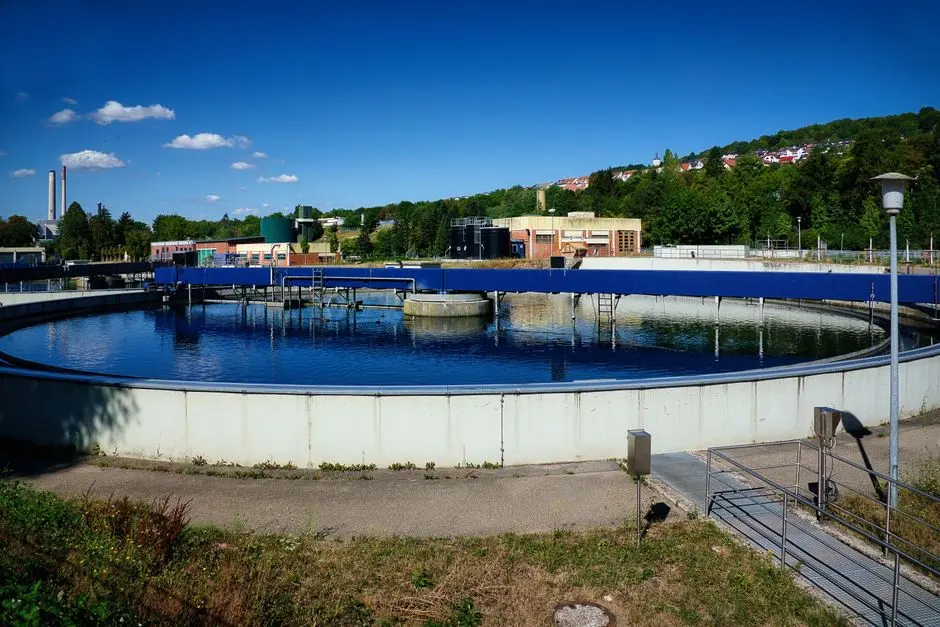
Equipment price is not the installed price of an industrial ETP. Ask for a total installed-cost breakdown that separates equipment, civil and structural works, piping, electrical works, controls, freight, taxes, installation, commissioning, training, and maintenance. This allows the buyer to identify exclusions and compare quotations that appear low only because they cover different scopes.
Site constraints must appear in the quotation because they can change both cost and schedule. Request the bidder’s assumptions for available footprint, below-grade installation, delivery access, maintenance access, power, water, drainage, noise, odor, chemical storage, and sludge removal. The CAD Outsourcing review identifies site condition as a major treatment-plant design factor (CAD Outsourcing, n.d.), while the supplied research provides no Caloocan-specific site or installation values.
Use the confirmed catalog ranges to check whether the proposed equipment falls within a stated envelope:
- DAF: 4–300 m³/h across 13 standard models;
- Integrated MBR: 10–2,000 m³/day, with filtration below 1 μm and a stated 60% smaller footprint than conventional systems;
- UF: 2,000–40,000 L/h, with 0.03 μm PVDF membranes, inlet turbidity up to 300 ppm, automatic backwash, and air scour;
- WSZ: 1–80 m³/h, integrating anoxic/aerobic contact oxidation, sedimentation, and disinfection;
- Plate-and-frame filter press: 1–500 m² filtration area, with manual, hydraulic, or fully automatic PLC-controlled operation.
These ranges are catalog parameters, not recommended Caloocan sizing. Selection still requires the design flow, wastewater analysis, treatment objectives, site basis, and receiving-route criteria. The packaged A/O versus MBR selection guide can help structure the process comparison, but it does not establish the correct capacity for the factory.
Make acceptance dependent on agreed project-specific criteria: instrument checks, operating demonstrations, documentation, training, performance testing, and rectification of deficiencies. Define sampling points, analytical methods, test duration, influent conditions, and treatment targets before award.
No verified Caloocan price or lead-time evidence appears in the supplied research. Request current, itemized quotations and delivery schedules rather than applying an online price range to an unspecified plant.
Frequently Asked Questions
How much does an effluent treatment plant in Caloocan cost?
The supplied research contains no verified Caloocan price. Request separate line items for treatment equipment, civil and structural works, piping, electrical controls, installation, commissioning, training
Frequently Asked Questions
How much does an effluent treatment plant in Caloocan cost?
The cost of an ETP in Caloocan typically ranges from PHP 1.5 million for small-scale modular systems to over PHP 15 million for high-capacity industrial plants. Pricing is determined by the required flow rate, measured in cubic meters per day (m³/day), and the complexity of the influent contaminant profile, such as Chemical Oxygen Demand (COD) and Total Suspended Solids (TSS) levels.
Additional costs include civil works, electrical integration, and post-installation biochemical monitoring. Budgeting should also account for a 10-15% margin for specialized instrumentation required to meet DENR Administrative Order (DAO) 2016-08 effluent standards.
Which ETP technology is best for industrial wastewater in Caloocan?
For industrial facilities in Caloocan, the most effective technology is typically a combination of Membrane Bioreactor (MBR) and Moving Bed Biofilm Reactor (MBBR) systems. MBR technology is preferred for space-constrained urban sites, as it achieves high-quality effluent with a smaller footprint by utilizing microfiltration membranes to separate solids.
If the wastewater contains high levels of heavy metals or complex organic dyes, a tertiary treatment stage involving Advanced Oxidation Processes (AOP) or activated carbon filtration is necessary to ensure compliance with the specific classification of the receiving water body.
How do I compare ETP suppliers in Caloocan and check their reliability?
When evaluating suppliers, verify their accreditation with the Philippine Contractors Accreditation Board (PCAB) and check for a track record of projects specifically permitted by the Laguna Lake Development Authority (LLDA) or the DENR-EMB. Request a portfolio of past projects that include verified third-party laboratory test results of effluent output over a 12-month operational period.
Reliable suppliers should provide a detailed Service Level Agreement (SLA) covering preventive maintenance schedules, response times for system failures, and the availability of spare parts for critical components like pumps, blowers, and sensors within the Metro Manila region.
What size wastewater treatment plant does a Caloocan factory need?
The required capacity is calculated based on the facility's maximum daily water consumption, typically assuming 80-90% of total water usage becomes wastewater. For example, a factory consuming 50 m³ of water daily will require an ETP with a hydraulic capacity of at least 40-45 m³ per day, plus a 20% buffer to account for seasonal production peaks.
Engineers must also conduct a characterization study to determine the organic loading rate (measured in kg BOD/day) to ensure the bioreactor volume is sufficient to handle the specific pollutant concentration of your industrial process.
How can I verify wastewater compliance before approving an ETP installation?
Before approval, require the supplier to provide a process flow diagram supported by a mass balance calculation that demonstrates how the system will meet the specific Class C or Class D water quality parameters mandated by DAO 2016-08. You must ensure the proposed design includes a standardized sampling point as required by environmental inspectors.
It is recommended to mandate a performance guarantee clause in the contract, stipulating that the final payment is contingent upon the plant passing a third-party audit conducted by a DENR-accredited laboratory after a 30-day commissioning and stabilization period.