Separate Sanitary Sewage from Data Center Process Wastewater
A data center in Santo Andre generally needs two separate treatment strategies: one for sanitary sewage and one for industrial process wastewater, especially cooling tower blowdown. Blowdown contains concentrated minerals, treatment chemicals, suspended solids and residual biocides, so it may require filtration, pH control, targeted chemical removal and disinfection before sewer discharge. If the goal is reuse, DAF or filtration can produce lower-grade process water, while UF and RO are more appropriate for higher-quality applications such as cooling make-up. Final treatment and discharge limits must be confirmed with the receiving authority because the supplied research provides no Santo Andre-specific permit thresholds.
RSP Engineers identifies cooling tower blowdown as the primary process-wastewater source in most large data centers. Other possible streams include water-treatment backwash, equipment-cleaning wastewater and air-handling condensate. Domestic sanitary wastewater comes from restrooms and kitchens and should be evaluated separately because its flow, pollutant profile and permitting pathway differ from industrial process wastewater.
The design should begin with source segregation rather than a combined treatment skid. A useful process-flow diagram distinguishes domestic sewage, cooling blowdown, treatment backwash, cleaning waste and condensate; then traces each stream through equalization, characterization, treatment, storage, authorized discharge or reuse, and monitoring. Process water should not pass through a domestic sewage treatment train merely because the streams ultimately meet at the site.
Before selecting equipment, request flows for normal operation, peak cooling demand, blowdown, backwash, cleaning and emergency dumping. Include operating schedules, maximum and minimum flows, storage requirements and expected downtime. This separates the sanitary sewer design from the industrial wastewater pretreatment problem and gives the Brazilian data center blowdown treatment guide a site-specific design basis rather than a generic equipment list.
Characterize the Blowdown Before Choosing Equipment
RSP Engineers reports that cooling tower blowdown commonly contains elevated TDS, chlorides, sulfates and phosphates, together with biocides, corrosion inhibitors and anti-scaling agents. Those constituents determine whether filtration alone is adequate or whether pH control, chemical removal, membrane treatment and concentrate management are required.
The sampling program should cover normal cooling operation, peak load, different cooling-system modes, start-up and shutdown conditions, and seasons with different cooling demand. Concentration and chemical carryover can change with cycles of concentration, makeup-water quality, makeup temperature and plant loading. Samples taken only during one operating condition may understate the worst case.
| Parameter or information to obtain | Design significance |
|---|---|
| TDS and conductivity | Indicates dissolved-solids loading and the need to evaluate RO, concentrate treatment or reuse blending. |
| pH | Determines whether neutralization is needed before discharge and determines chemical compatibility with treatment equipment. |
| Temperature | May require cooling or holding before discharge and affects biological and membrane operating conditions. |
| Suspended solids and turbidity | Establishes the required clarification, filtration and solids-handling load. |
| Silica, calcium and hardness | Identifies scaling risk and the pretreatment required for RO or higher cycles of concentration. |
| Chloride and sulfate | Documents salinity and scaling constituents relevant to discharge and reuse decisions. |
| Phosphate | Supports evaluation of chemical-precipitation demands and residual phosphorus. |
| Residual chlorine or other biocides | Defines whether dechlorination, alternative chemical control or disinfection is required. |
| Complete cooling chemical package | Documents active ingredients, dose, application frequency, compatibility and expected carryover into blowdown. |
RSP Engineers gives pH of 6.0–9.0 and temperature of 150°F only as examples of possible authority limits. These are not Santo Andre requirements. The receiving sewer authority or environmental regulator must define the applicable discharge parameters, monitoring frequency, sampling points and analytical methods.
For the preliminary control concept, evaluate automatic chemical dosing for blowdown pH control, but do not finalize the reagent, dose or set points until the complete chemical package and measured water chemistry are available. A specification based only on pH can miss the scaling, toxicity and solids problems that drive pretreatment.
Set the Reuse and Discharge Endpoint First
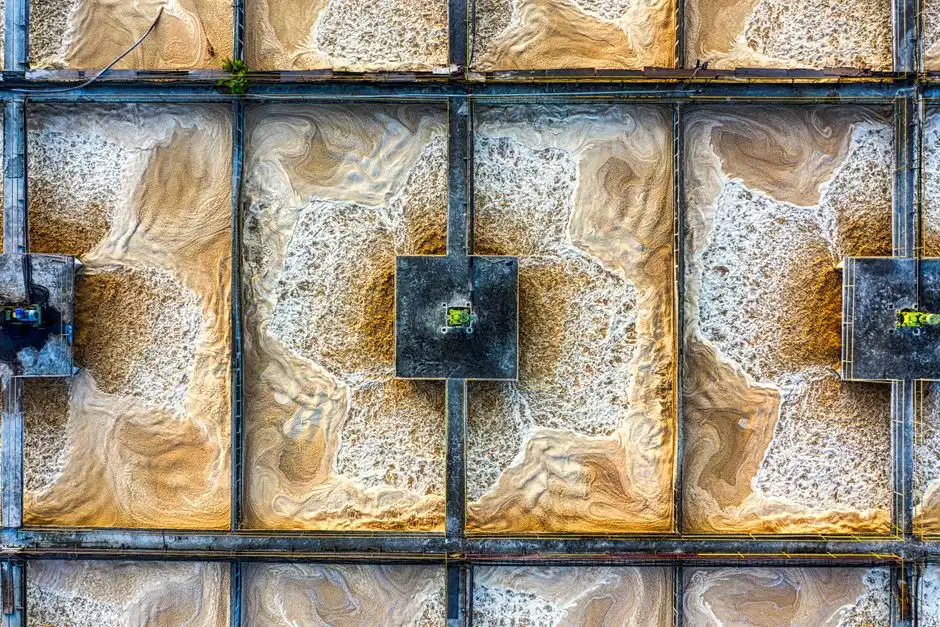
Genesis Water Technologies identifies irrigation, toilet flushing and outdoor equipment washing as possible lower-grade reuse routes, while cooling make-up reuse requires advanced treatment. RSP Engineers also identifies reuse as a way to reduce freshwater demand, but notes that storage tanks and distribution piping must be integrated into the site plan.
Set the required water-quality endpoint before comparing equipment. A discharge-first project may emphasize pH control, suspended-solids removal and contaminant reduction. A reuse-first project must also control corrosion, scaling and biological stability so the recycled water does not impair the receiving process.
| Endpoint | Treatment objective | Key acceptance evidence |
|---|---|---|
| Direct authorized discharge | Meet the sewer authority’s flow, pH, temperature and pollutant requirements without entering stormwater infrastructure. | Written discharge authorization, local limits, monitoring plan and connection requirements. |
| Non-potable reuse | Produce water suitable for the specified lower-grade use. | Matched reuse quantity, water-quality specification, distribution design and operating schedule. |
| Cooling make-up reuse | Control dissolved solids, hardness, silica, corrosion tendency and biological stability for the cooling system. | Make-up-water specification, blending strategy, membrane pilot data and concentrate disposal route. |
| Higher-recovery closed-loop recovery | Reduce freshwater demand while controlling scaling salts and concentrate within a stable operating envelope. | Chemistry-aware pilot results, recovery definition, scaling-management plan and solids fate. |
The reuse case should be based on actual site demand, not an assumed percentage of blowdown. Storage, pumping, distribution, seasonal demand and cross-connections affect the achievable reuse quantity. If demand is intermittent, a lower-grade reuse route may consume more usable water than a technically superior but narrowly applied treatment train.
Actual Santo Andre discharge and reuse permissions must be confirmed with the responsible authorities. The United States examples cited by RSP Engineers and Genesis Water Technologies cannot be treated as Brazilian or local rules. The Aracaju data center blowdown treatment approach offers another Brazilian comparison, but it is not evidence of Santo Andre requirements.
Build the Treatment Train from the Required Water Quality
Each unit operation should remove a defined contaminant and support a specific endpoint. RSP Engineers identifies temperature as a potential constraint on receiving-plant biology, so equalization and temperature management may precede treatment when blowdown is hot or variable. The equalization vessel should also prevent chemical-dosing and membrane systems from seeing short-duration peaks.
Where suspended solids, FOG, oil and grease or colloidal material are significant, DAF provides physical separation. A DAF system for cooling blowdown pretreatment can remove the floatable and settled fraction before filtration or RO. For hydraulic pH adjustment and targeted precipitation, use PLC-controlled chemical injection with tanks, containment and interlocks. The automatic chemical dosing system should be matched to the measured contaminant and endpoint rather than specified from pH alone.
Multi-media filtration is appropriate where suspended solids, turbidity and colloids must be reduced before downstream membrane protection. UF is an alternative when the design requires removal of bacteria, colloids and suspended solids without adding coagulants. The supplied research identifies HydropureWater UF systems at 2,000–40,000 L/h with 0.03-micron PVDF membranes, automatic backwash and air scour. It also reports feed turbidity up to 300 ppm; that value is an equipment input condition, not a site performance guarantee.
RO supports higher-quality reuse or concentrate reduction. HydropureWater industrial RO systems are specified at recovery rates up to 95%, while IDE Tech reports that conventional brackish RO commonly reaches 75–80% before scaling becomes unmanageable. These values describe different configurations. A higher nominal recovery does not establish that a standard RO skid will remain stable on Santo Andre blowdown.
For a reverse osmosis train for higher-quality reuse, high recovery requires chemistry-aware controls, scaling management, reliable concentrate disposal and a defined solids-handling route. IDE Tech’s 2026 description of high-salinity blowdown recovery separates salt removal from osmotic-pressure limits and deliberately precipitates scaling salts as managed solids. That approach requires additional equipment and operating control, so it should be demonstrated through pilot work before selection.
| Process step | Primary function | Where it fits | Design evidence required |
|---|---|---|---|
| Equalization and cooling | Buffers flow and temperature variation. | Before sensitive treatment steps or authorized discharge. | Flow and temperature envelope, storage duration and mixing assessment. |
| DAF | Removes suspended solids, floatable material and part of the colloidal load. | When physical separation is required before filtration or RO. | Oil, FOG, solids characterization and settled or floated sludge handling. |
| Chemical dosing and precipitation | Adjusts pH or removes selected dissolved contaminants. | Where the permit endpoint or downstream process requires targeted removal. | Full chemical package, jar or pilot tests, dose limits and sludge fate. |
| Multi-media filtration | Reduces suspended solids, turbidity and colloids. | Before sensitive membranes or reuse equipment. | Design flow, turbidity loading and backwash-waste route. |
| UF | Removes bacteria, colloids and suspended solids without chemical coagulation. | Where chemical-free pretreatment is required. | Feed chemistry, recovery, flux, cleaning method and backwash waste. |
| RO | Removes dissolved salts and produces higher-quality water. | Cooling make-up or concentrate reduction. | Scaling analysis, pilot data, recovery definition and concentrate route. |
| Disinfection | Controls viable microorganisms at the selected endpoint. | Only when reuse requirements, residual biocides or permit conditions justify it. | Required log reduction, residual policy and monitoring method. |
Include disinfection only when the endpoint requires it. Persistent biocides may already affect biological treatment, while adding oxidant can create discharge or reuse constraints. The international data center wastewater treatment train can help structure the process comparison, but its site assumptions must not replace Santo Andre characterization.
Optimize Blowdown Volume Without Overloading the Cooling System
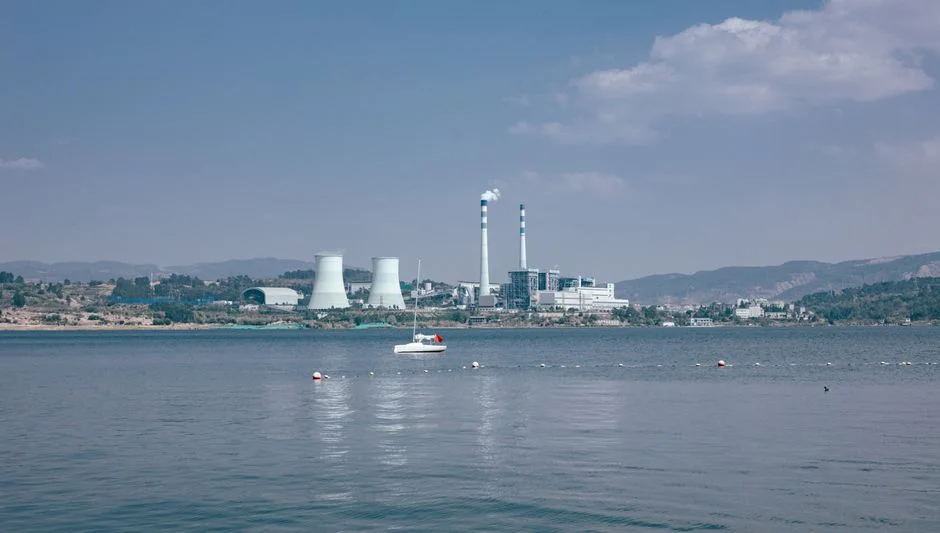
Genesis Water Technologies describes blowdown as 20–40% of intake in facilities with evaporative cooling. It also identifies the operating risk in raising cycles of concentration: biological and scaling risks increase sharply above 5–6 CoC without advanced treatment. Concentration changes should therefore be evaluated as part of the cooling and treatment strategy, not as an isolated sustainability target.
Using the source’s blowdown ratio of 1/(CoC−1), 4 CoC produces 25% blowdown and 6 CoC produces 20%. The reduction is therefore 20%, not 50%. The decision to move from 4 to 6 CoC should be supported by makeup-water chemistry, scaling and corrosion assessments, biocide performance and treatment capacity.
Before adding capital equipment, correct avoidable losses. Repair leaks, optimize controls, eliminate unnecessary once-through cooling, identify premature blowdown triggers and reduce suspended-solids loading that forces the system to purge for clarity. These measures reduce both water demand and the load entering the treatment train.
Establish a measured baseline for makeup, blowdown, evaporation, conductivity, pH and suspended solids. Genesis Water Technologies notes that actual blowdown can exceed theoretical calculations by 15–30% because of unmeasured losses and emergency dumps. That finding supports a measurement campaign before skid sizing: the treatment system should be sized around demonstrated flow and chemistry envelopes, not only a theoretical water balance.
Cycles of concentration and treatment recovery must be considered together. Raising CoC concentrates the incoming contaminants, while a reuse train removes water but concentrates the rejected salts. Evaluate the combined change in blowdown volume, concentrate production, chemical demand, cooling performance and solids disposal before committing to a design.
Plan Monitoring, Footprint and Operating Responsibilities
The selected process must remain measurable after commissioning. Include flow, pH, conductivity and temperature in the monitoring and control philosophy, then add any parameters required by the Santo Andre discharge authorization or the chosen reuse specification. Automated controls need local indication, sample points, calibration access and a defined response to upset conditions.
RSP Engineers cautions that a simple pH-neutralization system may occupy a few hundred square feet, while filtration and chemical precipitation may require several thousand square feet. These are order-of-magnitude examples from United States projects, not Santo Andre land-area requirements. Final footprint depends on the selected train, flow, tankage, chemical storage and maintenance access.
Provide drainage, spill containment, vehicle access, chemical storage safeguards and maintenance space in the site plan. Solids from DAF, filters, chemical precipitation and membrane cleaning need an identified disposal route. Membrane cleaning, chemical inventory, residual-biocide control, instrument calibration and upset response should have named operational owners.
RSP Engineers identifies laboratory sampling, reporting, automated monitoring and operator time as continuing obligations after permit issuance. The equipment scope should include calibration procedures, maintenance schedules, spare parts and training. Verify the final valve, filter-media and instrumentation requirements with the selected process; the treatment-system parts and maintenance scope should not become a generic spare-parts allowance.
Santo Andre Procurement and Feasibility Checklist

Request a design basis containing hourly and daily flow ranges, measured chemistry, reuse quantity, discharge route, required endpoint and operating availability. Include site constraints: available footprint, power, access, chemical storage, waste routes, water availability and expansion plans.
Require each supplier to define pretreatment needs, recovery basis, concentrate fate, controls, monitoring, utilities, consumables, maintenance, commissioning tests and spare parts. Clarify whether quoted capacity applies to each stream or the combined treatment train, and whether the stated recovery includes normalization for downtime and cleaning.
Compare life-cycle cost rather than equipment price alone. Include freshwater, sewer charges, chemicals, energy, waste disposal, labor and the value of reusable water. Use consistent flow, quality, availability and discount assumptions across proposals.
Confirm Santo Andre discharge authorization, sewer pretreatment requirements, water-supply constraints and applicable state or federal conditions with the responsible authorities before final equipment selection. Obtain comparable proposals only after the endpoint, design flow and required performance tests are defined.
Frequently Asked Questions
How much does cooling blowdown treatment cost for a data center in Santo Andre?
No supported quotation is available for Santo Andre, so a defensible budget cannot be stated from the supplied research. Request a priced scope based on hourly and daily flows, measured chemistry, selected endpoint, recovery, utilities, chemical consumption, solids disposal, controls, monitoring and commissioning. Ask bidders to present capital cost and operating cost separately, including freshwater savings or sewer-charge reductions where the reuse case can be substantiated.
Should the project choose DAF, UF or RO for cooling tower blowdown reuse?
Choose by endpoint and contaminant load. DAF is the physical-separation option for suspended solids, floatable material and colloidal loading; UF removes bacteria, colloids and suspended solids without coagulation; RO removes dissolved salts for higher-quality reuse or concentrate reduction. Compare these functions with the blowdown characterization and local discharge or reuse specification, then verify pretreatment and concentrate handling in pilot testing.
What flow capacity does a Santo Andre data-center treatment skid need?
Do not size the skid from cooling-system nameplate capacity alone. Request measured normal and peak blowdown, backwash, cleaning and emergency-dumping flows, plus equalization requirements. Genesis Water Technologies reports that actual blowdown can exceed theoretical calculations by 15–30%, so confirm the operating envelope through metering before suppliers select pumps, vessels or membranes.
Which supplier qualifications reduce the risk of a non-compliant treatment train?
Require a supplier to demonstrate process sizing against the stated flow and measured chemistry, identify pretreatment and concentrate disposal, provide pilot or commissioning evidence, define monitoring and control interlocks, and obtain manufacturer support for critical equipment. Also require a permit-compliance responsibility matrix, performance guarantees tied to the approved endpoint, utilities and consumables schedules, maintenance procedures, training and spare-parts availability. Santo Andre authority acceptance remains a separate condition and cannot be transferred from equipment performance.
Related Equipment
- DAF system for cooling blowdown pretreatment — specifications, capacity range, and technical data