How EV Wastewater in Sullivan Should Be Evaluated
For an EV or auto factory in Sullivan, choose DAF when free oil, FOG, oily wash water, colloids or persistent suspended solids control the treatment objective; choose a clarifier when dense, readily settleable grit and solids dominate. A plant-wide TSS average cannot make this decision because paint wastewater, stormwater and sanitary wastewater have different objectives. In 2026, the defensible sequence is source separation, wastewater characterization, permit review and laboratory or pilot testing before sizing. Hahn’s 2010 flotation review reports up to 90% oil removal for DAF, but performance depends on air/solids ratio, hydraulic loading, chemicals, pressure and flow rate.
Begin with a source-by-source wastewater inventory. Identify oily wash water, paint-related wastewater, stormwater, sanitary wastewater, cooling water and other process-water streams separately. For each stream, define whether the objective is free-oil recovery, suspended-solids removal, grit removal, biological treatment, pretreatment compliance, reuse or controlled discharge. This prevents the plant from installing a single clarifier to solve problems that actually require flotation, source control, biological treatment or another unit operation.
The mechanism has to match the contaminant. In Hahn’s Fundamentals of Wastewater Flotation, flotation depends on bubble generation, particle attachment and buoyancy. A conventional clarifier captures material that settles under quiescent or slowly flowing conditions. DAF removes material that floats or remains suspended; gravity clarification is more suitable for dense, readily settleable solids.
Do not make final equipment selection from a supplier capacity table alone. The 2026 industrial effluent testing guide sets out the role of characterization and compliance review. The HydropureWater research review also identifies separability testing as the practical way to establish whether flotation is feasible. Obtain representative analytical data and conduct laboratory or pilot work before committing to DAF, a lamella clarifier, a hybrid train or a different pretreatment route.
Which Wastewater Stream Drives the Equipment Decision
The dominant contaminant behavior determines the primary separation mechanism: floatable or persistent material points toward DAF, while dense, settleable material points toward gravity sedimentation. Do not assign one device to the entire factory because the wastewater is described as automotive or EV manufacturing wastewater.
Oily wash water is the clearest DAF application when free oil and FOG are the objectives. Colloids and solids that float or remain suspended may also respond well when conditioning, bubble contact and skimming are properly controlled. A dissolved air flotation system for oil, FOG and suspended solids should be scoped around the oily stream’s flow, contaminant loading and required recovery performance.
A clarifier becomes the stronger candidate when dense, readily settleable grit and solids dominate, while oil, FOG, colloids and persistent suspended material are secondary. A lamella clarifier for readily settleable solids can provide the relevant gravity-separation function. The mechanism must still be confirmed against actual settling behavior, because particle density, size, floc structure and flow conditions determine what the clarifier will capture.
Paint-related wastewater requires its own analysis. Coatings, binders and poorly soluble compounds can behave differently from free oil in wash water. The engineering question is whether the contaminants are floatable, settleable, filterable, emulsified or require chemical destruction. None of those conditions should be inferred from a generic “paint wastewater” category.
Neither mechanism replaces biological treatment of biodegradable organics. Clarification can precede activated-sludge treatment, while DAF can provide upstream load reduction where floating or persistent material is present. A hybrid train can be justified when the flow contains both recoverable oil and heavy solids: DAF can include bottom collectors for influent solids that settle rather than float, according to the research summarized by HydropureWater.
| Stream or dominant behavior | Primary mechanism | Required validation |
|---|---|---|
| Oily wash water dominated by free oil or FOG | Dissolved air flotation | Oil recovery, skimming, emulsification behavior and chemical demand |
| Colloidal or persistent suspended solids | DAF, potentially with conditioning | Flotation response, solids recovery and downstream sludge handling |
| Dense grit or readily settleable solids | Gravity sedimentation or lamella clarification | Settling rate, sludge interface and solids removal |
| Paint-related wastewater with mixed contaminant behavior | Stream-specific treatment, potentially hybrid | Coating and binder characterization, pH, emulsification and treatability |
| Biodegradable process organics | Upstream clarification plus biological treatment | BOD and COD behavior, toxicity and biological compatibility |
DAF or Clarifier: Engineering and Operating Comparison
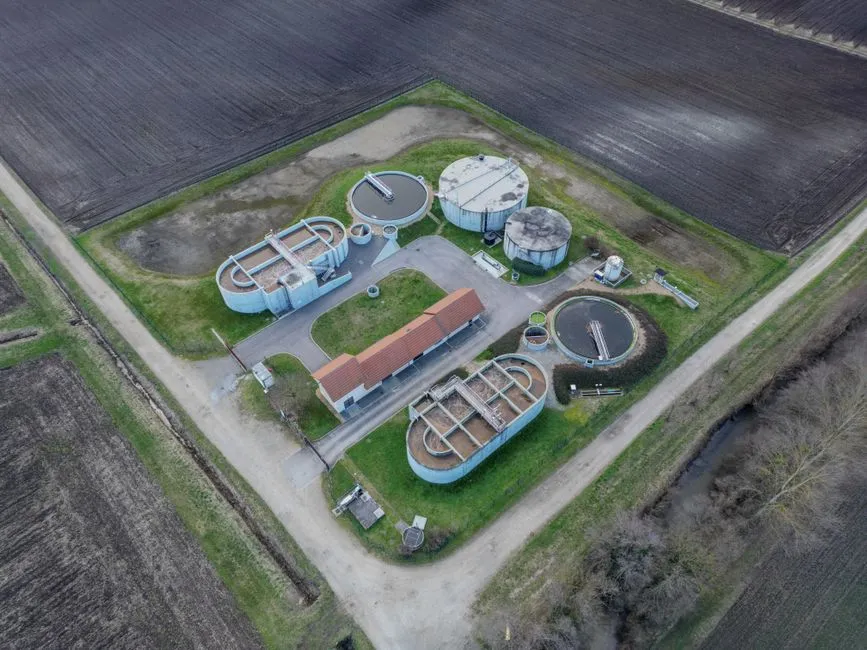
DAF and gravity clarification differ in equipment scope, separation physics and operating demands. DAF is generally the stronger fit for buoyant or persistent contaminants, while a clarifier is generally more economical for heavy-solids service that does not require flotation.
A conventional DAF installation normally includes a recycle pump, air-dissolving system, chemical-conditioning equipment, float skimming and sludge withdrawal. A lamella clarifier combines sludge recirculation, flocculation and inclined-plate separation. The comparison must include the complete treatment train rather than the tank price alone. For DAF, review the chemical dosing system together with the air, recycle and sludge-handling requirements.
Hahn’s 2010 academic review identifies air/solids ratio, hydraulic loading, chemical addition, pressure and flow rate as key flotation variables. These should form the pilot-test agenda. Equalization should also be evaluated as a means of stabilizing variable wastewater characteristics and improving treatment efficiency.
One stream-specific comparison is useful as context, not as a design guarantee. Ecologix reports 95% oil and grease removal for DAF versus 70% for a clarifier in a food-processing stream. That comparison does not establish equivalent performance for EV manufacturing wastewater. Oil type, emulsification, pH, temperature, flow variation, conditioning and contaminant loading all require local testing.
Clarifiers generally have lower operating costs for heavy-solids service, according to Ecologix. DAF adds air, recycle-pump and chemical-conditioning requirements, but its flotation mechanism is better aligned with free oil, FOG and material that remains suspended. HydropureWater states that its DAF range covers 4–300 m³/h across 13 models and that its lamella clarifier has 20–40 m/h surface loading. These are manufacturer figures for preliminary vendor screening, not substitutes for sizing from verified plant flows and loads.
| Engineering consideration | Dissolved air flotation | Gravity sedimentation or lamella clarification |
|---|---|---|
| Separation mechanism | Bubbles attach to material that can be floated and is skimmed | Material settles under controlled gravity conditions |
| Best-aligned contaminants | Free oil, FOG, floatable solids and persistent suspended material | Dense, readily settleable grit and solids |
| Typical equipment scope | Recycle pump, air dissolving, conditioning, skimming and sludge withdrawal | Flocculation, sludge recirculation and inclined-plate separation |
| Principal operating additions | Compressed air, recycle pumping and chemical conditioning | Chemical conditioning and sludge withdrawal |
| Key pilot variables | Air/solids ratio, hydraulic loading, chemical addition, pressure and flow rate | Settling behavior, hydraulic loading, floc condition and sludge removal |
| Stated equipment data | HydropureWater: 4–300 m³/h across 13 models | HydropureWater: 20–40 m/h surface loading |
Biosolids, Startup and Operating Risk
DAF creates a float for skimming and may also require bottom-solids withdrawal, so both collected streams need a defined route into the plant’s dewatering and disposal system. A clarifier creates settled sludge, but its quantity, density and downstream conditioning still depend on the incoming solids and coagulant program.
Coagulation and flocculation can improve DAF solids removal while creating thicker sludge. Clearwater Industries notes that the resulting sludge may need little or no further dewatering in some applications. That statement is conditional, not a Sullivan guarantee. The design basis should include expected float and bottom-solids volumes, solids concentration, chemical residuals and the available dewatering route.
HydropureWater states that its lamella clarifier can use up to 30% less chemical than its comparison baseline. Treat this as a vendor comparison claim, not independent evidence of lower chemical use at an EV plant. Ask for the baseline definition, tested waste stream, dosing basis and acceptance criteria before placing the claim in a capital model.
Startup procedure is an operating-risk issue. Clearwater Industries advises filling a new DAF with clean water initially because starting with wastewater can cause prolonged dirty discharge and risks damage to the recirculation pump and air-saturation system. Add controls for sequence-of-operation, recycle flow, air pressure, chemical feed, float discharge, sludge withdrawal and spill response.
Equalization should be evaluated before final hydraulic sizing because it can stabilize variable characteristics and improve treatment efficiency. Include the dewatering interface in the initial scope; a plate-and-frame filter press may be relevant if collected solids require further water removal, but its suitability must be checked against actual sludge characteristics and operating frequency.
Sullivan Procurement and Pilot-Testing Workflow
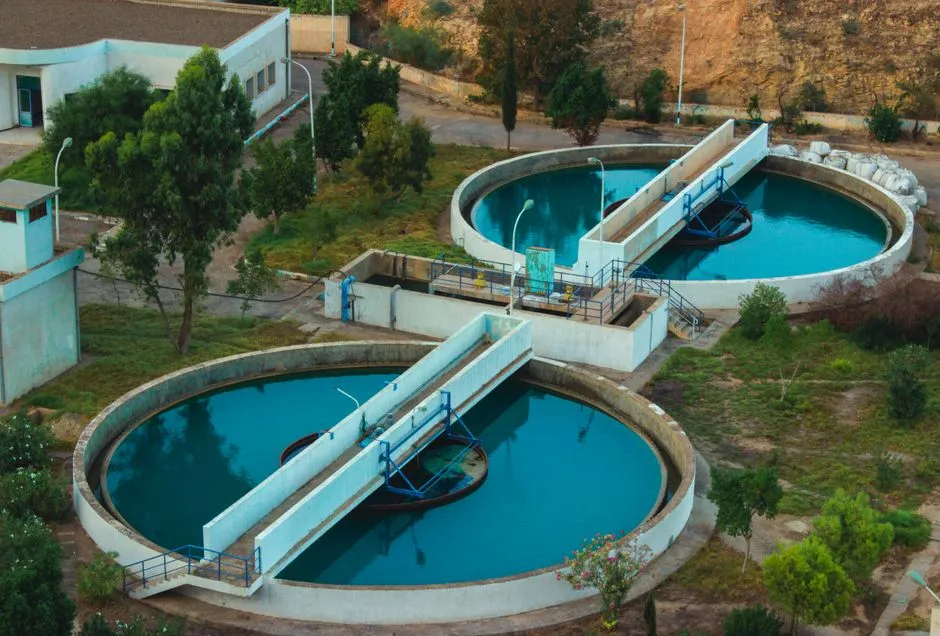
A defensible Sullivan capital request follows a sequence from source characterization to conditional equipment selection. The supplied research does not establish Sullivan-specific discharge limits or pretreatment requirements, so the applicable permit and sewer-use conditions must be confirmed before final sizing.
- Separate the sources. Document oily wash water, paint-related wastewater, stormwater, sanitary wastewater, cooling water and process-water streams independently.
- Characterize each stream. Record flow, variability, free oil, FOG, TSS, settleable solids, colloids, pH and the contaminants relevant to the proposed treatment or reuse objective.
- Confirm the regulatory basis. Obtain the applicable permit, sewer-authority requirements and analytical or monitoring requirements for each destination.
- Test separability. Run a laboratory jar test or pilot that compares flotation and settling using representative chemistry, with and without the proposed chemical-conditioning regime.
- Size from verified data. Use confirmed flow and contaminant loading rather than plant-wide average TSS; then check hydraulic loading, chemical demand, air and recycle requirements and sludge handling.
- Build the whole-life comparison. Include equipment, installation, utilities, chemicals, operator attention, maintenance, sludge treatment and replacement or retrofit risk. The research supports the relative logic that clarifiers generally cost less to operate for heavy-solids service, but it provides no universal Sullivan price.
- Make the award conditional. Tie the recommendation to pilot results, agency or sewer review, confirmed influent criteria and agreed performance tests.
For Sullivan factories, the equipment decision should not be based on the general label “EV manufacturing wastewater.” It should reflect stream-specific chemistry, the required endpoint, operating constraints and local compliance risk. The DAF versus clarifier selection framework for fabricated-metals wastewater provides a useful adjacent decision structure, but it must be adapted to the factory’s actual source inventory and local requirements.
Before issuing a capital request, obtain a stream-specific vendor quotation that defines the treatment scope, design flow, contaminant design basis, included equipment, utilities, controls, commissioning responsibilities, performance testing and solids-handling exclusions. Also request written confirmation from the relevant authority. That record closes the gap between an equipment recommendation and an auditable treatment decision.
Frequently Asked Questions
Should an EV or auto-manufacturing plant choose DAF or a clarifier?
Choose DAF when free oil, FOG, oily wash water, colloids or persistent suspended solids control the objective. Choose a clarifier when dense, readily settleable grit and solids dominate and the floating contaminants are secondary. The decision must be made stream by stream, not from a plant-wide TSS average.
Why is pilot testing required before final equipment sizing?
Laboratory and pilot testing show whether representative wastewater actually floats, settles or responds to chemical conditioning. The supplied research identifies wastewater analysis and separability testing as central to DAF feasibility. The same tests should establish settling behavior, chemical demand, hydraulic loading and sludge generation for the alternative.
What should be included when comparing DAF and clarifier costs?
Request a stream-specific quotation covering