What the Evidence Says About EGSB and Yeast Wastewater
An EGSB reactor can treat yeast wastewater, but feasibility depends more on organic loading and reactor conditions than on yeast percentage alone. In peer-reviewed brewery evidence, an EGSB operated at 35±2 °C and 4.0 kg/(m³·day), while direct brewer’s-yeast addition was limited to 1.1% by volume. Higher yeast ratios performed in a separate ASBR, so those results should not be used as EGSB design guarantees. A project should characterize COD, suspended solids, pH, temperature, fats and oils, and ammonia, then verify hydraulic loading, granulation, gas handling, solids removal, and upset recovery through site-specific testing.
An expanded granular sludge bed reactor, or EGSB, is a high-rate anaerobic configuration in which granular biomass retains active solids while biodegradable organics are converted and biogas is produced. Its value for a UASB reactor for yeast wastewater comparison depends on whether the feed can support stable granules without washing them out, fouling the gas system, or overwhelming the reactor’s buffering capacity.
The most relevant direct evidence comes from the brewery study published by Water Research in 2017. It reports EGSB operation at 35±2 °C and an average organic loading rate of 4.0 kg/(m³·day). The same study found no adverse digestion effect with brewer’s yeast at 1.1% by volume, provided the EGSB had capacity for the additional load. Its higher yeast-ratio and biogas findings came from an anaerobic sequencing batch reactor, not the EGSB.
| Evidence class | Reported scope | Permitted inference |
|---|---|---|
| Direct EGSB yeast evidence | Brewery EGSB at 35±2 °C and 4.0 kg/(m³·day); yeast addition up to 1.1% by volume without adverse impact when additional loading was allowed | Supports an EGSB feasibility investigation, not a universal removal guarantee or sizing rule |
| Related EGSB evidence | Microaerobic EGSB treating domestic wastewater at 15–26 °C (IEEE, 2011) | Provides operating context for a different wastewater and treatment train; it is not a yeast-loading basis |
| Non-EGSB evidence | Pilot ASBR treating brewery wastewater with brewer’s yeast at higher volume ratios | Supports an ASBR comparison; it must not be transferred to EGSB design |
The evidence therefore supports a conditional decision. EGSB is technically credible where wastewater characteristics and hydraulic conditions can be demonstrated and the feed can be stabilized upstream. The supplied studies do not establish a universal yeast-removal percentage, standard reactor volume, guaranteed organic loading rate, or full-scale EGSB performance for every brewery or food-processing stream.
Why Yeast Wastewater Can Overload an EGSB Reactor
Yeast wastewater can combine concentrated biodegradable solids with rapid hydraulic and organic loading, so equalization alone does not remove the overload mechanism. Characterization should distinguish total from soluble COD and quantify suspended solids, volatile suspended solids, pH, temperature, total ammonia nitrogen, fats and oils, and biodegradability. These data determine whether the stream can support granular sludge or requires solids removal and upstream buffering.
The clearest failure evidence comes from the 2017 Water Research study. A phase-separated granular-bed reactor operated successfully at a similar organic loading rate of 13.38 kg/(m³·day) with a 17% yeast/wastewater mixture. Increasing loading to 17.6 kg/(m³·day) at a 22% mixture caused process failure. Recovery took five days, with effluent γ(tCOD) below 10,000 mg/L during recovery. These are study observations, not universal EGSB limits, but they demonstrate that a high mixture ratio is not the same as stable treatment.
| Variable | Reported evidence and scope | Engineering interpretation |
|---|---|---|
| Organic loading | EGSB average OLR: 4.0 kg/(m³·day); separate granular-bed failure: 17.6 kg/(m³·day) at a 22% yeast mixture (Water Research, 2017) | Capacity must be established from the complete feed, not the yeast percentage alone |
| Volatile fatty acids | VFA mass fractions increased with loading in the ASBR study; acetic and propionic acid mass fractions were very low at a 17% mixture | VFA trends provide an early stability signal, but the reported acid behavior was not from the EGSB |
| Ammonia and TKN | Maximum concentrations of 2,250 mg/L NH₄-N and 2,630 mg/L TKN occurred at the 22% mixture in the 2017 study | These failure-test maxima are not routine effluent limits |
| Temperature | Waste yeast was at 8±3 °C, while EGSB effluent was at 35±2 °C in the brewery study | Equalization and temperature protection may be required before comparison with prior operating data |
Volatile fatty acid accumulation should be treated as a process indicator rather than an isolated laboratory result. Rising VFA fractions accompanied increasing loading in the 2017 study, while the low acetic and propionic mass fractions at the 17% mixture indicated a different operating state. A buyer should therefore track VFA, alkalinity, pH, and COD conversion together.
The temperature difference also matters during equalization. Mixing cold waste yeast directly into a reactor represented by prior 35±2 °C operation could create a combined hydraulic, soluble-COD, and temperature disturbance. If the proposed feed is colder, the basis for granule activity and reactor capacity must be re-established rather than copied from warm-weather brewery data.
Pretreatment and Hydraulic Design Criteria to Verify
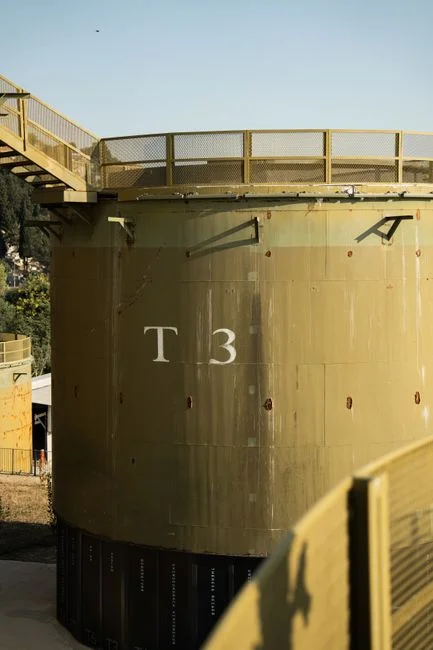
The defensible process sequence is to characterize the wastewater, equalize and control temperature, screen and remove obstructive solids, apply fats/oil or other protective pretreatment where needed, feed the EGSB, separate sludge and biogas, and polish the effluent as required. Each step should address a measured feed characteristic; installing equipment without defining its design duty creates an unpriceable risk.
Screening is not merely a preliminary step. A rotary mechanical bar screen for wastewater pretreatment can remove obstructive material that would otherwise burden pumps, valves, and downstream biological treatment. If characterization identifies emulsified oil, colloidal solids, or a significant suspended-solids fraction, DAF pretreatment for solids and oil and grease may need testing. DAF is not an anaerobic reactor substitute and does not remove the need to verify the biological feed.
| Design element | Documented reference or required project input | Buyer action |
|---|---|---|
| Temperature | 15–26 °C in the 2011 microaerobic domestic-wastewater EGSB study | Define seasonal feed temperature and heating or insulation requirements |
| Influent flow | 2.5–3.1 L·h⁻¹ in the same 2011 domestic-wastewater study | Replace the study flow with the plant flow and diurnal profile |
| HRT | 3.9–4.8 h in the 2011 study | Calculate HRT from the selected reactor configuration and project flow |
| Upflow velocity | 2.2–2.9 m·h⁻¹ in the 2011 study | Check total upflow, recycle behavior, and granule-retention requirements |
| COD performance | Influent COD 213–1,145 mg/L and effluent COD 26.3 mg/L in the 2011 domestic-wastewater case | Do not transfer this result to yeast wastewater; measure a representative feed |
| Reactor and solids criteria | No project-specific EGSB values are supplied | Obtain design flow, COD, solids, upflow, recirculation, HRT, sludge retention, and granule-separation calculations |
The microaerobic EGSB case demonstrates that an EGSB can operate across a defined hydraulic envelope under a different feed and process configuration. It does not establish yeast-treatment performance: the study used domestic wastewater and included chemical phosphorus removal downstream (IEEE, 2011).
Reactor selection therefore requires project-specific treatment of upflow velocity, hydraulic retention time, reactor volume, sludge retention time, feed-to-effluent recirculation, gas-liquid separation, and granule separation. The supplied sources do not justify universal values for those parameters. A chemical dosing system for pH or coagulation control should be specified only where characterization or pilot data establishes a dosing need, dose range, and control objective.
Temperature and HRT also affect the microbial community in an EGSB. A 2020 Ecotoxicology and Environmental Safety study used a 1.47 L laboratory EGSB to examine antibiotic wastewater response to cephalexin, temperature, and HRT. Although the feed was different, the work confirms that both variables must be treated as active design inputs rather than installation assumptions.
Choosing EGSB, UASB, ASBR, or a Pretreatment-First Train
The reactor decision should follow the feed and operating constraints, not a ranking of reactor names. Direct EGSB yeast evidence in the supplied research is limited, whereas the reported high-yeast tolerance and increased biogas production belong to ASBR trials. Where yeast addition would materially exceed the direct EGSB evidence, the buyer should compare an ASBR or require representative pilot testing.
| Configuration | High-solids handling | High-yeast addition | Evidence position for this decision |
|---|---|---|---|
| EGSB | Requires a verified solids-removal and granule-retention strategy | Direct brewery evidence supported 1.1% by volume when added loading was permitted | Feasible subject to characterization, hydraulics, and pilot verification; no universal guarantee |
| UASB | Requires removal of material that can impair sludge retention and flow distribution | Not established by the supplied direct EGSB evidence | Evaluate through a UASB reactor for yeast wastewater comparison and project-specific testing |
| ASBR | Operationally sensitive to feed and cycle management | 2017 pilot study operated well with mixtures up to 8% by volume and identified 17% as the maximum viable ratio under its test conditions | Supported comparison for higher yeast ratios; those results cannot be transferred to EGSB |
| Pretreatment-first train | Best suited where solids, oil, or colloids must be reduced before biological treatment | Does not establish reactor capacity by itself | Use when characterization shows pretreatment is necessary, then size the biological stage on the treated feed |
The ASBR comparison is important because the 2017 study found that, within its tested system, the resulting organic loading rate mattered more than yeast percentage alone. That conclusion may justify an ASBR comparison, but it does not prove that an EGSB would tolerate the same mixture. Hydraulic behavior, granule retention, feed distribution, and cycle structure differ.
A pretreatment-first train is appropriate when testing shows suspended solids, oil and grease, or colloidal material impairs granule retention or reactor hydraulics. In that case, equalization, screening, and DAF pretreatment for solids and oil and grease should precede reactor selection. The biological design must then use the characteristics of the pretreated feed, not the raw wastewater.
Pilot Testing, Commissioning, and Performance Acceptance
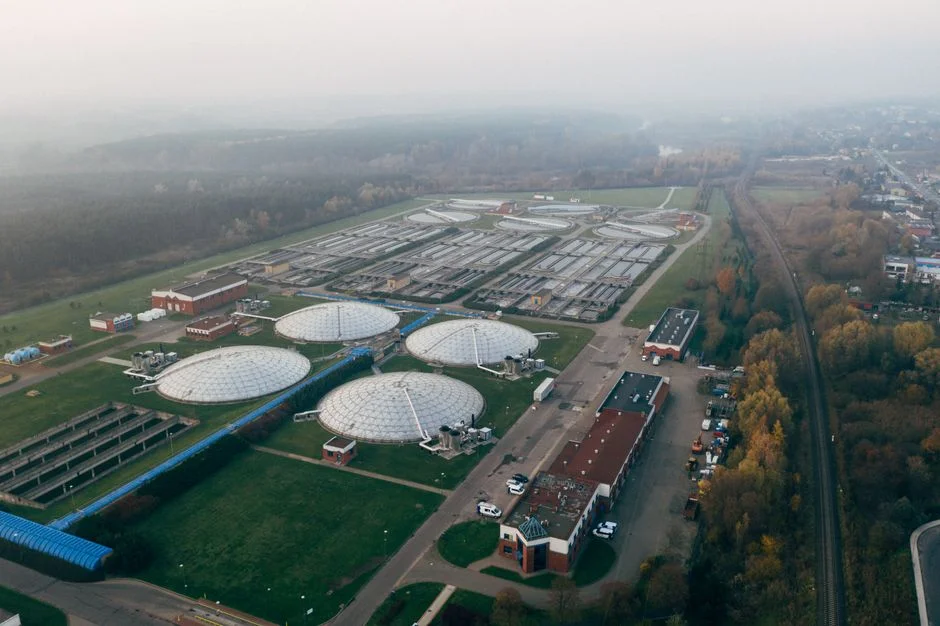
A representative pilot should test the planned seasonal temperature range, yeast-ratio range, and hydraulic profile while tracking feed COD, suspended solids, pH, ammonia, alkalinity, volatile fatty acids, biogas composition, and granular-sludge integrity. Without this test, the 1.1% by-volume EGSB yeast ratio and 4.0 kg/(m³·day) average organic loading rate reported by the 2017 Water Research study are investigation benchmarks, not automatic acceptance criteria.
Step loading should begin conservatively. Increase load only after COD conversion and the relationship between volatile fatty acids and alkalinity remain stable. Before testing higher yeast ratios, define stop conditions, gas-handling actions, solids controls, and a recovery procedure. The study’s five-day recovery after failure illustrates why restart performance should be explicit rather than assumed.
| Pilot phase | Required evidence | Decision |
|---|---|---|
| Baseline characterization | Total and soluble COD, suspended and volatile suspended solids, pH, temperature, ammonia, alkalinity, fats and oils, and biodegradability | Confirm pretreatment and whether the feed is suitable for granular sludge |
| Conservative loading | Stable COD conversion, gas production, pH, VFA, alkalinity, and granule condition | Proceed only within demonstrated stable conditions |
| Stepped yeast-ratio trials | Measured response at each ratio, including recovery after a controlled upset | Establish the applicable operating envelope for scaling |
| Acceptance | Defined influent and effluent conditions, test duration, analytical methods, gas and solids handling, restart procedure, and operator training | Use contractual acceptance tests rather than generic performance language |
Contract language should identify the measured influent basis, operating duration, analytical methods, acceptable COD conversion, gas-handling requirements, solids inventory management, granule loss limits, and restart requirements. Any downstream equipment—such as a plate-and-frame filter press for sludge dewatering or a chlorine dioxide generator for a defined disinfection application—should be specified as part of the treatment-train scope only after its duty and application requirements are established.
Anaerobic treatment performance is not the same as discharge compliance. Permit and sewer requirements for COD, nutrients, solids, pH, temperature, and other applicable parameters must be checked independently. The chlorine dioxide generator for wastewater disinfection may have a role in a defined polishing train, but it does not resolve upstream biological instability or create discharge capacity.
Questions to Ask an EGSB Equipment Supplier
Supplier selection should begin with evidence quality rather than a generic performance statement. Ask each supplier to identify prior yeast or brewery installations and distinguish full-scale reference performance from laboratory or pilot evidence. A transferred result from domestic wastewater, slaughterhouse wastewater, antibiotic wastewater, or another reactor type must be labeled as such.
Request the reactor-sizing basis: design flow, total and soluble COD, suspended solids, temperature, upflow velocity, recirculation assumptions, hydraulic retention time, sludge retention, granule-retention method, and solids-inventory management. The 2017 brewery evidence provides an EGSB operating reference at 35±2 °C and 4.0 kg/(m³·day), while the higher-ratio trials belong to an ASBR. A supplier should explain how its proposed design responds to that evidence boundary.
Require an upset strategy covering high yeast loading, volatile fatty acid accumulation, temperature shock, pH variation, blockage, granule loss, gas separation problems, and restart. For a solids-bearing feed, ask how screen blockage, sludge blanket development, and excess solids withdrawal will be controlled.
Clarify commercial scope. Ask whether the quoted price includes equalization, screening, pretreatment, reactor, recirculation, gas handling and utilization, sludge separation, controls, instrumentation, commissioning, training, and downstream polishing. The supplied research contains no defensible equipment-cost range, so comparable bids require the same scope and documented design basis.
Finally, require the supplier to state whether each guarantee rests on characterization of the actual feed, continuous pilot data, or performance transferred from another wastewater. Related treatment components can be reviewed through the supplier’s treatment parts, valves, and filter media scope, but those components do not substitute for a verified reactor design.
Frequently Asked Questions
Is an EGSB reactor suitable for yeast wastewater?
It can be suitable when organic loading, temperature, solids, granule retention, and upset risks are demonstrated for the actual feed. The direct brewery evidence in Water Research (2017) reported EGSB operation at 35±2 °C and 4.0 kg/(m³·day), with brewer’s yeast addition up to 1.1% by volume without adverse impact when the reactor could accept the additional load. That is a feasibility basis for further testing, not a universal performance guarantee.
How much does an EGSB reactor for yeast wastewater cost?
The supplied research contains no defensible cost range. A buyer should request separate priced scopes for equalization, screening, fats/oil or solids pretreatment, the reactor and recirculation, gas handling, sludge separation, controls, instrumentation, commissioning, training, and polishing. Comparing quotations requires the same feed basis, treatment scope, acceptance tests, and exclusions; otherwise the prices are not comparable.
How should an EGSB reactor be sized for yeast wastewater?
Size it from project-specific flow, total and soluble COD, suspended solids, seasonal temperature, upflow and recirculation assumptions, hydraulic retention time, sludge retention, and granule separation—not from the 1.1% yeast ratio alone. Require representative pilot testing before fixing the scale, and confirm that the proposed feed and pretreatment produce the characteristics used in the calculation.
Can an EGSB handle a higher yeast percentage than 1.1%?
The supplied direct EGSB result does not establish that capability. The 2017 study’s higher yeast ratios and biogas findings came from ASBR trials, where mixtures up to 8% by volume caused no adverse effects and 17% was identified as the maximum viable ratio under the tested conditions. Transferring that result to an EGSB is unsafe because hydraulic behavior and solids retention differ; a step-loaded representative pilot is the appropriate next check.
What monitoring and maintenance does an EGSB require for yeast wastewater?
Monitor COD conversion, volatile fatty acids, alkalinity, pH, temperature, gas production and composition, granular-sludge condition, and solids inventory. These measurements should be linked to defined operating actions: stop or reduce loading when the pilot-established stability criteria are breached, protect the gas system from upset conditions, remove excess solids, and follow a defined restart procedure. Failure and recovery should be rehearsed during commissioning rather than treated as an operational surprise.
Related Equipment
- DAF pretreatment for solids and oil and grease — specifications, capacity range, and technical data