When Is a UASB Reactor Suitable for Distillery Wastewater?
A UASB reactor can treat high-strength distillery wastewater effectively when the process receives suitable pH, buffering and a controlled organic loading rate. Research supports this performance: a 225 L pilot reactor achieved 86% COD removal at 10.0 kg COD/m³/day, while a 2.5 m³ thermophilic multi-staged system achieved over 80% removal at 60 kgCOD m⁻³ d⁻¹. These results are not universal design guarantees. Full-scale feasibility depends on wastewater characteristics, reactor configuration, start-up, hydraulic retention, loading control and suitable post-treatment.
A UASB reactor is an up-flow anaerobic process in which wastewater moves upward through an anaerobic sludge blanket. Retained biomass converts biodegradable organics into methane-rich biogas while reducing the organic load carried into the effluent. This combination of organic-load removal and methane recovery makes UASB credible for alcohol distillery wastewater, provided the feed can support stable anaerobic treatment.
The central feasibility condition is not reactor volume alone. Influent characteristics must permit controlled organic loading, adequate buffering and manageable pH. Distillery streams can vary substantially: spent caustic may be highly alkaline, while other process streams may have low strength or different chemical properties. A feed that cannot be balanced or conditioned should not be sent directly to a UASB on the assumption that biological acclimation will solve the problem.
Study S2 is the clearest current evidence anchor. A 225 L pilot UASB treated raw distillery wastewater for 130 days after centrate, spent caustic and lower-strength process wastewater were mixed to balance extreme pH levels. The reactor then operated at an organic loading rate of 10.0 kg COD/m³/day, achieved 86% COD removal and maintained an average methane yield above 71% (Water Environment Research, 2025-08). This demonstrates feasibility under the tested feed conditions; it does not establish a universally suitable loading rate or substitute for site-specific characterization.
For a plant acquisition or capacity review, the relevant decision is whether the actual wastewater envelope can support the same balance of buffering, organic loading and downstream treatment. That review also has to address wastewater treatment requirements for a distillery acquisition before reactor performance is translated into commercial acceptance criteria.
What Do Current UASB Studies Prove About Distillery Wastewater?
The studies support anaerobic treatment of distillery wastewater, but they do not define one guaranteed organic loading rate because reactor scale, temperature, feed composition, operating duration and configuration differ materially. The correct use of these results is to establish feasibility and identify operating boundaries—not to convert pilot percentages into full-scale guarantees.
| Study | Scope and operating conditions | Reported performance | Engineering interpretation |
|---|---|---|---|
| S1 — IWA Publishing | 2.5 m³ pilot, multi-staged UASB; 55°C; operated for over 600 days | Over 80% COD removal at 60 kgCOD m⁻³ d⁻¹ | Thermophilic treatment achieved high-rate performance under the tested alcohol-distillery wastewater conditions. |
| S2 — Water Environment Research, 2025-08 | 225 L pilot UASB; 130 days; raw distillery wastewater blended to balance pH | 86% COD removal at 10.0 kg COD/m³/day; average methane yield above 71% | Stable performance was demonstrated with controlled stream mixing and operating conditions. |
| S3 — Desalination and Water Treatment, 2014 | Bench-scale UASB; 37°C; 635 days; 2-day hydraulic retention time | Maximum COD removal of 68.35% and BOD removal of 89.11% at 15.34 kg COD/m³ d | Longer-term mesophilic operation was demonstrated, with COD and BOD results that must remain distinct. |
| S4 — U.S. EPA HERO record | Grape-based distillery wastewater; UASB followed by aerobically activated sludge reactors | Diluted run: 88.7% COD removal at 3.60–8.20 kg COD/m³·day. Undiluted run: maximum 57.1% removal at 4.06–18.90 kg COD/m³·day. Combined UASB and aerobic treatment reached 96.5% overall COD removal. | Feed condition and post-treatment materially affected the outcome; the UASB alone should not be credited with the combined result. |
Study S1 also identifies a deterioration boundary. The IWA Publishing study reported that COD removal fell to 60% above 90 kgCOD m⁻³ d⁻¹ for barely-based distillery wastewater and to 70% above 100 kgCOD m⁻³ d⁻¹ for sweet-potato-based distillery wastewater. These are different feed-specific boundaries, not universal alarm limits.
Two conclusions follow. First, gradual commissioning and organic loading rate management are necessary because higher loading reduced performance in S1. Second, scale-up requires more than volume: the feed must remain within a characterized operating envelope, and the treatment train must provide whatever polishing is needed to meet the discharge or reuse requirement.
How the UASB Treatment Train Controls Distillery Upsets
Stable UASB performance depends on controlling the wastewater before it enters the reactor and on monitoring biological stability during operation; the reactor cannot compensate for every stream imbalance.
| Process step | Engineering function | Procurement or operating requirement |
|---|---|---|
| Equalization and characterization | Blends variable streams and establishes the feed envelope. | Define flow profile, COD, biodegradability, pH, alkalinity and temperature; confirm whether suspended solids or oil require removal. |
| pH adjustment or buffering | Creates conditions suitable for anaerobic treatment. | Provide controlled chemical addition and verify dosing against the mixed-stream pH rather than an individual stream. |
| UASB reactor | Retains anaerobic sludge blanket biomass and generates methane-rich biogas. | Control organic loading, hydraulic retention, temperature, feed distribution and sludge stability. |
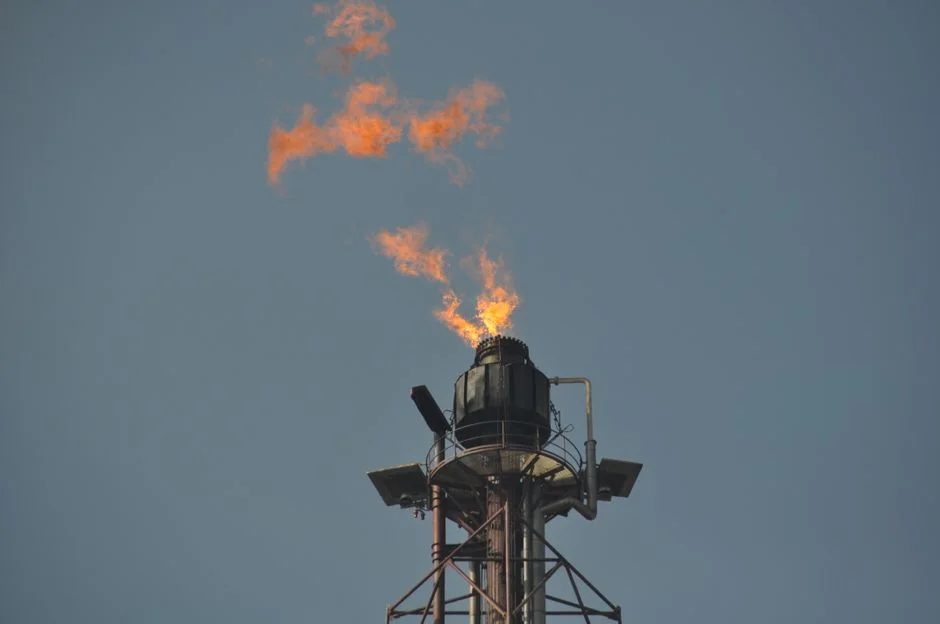
| Biogas handling | Captures and routes gas produced by the reactor. | Define gas collection, safety provisions, metering, utilization or flaring assumptions, and upset controls. |
| Post-treatment | Removes residual biodegradable and suspended material before discharge or reuse assessment. | Identify the treatment stage responsible for final effluent compliance and establish acceptance tests. |
| Sludge handling | Manages biomass inventory, wasting and long-term stability. | Request the wasting strategy, sludge characteristics, storage provisions and start-up seed plan. |
Study S2 directly supports stream balancing. Centrate, spent caustic and low-strength process wastewater were mixed to balance extreme pH before treatment. That is a process-design lesson: feed preparation belongs upstream of the UASB. An automatic chemical dosing system for reactor feed conditioning may support controlled pH adjustment or chemical conditioning, but it cannot replace equalization, biological monitoring or adequate reactor capacity.
Routine monitoring should include influent COD, flow, pH, temperature and alkalinity, together with volatile fatty acids and methane-related operating indicators. The research does not provide universal alarm limits, so the supplier and operator must derive them from the reactor design, feed characteristics and commissioning experience.
Loading control is equally important. In Study S1, higher organic loading rates reduced COD removal. Start-up should therefore progress through a controlled loading regime while the reactor establishes its sludge blanket and the operating team records the response to each change.
Post-treatment must be evaluated from the outset. In Study S4, UASB was followed by an aerobically activated sludge reactor, and the combined system reached 96.5% overall COD removal. That result belongs to the hybrid train, not to the UASB alone.
Choosing Reactor Configuration, Monitoring and Scale-Up Controls?
A UASB proposal should be selected from its design basis and control philosophy, not from a headline COD-removal percentage. The supplied studies cover different reactor arrangements, so buyers must require each bidder to state what configuration and operating envelope the quoted performance applies to.
The multi-staged configuration evaluated in Study S1 is not equivalent to an unspecified single-stage UASB. A bidder should identify the number of stages, working volume, mixing or recirculation arrangement, feed distribution, gas-handling arrangement and intended operating temperature. It should also define how hydraulic retention time and organic loading rate are controlled during commissioning and normal operation.
The required design basis should include:
- Wastewater flow and its diurnal profile;
- Influent COD and biodegradability;
- pH range and alkalinity;
- Wastewater temperature;
- Required hydraulic retention time and target organic loading rate;
- Start-up method and seed-sludge strategy;
- Biogas production and utilization assumptions;
- Pretreatment, post-treatment and sludge-handling interfaces.
| Scale-up check | Question for the supplier | Reason it matters |
|---|---|---|
| Hydraulic capacity | What influent flow and diurnal profile does the reactor handle? | Prevents selecting a unit based only on nominal volume. |
| Organic capacity | What design COD and organic loading rate apply? | Links biological loading to the actual wastewater strength. |
| Feed envelope | What pH, alkalinity, temperature and biodegradability ranges are covered? | Tests whether the pilot evidence transfers to the site feed. |
| Control system | Which measurements drive dosing, feed and loading decisions? | Makes operating response explicit rather than dependent on informal operator judgment. |
| Commercial commitment | Which results are measured, modeled, allowed or guaranteed? | Prevents pilot performance from being presented as a contractual full-scale result. |
Scale-up should also consider the more than 2.5 m³ commercial implementations described in the research context, not merely multiply a pilot volume. Hydraulic behavior, feed distribution, mixing, gas disengagement and sludge handling can limit scale-up even when a larger volume is provided.
Study S5 illustrates the value of structured effluent-COD prediction for a real-scale distillery wastewater UASB. The ANFIS model reported R of 0.8922 and RMSE of 1334.69, compared with R of 0.8197 and RMSE of 4208.34 for the fuzzy model (AccScience Publishing, 2014). This supports control-system evaluation, but it does not replace direct process measurement.
The supplied research contains no current supplier prices, delivery schedules, commercial reactor dimensions or guaranteed full-scale removal rates. Those items must be obtained through a documented quotation and acceptance process.
Deciding Between UASB and Alternative Treatment Routes?
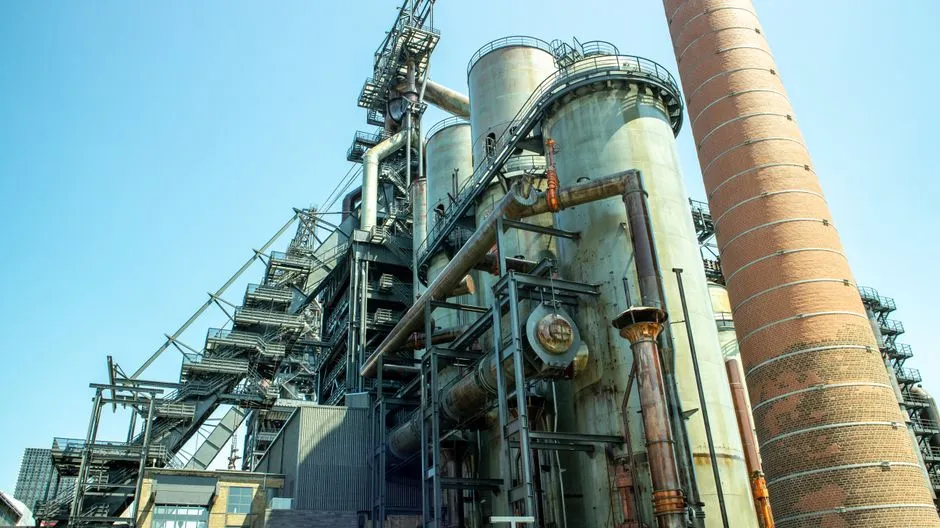
UASB is most defensible when methane recovery and high-rate anaerobic organic-load removal are project priorities, provided the feed can be balanced and the residual effluent receives suitable post-treatment.
| Treatment route | Potential project strength | Principal limitation to resolve | Decision question |
|---|---|---|---|
| UASB | Anaerobic organic-load removal with methane recovery; suitable for high-strength feed when stabilized. | pH sensitivity, loading control, solids management and potentially incomplete final effluent polishing. | Is biogas utilization or load reduction more valuable than a simpler aerobic route? |
| Aerobic activated sludge | Aerobic polishing without relying on anaerobic methane production. | No biogas recovery from the aerobic process; aeration and sludge-handling requirements remain. | Can the site operate the required aeration and sludge system reliably? |
| Sequencing batch reactor | Flexible biological treatment and a possible route to a more controlled polishing stage. | Cycle operation, hydraulic response and final-solids performance must be evaluated for the actual feed. | Does the required operating flexibility justify the selected biological configuration? |
| Anaerobic lagoon | Low-energy gravity-based anaerobic treatment. | Large footprint and site-dependent performance; supplied research does not quantify a comparable distillery full-scale result. | Does available land and climate support the required treatment performance? |
| UASB plus aerobic treatment | Combines methane-producing load reduction with aerobic polishing. | More equipment and operating interfaces than UASB alone. | Does the hybrid train provide the required final effluent more robustly? |
The evidence favors viewing UASB as a process option rather than an automatic choice. Study S4 produced 88.7% COD removal in its diluted run and a maximum of 57.1% in the undiluted run. The difference shows how feed characterization and dilution or stream balancing can dominate the outcome. In the same study, aerobic post-treatment increased overall COD removal to 96.5%, supporting a hybrid decision rather than a binary UASB-or-nothing approach.
No supplied study directly compares UASB with aerobic activated sludge, sequencing batch reactors or anaerobic lagoons under one controlled distillery-wastewater basis. Those alternatives should therefore be compared using the same site influent, required effluent, footprint, reuse objective, sludge route and energy assumptions—not by transferring removal percentages between unrelated studies.
Run a pilot test or equivalent site-specific validation when the wastewater differs materially from the research feedstock, the project depends on a specific discharge guarantee, or dilution and stream balancing remain unresolved. That validation should test the proposed reactor configuration under the intended loading and temperature conditions.
How to Request and Evaluate a UASB Supplier Proposal?
A comparable UASB quotation must define the reactor, treatment train, operating basis and acceptance obligations; otherwise, headline removal claims cannot be compared reliably.
- Require the configuration: state whether the reactor is single-stage or multi-staged, and provide working volume, number of stages, operating temperature, hydraulic retention time, design organic loading rate and influent design envelope.
- Require the feed basis: provide wastewater flow and diurnal profile, COD, biodegradability, pH range, alkalinity, temperature and the method used to characterize the feed.
- Define start-up and seed: identify the seed-sludge source, expected inventory, commissioning loading sequence, hold points and acceptance of stable biological performance.
- Define the equipment boundary: include feed conditioning, pH adjustment, gas handling, controls, post-treatment, sludge handling, utilities and site works.
- Require a mass balance: show COD loading, methane or biogas production, residual solids, sludge yield and which treatment stage is responsible for final effluent compliance.
- Classify every performance claim: distinguish measured pilot results, modeled predictions, design allowances and contractual guarantees.
- Agree acceptance criteria: define test conditions, sampling, duration, startup exclusions and remedies before comparing bids.
- Plan long-term support: require upset-recovery procedures, operator training, monitoring deliverables, spare parts and a sludge-stability management plan.
The supplied research does not establish a universal compliance limit, standard reactor price or current delivery schedule. A bid without a project-specific design basis and acceptance test is therefore incomplete. For pretreatment, assess whether the wastewater contains solids, oil or grease that require DAF pretreatment for distillery wastewater; a broader assessment of DAF versus clarifier selection for food and beverage wastewater may help define that scope.
Where membrane-based aerobic polishing or reuse is being evaluated, the MBR membrane bioreactor wastewater treatment system is a relevant downstream option to include in the technical comparison. It should not be added automatically: the required effluent quality, reuse application and operating responsibility must justify it.
Finally, ask bidders to identify what is excluded. Claims that a UASB alone will meet a final discharge or reuse specification may contradict the supplied evidence: Study S4’s 96.5% overall COD removal required aerobic post-treatment after UASB.
Frequently Asked Questions
How should a UASB reactor for distillery wastewater be sized?
Size it from both hydraulic capacity and organic loading rather than reactor volume alone. The supplier needs influent flow and its profile, COD, biodegradability, pH, alkalinity and temperature. It must then state hydraulic retention time, design organic loading rate, start-up regime and the operating envelope used for any removal guarantee. The research provides pilot and study-specific loading results, not a universal full-size value.
How should a UASB supplier be selected?
Select against a project-specific design basis and contractual acceptance criteria. Require the bidder to disclose reactor configuration, working volume, feed assumptions, controls, gas system, start-up plan, pretreatment and post-treatment scope. Pilot results, modeled predictions, design allowances and guaranteed performance must be labeled separately so that an attractive removal percentage does not replace an auditable design.
What is the compliance risk if UASB effluent is not treated further?
UASB effluent may require post-treatment, and the discharge or reuse specification must be allocated to a defined treatment stage. The official U.S. EPA HERO record for Study S4 reported 96.5% overall COD removal only after UASB was followed by aerobically activated sludge reactors. That combined figure cannot be used as a UASB-only guarantee, and the project must determine its applicable compliance requirement rather than rely on a research result.
What information is needed for the cost, price and delivery schedule?
The supplied research contains no current commercial reactor price, installation cost or lead-time evidence. Request a project-specific quotation covering reactor geometry, materials, pretreatment, pH and chemical dosing, gas handling, controls, post-treatment, sludge handling, commissioning, utilities, site works, delivery and warranty. Obtain the quotation and schedule from the supplier rather than extrapolating a pilot study into a commercial budget.
Can the cited UASB pilot results be used as performance guarantees?
No. The cited results come from different reactor scales, feedstocks, configurations, temperatures, durations and operating conditions. They establish technical feasibility and identify loading behavior, but they do not guarantee performance on a different site. Convert the selected evidence into site-specific design inputs, validate them where necessary and define enforceable acceptance tests for the commercial train.