Which Rules Control a Breckenridge Sewer Discharge?
Mining and metals plants near Breckenridge meet sewer pretreatment requirements through a permit-specific treatment train, not a generic equipment package. The governing sequence is 40 CFR Part 430 for ore mining and dressing, Part 433 for metal finishing, and the local POTW industrial discharge permit under 40 CFR Part 403. Equipment should be selected only after the current sewer permit, local limits, monitoring duties, BMPs, and wastewater blend are established.
40 CFR Part 430 addresses categorical pretreatment standards for ore mining and dressing, while Part 433 covers metal-finishing operations, including electroplating, printed-circuit manufacture, and surface-finishing rinsate. Part 403 establishes the national pretreatment framework, but the POTW applies its approved local limits at the industrial user’s end-of-pipe connection. EPA’s pretreatment standards and local limits guidance explains that local limits can be numeric or narrative and are intended to protect the POTW, its sludge processes, and receiving waters.
For an indirect sewer discharge, the POTW industrial discharge permit is the immediate design document. For a direct discharge to waters of the United States, an NPDES permit and applicable effluent guidelines instead govern. Part 440 belongs to the direct-discharge framework for ore-mining and dressing facilities; it should not be substituted for Part 403 local limits at an indirect discharger. A regional comparison is provided in the mining and metals pretreatment limits reference.
| Document | Applicability | Decision it controls |
|---|---|---|
| 40 CFR Part 430 | Ore mining and dressing categorical pretreatment standards | Applicable categorical pollutants and limits |
| 40 CFR Part 433 | Metal finishing categorical pretreatment standards | Limits for electroplating, printed-circuit, and surface-finishing rinsate |
| 40 CFR Part 403 | National pretreatment framework | Prohibited discharges, local limits, SIU permitting, monitoring, and enforcement |
| Current POTW industrial discharge permit | Indirect discharge through the industrial user’s connection | Binding local limits, monitoring, BMPs, slug control, fees, and reporting |
| NPDES permit and applicable effluent guidelines | Direct discharge to waters of the United States | Permitted effluent limits and discharge conditions |
Before requesting equipment bids, obtain the current POTW industrial discharge permit, local limits, sewer-use ordinance, monitoring requirements, slug-control requirements, and approved BMPs. A permit writer should identify whether the plant is a significant industrial user, identify every regulated constituent, distinguish daily-maximum from monthly-average limits, and state the sampling point and protocol. Also confirm whether the local authority requires pretreatment slug controls or an approved alternative control plan.
Build the Design Basis from the Actual Wastewater Blend
The treatment train must be sized around the combined peak flow and worst-case pollutant load, because average flow does not represent storm, campaign, or upset conditions. Mining wastewater is a superposition of pit dewatering, concentrator slurry water, contact stormwater, acid mine drainage, tailings-related flows, and finishing-shop rinsate, and each stream has a different pollutant fingerprint.
Acid mine drainage is commonly the controlling stream. It can have pH 2–4, sulfate from 1,000–5,000 mg/L, elevated TDS, and high dissolved iron, as reported in HydropureWater’s US mining pretreatment compliance guide dated 2026. Its low pH consumes alkalinity, while sulfate and dissolved metals can foul downstream biological and membrane processes. Concentrator water adds suspended solids, flotation reagents, oils, and process-dependent compounds; finishing rinsate can introduce cyanide, metals, fluoride, and cleaner residues.
Document hourly and daily peak flow, average flow, seasonal rainfall, storm contribution, ore grade, mill throughput, campaign versus continuous operation, and the anticipated blending rule. Use a 24-hour composite sampler with online pH and conductivity monitoring at the headworks as the minimum defensible monitoring basis described in the 2026 compliance guide. Size each stage against the worst-case composite, not the average.
The same source identifies a 20–30% design margin above the permit limit as standard practice, while also requiring confirmation through site-specific influent testing. Treat that as a procurement check, not a substitute for characterization. Ask the laboratory to analyze flow-paced and time-paced composites across operating and storm conditions, then reconcile the results with the POTW’s required sampling protocol.
| Design input | Why it matters | Information needed before sizing |
|---|---|---|
| Hydraulics | Determines equalization, treatment, and pumping capacity | Hourly and daily peak flow; seasonal and storm flows |
| Metals and acid load | Controls pH adjustment and reagent demand | Dissolved metals, pH alkalinity demand, sulfate, and source-specific concentrations |
| Organic and reagent load | Controls cyanide treatment, biological polishing, and membrane protection | COD, ammonia, free and WAD cyanide where applicable, and oil and grease |
| Solids load | Controls equalization, flocculation, clarification, and sludge handling | TSS, settleable solids, and flow-weighted solids mass |
| Permit envelope | Determines guaranteed targets and fail-safe operation | Daily-maximum and monthly-average local limits, monitoring points, and slug requirements |
Equipment selection should wait until the permit writer and process engineer agree on the design basis. The mining and metals pretreatment limits guide describes how ore type, AMD, and discharge-versus-reuse economics change the applicable train.
Follow Each Treatment Stage to a Measurable Permit Output
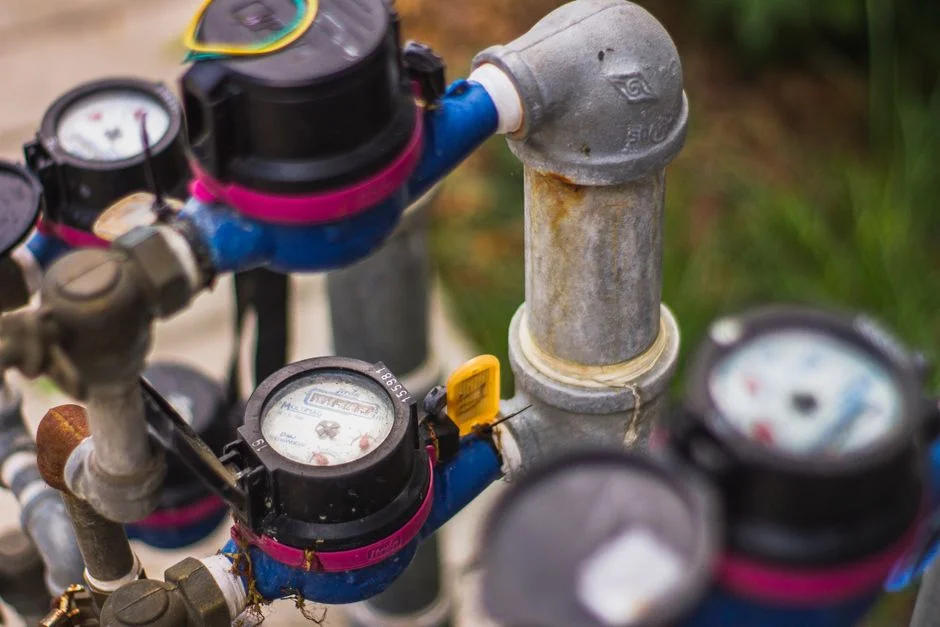
Each treatment stage should answer one compliance question: which pollutant class it removes, what measurable output it must achieve, how it fails, and which downstream unit is exposed when control is lost. A flow diagram without those acceptance points is not a defensible treatment train.
- Equalization: Place it first because flow and load change with ore grade, mill throughput, campaigns, and storms. Its measurable function is to reduce short-duration load and pH shocks before chemical dosing. Loss of storage or controls can overload precipitation, clarification, and biological systems.
- pH adjustment and hydroxide precipitation: Lime or NaOH can remove copper, zinc, nickel, and other divalent metals. The 2026 compliance guide states that copper begins precipitating near pH 6.5 and is fully removed by pH 8.5; zinc follows between pH 7 and 9. A pH 9.0–10.0 window can capture copper, zinc, nickel, and most divalent metals. However, chromium(III) and aluminum can resolubilize above approximately pH 10.5, so staged dosing and online pH probes are necessary.
- Sulfide precipitation: Use it when the local limit for lead, mercury, or cadmium is at or below 0.1 mg/L and hydroxide cannot reliably achieve compliance. The 2026 compliance guide reports achievable lead below 0.1 mg/L, mercury below 0.01 mg/L, and a sulfide residual of 0.01–0.05 mg/L. Sodium hydrosulfide can release hydrogen sulfide if pH falls, requiring sealed equipment and toxic-gas controls.
- DAF or clarification: A DAF system for mining wastewater solids removal is appropriate where oil and grease, floatable reagents, or colloidal solids control the permit. The 2026 source cites 80–95% oil-and-grease removal, TSS below 30 mg/L, air-to-solids ratios of 0.005–0.06, and recycle of 10–30%. A lamella clarifier is an alternative or complement for precipitation sludge; the same source cites surface loading of 20–40 m/h and up to 30% lower chemical consumption.
- Biological polishing: An MBR system for mining pretreatment polishing is justified when ammonia, cyanide-breakdown products, or variable organics threaten biological or membrane processes. The cited outputs are COD removal above 95%, ammonia-nitrogen removal above 90%, and TSS below 5 mg/L, with MLSS of 8,000–12,000 mg/L and HRT of 6–12 hours.
- Polishing and membranes: Multi-media filtration with chlorine dioxide or UV provides low-solids and microbial control; the cited chlorine dioxide residual is 0.1–0.5 mg/L, while UV exposure is 30–40 mJ/cm². RO is appropriate where dissolved metals, sulfate, or reuse requirements justify it. The research reports more than 99% rejection of dissolved metals and salts and 50–70% recovery for AMD and high-sulfate streams to manage sulfate scaling. Ion exchange should follow DAF or clarification because oil, grease, and hardness can foul it quickly.
| Stage | Permit-relevant output | Fail-safe condition | Downstream exposure |
|---|---|---|---|
| Equalization | Stable hydraulic and load envelope | High level or bypass | All treatment stages |
| Hydroxide precipitation | Dissolved-metal removal at controlled pH | High/low pH or excessive residual alkalinity | Solids separation, sludge system, sewer connection |
| Sulfide precipitation | Lead, mercury, and cadmium polishing | Incorrect sulfide residual or acidic transfer | Clarifier and downstream biological process |
| DAF or lamella clarifier | Oil-and-grease and TSS reduction | Scum carryover or solids carryover | Filtration, RO, biological stage |
| MBR | COD, ammonia, and TSS reduction | Excess MLSS, membrane fouling, or feed toxicity | RO and reuse loop |
| RO | Dissolved metals and salt rejection | Scaling, high SDI, or loss of recovery | Reuse system or concentrate management |
Treat Precipitation Sludge as Part of the Permit
Precipitation sludge is a regulated residual, not a by-product that can be left outside the equipment scope. The 2026 compliance guide states that hydroxide or sulfide precipitate can be RCRA-hazardous by TCLP when it contains regulated lead, cadmium, mercury, or arsenic. It identifies disposal cost—not precipitation chemical cost—as the line item that can dominate long-term operating expense.
The typical sequence is sludge thickening, polymer conditioning with anionic or cationic polyacrylamide, plate-and-frame dewatering, and filtrate return to the head of the treatment train. Returning filtrate is a process requirement, not an optional convenience: it recycles dissolved metals and residual reagents back to the controlled treatment front end.
A plate-and-frame filter press for mining sludge dewatering can produce cake at 30–45% dry solids according to the 2026 compliance guide. PLC-controlled polymer dosing tied to feed solids materially changes cake quality and disposal volume. The same source gives an annual comparison of 200 versus 320 landfill truckloads as a source example, not a universal Breckenridge estimate.
Require every bidder to identify sludge yield, polymer demand, cake dry solids, filtrate return arrangement, and residual classification basis. Before ordering, confirm the waste-characterization method and the receiving facility’s acceptance criteria against the current permit. A low bid that omits sludge dewatering or assumes acceptance at an unverified classification does not provide an auditable disposal pathway.
Choose Between Sewer Discharge, Reuse, and ZLD
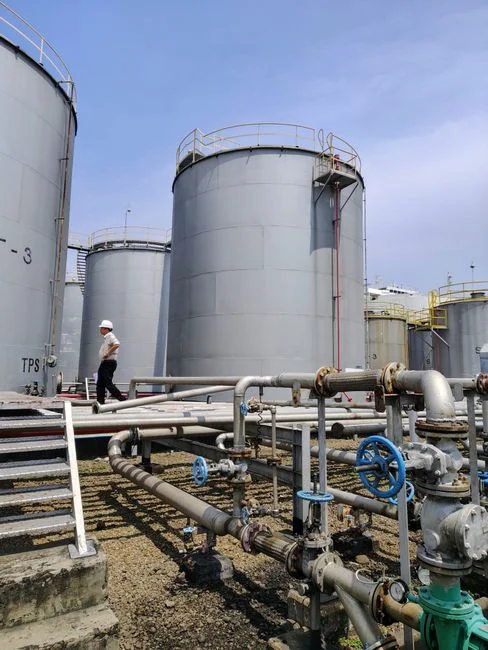
The economic choice is between paying to treat and discharge water, recovering water for internal use, or eliminating liquid discharge through zero-liquid-discharge treatment. The decision should follow permit access, water value, residual obligations, and the expected trajectory of local limits—not a generic technology preference.
| Option | Principal benefits | Principal operating exposure | Best fit |
|---|---|---|---|
| Pretreatment to sewer | Uses available sewer capacity; avoids thermal treatment | POTW fees, chemicals, sludge disposal, permit-renewal exposure, and monitoring | Accepting POTW with adequate capacity and discharge authorization |
| Partial reuse with RO or UF polish | Reduces freshwater intake and POTW volume | Membrane fouling, scaling, reject management, and additional controls | Sites with valuable process-water demand and a credible internal reuse loop |
| Full ZLD | Eliminates liquid sewer discharge | Thermal energy and brine-concentrator exposure | No available sewer outlet or zero-liquid-escape requirements |
The 2026 compliance guide states that RO-enabled internal reuse can reduce freshwater intake by 40–60% versus once-through operation. That is a lifecycle input, not proof of a project saving: freshwater value, RO recovery, concentrate disposal, membrane replacement, and operating labor must be priced locally.
For sewer discharge, compare POTW fees, chemical consumption, sludge disposal, monitoring, and renewal exposure. For reuse, add incoming-water cost and reject handling. For ZLD, include thermal energy and the residual-concentrator maintenance burden. Mining accounted for under 1% of total US water demand based on 2015 figures cited in DOE/OSTI studies in the 2026 compliance guide; nevertheless, local scarcity and community expectations can make reuse economically material.
Do not advance to an equipment quote until the receiving authority confirms discharge capacity and the reuse and ZLD concepts have been evaluated against the actual permit, water balance, and residual plan. The US mining pretreatment compliance guide provides a broader decision framework.
Use This Pretreatment Equipment Procurement Checklist
A comparable bid should identify the permit, design basis, treatment performance, and residual pathway before it presents equipment prices. Require bidders to state the design flow, design pollutant loads, included source streams, and governing permit limits. Generic removal claims are not guarantees against a POTW’s end-of-pipe limits.
- Require guaranteed effluent targets tied to the final permit and composite-sampling protocol.
- Require chemical consumption, sludge yield, residual-classification basis, filtrate-return arrangement, utilities, footprint, control philosophy, and maintenance access.
- Require a stormwater, bypass, slug-load, and upset-response concept, including how the plant protects downstream equipment.
- Require pilot testing of precipitation when AMD contains competing chelants such as EDTA, citric acid, or ammonia, because they can bind metals and defeat hydroxide precipitation.
- Identify base-scope equipment separately from optional RO, ZLD, reuse pumping, storage, and residual-disposal services.
- State the monitoring sample points, instruments, calibration responsibilities, data outputs, and permit-reporting support.
Procurement should also test deliverability: identify the permitted footprint, electrical service, chemical storage, access routes, schedule assumptions, and lead-time dependencies. Ask whether guarantees are contingent on a specific influent envelope and whether the supplier must provide pilot results, startup support, operator training, and warranty performance tests. These checks convert an equipment quotation into a permit-to-equipment assurance package.
Frequently Asked Questions
What permit and technical data should a Breckenridge plant send with an equipment request?
Send the current POTW industrial discharge permit, local limits, sewer-use ordinance, monitoring and slug-control requirements, approved BMPs, stream-by-stream flow and pollutant data, worst-case composite results, and the proposed sampling point. Also provide the reuse objective, utilities available at the site, residual-disposal constraints, and the design envelope used by the supplier. These inputs allow each bidder to price the same compliance problem.
How much treatment capacity should be reserved, and why is average flow insufficient?
Size hydraulic and pollutant-load capacity around the controlling worst-case composite, not average discharge. The 2026 compliance guide identifies a 20–30% margin above the permit limit as standard practice and requires confirmation through site-specific influent testing. Ask the supplier to show which assumption governs each piece of equipment and how equalization storage protects the train during storms, campaigns, or slug loads.
When are DAF, a lamella clarifier, MBR, and RO warranted?
DAF is warranted for oil and grease, floatable reagents, and colloidal solids; a lamella clarifier is an alternative or complement for precipitation solids. MBR is warranted when ammonia, cyanide-breakdown products, or variable organics require biological polishing or membrane-feed protection. RO is warranted when dissolved metals, sulfate, or reuse requirements justify additional separation and energy. The final selection must follow influent chemistry and permit outputs rather than equipment availability.
What should supplier bids include for sludge handling, controls, and guarantees?
Require the bid to state sludge yield, polymer demand, expected cake dry solids, filtrate-return arrangement, residual-characterization basis, and the disposal pathway. Controls should specify pH, ORP where sulfide is used, flow, conductivity, level, and permit-monitoring functions. Guarantees should reference the final permit limits, composite protocol, defined influent envelope, test duration, remedy for noncompliance, and exclusions.
When should sewer discharge be compared with reuse or ZLD?
Compare all three options when the site has a reusable process stream, a restricted sewer connection, rising POTW fees, or local expectations for water conservation. Use long-run POTW fees, incoming-water cost, sludge-disposal cost, membrane and thermal operating costs, and expected tightening of local limits in the comparison. Request site-specific pricing rather than accepting a generic estimate, especially where no sewer outlet is available or zero-liquid-escape requirements apply.
Related Equipment
- DAF system for mining wastewater solids removal — specifications, capacity range, and technical data