Why Greece’s Sewage Treatment Equipment Market Demands a Data-Driven Supplier Comparison in 2025
Greek Presidential Decree 56/2012 strictly enforces the EU Urban Waste Water Directive 91/271/EEC, requiring secondary treatment for all agglomerations exceeding 2,000 Population Equivalent (PE) by 2027, according to Hellenic Ministry of Environment data from 2024. This regulatory landscape places significant pressure on municipal engineers and industrial facility managers to select compliant, efficient, and cost-effective sewage treatment equipment. Historical data indicates that municipal WWTPs in Greece have faced 30–50% cost overruns due to supplier misalignment, as evidenced by the Thessaloniki WWTP upgrade in 2023. industrial sectors such as food processing, textiles, and pharmaceuticals must adhere to stricter discharge limits (e.g., COD < 125 mg/L) under Greek Joint Ministerial Decision 145116/2011, making precise technical evaluation critical.
Procurement decisions in this environment are complex, often plagued by three common pitfalls. First, underestimating Operational Expenditure (OPEX), particularly for energy-intensive systems, can lead to long-term financial strain. Second, neglecting the importance of local service networks can result in costly downtime and delayed maintenance, especially for remote island communities. Third, overlooking nuanced EU and Greek compliance requirements for specific discharge parameters risks hefty penalties and project delays. A structured, data-driven comparison of sewage treatment equipment suppliers in Greece is essential to mitigate these risks, ensuring projects for 2025 are both technically sound and financially viable.
Top 5 Sewage Treatment Equipment Suppliers in Greece: Technical Specs, Capabilities & Compliance
Evaluating sewage treatment equipment suppliers in Greece requires a detailed assessment of their technical performance, service offerings, and adherence to stringent EU and Greek regulations. The market features several key players, each with distinct strengths. Ecotech, Wastetech, TEMAK, Fluid Control, and ADE Marine represent the predominant options, offering a range of solutions from compact package plants to large-scale municipal WWTPs. A direct comparison reveals significant differences in their core technologies, removal rates, energy efficiency, and overall service models, which are critical for procurement decisions.
| Feature | Ecotech | Wastetech | TEMAK | Fluid Control | ADE Marine |
|---|---|---|---|---|---|
| Core Technologies | MBR, DAF, Package Plants, Aeration | MBR, DAF, Aeration (HST™ Turbocompressor) | RO Systems, Package Plants, Chemical Dosing | Desalination, Filtration, Chemical Treatment | Marine Sewage Treatment, Oil/Water Separators |
| Typical TSS Removal | 95% | 92% | 90% (for package plants) | Varies (filtration focus) | 90% (marine focus) |
| Typical BOD Removal | 90% | 88% | 85% (for package plants) | Varies (pre-treatment) | 85% (marine focus) |
| Energy Efficiency (kWh/m³ treated) | 0.3–0.8 (MBR) | 0.2–0.7 (Aeration optimized) | 0.5–1.2 (RO systems) | 0.4–1.0 (desalination) | 0.3–0.6 (compact marine) |
| EU Compliance | EN 12566-3 (package plants) | ISO 9001:2015, EN 12255 (WWTPs) | ISO 9001:2015, CE | CE (for specific components) | IMO MEPC.227(64) |
| Service Coverage | Athens & Regional Greece | Athens & Regional Greece | National (incl. islands) | Athens & Industrial zones | Greek Islands & Coastal |
| Turnkey Capabilities | Full (design, civil, O&M) | Full (design, civil, O&M) | Limited (equipment supply, some O&M) | No (component supply) | No (equipment supply) |
Ecotech, a long-standing player, offers robust OEM equipment and full turnkey solutions, often meeting EN 12566-3 standards for compact package sewage treatment plants suitable for various applications. Wastetech distinguishes itself with advanced aeration systems, such as the HST™ Turbocompressor, contributing to high TSS removal rates and overall system efficiency, while also providing full turnkey services. TEMAK, while widely recognized for commercial water treatment systems, including reverse osmosis (RO) systems with an energy efficiency range of 0.5–1.2 kWh/m³ for desalination, also supplies package sewage treatment plants and chemical dosing solutions relevant for nutrient removal. Fluid Control primarily specializes in desalination and general water treatment equipment, making their offerings less directly applicable to municipal or industrial sewage treatment without significant customization. Similarly, ADE Marine focuses on marine sewage treatment systems for vessels and offshore installations, which, while high-performing for their niche, are less relevant for land-based municipal or industrial wastewater treatment needs in Greece.
Cost Benchmarks for Sewage Treatment Equipment in Greece: 2025 CAPEX, OPEX & ROI Analysis
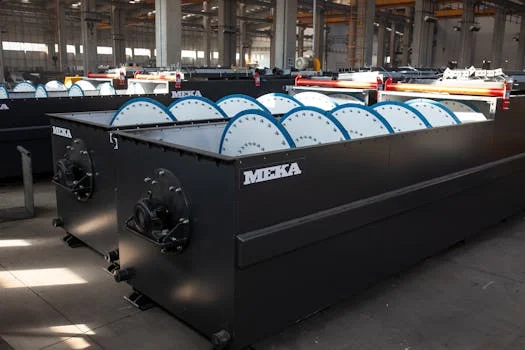
Budgeting for sewage treatment projects in Greece for 2025 requires a clear understanding of both Capital Expenditure (CAPEX) and Operational Expenditure (OPEX), alongside potential Return on Investment (ROI). The cost landscape varies significantly based on technology, capacity, and the extent of turnkey services. For instance, a compact package sewage treatment plant for Greek islands and small communities, such as the WSZ Series underground integrated sewage treatment plant, can range from €50K to €300K in CAPEX.
| Equipment Type | CAPEX Range (€) | Typical OPEX (€/m³/year) |
|---|---|---|
| Package Plants (e.g., WSZ Series) | €50K–€300K | €0.15–€0.40/m³ |
| MBR Systems (e.g., MBR integrated wastewater treatment system) | €200K–€1.2M | €0.30–€0.80/m³ |
| DAF Systems (e.g., dissolved air flotation (DAF) system) | €80K–€500K | €0.20–€0.50/m³ |
| Turnkey Municipal WWTPs | €1M–€2M+ | €0.25–€0.60/m³ |
Key cost drivers include energy consumption, particularly for MBR systems due to energy-intensive aeration, which can constitute a significant portion of the €0.30–€0.80/m³ OPEX. Membrane replacement for MBR systems, typically priced at €15–€30/m² every 5–8 years, is another substantial periodic cost. For DAF systems, chemical costs for coagulants and flocculants can range from €0.05–€0.15/m³, influencing the €0.20–€0.50/m³ OPEX. Turnkey municipal WWTPs, costing €1M–€2M+, include civil works, design, and often long-term O&M contracts.
The Return on Investment (ROI) for these systems is often driven by compliance adherence and potential subsidies. For example, a €250K package plant serving a 500 PE community can save approximately €50K/year in avoided compliance penalties compared to having no treatment, yielding a payback period of about 5 years. Greek subsidies under programs like the National Strategic Reference Framework (NSRF) 2021–2027 can cover 50–80% of CAPEX for eligible municipal projects, significantly improving financial viability and accelerating payback periods for municipal WWTP costs Greece.
How to Choose the Right Sewage Treatment Equipment for Your Greek Project: A 2025 Decision Framework
Selecting the optimal sewage treatment equipment for a Greek project in 2025 involves a systematic decision framework that aligns project requirements with appropriate technologies and suppliers. This framework helps navigate the complexities of influent characteristics, discharge limits, site constraints, and budget considerations.
Decision Tree Flowchart (Text-based):
- What’s your influent flow rate?
- If <10 m³/h: Consider a package plant (e.g., WSZ Series).
- If 10–500 m³/h: Evaluate MBR or DAF systems.
- If >500 m³/h: Requires a custom-designed WWTP.
- What contaminants need removal?
- If primarily BOD/TSS only: DAF (e.g., HydropureWater DAF system) is often sufficient.
- If nutrients (nitrogen, phosphorus) are critical: MBR (e.g., MBR integrated wastewater treatment system) is generally required.
- If pathogens are a concern (e.g., for reuse): Consider post-treatment with chlorine dioxide or ozone.
- What’s your footprint constraint?
- If space is limited or aesthetics are important: An underground WSZ Series package plant is ideal.
- If above-ground installation is acceptable: MBR or DAF systems offer flexibility.
- What’s your budget?
- CAPEX: Package plants < DAF < MBR.
- OPEX: DAF < Package plants < MBR (generally, due to energy/membrane costs).
- Do you need turnkey service (design, civil works, O&M)?
- If yes: Focus on suppliers like Ecotech or Wastetech.
- If no, only equipment supply: Broader supplier options are available.
Real-world Scenarios:
- Scenario 1: A 200 PE residential community in Crete requires compliant wastewater treatment with minimal footprint.
- Recommendation: A compact WSZ Series underground integrated sewage treatment plant (€120K CAPEX), supplied by Ecotech for local service and compliance.
- Scenario 2: A 1,000 m³/h textile factory in Thessaloniki needs to treat high COD/BOD loads before discharge.
- Recommendation: A combined DAF system for primary treatment followed by an MBR membrane bioreactor for secondary treatment (€800K CAPEX), potentially from Wastetech for their industrial expertise. This also highlights when to choose DAF over sedimentation for Greek industrial projects.
- Scenario 3: A 50-bed hospital in Athens needs to treat medical effluent to strict discharge limits.
- Recommendation: A compact medical wastewater treatment system (€90K CAPEX), offered by TEMAK or another specialized supplier, ensuring compliance with Greek Joint Ministerial Decision 145116/2011.
It is crucial to avoid oversizing, where an MBR for <50 m³/h flow rates can be an unnecessary capital and operational expense. Conversely, undersizing, such as deploying package plants for >80 m³/h in situations demanding higher treatment efficacy, risks non-compliance with Greek WWTP discharge limits.
EU and Greek Compliance Checklist: What Your Sewage Treatment Equipment Must Achieve in 2025
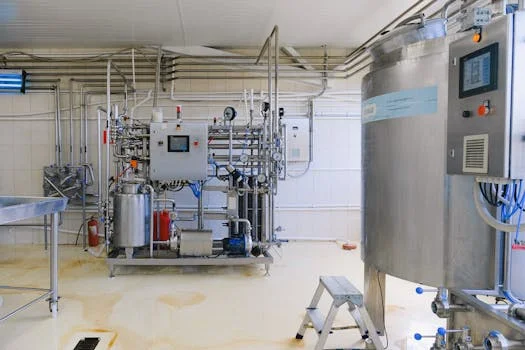
Ensuring sewage treatment equipment meets Greece’s stringent regulatory requirements is paramount for any project in 2025. Compliance with the EU Urban Waste Water Directive 91/271/EEC, enforced by Greek Presidential Decree 56/2012, dictates specific discharge limits and mandates certain certifications and documentation. Neglecting these can lead to significant fines and operational disruptions.
| Parameter | Greek/EU Limit (mg/L) |
|---|---|
| BOD₅ | <25 (EU 91/271/EEC, Greek PD 56/2012) |
| TSS | <35 (EU 91/271/EEC) |
| Total Nitrogen (TN) | <15 (for sensitive areas, e.g., Aegean islands) |
| Total Phosphorus (TP) | <2 (for sensitive areas) |
| E. coli | <1,000 CFU/100mL (for reuse, per Greek Joint Ministerial Decision 145116/2011) |
Beyond these specific Greek WWTP discharge limits, several certifications are mandatory for sewage treatment equipment:
- CE marking: Essential for all equipment sold within the EU. Specifically, EN 12566-3 applies to package plants, while EN 12255 is relevant for larger wastewater treatment plants.
- ISO 9001:2015: This quality management system certification, held by suppliers like Wastetech and TEMAK, indicates a commitment to consistent product quality and service.
- Greek Ministry of Environment approval: Required for all municipal wastewater treatment projects in Greece, ensuring local regulatory alignment.
Comprehensive documentation is also critical for demonstrating compliance throughout the project lifecycle. This includes detailed design reports, hydraulic calculations, and process flow diagrams. operation & maintenance manuals must be provided, preferably in Greek, to facilitate local personnel training and effective system management. Third-party performance testing reports, verifying removal rates for parameters like TSS and BOD, are often necessary to validate the system's adherence to the stipulated Greek wastewater treatment regulations.
Vendor Selection Checklist: 10 Questions to Ask Before Signing a Contract with a Greek Supplier
A thorough vendor selection process is crucial for successful sewage treatment projects in Greece. Before committing to a contract, procurement officers should evaluate potential suppliers against a comprehensive set of technical, financial, and service-oriented criteria. This checklist provides 10 key questions to guide the evaluation, helping identify reliable partners and avoid costly missteps.
- Can you provide a reference list of similar projects in Greece, including contact details?
- Yes/No Criteria: Presence of relevant, verifiable local projects.
- Red Flag: No local references, or unwillingness to provide contact information for past clients.
- What’s the guaranteed TSS/BOD removal rate for your proposed equipment, and is it backed by performance bonds?
- Yes/No Criteria: Specific, guaranteed performance metrics that meet or exceed Greek/EU discharge limits.
- Red Flag: Vague or non-committal performance claims, or no performance guarantees.
- Do you offer comprehensive turnkey solutions encompassing design, civil works, equipment supply, installation, and Operation & Maintenance (O&M)?
- Yes/No Criteria: Full-scope project delivery capabilities.
- Red Flag: Only equipment supply, leaving critical integration and O&M responsibilities to the buyer.
- What’s the estimated lead time for equipment delivery and full system installation?
- Yes/No Criteria: Realistic and clearly defined timelines.
- Red Flag: Lead times exceeding 6 months for package plants or lack of a detailed project schedule.
- What is the warranty period for both the equipment and the workmanship of the installation?
- Yes/No Criteria: Minimum 2-year warranty on equipment and installation.
- Red Flag: Warranty periods less than 2 years or exclusions for critical components.
- Do you have a dedicated local service team in Greece capable of providing timely support and spare parts?
- Yes/No Criteria: Established local presence for technical support and maintenance.
- Red Flag: Reliance on international support or a lack of readily available local spare parts.
- Can you provide a detailed OPEX estimate, broken down by energy consumption, chemical costs, and labor requirements?
- Yes/No Criteria: Transparent and granular operational cost projections.
- Red Flag: Vague or incomplete OPEX estimates.
- Are your systems fully compliant with EU Urban Waste Water Directive 91/271/EEC and Greek Presidential Decree 56/2012? Can you provide all necessary compliance documentation and certifications (e.g., CE, ISO)?
- Yes/No Criteria: Explicit confirmation and provision of verifiable compliance documents.
- Red Flag: Inability to provide complete compliance documentation.
- What is your track record for on-time project completion and within-budget delivery?
- Yes/No Criteria: Evidence of successful project execution through case studies or client testimonials.
- Red Flag: No readily available case studies or references for project management.
- Do you offer flexible financing or leasing options to accommodate municipal or industrial budget constraints?
- Yes/No Criteria: Availability of financial solutions beyond outright purchase.
- Red Flag: No flexibility or limited payment terms.
For a printable version of this comprehensive checklist, download the PDF here.
Frequently Asked Questions
Understanding the nuances of sewage treatment equipment procurement in Greece often raises specific questions. Here are answers to common inquiries from Greek buyers, providing data-driven insights and actionable advice.
Q1: What’s the most cost-effective sewage treatment equipment for a small Greek island?
A1: For small Greek islands, the WSZ Series package plants are typically the most cost-effective solution. With CAPEX ranging from €50K–€150K and low OPEX (€0.15–€0.40/m³), they are designed for populations under 2,000 PE, fitting the requirements of EU 91/271/EEC for secondary treatment. Their compact footprint and ease of installation make them ideal for remote or space-constrained locations.
Q2: How do I ensure my WWTP meets Greek discharge limits for nitrogen and phosphorus?
A2: To meet stringent Greek discharge limits for total nitrogen (<15 mg/L) and total phosphorus (<2 mg/L) in sensitive areas (e.g., Aegean islands), MBR membrane bioreactor systems are highly effective. These systems offer superior nutrient removal compared to conventional activated sludge. Chemical dosing, often integrated into MBR or tertiary treatment stages, can further enhance phosphorus removal, similar to advanced solutions found in France’s MBR systems to achieve EU compliance.
Q3: What’s the typical payback period for a municipal WWTP in Greece?
A3: The typical payback period for a municipal WWTP in Greece ranges from 5 to 10 years, heavily depending on available subsidies and the cost of non-compliance. For instance, a €1M WWTP that helps a municipality avoid €150K/year in penalties due to non-compliance can achieve payback in approximately 6-7 years. Greek NSRF funds can significantly reduce initial CAPEX, accelerating ROI.
Q4: Can I use a package plant for industrial wastewater in Greece?
A4: A package plant can be used for industrial wastewater in Greece only if the influent is pre-treated to reduce high COD/BOD loads to levels suitable for biological treatment. For raw industrial wastewater with high contaminant concentrations, a DAF system or an MBR system is generally a more robust and compliant solution. DAF is particularly effective for removing suspended solids, oils, and greases, offering advantages over conventional sedimentation for industrial applications.
Q5: What certifications do I need for a hospital wastewater treatment system in Greece?
A5: For a hospital wastewater treatment system in Greece, you need CE marking (e.g., EN 12566-3 for package systems), ISO 9001 certification for the supplier, and crucially, compliance with Greek Joint Ministerial Decision 145116/2011, which sets specific limits for medical effluent discharge. A compact medical wastewater treatment system should be designed to meet these specialized requirements, often including disinfection stages for pathogens.