How MBR Systems Work: Mechanism, Membrane Types, and Process Flow
Membrane Bioreactor (MBR) systems represent a significant advancement in wastewater treatment, combining biological degradation with membrane filtration to achieve exceptionally high effluent quality. At its core, the submerged MBR process integrates activated sludge treatment with microfiltration or ultrafiltration (with pore sizes typically ranging from 0.01 to 0.4 µm) within a single tank. This configuration eliminates the need for a secondary clarifier, leading to a more compact and efficient design. The process flow involves influent entering the bioreactor, where microorganisms consume organic pollutants under aeration. Simultaneously, a vacuum or pressure differential draws treated water through submerged membranes, leaving suspended solids and microorganisms behind. Aeration serves a dual purpose: providing oxygen for biological activity and creating a scouring effect to prevent membrane fouling. This continuous scouring, with typical air rates of 0.2–0.5 m³/m²/h, is crucial for maintaining membrane performance and accounts for 30–50% of the total MBR energy consumption. Compared to conventional activated sludge systems, MBRs offer substantial advantages, including a reduced sludge production of 30–50% and modular scalability, allowing for capacities ranging from 10 to 2,000 m³/day.
The choice between flat sheet and hollow fiber membranes is a key consideration. Hollow fiber membranes, often favored in submerged MBR configurations, generally exhibit lower energy consumption (10–20× less than cross-flow systems) due to their efficient packing density and reduced pumping requirements. Flat sheet membranes, on the other hand, can offer robust performance and are often easier to clean physically. The replacement cost for PVDF membranes, a common material, is estimated between €50–€120/m² based on 2024 market data, a factor to be included in long-term operational planning. The inherent design of MBR systems, with effective membrane separation, leads to consistently low levels of Total Suspended Solids (TSS) and a significantly reduced overall footprint compared to traditional methods.
| Component | Typical Percentage of CAPEX | Key Considerations |
|---|---|---|
| Membranes | 30–40% | Pore size, material (PVDF, PES), warranty, manufacturer reputation. |
| Bioreactor Tanks & Housing | 20–30% | Material (concrete, steel), size, pre-treatment requirements. |
| Aeration System | 10–15% | Blower efficiency, air distribution (diffusers), control systems. |
| Pumping & Control Systems | 5–10% | Permeate pumps, chemical dosing, automation, SCADA integration. |
| Installation & Civil Works | 10–20% | Site preparation, foundation, piping, electrical connections. |
MBR vs Conventional Wastewater Treatment: Performance, Footprint, and Energy Trade-offs
When evaluating wastewater treatment technologies for French projects in 2025, a direct comparison between Membrane Bioreactor (MBR) systems and conventional methods like Activated Sludge (AS), Sequencing Batch Reactor (SBR), and Moving Bed Biofilm Reactor (MBBR) is essential. MBR systems distinguish themselves through superior effluent quality, consistently achieving <1 mg/L TSS and <5 mg/L BOD, with pathogen removal rates of 99%. This level of treatment is often sufficient for direct water reuse applications, such as irrigation or industrial process water, aligning with EU water reuse standards. Conventional AS systems typically yield effluent with 10–30 mg/L TSS, necessitating further tertiary treatment for reuse. The most striking advantage of MBRs is their significantly reduced footprint; they require approximately 60% less space than conventional AS systems, a critical factor for projects in space-constrained urban areas like the Carré de Réunion development in Versailles. This footprint reduction can translate into substantial savings on land acquisition and civil works.
In terms of energy consumption, MBRs typically operate in the range of 0.6–1.2 kWh/m³. While this may appear higher than AS systems (0.3–0.6 kWh/m³), the overall energy balance for reuse applications can be favorable. MBRs often eliminate the need for separate tertiary filtration and disinfection steps, which are energy-intensive in conventional plants. This integration can lead to an overall energy reduction of 10–20% when aiming for reuse quality. Sludge production in MBRs is also notably lower, around 30–50% less than AS systems, reducing dewatering and disposal costs. While the initial Capital Expenditure (CAPEX) for MBR systems can be higher than conventional methods, the operational savings, enhanced effluent quality, and reduced footprint often provide a compelling economic and environmental case, particularly for projects with strict discharge limits or water reuse objectives.
| Parameter | MBR | Activated Sludge (AS) | Sequencing Batch Reactor (SBR) | Moving Bed Biofilm Reactor (MBBR) |
|---|---|---|---|---|
| Effluent Quality (TSS, mg/L) | <1 | 10–30 | 10–30 | 10–30 |
| Effluent Quality (BOD, mg/L) | <5 | 10–30 | 10–30 | 10–30 |
| Pathogen Removal (%) | >99 | Variable (requires disinfection) | Variable (requires disinfection) | Variable (requires disinfection) |
| Footprint (m²/m³/day) | 0.1–0.3 | 0.3–0.8 | 0.2–0.6 | 0.15–0.4 |
| Energy Consumption (kWh/m³) | 0.6–1.2 | 0.3–0.6 | 0.4–0.8 | 0.3–0.7 |
| Sludge Production (kg/m³) | 0.3–0.5 | 0.5–0.8 | 0.4–0.7 | 0.4–0.6 |
| CAPEX (€/m³/day) | 1,200–2,500 | 800–1,800 | 900–2,000 | 700–1,600 |
| OPEX (€/m³) | 0.15–0.30 | 0.10–0.25 | 0.12–0.28 | 0.10–0.25 |
For a comprehensive understanding of MBR technology and its alternatives, explore detailed comparison of MBR membrane types.
French and EU Regulatory Compliance for MBR Systems: Standards, Permits, and Effluent Requirements

Navigating the regulatory landscape is paramount for any wastewater treatment project in France. Several key European Union directives and French national standards govern MBR system implementation and operation. The cornerstone EU legislation is the Urban Waste Water Directive 91/271/EEC, which mandates secondary treatment for municipal wastewater and stricter standards for discharges into sensitive areas. The Water Framework Directive 2000/60/EC aims to achieve and maintain "good ecological status" for all water bodies, influencing discharge limits and water quality objectives. For industrial facilities, the Industrial Emissions Directive 2010/75/EU sets Best Available Techniques (BAT) requirements for pollution prevention and control. In France, specific national standards further refine these requirements:
- Arrêté du 21 juillet 2015: Sets discharge limits for municipal wastewater treatment plants, with stricter parameters for BOD (<25 mg/L) and COD (<125 mg/L) in sensitive areas.
- Arrêté du 2 février 1998: Outlines discharge limits for industrial wastewater, tailored to specific industry sectors.
- Arrêté du 2 août 2010: Defines reuse standards for treated wastewater, particularly for agricultural irrigation, specifying parameters like fecal coliforms, helminth eggs, and helminth larvae.
The permitting process for a new wastewater treatment plant or upgrade in France typically involves a comprehensive technical dossier submitted to the relevant authorities, including the Directorate General for Environmental Risk Prevention (DREAL) and local Water Agencies. For water reuse projects, the Regional Health Agencies (ARS) also play a crucial role. The timeline for obtaining permits can range from 6 to 12 months, contingent on project complexity and completeness of documentation, which often includes an Environmental Impact Assessment. MBR systems are particularly well-suited for meeting these stringent French and EU regulations due to their consistent and high-quality effluent. The ability to reliably achieve <1 mg/L TSS and high levels of pathogen removal directly addresses the requirements of the Arrêté du 2 août 2010 for reuse, often eliminating the need for costly and energy-intensive tertiary disinfection steps. This inherent compliance capability simplifies the permitting process and reduces the risk of non-compliance penalties.
| Regulation/Standard | Scope | Key Requirements for MBRs | Relevance to French Projects |
|---|---|---|---|
| EU Urban Waste Water Directive 91/271/EEC | Municipal WWTPs | Secondary treatment (BOD, COD removal); tertiary treatment for sensitive areas. | Mandates minimum treatment levels for all municipalities. |
| EU Water Framework Directive 2000/60/EC | All water bodies | Achieve and maintain good ecological status; stricter discharge limits if needed. | Drives continuous improvement in effluent quality. |
| EU Industrial Emissions Directive 2010/75/EU | Industrial installations | Application of Best Available Techniques (BAT); integrated pollution control. | Applies to industrial wastewater discharges. |
| Arrêté du 21 juillet 2015 (France) | Municipal WWTPs discharge | BOD < 25 mg/L, COD < 125 mg/L for sensitive areas; TSS, N, P limits. | Specific national discharge limits for municipalities. |
| Arrêté du 2 février 1998 (France) | Industrial discharge | Sector-specific limits for various pollutants. | Governs industrial wastewater discharges to public sewers or water bodies. |
| Arrêté du 2 août 2010 (France) | Wastewater reuse (irrigation) | Strict limits on pathogens (fecal coliforms, helminth eggs), TSS, BOD. | Enables MBR effluent for agricultural reuse. |
Cost Breakdown for MBR Systems in France: CAPEX, OPEX, and Payback Period Analysis
For French wastewater projects in 2025, understanding the financial implications of MBR systems is critical. Capital Expenditure (CAPEX) for municipal MBR projects typically ranges from €1,200 to €2,500 per cubic meter per day (m³/day). This cost is influenced by factors such as the chosen membrane type (hollow fiber or flat sheet), the level of automation and control systems, and the extent of civil works required for site preparation and tank construction. For industrial applications, CAPEX can be higher, ranging from €1,800 to €3,500/m³/day, due to more specialized pre-treatment requirements and potentially higher influent pollutant concentrations. Operational Expenditure (OPEX) for municipal MBRs is estimated at €0.15–€0.30/m³, while industrial OPEX can range from €0.25–€0.50/m³.
The primary OPEX drivers include energy consumption (40–50% of total OPEX), which powers aeration and pumping, and membrane replacement (20–30%), a recurring cost that depends on membrane lifespan and fouling rates. Other significant OPEX components are labor (10–15%), chemicals (5–10%), and sludge disposal. Compared to conventional systems, MBR OPEX can be higher if water reuse is not implemented, but the total cost of ownership often becomes competitive when considering the benefits. The payback period for MBR systems in France is heavily dependent on the intended use of the treated effluent. For water reuse applications, such as irrigation or industrial process water, payback periods can range from 5 to 8 years. This is significantly shorter for discharge-only projects, typically falling between 8 to 12 years. The Bassussarry project, utilizing Alfa Laval's MBR technology, achieved a reported payback period of approximately 6 years, largely attributed to the economic benefits derived from reusing treated water for irrigation, thereby reducing reliance on expensive potable water sources.
Several factors contribute to a strong Return on Investment (ROI) for MBR systems:
- Water Reuse Savings: The cost of potable water in France can range from €0.50 to €1.50/m³. Reusing treated wastewater can yield substantial savings.
- Reduced Sludge Disposal Costs: MBRs produce less sludge than conventional systems, leading to lower dewatering and disposal fees, which can range from €50 to €150 per ton.
- Footprint Savings: In urban or high-value land areas, the 60% smaller footprint of MBRs can save significantly on land costs, estimated at €200–€500/m² or more in prime locations.
- Compliance Assurance: Avoiding penalties for non-compliance with stringent discharge limits provides a direct financial benefit.
| Cost Component | Municipal MBR (2025 Est.) | Industrial MBR (2025 Est.) | Key Drivers |
|---|---|---|---|
| CAPEX (€/m³/day) | 1,200–2,500 | 1,800–3,500 | Membrane type, automation, civil works, pre-treatment complexity. |
| OPEX (€/m³) | 0.15–0.30 | 0.25–0.50 | Energy, membrane replacement, labor, chemicals, sludge disposal. |
| Energy Consumption (kWh/m³) | 0.6–1.2 | 0.8–1.5 | Aeration intensity, pumping strategy, membrane fouling. |
| Membrane Replacement Cost (€/m²) | 50–120 (PVDF) | 50–120 (PVDF) | Membrane material, lifespan, warranty. |
| Payback Period (Water Reuse) | 5–8 years | 4–7 years | Water cost savings, sludge disposal savings, reuse volume. |
| Payback Period (Discharge Only) | 8–12 years | 7–10 years | Compliance assurance, footprint savings. |
For detailed cost analysis and local compliance considerations, explore our insights on wastewater treatment plant cost in Nagoya 2025.
Top MBR Suppliers in France: Kubota, Alfa Laval, Veolia, and Local Alternatives
Selecting the right MBR supplier is crucial for the success of a French wastewater project. Several international and local manufacturers offer robust MBR solutions, each with distinct strengths. Kubota is a dominant player, particularly known for its flat sheet membrane modules, holding a significant market share in Europe and the MENA region. Their systems are recognized for reliability and robust performance in municipal applications. Alfa Laval offers advanced hollow fiber membrane systems, emphasizing energy-efficient aeration and integrated solutions, as demonstrated in the Bassussarry project. Veolia is a strong contender, providing comprehensive turnkey solutions and excelling in large-scale municipal wastewater treatment plants, leveraging extensive local expertise and project experience.
Beyond these major international names, French and European companies are also active in the market. Premier Tech has recently expanded its presence in France with a new production site in Montbrison, focusing on wastewater treatment and rainwater management systems, particularly for small-to-medium sized projects. ITREN offers customized MBR solutions tailored for various industrial applications, demonstrating flexibility and specialized expertise. When evaluating vendors, key selection criteria include the membrane warranty (typically 5–10 years), the availability and responsiveness of local service and support networks, demonstrated compliance with French and EU standards, and the system's scalability to accommodate future demand. A thorough vendor comparison, considering these factors alongside technical specifications and cost, will ensure the optimal choice for your specific project needs.
| Supplier | Membrane Type | Typical Energy Consumption (kWh/m³) | Indicative CAPEX (€/m³/day) | Indicative OPEX (€/m³) | Key French Projects/Focus |
|---|---|---|---|---|---|
| Kubota | Flat Sheet | 0.7–1.1 | 1,200–2,000 | 0.15–0.28 | Numerous municipal WWTPs, strong market presence. |
| Alfa Laval | Hollow Fiber | 0.6–1.0 | 1,300–2,200 | 0.18–0.30 | Bassussarry WWTP, focus on energy efficiency. |
| Veolia | Various (often proprietary) | 0.7–1.2 | 1,500–2,500 | 0.20–0.35 | Carré de Réunion, large municipal projects, turnkey solutions. |
| Premier Tech | Flat Sheet / Hollow Fiber | 0.8–1.3 | 1,000–1,800 | 0.15–0.28 | New Montbrison site, small-to-medium projects. |
| ITREN | Various | 0.7–1.2 | 1,300–2,300 | 0.18–0.32 | Custom solutions for industrial applications. |
Frequently Asked Questions
What are the main advantages of MBR systems for French wastewater projects?
MBR systems offer superior effluent quality (<1 mg/L TSS, 99% pathogen removal), enabling water reuse. They also provide a significantly smaller footprint (up to 60% reduction compared to conventional systems), lower sludge production (30–50% less), and consistent compliance with stringent EU and French discharge standards. This makes them ideal for urban projects and applications requiring high-quality treated water.
What is the typical lifespan of MBR membranes, and when should they be replaced?
The lifespan of MBR membranes, such as PVDF types, can range from 5 to 10 years under optimal operating conditions. Replacement is generally dictated by a significant increase in transmembrane pressure (TMP) that cannot be resolved through cleaning, a substantial drop in flux, or membrane degradation. Regular maintenance and proper cleaning protocols are essential to maximize membrane life.
How does MBR energy consumption compare to conventional wastewater treatment?
MBR systems typically consume more energy per cubic meter (0.6–1.2 kWh/m³) than conventional activated sludge systems (0.3–0.6 kWh/m³), primarily due to aeration for membrane scouring and permeate pumping. However, when MBRs replace tertiary filtration and disinfection steps for water reuse, the overall energy consumption for achieving reuse quality can be comparable or even lower.
What are the key regulatory requirements for wastewater reuse in France?
Water reuse in France is governed by the Arrêté du 2 août 2010, which sets strict limits for parameters like fecal coliforms, helminth eggs, TSS, and BOD. MBR systems, with their ability to consistently produce effluent with <1 mg/L TSS and high pathogen removal, are well-suited to meet these demanding reuse standards without additional tertiary treatment.
What is the estimated CAPEX for a municipal MBR system in France for 2025?
For municipal projects in France in 2025, the estimated CAPEX for MBR systems ranges from €1,200 to €2,500 per cubic meter per day (m³/day). This cost can vary based on system size, specific technology chosen, and site-specific civil engineering requirements.
Are there any significant disadvantages to using MBR technology?
Potential disadvantages include higher initial CAPEX compared to some conventional systems, higher energy consumption for aeration and pumping, and the sensitivity of membranes to certain industrial pollutants (e.g., oils, heavy metals) which may require robust pre-treatment. Membrane fouling can also be a concern if not managed properly through effective aeration and cleaning protocols.
How does HydropureWater's integrated MBR system for French projects address local compliance and cost-effectiveness?
HydropureWater's integrated MBR systems are designed to meet stringent EU and French regulations, delivering effluent quality suitable for reuse. Our systems optimize energy consumption and sludge production, contributing to lower OPEX. The modular design allows for scalable CAPEX and efficient installation, providing a cost-effective solution for both municipal and industrial clients in France. We focus on robust membrane performance and reliable operation to ensure long-term compliance and ROI.
Related Equipment
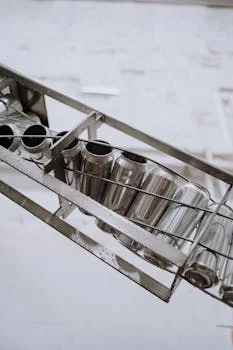
The following HydropureWater products are engineered for the wastewater challenges discussed above:
- HydropureWater's integrated MBR system for French projects — view specifications, capacity range, and technical data
- PVDF flat sheet membranes for submerged MBR applications — view specifications, capacity range, and technical data
Need a customized solution? Request a free quote with your specific flow rate and pollutant parameters.