Wastewater Treatment Plant Cost in Nagoya 2025: Engineering Breakdown, Local Compliance & ROI Calculator
In Nagoya, wastewater treatment plant costs range from ¥50 million ($350,000) for small industrial systems (10–50 m³/day) to ¥12 billion ($85 million) for municipal plants (50,000 m³/day), per 2025 Nagoya Waterworks & Sewerage Bureau benchmarks. Key cost drivers include technology selection (e.g., MBR vs. DAF), land acquisition (¥300,000–¥500,000/m² in industrial zones), and compliance with Japan’s Water Pollution Control Act. This guide provides Nagoya-specific cost breakdowns, regulatory checklists, and an ROI calculator to compare CAPEX/OPEX trade-offs.
Why Nagoya’s Wastewater Treatment Costs Differ from Global Averages
Nagoya’s specific economic and environmental factors significantly elevate wastewater treatment plant costs compared to generic international or even national benchmarks. Land costs in Nagoya’s industrial zones average ¥300,000–¥500,000/m², a stark contrast to ¥50,000–¥100,000/m² in rural Japan, according to the Nagoya City Urban Planning Bureau 2024 data. This premium on real estate makes compact treatment technologies, such as MBR systems for Nagoya’s high land-cost environments, particularly attractive despite higher initial equipment costs. Labor rates for skilled WWTP operators in Nagoya command ¥4,500–¥6,000/hour, approximately 20% higher than the national average due to persistent labor shortages in the Chubu region.
Electricity costs for industrial consumers in Nagoya typically fall between ¥22–¥28/kWh, directly impacting the operational expenditure (OPEX) of energy-intensive systems like membrane bioreactors. Nagoya’s unique wastewater characteristics, heavily influenced by its robust automotive and food processing sectors, often present high industrial Biological Oxygen Demand (BOD) loads and specific pollutants. These require more intensive and specialized pretreatment stages, adding to both capital expenditure (CAPEX) for advanced equipment and ongoing operational costs for chemicals and energy. Understanding these localized cost modifiers is crucial for accurate project budgeting.
| Cost Factor | Nagoya-Specific Data (2025) | Impact on WWTP Project |
|---|---|---|
| Land Acquisition (Industrial Zones) | ¥300,000–¥500,000/m² (Nagoya City Urban Planning Bureau 2024) | Drives demand for compact technologies; significant CAPEX component. |
| Skilled Labor Rates (WWTP Operators) | ¥4,500–¥6,000/hour (20% higher than national average) | Increases OPEX for staffing and maintenance. |
| Industrial Electricity Costs | ¥22–¥28/kWh | Major OPEX driver, especially for aeration and pumping. |
| Wastewater Characteristics | High industrial BOD, specific pollutants from automotive/food processing | Requires advanced pretreatment, increasing CAPEX/OPEX. |
Nagoya Wastewater Treatment Plant Cost Breakdown: CAPEX vs. OPEX by System Size
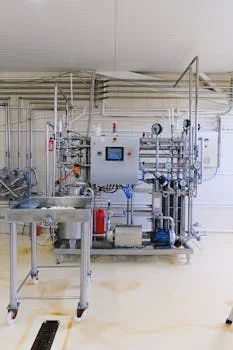
A granular cost model for wastewater treatment plants in Nagoya reveals significant variations between CAPEX and OPEX depending on system size and complexity. For a small industrial system (e.g., 50 m³/day), CAPEX typically ranges from ¥50–¥150 million, comprising land (10%), civil works (30%), equipment (40%), and a 20% contingency. A medium-sized plant (500 m³/day) can expect CAPEX between ¥300–¥800 million, while large municipal or industrial facilities (5,000 m³/day) may incur CAPEX from ¥2 billion to ¥6 billion. These figures account for Nagoya’s elevated land and construction costs.
Operational expenditure (OPEX) is primarily driven by energy (40–50% of total OPEX), chemicals (15–20%), labor (20–30%), and sludge disposal. Sludge disposal costs in Nagoya are substantial, ranging from ¥20,000–¥30,000/ton, reflecting limited landfill capacity and stringent environmental regulations. Permitting costs for Nagoya City approvals through the Waterworks & Sewerage Bureau add another ¥5–¥15 million to the initial project budget. When comparing Japan’s Johkasou systems vs. industrial WWTPs: a cost comparison, industrial plants often face higher per-m³ costs due to specialized treatment requirements. For effective primary treatment in industrial settings, DAF systems for Nagoya’s food processing and automotive wastewater can significantly reduce suspended solids and fats, oils, and grease (FOG), thereby lowering downstream treatment costs.
| Component | Small Plant (50 m³/day) | Medium Plant (500 m³/day) | Large Plant (5,000 m³/day) |
|---|---|---|---|
| CAPEX (¥ Millions) | |||
| Land Acquisition | 5–15 | 30–80 | 200–500 |
| Civil Works & Infrastructure | 15–45 | 90–240 | 600–1,800 |
| Equipment (incl. installation) | 20–60 | 120–320 | 800–2,400 |
| Engineering & Design | 5–10 | 20–40 | 100–200 |
| Permitting & Fees | 5–15 | 5–15 | 5–15 |
| Contingency (15-20%) | 8–25 | 45–120 | 300–900 |
| Total CAPEX (Approx.) | ¥50–¥150 million | ¥300–¥800 million | ¥2–¥6 billion |
| OPEX Breakdown (Annual, % of Total) | |||
| Energy | 40–50% | 40–50% | 40–50% |
| Chemicals | 15–20% | 15–20% | 15–20% |
| Labor | 20–30% | 20–30% | 20–30% |
| Sludge Disposal (¥20,000–¥30,000/ton) | 10–15% | 10–15% | 10–15% |
| Maintenance & Spares | 5–10% | 5–10% | 5–10% |
Nagoya’s Regulatory Compliance Checklist: Avoiding Costly Delays
Navigating Nagoya’s stringent regulatory landscape is paramount for any wastewater treatment project, as non-compliance can lead to substantial fines and project delays. The primary legal framework is Japan’s Water Pollution Control Act, which sets national effluent standards for industrial dischargers. Key parameters include BOD < 160 mg/L, Chemical Oxygen Demand (COD) < 120 mg/L, Total Nitrogen (T-N) < 120 mg/L, and Total Phosphorus (T-P) < 16 mg/L for discharge into public sewers or waterways.
Beyond national mandates, the Nagoya City Waterworks & Sewerage Bureau imposes additional, often stricter, local standards. These include a pH range of 5.8–8.6, no visible oil or grease, and specific limits for heavy metals and hazardous substances, tailored to protect the city’s sewerage infrastructure and receiving water bodies. For specialized applications such as healthcare facilities, ensuring Nagoya-compliant medical wastewater treatment for clinics and hospitals requires adherence to additional disinfection and pathogen removal standards. The permitting timeline in Nagoya is typically 6–12 months for industrial plants and 12–18 months for municipal projects, necessitating early engagement with the Bureau. A common compliance pitfall for industrial operators in Nagoya is underestimating the pretreatment requirements for high-salt wastewater from food processing or metal finishing, which can interfere with biological treatment processes and lead to non-compliance.
| Regulatory Body / Act | Key Requirements (Industrial Discharge) | Permitting Timeline |
|---|---|---|
| Japan’s Water Pollution Control Act (National) |
|
Not direct permitting, but sets national discharge standards. |
| Nagoya City Waterworks & Sewerage Bureau (Local) |
|
|
| Common Compliance Pitfalls in Nagoya |
|
|
Technology Comparison: MBR vs. DAF vs. Conventional Activated Sludge for Nagoya Projects
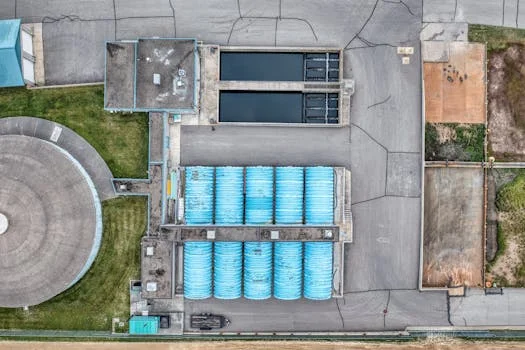
Selecting the optimal wastewater treatment technology in Nagoya hinges on balancing CAPEX, OPEX, land availability, and specific wastewater characteristics. Membrane Bioreactor (MBR) systems offer a compact footprint, typically 50% smaller than conventional activated sludge, which is a critical advantage given Nagoya’s high land costs. MBR CAPEX generally ranges from ¥300–¥500/m³/day, with OPEX between ¥80–¥120/m³, primarily due to membrane aeration and cleaning. While initial costs are higher, MBR provides superior effluent quality, often enabling water reuse, and produces less sludge (0.3–0.6 kg/m³) compared to conventional methods.
Dissolved Air Flotation (DAF) systems, with CAPEX of ¥150–¥250/m³/day and OPEX of ¥40–¥60/m³, are highly effective for removing fats, oils, grease (FOG), and suspended solids, making them ideal as a primary treatment stage for Nagoya’s food processing and automotive industries. DAF typically produces more sludge (0.5–1.0 kg/m³) than MBR, but its lower energy consumption and chemical requirements for certain waste streams make it a cost-effective choice for specific applications. Conventional activated sludge, while having a CAPEX of ¥200–¥350/m³/day and OPEX of ¥50–¥80/m³, requires a significantly larger footprint and often struggles to meet stringent Nagoya discharge limits without tertiary treatment. For instance, a Nagoya food processing plant reduced its OPEX by 30% and achieved higher water reuse rates by switching from conventional treatment to an MBR integrated wastewater treatment system, citing 2024 project data. This demonstrates how how Nagoya’s WWTP costs compare to other industrial hubs like Gdańsk, where technology choices are similarly driven by local economic and environmental pressures.
| Technology Option | CAPEX (¥/m³/day capacity) | OPEX (¥/m³) | Footprint (vs. Conventional) | Sludge Production (kg/m³) | Best Use Case in Nagoya |
|---|---|---|---|---|---|
| Membrane Bioreactor (MBR) | ¥300–¥500 | ¥80–¥120 | 50% smaller | 0.3–0.6 | High-land cost areas, water reuse, stringent discharge limits. |
| Dissolved Air Flotation (DAF) | ¥150–¥250 | ¥40–¥60 | Similar to primary clarifier | 0.5–1.0 | Pretreatment for high FOG/SS industrial wastewater (food, automotive). |
| Conventional Activated Sludge | ¥200–¥350 | ¥50–¥80 | Baseline (100%) | 0.6–1.2 | Large municipal plants with ample land, less stringent discharge. |
Nagoya-Specific ROI Calculator: Is Your WWTP Project Financially Viable?
Justifying a wastewater treatment plant project in Nagoya to stakeholders requires a clear financial viability assessment, often best demonstrated through a robust Return on Investment (ROI) calculation. The fundamental ROI formula for WWTP projects is: (Annual Savings + Avoided Fines) / (CAPEX + Annual OPEX). Annual savings can include reduced water consumption through reuse, lower discharge fees, and potential revenue from by-products. For example, a 500 m³/day industrial plant implementing water reuse could save ¥300–¥500/m³ on fresh water purchases, significantly impacting the ROI.
Avoided fines represent a substantial financial incentive in Nagoya. The Water Pollution Control Act outlines a penalty structure of ¥1–¥10 million for non-compliance, with repeat violations leading to escalating fines and potential operational shutdowns. These avoided costs must be factored into the ROI. A downloadable Excel template is available, pre-populated with Nagoya-specific inputs such as current land costs, prevailing labor rates, and industrial utility prices, allowing engineering managers to customize the model with their project’s CAPEX, OPEX, and specific savings projections. This tool provides a transparent framework for comparing technology options and presenting a compelling business case to procurement and finance teams.
Example Calculation for a 500 m³/day Industrial Plant:
- CAPEX: ¥500 million
- Annual OPEX: ¥100 million
- Annual Water Reuse Savings (50% reuse @ ¥400/m³): 500 m³/day * 0.5 * 365 days * ¥400/m³ = ¥36.5 million
- Avoided Fines (estimated): ¥5 million/year (based on risk of non-compliance)
- Total Annual Benefits: ¥36.5 million + ¥5 million = ¥41.5 million
- ROI = (¥41.5 million) / (¥500 million + ¥100 million) = 0.069 or 6.9% (This is a simplified annual ROI; a more detailed analysis would use Net Present Value or Payback Period).
Download your Nagoya-specific ROI Calculator Template (Excel) here.
Frequently Asked Questions
How much does a wastewater treatment system cost in Nagoya?
In Nagoya, costs typically range from ¥50 million ($350,000) for small industrial systems (10–50 m³/day) to ¥12 billion ($85 million) for large municipal plants (50,000 m³/day), influenced by technology choice, land costs, and compliance requirements.
What are the main OPEX drivers for a WWTP in Nagoya?
The primary operational expenditure drivers in Nagoya are energy (40–50%), chemicals (15–20%), labor (20–30%), and sludge disposal (¥20,000–¥30,000/ton), with electricity costs averaging ¥22–¥28/kWh for industrial users.
What are Nagoya’s specific wastewater discharge regulations?
Nagoya City Waterworks & Sewerage Bureau enforces local standards, including pH 5.8–8.6, no visible oil/grease, and specific heavy metal limits, in addition to national requirements under Japan’s Water Pollution Control Act (e.g., BOD < 160 mg/L).
Is MBR or DAF more cost-effective for industrial wastewater in Nagoya?
MBR systems offer lower sludge production and a smaller footprint, beneficial for high-land-cost areas, but have higher CAPEX and energy OPEX. DAF systems are more cost-effective for pretreatment of high FOG/SS industrial wastewater, with lower CAPEX and OPEX for specific applications.
How long does it take to get a WWTP permit in Nagoya?
Permitting for industrial wastewater treatment plants in Nagoya typically takes 6–12 months, while municipal projects can extend to 12–18 months, requiring thorough documentation and early engagement with the Nagoya City Waterworks & Sewerage Bureau.