In 2025, Myanmar’s food processing sector faces strict wastewater treatment mandates under the National Environmental Quality (Emission) Guidelines, with the Environmental Conservation Department (ECD) requiring BOD removal of 80–90% and COD reduction to <150 mg/L for juice processing plants. Wastewater from fruit washing, peeling, and CIP cycles typically contains 1,500–3,000 mg/L BOD, 3,000–6,000 mg/L COD, and pH levels as low as 3.5, demanding tailored solutions like dissolved air flotation (DAF) or membrane bioreactors (MBR) to achieve compliance while managing costs (CAPEX: $120,000–$500,000 for 50–200 m³/h systems).
Myanmar’s Food Processing Wastewater: Characteristics by Sub-Sector
Food processing facilities in Myanmar generate diverse wastewater streams, with characteristics varying significantly by sub-sector due to raw materials and processing methods. Understanding these specific profiles is critical for designing an effective and compliant wastewater treatment system, ensuring adherence to Myanmar food industry wastewater treatment standards.
Juice Processing Wastewater (Mandalay/Shan State)
Juice processing plants, particularly in regions like Mandalay and Shan State, produce wastewater characterized by high organic loads and acidity. Primary sources include fruit washing, peeling, pressing, and Cleaning-In-Place (CIP) cycles. This wastewater typically contains 1,500–3,000 mg/L BOD (Biochemical Oxygen Demand), 3,000–6,000 mg/L COD (Chemical Oxygen Demand), 500–1,200 mg/L TSS (Total Suspended Solids), and pH levels ranging from 3.5–5.0 due to fruit acids. Sugars, often 2–5% by weight, contribute significantly to the organic load, making primary treatment crucial before biological processes (Center Enamel, 2026).
Fish Processing Wastewater (Yangon/Tharketa Industrial Zone)
Fish processing facilities, common in coastal areas and industrial zones like Yangon’s Tharketa, generate highly concentrated wastewater with distinct characteristics. This effluent results from fish washing, filleting, gutting, and equipment cleaning. It typically presents BOD levels of 2,000–4,000 mg/L, COD between 4,000–8,000 mg/L, TSS ranging from 800–1,500 mg/L, and significant oil and grease (FOG) concentrations of 200–500 mg/L. The presence of proteins, fats, and often high salinity demands robust treatment. Temperature control, especially for raw fish storage at 4°C, also impacts wastewater temperature, which can affect biological treatment efficiency (Marko Co. Ltd. study, 2023).
Dairy Processing Wastewater (Emerging Sector)
Myanmar's emerging dairy processing sector faces unique wastewater challenges. Effluent from milk reception, pasteurization, cheese production, and CIP operations is characterized by high concentrations of lactose and proteins. Typical parameters include BOD of 1,000–2,500 mg/L, COD of 2,000–5,000 mg/L, pH generally neutral (6.0–8.5), and FOG ranging from 300–800 mg/L. The presence of milk solids and cleaning chemicals necessitates specific treatment approaches to prevent fouling and achieve compliance.
| Wastewater Parameters by Food Sub-Sector (mg/L) | BOD | COD | TSS | pH | FOG | Sugars |
|---|---|---|---|---|---|---|
| Juice Processing | 1,500–3,000 | 3,000–6,000 | 500–1,200 | 3.5–5.0 | <50 | 2–5% |
| Fish Processing | 2,000–4,000 | 4,000–8,000 | 800–1,500 | 6.5–7.5 | 200–500 | <1% |
| Dairy Processing | 1,000–2,500 | 2,000–5,000 | 400–800 | 6.0–8.5 | 300–800 | 1–3% |
Myanmar’s Regulatory Landscape: ECD Guidelines and Compliance Requirements
Myanmar’s Environmental Conservation Department (ECD) enforces stringent wastewater discharge limits under the National Environmental Quality (Emission) Guidelines 2015, impacting all food processing operations. These regulations are designed to protect Myanmar’s water resources and mandate specific effluent quality parameters for discharge into public waterways.
National Environmental Quality (Emission) Guidelines 2015
The National Environmental Quality (Emission) Guidelines 2015 set the primary standards for industrial wastewater discharge in Myanmar. Key parameters for treated effluent include BOD <50 mg/L, COD <150 mg/L, TSS <50 mg/L, and pH between 6–9 (ECD, 2023). Stricter limits may apply for discharge into sensitive water bodies such as protected areas or designated drinking water sources, requiring even higher treatment efficiencies. Compliance with these ECD wastewater guidelines Myanmar is non-negotiable for food processing plants.
Environmental Conservation Law 2012 and EIA Procedures
The Environmental Conservation Law 2012 mandates that new industrial plants, including significant food processing facilities, undergo an Environmental Impact Assessment (EIA) to evaluate potential environmental effects and propose mitigation measures. The EIA procedure, detailed in the 2015 Environmental Impact Assessment Procedure, typically involves a timeline of 6–12 months for approval and can incur costs ranging from $5,000–$20,000, depending on project scale and complexity. Securing EIA approval is a prerequisite for obtaining operational permits.
ECD Monitoring and Penalties
The ECD conducts regular monitoring and inspection activities to ensure compliance. Plants with discharge volumes exceeding 50 m³/h are typically required to perform quarterly wastewater testing, submitting results from approved laboratories in major cities like Yangon and Mandalay. Non-compliance with discharge limits can lead to severe penalties, including fines up to 10 million MMK (Myanmar Kyat) or, in persistent cases, the temporary or permanent shutdown of the facility (ECD, 2023). This stringent enforcement underscores the importance of robust Myanmar environmental compliance for food plants.
Treatment Technologies for Food Processing Wastewater in Myanmar
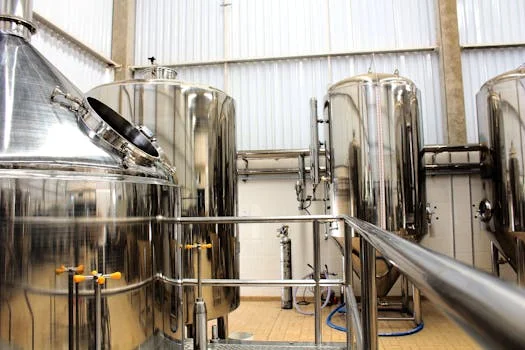
Selecting the optimal wastewater treatment technology for food processing plants in Myanmar requires evaluating performance, capital investment, and operational costs against specific sub-sector needs and regulatory targets. HydropureWater offers a range of solutions tailored to meet these diverse requirements.
Dissolved Air Flotation (DAF)
Dissolved Air Flotation (DAF) systems are highly effective for removing suspended solids (TSS) and fats, oils, and grease (FOG) from food processing wastewater, achieving 85–95% TSS removal and 60–80% FOG removal. DAF technology works by dissolving air under pressure into wastewater, then releasing it at atmospheric pressure, creating micro-bubbles that attach to contaminants and float them to the surface for skimming. This makes DAF systems for high-efficiency TSS and FOG removal in juice and fish processing plants particularly suitable as a primary or pre-treatment step, significantly reducing the load on downstream biological processes. Typical CAPEX ranges from $80,000–$300,000 for medium-sized systems, with OPEX between $0.15–$0.30/m³ for energy and chemicals.
Membrane Bioreactor (MBR)
Membrane Bioreactor (MBR) systems integrate biological treatment with membrane filtration, achieving exceptional effluent quality suitable for discharge or even reuse. MBRs consistently achieve 95–99% BOD/COD removal, producing effluent with TSS <5 mg/L. The use of PVDF (polyvinylidene fluoride) membranes allows for a much smaller footprint compared to conventional activated sludge systems, making MBR systems for near-reuse-quality effluent in dairy and fish processing plants ideal for facilities with limited space. However, MBR systems have a higher CAPEX, typically $200,000–$600,000, and OPEX of $0.25–$0.50/m³ due to membrane cleaning and higher energy consumption for aeration and filtration.
Anaerobic Digestion
Anaerobic digestion is an effective treatment for high-COD wastewater, reducing BOD by 70–90% while producing biogas (primarily methane) as a valuable energy source. Upflow Anaerobic Sludge Blanket (UASB) reactors are commonly used for this purpose, where wastewater flows upward through a blanket of granular sludge. This technology is particularly suitable for high-strength wastewater from fish and dairy processing plants, where organic loads are substantial. CAPEX for anaerobic digestion systems ranges from $150,000–$400,000, with a lower OPEX of $0.10–$0.20/m³ due to reduced energy consumption and potential biogas revenue, making it an attractive option for sustainability-focused facilities.
Sedimentation
Sedimentation, often employing lamella clarifiers, provides basic Total Suspended Solids (TSS) removal, typically achieving 50–70% reduction. While less effective for high-BOD streams, it serves as a cost-effective primary treatment for low-budget plants or as a preliminary step before more advanced biological processes. Sedimentation systems are simpler to operate and maintain but have limitations in meeting stringent ECD discharge limits for organic pollutants without further treatment. For a detailed comparison of DAF vs. sedimentation for food processing wastewater, refer to our dedicated guide on DAF vs. sedimentation for food processing wastewater: which is right for your plant?
| Technology vs. Sub-Sector Suitability | Juice Processing | Fish Processing | Dairy Processing | CAPEX (Approx.) | OPEX (Approx.) | Compliance Ease (ECD) |
|---|---|---|---|---|---|---|
| Dissolved Air Flotation (DAF) | Excellent (TSS, FOG, pre-treatment) | Excellent (TSS, FOG, pre-treatment) | Good (FOG, pre-treatment) | $80,000–$300,000 | $0.15–$0.30/m³ | Medium (often needs secondary) |
| Membrane Bioreactor (MBR) | Excellent (High BOD/COD, reuse) | Excellent (High BOD/COD, reuse) | Excellent (High BOD/COD, reuse) | $200,000–$600,000 | $0.25–$0.50/m³ | High (meets strictest limits) |
| Anaerobic Digestion | Good (High COD, biogas) | Excellent (High COD, biogas) | Excellent (High COD, biogas) | $150,000–$400,000 | $0.10–$0.20/m³ | Medium (often needs post-treatment) |
| Sedimentation | Fair (Basic TSS, pre-treatment) | Fair (Basic TSS, pre-treatment) | Fair (Basic TSS, pre-treatment) | $30,000–$100,000 | $0.05–$0.10/m³ | Low (rarely meets limits alone) |
Turnkey Solutions vs. Modular Systems: Which Fits Your Plant?
Food processing facilities in Myanmar typically choose between turnkey and modular wastewater treatment systems based on project complexity, budget, and desired implementation timeline. Each approach offers distinct advantages and disadvantages that must be weighed carefully.
Turnkey Systems: Speed and Simplicity
Turnkey systems are pre-designed and pre-fabricated, offering a complete wastewater treatment plant from a single supplier. These solutions are characterized by faster installation times, typically 3–6 months from order to commissioning, and significantly lower engineering costs as the design is standardized. For instance, a 100 m³/h turnkey solution for a juice processing plant in Myanmar, similar to projects undertaken by international suppliers like Center Enamel, might have a CAPEX around $450,000. Turnkey solutions are ideal for plants seeking a streamlined process with minimal in-house engineering involvement and a guaranteed performance outcome, especially when facing urgent ECD compliance deadlines.
Modular Systems: Flexibility and Scalability
Modular systems, in contrast, consist of individual treatment units that can be combined and scaled according to specific needs. This approach offers greater flexibility for future expansion and adaptation to changing wastewater characteristics or discharge regulations. For example, a fish processing plant might implement a modular DAF + MBR combo, with a CAPEX ranging from $300,000–$700,000, allowing for phased investment and greater customization. Modular solutions are suitable for facilities anticipating growth or those with unique site constraints that require a more adaptable design. This approach can also integrate advanced systems like PLC-controlled chemical dosing for pH adjustment and coagulation in food processing wastewater.
Local vs. International Suppliers
The choice between local and international suppliers significantly impacts cost and compliance assurance. Local Myanmar-based suppliers may offer lower initial CAPEX, typically $50,000–$200,000 for basic systems, but might lack the advanced technical expertise or proven track record for achieving stringent ECD certification. International suppliers, such as HydropureWater, generally provide compliance guarantees and adhere to global engineering standards, albeit with a higher CAPEX of $150,000–$600,000. These suppliers often have extensive experience in regions like Myanmar, understanding local conditions and regulatory nuances. For insights into how other regions manage similar challenges, explore How Morocco’s food processors tackle similar wastewater challenges.
Turnkey vs. Modular Checklist
- Do you need immediate ECD certification? Turnkey systems offer faster compliance.
- What’s your timeline for project completion? Turnkey systems typically have shorter lead times (3-6 months).
- Is future expansion or flexibility a key concern? Modular systems provide better scalability.
- Do you have in-house engineering resources for customization? Modular systems benefit from internal expertise.
- What is your budget for initial CAPEX vs. long-term OPEX? Turnkey often has lower initial engineering costs, modular allows for phased investment.
- Is a compliance guarantee from a reputable international supplier essential? International turnkey providers often offer stronger guarantees.
Cost Breakdown: CAPEX, OPEX, and ROI for Myanmar Food Processors
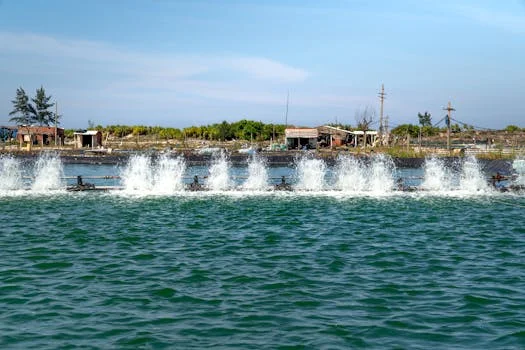
Investment in food processing wastewater treatment in Myanmar involves significant capital expenditure (CAPEX) and ongoing operational expenditure (OPEX), with a clear return on investment (ROI) achievable through avoided fines and water reuse. Understanding these costs is vital for justifying projects and securing budget approval.
Capital Expenditure (CAPEX) by System Size and Technology
The initial capital investment (CAPEX) for wastewater treatment systems in Myanmar varies considerably based on capacity and technology. For a 50 m³/h system, CAPEX typically ranges from $120,000–$250,000. A 100 m³/h system requires $250,000–$500,000, while larger 200 m³/h systems can cost $500,000–$900,000.
- DAF systems: For a 100 m³/h juice plant, a DAF system might cost $200,000–$350,000.
- MBR systems: A 100 m³/h MBR system for high-quality effluent could range from $350,000–$600,000 due to membrane costs and advanced controls.
- Anaerobic Digestion: For high-COD fish or dairy wastewater, a 100 m³/h anaerobic digester might cost $280,000–$500,000, including biogas collection and utilization components.
Operational Expenditure (OPEX)
Operational expenditure (OPEX) typically ranges from $0.10–$0.50/m³ of treated wastewater, encompassing energy consumption, chemical costs, labor, and maintenance. Energy is a significant component, especially for aeration in biological systems and pumping. Chemical costs include coagulants ($2–$5/kg) and flocculants ($3–$8/kg) for DAF or primary clarification, as well as pH adjustment chemicals like caustic soda or sulfuric acid. Labor costs vary but are generally lower in Myanmar compared to Western countries, though specialized technical staff for advanced systems may command higher wages. Maintenance involves routine checks, equipment servicing, and occasional replacement of parts, such as membranes in MBR systems.
Return on Investment (ROI)
The ROI for wastewater treatment systems in Myanmar is typically achieved within 3–5 years. This payback is driven primarily by two factors:
- Avoided Fines: Non-compliance with ECD regulations can result in fines up to 10 million MMK per year, making compliance a direct cost-saving measure.
- Water Reuse Savings: Treating wastewater to a quality suitable for non-potable uses like irrigation, washdown, or cooling can reduce freshwater consumption by 30–50%, leading to significant savings on utility bills. MBR systems, in particular, produce effluent suitable for many reuse applications.
Financing Options
Several financing options exist for food processors investing in wastewater treatment. The Myanmar government may offer grants, sometimes covering up to 30% of CAPEX for plants exceeding 100 m³/h capacity, especially those demonstrating environmental leadership. International aid organizations, such as EU-funded projects (EEAS, 2023), also provide financial and technical assistance to promote greener production in Myanmar's food and beverage industry.
| Cost Comparison by System Size and Technology | System Size (m³/h) | Technology | CAPEX (Approx.) | OPEX (Approx. $/m³) | Payback Period (Years) |
|---|---|---|---|---|---|
| Small Plant | 50 | DAF + Biological | $120,000–$250,000 | $0.20–$0.40 | 4–6 |
| Medium Plant | 100 | DAF + MBR | $350,000–$600,000 | $0.25–$0.50 | 3–5 |
| Large Plant | 200 | Anaerobic + MBR | $600,000–$900,000 | $0.15–$0.35 | 3–4 |
Frequently Asked Questions
Understanding common questions regarding wastewater treatment implementation, compliance, and costs is crucial for Myanmar food processors evaluating new systems.
What are the ECD’s penalties for non-compliance?
The Environmental Conservation Department (ECD) imposes significant penalties for non-compliance with wastewater discharge regulations. These include fines up to 10 million MMK (Myanmar Kyat) per violation and, in severe or repeated cases, the temporary or permanent shutdown of the processing plant (ECD, 2023). Common violations include exceeding BOD, COD, or TSS limits, or discharging effluent outside the permissible pH range.
How much does a DAF system cost for a 100 m³/h juice plant?
For a 100 m³/h juice processing plant, the Capital Expenditure (CAPEX) for a Dissolved Air Flotation (DAF) system typically ranges from $200,000–$350,000. The Operational Expenditure (OPEX) for such a system is approximately $0.15–$0.30/m³ (HydropureWater field data, 2025), primarily covering energy for the air compressor and pumps, as well as chemical coagulants and flocculants.
Can I reuse treated wastewater for irrigation?
Yes, treated wastewater can be reused for irrigation in Myanmar, provided it meets specific ECD guidelines. For irrigation purposes, effluent generally needs to have TSS <30 mg/L and BOD <10 mg/L. Advanced treatment technologies like MBR systems are highly effective at producing effluent quality that consistently meets these stringent standards, making it suitable for agricultural reuse and reducing freshwater demand.
What’s the lead time for a turnkey system?
The typical lead time for a turnkey wastewater treatment system from an international supplier, including design, fabrication, shipping, and installation, is 3–6 months. Local suppliers may have slightly longer lead times, ranging from 6–12 months, depending on their manufacturing capabilities and supply chain. This timeline is crucial for planning and ensuring timely compliance with regulatory deadlines.
Are there government incentives for wastewater treatment?
Yes, the Myanmar government, sometimes in collaboration with international partners, offers incentives for food processing plants investing in wastewater treatment. These can include grants covering up to 30% of the Capital Expenditure (CAPEX) for larger facilities (e.g., those exceeding 100 m³/h capacity) and technical assistance programs aimed at promoting sustainable industrial practices.
Related Equipment
The following HydropureWater products are engineered for the wastewater challenges discussed above:
- DAF systems for high-efficiency TSS and FOG removal in juice and fish processing plants — view specifications, capacity range, and technical data
- MBR systems for near-reuse-quality effluent in dairy and fish processing plants — view specifications, capacity range, and technical data
- PLC-controlled chemical dosing for pH adjustment and coagulation in food processing wastewater — view specifications, capacity range, and technical data
Need a customized solution? Request a free quote with your specific flow rate and pollutant parameters.