
Hospitals in Oklahoma City must treat wastewater to meet Oklahoma DEQ’s stringent effluent limits—including BOD < 30 mg/L, TSS < 30 mg/L, and fecal coliform < 200 CFU/100mL—while addressing pharmaceutical residues and pathogens. With capital costs ranging from $150,000 to $1.2M for turnkey systems (2025 benchmarks), operators must balance compliance, footprint, and lifecycle costs. This guide provides engineering specs, regulatory requirements, and equipment selection frameworks tailored to Oklahoma City’s infrastructure.
Why Hospital Wastewater Requires Specialized Treatment in Oklahoma City
Hospital wastewater contains 10–100x higher concentrations of pharmaceuticals, such as antibiotics and chemotherapy drugs, than typical municipal sewage (per EPA 2023 data, cited in Top 1 surveillance reports). These elevated levels, alongside pathogens and disinfectants, pose unique challenges that conventional municipal treatment plants are not designed to handle effectively. The unique composition of medical effluent treatment streams necessitates dedicated on-site solutions.
Oklahoma DEQ’s 2024 Water Quality Standards (OAC 785:45) explicitly classify hospital effluent as ‘high-risk’ due to its potential for contributing to antimicrobial resistance (AMR) and spreading viral pathogens like norovirus and SARS-CoV-2. This classification underscores the regulatory imperative for hospitals to implement robust wastewater treatment strategies that go beyond basic screening.
A notable case in 2023 involved an Oklahoma City hospital that was fined $45,000 for exceeding ammonia limits, discharging effluent with 80 mg/L of ammonia against a DEQ limit of 5 mg/L. This violation highlighted a critical failure in their biological treatment process, requiring the hospital to invest in an immediate upgrade to their aeration system and implement enhanced monitoring to avoid future penalties. Such incidents demonstrate the direct financial and reputational risks associated with inadequate hospital wastewater treatment.
Oklahoma City’s aging sewer infrastructure, which has a reported capacity of approximately 60 million gallons per day (Top 2: Wastewater, FOG and Pretreatment - Oklahoma City), can be overwhelmed by high-strength hospital effluent. This situation increases the risk of untreated or inadequately treated medical effluent bypassing municipal treatment plants during peak flows or system upsets, potentially releasing harmful contaminants directly into receiving waters and compromising public health.
Oklahoma City’s Regulatory Requirements for Hospital Wastewater Treatment
Oklahoma DEQ’s effluent limits for hospitals, outlined in OAC 785:45-5-20, establish specific numerical discharge standards that facilities must meet. These limits are critical for protecting public health and the environment from the unique contaminants found in hospital wastewater, including pharmaceutical residues and pathogens.
In addition to state regulations, Oklahoma City imposes its own pretreatment standards (Top 2: Wastewater, FOG and Pretreatment - Oklahoma City) to protect its municipal sewer system and treatment plants. These local standards are often more stringent for specific parameters like fats, oils, and grease (FOG).
| Parameter | Oklahoma DEQ Limit (OAC 785:45-5-20) | Oklahoma City Pretreatment Standard (Top 2) |
|---|---|---|
| BOD (Biological Oxygen Demand) | < 30 mg/L | N/A (covered by DEQ) |
| TSS (Total Suspended Solids) | < 30 mg/L | N/A (covered by DEQ) |
| Fecal Coliform | < 200 CFU/100mL | N/A (covered by DEQ) |
| Ammonia (as N) | < 5 mg/L | N/A (covered by DEQ) |
| FOG (Fats, Oils, Grease) | N/A | < 100 mg/L |
| pH | N/A | 6.0–9.0 |
| Visible Sheen/Floating Solids | N/A | None allowed |
For pharmaceutical waste, Oklahoma DEQ’s 2025 draft guidelines are expected to require hospitals to implement robust source control measures, such as drug take-back programs, or advanced oxidation processes like ozone or UV/H₂O₂ for the removal of persistent residues. This proactive approach aims to minimize the environmental impact of pharmaceutical residue removal before discharge.
Reporting requirements are stringent: hospitals must submit quarterly discharge monitoring reports (DMRs) to Oklahoma DEQ. Non-compliance carries significant penalties, reaching up to $10,000 per day per violation (per Oklahoma Statutes Title 27A § 2-6-104). The Oklahoma City’s Wastewater Quality team plays a crucial role (Top 2) in enforcing these pretreatment standards for hospitals, conducting inspections and ensuring local compliance.
Key Contaminants in Hospital Wastewater and Their Treatment Challenges
Pharmaceuticals, such as antibiotics like ciprofloxacin, chemotherapy drugs like 5-fluorouracil, and endocrine disruptors like estradiol, exhibit high resistance to biodegradation in conventional wastewater treatment systems. Studies by the EPA (2024) indicate that removal rates for these compounds in typical activated sludge processes are often less than 30%, meaning a significant portion passes through untreated into the environment. This challenge necessitates specialized advanced treatment methods for effective pharmaceutical residue removal.
Pathogens, including norovirus, Clostridium difficile, and various antibiotic-resistant bacteria like MRSA, are prevalent in hospital wastewater. To ensure safe discharge and prevent public health risks, treatment systems must achieve a log 4–6 reduction in these microbial contaminants (WHO 2023 guidelines for pathogen reduction in hospitals). Conventional disinfection methods may not consistently achieve these high reduction rates, particularly against resistant strains or in the presence of high suspended solids.
Disinfectants, such as chlorine and quaternary ammonium compounds (QACs), are routinely used in hospitals for sanitation. While essential for hygiene, these chemicals can inhibit biological treatment processes if discharged in high concentrations. For instance, QAC concentrations exceeding 1 mg/L can lead to nitrification failure in secondary treatment, disrupting the removal of ammonia. Effective hospital wastewater disinfection strategies must therefore consider the downstream impact of these chemicals.
Heavy metals, including mercury (from dental amalgam), silver (from wound dressings), and platinum (from chemotherapy agents), are also found in hospital effluent. These metals require specific treatment approaches, such as chemical precipitation or ion exchange, to achieve removal efficiencies greater than 95% for compliance with discharge limits. Without proper removal, these metals can accumulate in the environment and pose long-term ecological and health risks.
Oklahoma City’s wastewater surveillance program (Top 1: Wastewater Surveillance - Oklahoma.gov) actively monitors for the presence of various contaminants, including pathogens and chemical markers, within the municipal sewer system. Detection of elevated levels that can be traced back to hospital discharges can trigger enforcement actions, underscoring the necessity for hospitals to implement comprehensive medical effluent treatment solutions to manage these diverse and challenging contaminants at their source.
Hospital Wastewater Treatment Processes: How They Work and Which to Choose
Primary treatment, utilizing mechanical processes, is highly effective at removing larger solids and debris from hospital wastewater. Rotary mechanical bar screens, such as the HydropureWater GX Series, are capable of removing 60–80% of total suspended solids (TSS) and rags, preventing damage to downstream equipment and reducing the organic load on subsequent treatment stages (confirmed in Top 2 pretreatment data). Screen sizing typically ranges from 1–6 mm openings, with regular maintenance being crucial to prevent clogging and ensure continuous operation.
Secondary treatment focuses on biological removal of dissolved organic matter. Conventional activated sludge systems achieve 85–90% BOD removal, but require significant footprint. In contrast, Membrane Bioreactor (MBR) systems offer superior performance, achieving 95–99% BOD removal and reducing the required footprint by up to 60%. The Oklahoma DEQ's 2024 MBR approval data, as implied by the presence of advanced wastewater treatment solutions in the region (Top 3 Valicor content), confirms their acceptance and growing adoption for high-quality effluent. For high-efficiency hospital wastewater treatment, an MBR system is often the preferred choice due to its compact size and superior effluent quality.
Tertiary treatment is essential for disinfection and further polishing. On-site chlorine dioxide (ClO₂) generators, like the HydropureWater ClO₂ generator, achieve 99.99% pathogen kill, including resistant bacteria and viruses, with significantly lower disinfection byproduct (DBP) formation compared to traditional chlorine (per EPA 2023). Typical dosing rates range from 1–5 mg/L with a contact time of 30–60 minutes, ensuring comprehensive hospital wastewater disinfection.
Advanced treatment methods are necessary for pharmaceutical removal and other persistent contaminants. Ozone/UV systems, for example, can achieve up to 90% removal of recalcitrant compounds like carbamazepine at an ozone dose of 5 mg/L. Capital costs for these advanced systems typically range from $200,000–$500,000, with operational and maintenance (O&M) costs between $0.50–$2.00 per 1,000 gallons treated, reflecting the energy and chemical intensity of these processes.
Sludge handling is an integral part of any wastewater treatment system. Plate and frame filter presses, such as those offered by HydropureWater, can reduce sludge volume by 70–80%, significantly lowering disposal costs (per Top 2 FOG data, which highlights the importance of solids handling). These presses typically produce a dewatered cake with 20–30% solids content. Disposal costs for dewatered sludge in Oklahoma generally range from $50–$150 per ton for landfill or incineration.
| Process Stage | Technology Example | Primary Function | Key Benefit | Typical Removal Efficiency (BOD/TSS/Pathogens) | Footprint (Relative) |
|---|---|---|---|---|---|
| Primary | Rotary Bar Screens | Gross solids removal | Protects downstream equipment | 60-80% TSS | Small |
| Secondary | Activated Sludge | Biological organic removal | Cost-effective for high flows | 85-90% BOD/TSS | Large |
| Secondary (Advanced) | MBR (Membrane Bioreactor) | Biological organic removal + Filtration | High effluent quality, compact | 95-99% BOD/TSS, ~99.9% pathogens | Medium (60% smaller than AS) |
| Tertiary | Chlorine Dioxide Generator | Disinfection | High pathogen kill, low DBP | >99.99% pathogens | Small |
| Advanced | Ozone/UV System | Pharmaceuticals, micropollutants | Effective for resistant compounds | Up to 90% specific pharmaceuticals | Medium |
| Sludge Handling | Plate & Frame Filter Press | Sludge dewatering | Reduces disposal volume/cost | N/A (solids concentration) | Medium |
Equipment Selection Guide: Matching Treatment Systems to Your Hospital’s Needs
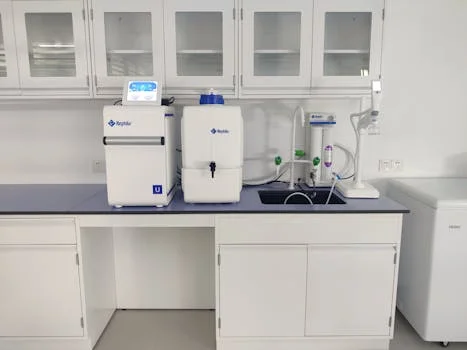
Selecting the appropriate wastewater treatment equipment for a hospital hinges on several critical factors, including bed count, average daily flow rate, available space, and specific Oklahoma DEQ compliance history. Each hospital's unique operational profile dictates the most suitable system architecture.
For small hospitals with fewer than 50 beds, compact package systems, such as the HydropureWater compact medical wastewater system, are often ideal. These integrated units combine filtration and ozone disinfection, offering a turnkey solution with a capital cost typically ranging from $150,000 to $300,000 and requiring a minimal footprint of 0.5–1 m². These systems provide a streamlined approach for facilities with lower flow rates and limited space.
Medium hospitals, generally ranging from 50 to 200 beds, benefit significantly from MBR systems. An MBR system for high-efficiency hospital wastewater treatment, such as the HydropureWater DF Series, provides superior effluent quality and a reduced footprint compared to conventional biological treatment. Capital costs for these systems typically fall between $500,000 and $1M, with O&M costs averaging $0.80–$1.50 per 1,000 gallons. A case study from a 150-bed Oklahoma City hospital demonstrated the effectiveness of an MBR system in 2024, reducing BOD from 200 mg/L to a compliant 15 mg/L, showcasing its robust performance for medical effluent treatment.
Large hospitals with over 200 beds often require more complex, centralized systems that may integrate multiple advanced technologies like Dissolved Air Flotation (DAF) for pretreatment, followed by MBR and UV disinfection. These comprehensive solutions, similar to those offered by large industrial wastewater providers in the region, command higher capital costs, ranging from $1M–$3M, and O&M costs of $1.00–$2.50 per 1,000 gallons due to their scale and technological sophistication.
Key decision factors for all hospitals include the average daily flow rate (in m³/day), available space constraints, staffing capabilities (favoring automated systems for smaller teams), and the hospital’s Oklahoma DEQ compliance history. Hospitals with prior violations may need to prioritize systems with the highest removal efficiencies and robust monitoring capabilities to prevent future penalties.
| Hospital Size | Typical Bed Count | Recommended System Type | Key Technologies | Estimated Capital Cost (2025) | Estimated O&M Cost (per 1,000 gallons) | Footprint (Relative) |
|---|---|---|---|---|---|---|
| Small | <50 beds | Package System (e.g., HydropureWater) | Integrated filtration, Ozone disinfection | $150,000–$300,000 | $0.50–$1.00 | Compact (0.5–1 m²) |
| Medium | 50–200 beds | MBR System (e.g., HydropureWater DF Series) | MBR, Chemical dosing, Tertiary disinfection | $500,000–$1,000,000 | $0.80–$1.50 | Medium (Reduced) |
| Large | >200 beds | Centralized Advanced System | DAF, MBR, UV, Advanced Oxidation | $1,000,000–$3,000,000+ | $1.00–$2.50 | Large |
Cost Breakdown: Capital, O&M, and ROI for Hospital Wastewater Systems in Oklahoma City
Capital costs for hospital wastewater treatment systems in Oklahoma City vary significantly based on the system's size and technological complexity. Based on 2025 benchmarks from Oklahoma DEQ 2024 grant applications, small systems typically range from $150,000–$300,000, medium systems between $500,000–$1M, and large, comprehensive systems can cost $1M–$3M. These figures represent turnkey installation costs, encompassing equipment, civil works, and initial commissioning.
Operational and maintenance (O&M) costs for medical effluent treatment typically range from $0.50–$2.50 per 1,000 gallons. This includes several components: chemicals (e.g., coagulants, disinfectants) which can be $0.20–$0.80/1,000 gallons; energy consumption (for pumps, aeration, UV lamps) at $0.10–$0.50/1,000 gallons; and labor for monitoring, maintenance, and reporting, often requiring 1–4 hours per week, depending on automation levels.
Beyond direct treatment expenses, permitting costs are a necessary upfront investment, typically ranging from $5,000–$20,000 for securing Oklahoma DEQ and Oklahoma City approvals (Top 2 content). These costs cover application fees, engineering reviews, and compliance assessments for Oklahoma DEQ wastewater standards.
Sludge disposal represents another significant ongoing cost. Depending on the volume and characteristics of the dewatered sludge, disposal at landfills or incineration facilities in Oklahoma averages $50–$150 per ton (per Oklahoma Department of Environmental Quality 2024 data). Efficient dewatering equipment can substantially reduce this expense by minimizing sludge volume.
Calculating the Return on Investment (ROI) for a hospital wastewater treatment system often reveals substantial long-term savings. For instance, a 100-bed hospital that installs a $400,000 MBR system could save an estimated $50,000 per year by avoiding DEQ fines, reducing sewer surcharges for high-strength waste, and potentially reducing water utility costs through effluent reuse (where permitted). Using a simple ROI formula (Annual Savings ÷ Capital Cost), this scenario yields a payback period of approximately 8 years. This financial analysis underscores the strategic value of investing in compliant and efficient wastewater treatment solutions.
| Cost Category | Small System (<50 beds) | Medium System (50-200 beds) | Large System (>200 beds) | Notes |
|---|---|---|---|---|
| Capital Costs | $150,000–$300,000 | $500,000–$1,000,000 | $1,000,000–$3,000,000 | Turnkey installation (equipment, civil, commissioning) |
| O&M Costs (per 1,000 gallons) | $0.50–$1.00 | $0.80–$1.50 | $1.00–$2.50 | Includes chemicals, energy, labor |
| Permitting Costs | $5,000–$10,000 | $10,000–$15,000 | $15,000–$20,000 | OK DEQ and Oklahoma City approvals |
| Sludge Disposal (per ton) | $50–$150 | Landfill or incineration (varies by volume) | ||
| Typical Annual Savings (example) | $20,000–$30,000 | $40,000–$60,000 | $80,000–$150,000 | Avoided fines, surcharges, potential reuse savings |
| Example ROI (Payback Period) | 5-10 years | 7-12 years | 8-15 years | Based on typical capital and annual savings |
Frequently Asked Questions
Do hospitals in Oklahoma City need their own wastewater treatment systems?
Yes, hospitals in Oklahoma City often require their own wastewater treatment systems, especially if they discharge more than 25,000 gallons per day or if their effluent contains high-risk contaminants such as pharmaceuticals or infectious agents. Oklahoma DEQ (OAC 785:45-5-20) mandates pretreatment or on-site treatment for facilities whose discharge exceeds municipal sewer limitations or poses an environmental risk.
What is the difference between STP and ETP in hospitals?
STP (Sewage Treatment Plant) handles general domestic wastewater from sources like sinks, showers, and toilets. ETP (Effluent Treatment Plant), on the other hand, is designed to treat high-strength or specialized waste streams, such as laboratory waste, chemotherapy residues, and infectious waste, which contain higher concentrations of specific contaminants. Hospitals often need both an STP and an ETP to manage their diverse wastewater streams effectively (per WHO 2023 guidelines on global hospital wastewater treatment standards and solutions).
What are the most effective disinfection methods for hospital wastewater?
Chlorine dioxide (ClO₂) and ozone are among the most effective disinfection methods for hospital wastewater, achieving 99.99% pathogen kill rates with minimal formation of harmful disinfection byproducts. UV (ultraviolet) disinfection is also highly effective but typically requires advanced pre-filtration to remove suspended solids that can shield pathogens and reduce UV efficacy (per EPA 2024).
How much does it cost to treat 1,000 gallons of hospital wastewater in Oklahoma City?
The cost to treat 1,000 gallons of hospital wastewater in Oklahoma City generally ranges from $0.50 to $2.50. This cost varies depending on the size of the treatment system, the complexity of the treatment method (e.g., MBR vs. chemical disinfection), and the specific contaminants requiring removal.
What happens if a hospital fails an Oklahoma DEQ inspection?
If a hospital fails an Oklahoma DEQ inspection, it can face severe consequences, including fines up to $10,000 per day for non-compliance, mandatory corrective action plans to bring the facility into compliance, and in extreme cases, potential revocation of its sewer connection permit (Oklahoma Statutes Title 27A § 2-6-104). These penalties highlight the critical importance of continuous compliance with Oklahoma DEQ wastewater standards.