Package Wastewater Treatment Plants in Maharashtra India: 2025 Engineering Guide with Costs, Compliance & Supplier Checklist
Package wastewater treatment plants (WWTPs) in Maharashtra must balance compact footprint, Maharashtra Pollution Control Board (MPCB) effluent standards (e.g., BOD <30 mg/L, TSS <100 mg/L), and cost efficiency. For 2025 projects, skid-mounted MBR systems (₹12L–₹25L for 50–100 KLD) dominate industrial applications, while MBBR plants (₹8L–₹18L) suit residential colonies. Key considerations include MPCB consent-to-establish (CTE) lead times of 45–90 days, land constraints where underground systems save 60% space, and automation where semi-automatic configurations reduce OPEX by 20%. This guide provides Maharashtra-specific technical specs, cost benchmarks, and a supplier checklist to streamline procurement for engineers and facility managers.
Why Maharashtra Needs Package Wastewater Treatment Plants: 3 Industry Scenarios
Maharashtra’s industrial and urban landscape presents unique challenges that necessitate decentralised, high-efficiency treatment solutions. From the high-density industrial corridors of Pune to the water-stressed regions of Marathwada, package plants provide the agility required to meet stringent environmental mandates.
Scenario 1: Industrial Parks in Pune and Mumbai
Data from a 2023 MPCB report indicates that approximately 40% of SMEs in Maharashtra fail environmental inspections due to inadequate on-site treatment. In a representative case, a pharmaceutical unit in the Chakan MIDC faced a potential shutdown due to high COD levels in their discharge. By installing a 50 KLD MBR system for Maharashtra’s high-efficiency effluent standards (BOD <10 mg/L), the facility achieved compliance within 30 days, resolving long-standing consent delays and avoiding daily penalties.
Scenario 2: Residential Developments in Thane and Nashik
Land scarcity in Tier-1 and Tier-2 cities has made traditional sewage treatment plants (STPs) unviable for many developers. Currently, 70% of new residential projects in Thane opt for underground package sewage treatment plant for Maharashtra’s land-scarce projects to comply with Development Control Plan (DCP) land-use norms. For a 100-unit apartment complex, utilizing a WSZ series plant instead of a conventional civil-structure STP saved approximately ₹1.2Cr in land opportunity costs by allowing the surface area to be used for parking and landscaping.
Scenario 3: Municipal and Rural Infrastructure
Under the Jal Jeevan Mission (JJM), which mandates 100% household tap water access, there is an urgent drive for 30–50 KLD packaged WTPs across rural Maharashtra. These projects typically require a 30,000 LPH capacity to serve village clusters. Maharashtra’s monsoon season (June–September) presents a significant technical hurdle; an IIT Bombay study found that influent Total Suspended Solids (TSS) can increase by 300% during heavy rains. This requires robust pre-treatment, such as rotary screens or a DAF pre-treatment for Maharashtra’s high-TSS industrial wastewater, to prevent system bypass or membrane fouling.
Package WWTP Technologies Compared: MBR vs MBBR vs SBR for Maharashtra’s Needs
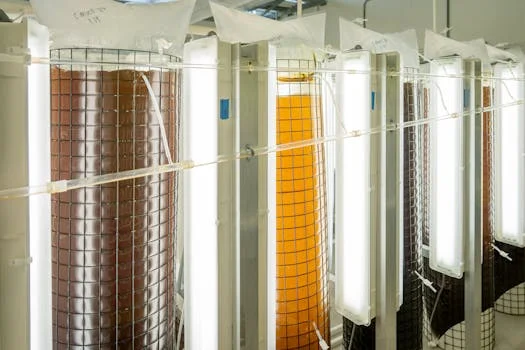
Selecting the appropriate technology depends on the desired effluent quality, available space, and the specific industrial or domestic nature of the influent. In Maharashtra, where water reuse for cooling towers and gardening is increasingly mandated, Membrane Bioreactors (MBR) have become the preferred choice for industrial applications.
Membrane Bioreactor (MBR) systems offer 99% BOD removal and 0.1 μm filtration, making the treated water suitable for immediate reuse. While the OPEX is higher at approximately ₹2,500/m³ due to membrane replacement every 5–7 years, the technology is dominant in Mumbai’s textile and chemical sectors where high-quality discharge is non-negotiable. Using a dedicated MBR membrane bioreactor module ensures that even complex industrial effluents meet MPCB standards.
Moving Bed Biofilm Reactor (MBBR) systems are ideal for the food processing industry, such as sugar mills in Kolhapur. They offer 90% BOD removal and a 30% smaller footprint than SBR systems. However, they require roughly 50% more aeration than MBR to maintain the biofilm on the moving media. Sequencing Batch Reactor (SBR) systems remain popular for rural JJM projects due to their lower CAPEX (starting at ₹6L for 50 KLD), though they require a 20% larger footprint compared to MBBR.
| Parameter | MBR (Membrane Bioreactor) | MBBR (Moving Bed Biofilm Reactor) | SBR (Sequencing Batch Reactor) |
|---|---|---|---|
| BOD Removal Efficiency | >98% | 85–90% | 80–85% |
| Footprint (m²/KLD) | 0.4 – 0.6 | 0.8 – 1.2 | 1.5 – 2.0 |
| CAPEX (₹/KLD) | ₹25,000 – ₹35,000 | ₹15,000 – ₹22,000 | ₹12,000 – ₹18,000 |
| OPEX (₹/m³) | ₹1.8 – ₹2.5 | ₹1.2 – ₹1.8 | ₹0.8 – ₹1.4 |
| Maharashtra Suitability | Best for industrial reuse | Best for food processing | Best for rural/municipal |
Maharashtra PCB Compliance: Effluent Limits, Consent Process, and Penalties
The Maharashtra Pollution Control Board (MPCB) enforces standards that are often more stringent than the central CPCB limits, particularly in "Critically Polluted Areas" like Tarapur or Mahad. Understanding the 2024 compliance matrix is essential for any facility manager to avoid legal repercussions.
| Effluent Parameter | MPCB Limit (2024) | CPCB General Limit | Treatment Requirement |
|---|---|---|---|
| pH | 6.5 – 8.5 | 5.5 – 9.0 | Neutralization Tank |
| BOD (3 days at 27°C) | <30 mg/L | <100 mg/L | Secondary Aerobic Treatment |
| COD | <250 mg/L | <250 mg/L | Advanced Oxidation/MBR |
| TSS | <100 mg/L | <100 mg/L | Tertiary Filtration |
| Oil & Grease | <10 mg/L | <10 mg/L | Oil Skimmer/DAF |
The consent process is divided into two main stages: Consent to Establish (CTE) and Consent to Operate (CTO). The CTE application requires 45–90 days for processing and must include a detailed project report, land documents, and an Environmental Impact Assessment (EIA) for plants exceeding 100 KLD. The CTO follows, typically taking 30–60 days, and requires a site inspection to verify the installation of the specified package WWTP. For those considering underground options, reviewing the underground STPs for Maharashtra’s industrial zones with space constraints can help in drafting the initial CTE technical proposal.
Penalties for non-compliance are severe. Under a 2023 MPCB circular, fines range from ₹1L to ₹5L for initial violations, with an additional 1% daily fine if the breach continues. In early 2024, a chemical manufacturing plant in Pune was fined ₹8L for consistently exceeding COD limits, demonstrating the high cost of regulatory negligence.
Cost Breakdown: Package WWTPs in Maharashtra (2025 Market Data)
Procurement officers must account for both initial capital expenditure and long-term operational costs. In Maharashtra, costs are approximately 10–15% higher than the national average due to higher labor rates and land preparation complexities.
CAPEX Benchmarks:
A typical 10–50 KLD package plant ranges from ₹5L to ₹15L. Larger systems (50–200 KLD) range from ₹15L to ₹50L. The cost breakdown generally follows this structure: 30% for core technology (e.g., membranes or media), 25% for electromechanical equipment (pumps, blowers), 20% for civil or skid fabrication, and 25% for installation and commissioning.
OPEX Benchmarks:
Operational expenses in Maharashtra are heavily influenced by electricity tariffs (averaging ₹0.7/kWh for industrial users) and chemical costs (Poly-Aluminium Chloride at ₹120/kg). Semi-automatic plants require at least one skilled operator at ₹15,000/month. Maintenance contracts for MBR systems typically cost between ₹1L and ₹3L per year depending on the capacity.
ROI Calculation Example:
Consider a 100 KLD MBR system installed in a Pune industrial park.
- Initial CAPEX: ₹22,00,000
- Annual OPEX: ₹4,50,000
- Tanker Disposal Cost (Baseline): ₹12,00,000/year (at ₹400 per 5kL tanker)
- Annual Savings: ₹7,50,000
- Payback Period: ~2.9 to 3.5 years
10-Step Supplier Checklist for Maharashtra Projects
Selecting a reliable manufacturer is the most critical step in ensuring long-term compliance. Many "low-cost" suppliers fail to provide the necessary MPCB-grade effluent quality or lack local service support during the monsoon season.
| Step | Evaluation Criterion | Red Flag / Warning Sign |
|---|---|---|
| 1 | Pilot Test Data | Supplier cannot show 3-month BOD/TSS logs for a similar plant. |
| 2 | Membrane Warranty | Warranty period is less than 5 years for PVDF membranes. |
| 3 | MPCB Approvals | Supplier has no history of plants receiving CTO in Maharashtra. |
| 4 | Local Service | No service center within 200km of the site (critical for Pune/Mumbai). |
| 5 | Automation Grade | System is entirely manual (leads to high human error and OPEX). |
| 6 | Reference Site Visit | Supplier refuses a visit to a site commissioned >1 year ago. |
| 7 | Material Grade | Use of mild steel without epoxy coating for corrosive industrial effluent. |
| 8 | Energy Efficiency | No VFDs (Variable Frequency Drives) on blowers or pumps. |
| 9 | Contract Terms | Lack of a 1-year defect liability period (DLP). |
| 10 | Performance Guarantee | No written guarantee of achieving <30 mg/L BOD within 30 days. |
When comparing international standards, it is useful to see how Maharashtra’s package WWTP requirements compare to Pakistan’s NEQS standards to understand regional engineering variations in South Asia. Technical due diligence should always prioritize the supplier's ability to handle Maharashtra's specific influent variations during the rainy season.
Frequently Asked Questions
How many sewage treatment plants are there in Maharashtra?
As of early 2024, Maharashtra has approximately 325 operational STPs recorded by the MPCB, with the majority concentrated in the Mumbai-Pune-Nashik golden triangle. While only 15% are currently package plants, this segment is growing at an 18% CAGR as land prices rise and environmental regulations tighten for smaller industrial units.
Which is the biggest wastewater treatment plant in India?
The Coronation Pillar STP in Delhi (564 MLD) is the largest in India. Within Maharashtra, the Colaba plant in Mumbai (250 MLD) is the largest. In the package plant category, one of the largest installations is a 200 KLD MBR system serving an automotive manufacturing facility in Chakan, Pune.
How much does a wastewater treatment plant cost in India?
Package plants (10–200 KLD) typically cost between ₹5L and ₹50L. Conventional civil-based plants (500 KLD to 5 MLD) range from ₹1Cr to ₹10Cr. Maharashtra-specific projects often trend toward the higher end of these brackets due to specialized pre-treatment requirements and higher logistics costs.
Does Mumbai have a sewage treatment plant?
Yes, the Brihanmumbai Municipal Corporation (BMC) operates 7 major STPs, including Colaba, Versova, and Bhandup, with a combined capacity of 2,464 MLD. However, a 2023 report indicated that only 60% of the city’s sewage is treated to current standards, which is driving the mandate for private developers to install on-site package plants.
What are the Maharashtra PCB effluent limits for package WWTPs?
The standard limits for 2024 are BOD <30 mg/L, COD <250 mg/L, TSS <100 mg/L, and pH between 6.5 and 8.5. For food processing units, Oil & Grease must be strictly below 10 mg/L. Non-compliance can result in immediate closure notices and fines up to ₹5L per instance.