Package Wastewater Treatment Plants in Pakistan: 2025 Engineering Guide with Costs, Compliance & Supplier Checklist
In 2025, Pakistan’s industrial and municipal sectors require package wastewater treatment plants that meet NEQS discharge limits (e.g., BOD < 80 mg/L, COD < 150 mg/L) while minimizing footprint and energy use. Package plants—prefabricated, modular systems like MBBR, SBR, and MBR—offer capacities from 1 to 2,000 m³/day, with TSS removal rates up to 99% (MBR) and energy consumption as low as 0.3 kWh/m³ (extended aeration). This guide provides technical specs, cost benchmarks (CAPEX: $15,000–$500,000), and a supplier evaluation framework tailored to Pakistan’s regulatory and operational challenges.
Why Pakistan Needs Package Wastewater Treatment Plants in 2025
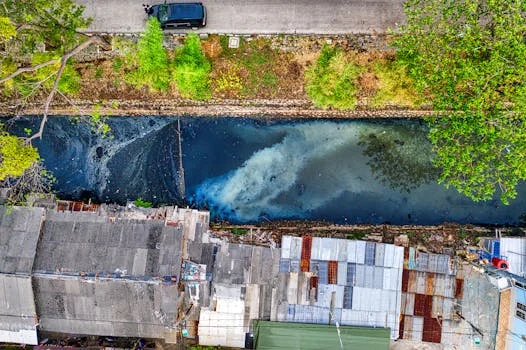
Pakistan generates approximately 96 million m³/day of wastewater according to World Bank 2023 data, yet less than 10% of this volume undergoes any form of treatment before entering natural water bodies. In industrial hubs like Lahore, Karachi, and Faisalabad, the situation is critical; a typical textile factory in Lahore may face immediate closure or fines of up to PKR 10 million (Pakistan Environmental Protection Agency 2024) if its effluent exceeds the National Environmental Quality Standards (NEQS). Industrial sectors, particularly textiles, food processing, and pharmaceuticals, contribute 60% of the country's hazardous wastewater, characterized by high Chemical Oxygen Demand (COD) and Biological Oxygen Demand (BOD) loads that traditional drainage systems cannot handle.
The rapid urbanization of Punjab and Sindh provinces has strained municipal sewage infrastructure beyond its design capacity. Decentralized package wastewater treatment plant in Pakistan installations offer a viable alternative to massive, centralized municipal plants that require years of civil construction. These modular systems provide rapid deployment—often within 8 to 12 weeks—and occupy a fraction of the land required by conventional activated sludge processes. For a facility manager, the transition to a package plant is not merely about environmental stewardship; it is a strategic move to ensure Pakistan EPA compliance for wastewater and avoid the escalating costs of regulatory non-compliance.
water scarcity is driving a shift toward "zero liquid discharge" or high-recovery reuse models. With groundwater levels dropping by several meters annually in industrial zones, the ability to treat and recycle process water becomes a competitive advantage. Package plants, specifically those utilizing advanced membrane technologies, allow industries to reclaim up to 80% of their wastewater for non-potable uses like cooling towers, irrigation, or floor washing, significantly improving the facility's water security.
Package Wastewater Treatment Plant Technologies: How They Work and Which to Choose
Selecting the correct biological process is the most critical engineering decision in the procurement of a package plant, as it dictates the system's ability to handle shock loads and the total cost of ownership. The following technologies are the primary standards for industrial effluent treatment Pakistan in 2025.
Moving Bed Biofilm Reactor (MBBR): This technology utilizes specialized plastic biofilm carriers (typically with a 30–50% fill ratio) suspended in the aeration tank. The carriers provide a high surface area for microbial growth, allowing for high biomass retention without the need for sludge recycling. MBBR is exceptionally robust against the toxic shock loads common in textile dyeing operations. Energy consumption typically ranges from 0.4–0.6 kWh/m³.
Sequencing Batch Reactor (SBR): SBR systems operate in a timed sequence of fill, react, settle, and decant within a single tank. This eliminates the need for separate secondary clarifiers, reducing the wastewater treatment plant footprint. SBRs are ideal for facilities with variable flow rates, such as small residential housing societies or food processing plants that operate in shifts. Total Suspended Solids (TSS) removal rates usually fall between 85% and 95%.
Membrane Bioreactor (MBR): This is the gold standard for high-performance treatment. It combines the activated sludge process with submerged membranes (often PVDF with a 0.1 μm pore size) that act as a physical barrier to bacteria and solids. MBR systems for near-reuse-quality effluent in Pakistan’s hospitals and industries produce water with BOD < 5 mg/L, making it suitable for direct reuse. While it offers the smallest footprint, it requires a higher OPEX due to membrane cleaning and eventual replacement every 5 to 7 years. You can compare these metrics with MBR system performance in water-scarce regions to understand performance in similar climates.
Extended Aeration: This is a simplified version of the activated sludge process with a long Hydraulic Retention Time (HRT) of 24–48 hours. It is highly stable and requires minimal technical expertise to operate, making it a favorite for remote municipal sites. However, its footprint is significantly larger than MBBR or MBR systems.
| Technology | Influent COD (mg/L) | Effluent BOD (mg/L) | Footprint (m²/100m³) | Energy (kWh/m³) | Best Use Case |
|---|---|---|---|---|---|
| MBBR | 500 - 1,500 | < 30 | 25 - 40 | 0.4 - 0.6 | Textile, Food Processing |
| SBR | 300 - 800 | < 25 | 35 - 50 | 0.5 - 0.7 | Housing Societies, Schools |
| MBR | 500 - 2,000 | < 5 | 10 - 20 | 0.6 - 1.0 | Pharma, Water Reuse |
| Extended Aeration | 200 - 500 | < 30 | 60 - 80 | 0.3 - 0.5 | Municipal Sewage |
Technical Specifications for Package Plants in Pakistan: What to Specify
Engineering specifications for a package sewage treatment plant suppliers Lahore Karachi project must be rigid to ensure the equipment survives Pakistan’s environmental conditions, including high ambient temperatures and fluctuating power quality. Procurement managers should specify the following parameters in their Request for Proposal (RFP):
- Design Flow Rate: Specify both the average daily flow and the peak hourly flow. For example, a 100-bed hospital typically requires 50 m³/h, while a medium-scale textile mill might need 200 m³/h. Always include a 20% safety buffer for future expansion.
- Influent Characteristics: Provide a detailed lab analysis of the raw wastewater. For textile mills, COD often ranges from 800–2,000 mg/L (NEQS 2024), while municipal sewage is generally lower. If high levels of fats, oils, or grease (FOG) are present, a DAF pre-treatment for high-FOG industrial wastewater in Pakistan is mandatory to prevent biological process failure.
- Effluent Targets: Define whether the goal is simple NEQS compliance (BOD < 80 mg/L) or high-grade reuse. For underground installations where space is a premium, WSZ series underground package plants for Pakistan’s residential and industrial sectors are effective for meeting municipal discharge standards within a minimal footprint (2–50 m² for smaller capacities).
- Material Construction: For corrosive pharmaceutical or chemical wastewater, specify Stainless Steel (SS304 or SS316). For standard municipal sewage, high-density polyethylene (HDPE) or carbon steel with epoxy coating is often sufficient.
- Automation Level: In regions with limited skilled labor, specify a PLC-controlled system with a HMI (Human Machine Interface) for automated sludge wasting and chemical dosing.
Cost Breakdown: CAPEX, OPEX, and ROI for Package Plants in Pakistan
The wastewater treatment plant cost Pakistan 2025 varies significantly based on technology and throughput. A standard WSZ-series plant for a small community (1–10 m³/h) typically ranges from $15,000 to $50,000. Larger industrial MBR or SBR systems (50–200 m³/h) can range from $100,000 to $500,000 depending on the degree of automation and pre-treatment required. These figures align closely with regional cost benchmarks for wastewater treatment plants in South Asia.
Operating expenses (OPEX) are dominated by energy (40%) and chemicals (20%). For a 50 m³/h MBR plant, the annual OPEX is estimated between $8,000 and $12,000. It is vital to account for "hidden" costs, such as civil works (excavation and foundations), which can add $5,000 to $20,000 to the initial budget, and annual NEQS compliance testing, which costs approximately $1,000–$3,000 per year.
| Cost Component | Estimated Percentage | Annual Estimate (50 m³/h Plant) |
|---|---|---|
| Electricity (Aeration & Pumping) | 40% | $3,200 - $4,800 |
| Chemicals (Coagulants/Disinfectants) | 20% | $1,600 - $2,400 |
| Maintenance & Spare Parts | 10% | $800 - $1,200 |
| Labor (Operator) | 15% | $1,200 - $1,800 |
| Membrane Replacement (MBR only) | 15% | $1,200 - $1,800 |
The ROI calculation for wastewater treatment in Pakistan is increasingly favorable. Textile mills paying high rates for freshwater can save roughly $0.50 per m³ by reusing treated effluent. When combined with the avoidance of PKR 10 million EPA fines, a medium-sized plant often achieves a full return on investment within 3 to 5 years. Financing is also becoming more accessible through State Bank of Pakistan (SBP) green finance initiatives and SME loans aimed at environmental compliance.
NEQS Compliance: How to Ensure Your Package Plant Meets Pakistan’s Standards
Meeting the NEQS wastewater discharge limits Pakistan requires more than just installing a biological reactor; it requires a integrated process design that accounts for the specific chemistry of the influent. The Pakistan Environmental Protection Agency (EPA) mandates specific limits for municipal and industrial effluents. Key parameters include BOD (< 80 mg/L), COD (< 150 mg/L), and TSS (< 100 mg/L). For discharge into inland waters, pH must be maintained between 6.0 and 9.0, and oil/grease must remain below 10 mg/L.
A common pitfall in Pakistan is the lack of adequate equalization. Industrial processes, especially in textiles, release wastewater in "slugs" of high temperature or extreme pH. Without an equalization tank to buffer these loads, the biological colony in the package plant will perish, leading to immediate NEQS violations. sludge management is often overlooked. If the secondary clarifier or membrane is overwhelmed by excess sludge, TSS levels will spike. Regular quarterly lab testing (costing PKR 5,000–10,000 per sample) is required to maintain the operational logbooks necessary for EPA audits.
Pre-treatment is equally vital. For example, food processing plants must utilize screening and DAF to remove solids and grease before the water enters the biological stage. Pharmaceutical plants may require pH adjustment and advanced oxidation to break down complex organic compounds that are otherwise non-biodegradable. Maintaining a rigorous documentation trail of chemical dosing and influent/effluent quality is the best defense during a regulatory inspection.
Supplier Evaluation Framework: How to Choose a Package Plant Vendor in Pakistan
The market for package wastewater treatment plant in Pakistan is fragmented, with vendors ranging from local fabricators to international technology providers. To ensure long-term reliability, engineers should use a weighted scorecard to evaluate potential partners. You can adapt this from the supplier evaluation framework for South Asian markets to suit local logistics.
Technical expertise must be backed by ISO 9001 and ISO 14001 certifications. A critical differentiator in the Pakistani market is local support. A supplier might offer a low CAPEX, but if they lack a service center in Karachi or Lahore, the cost of downtime for a simple pump failure will quickly exceed any initial savings. Buyers should insist on 24/7 service availability and a guaranteed stock of critical spare parts like membranes and blowers.
| Criteria | Weight | What to Look For |
|---|---|---|
| Local Support & AMC | 30% | Presence in major cities, 24h response time |
| Technical Compliance | 25% | Proven NEQS effluent reports from 3rd party labs |
| Case Studies | 20% | 3+ references in similar industries in Pakistan |
| Scalability | 15% | Modular design for future expansion |
| Warranty Terms | 10% | 1 year on equipment, 5 years on structure |
Always request at least three local references. Visit these sites to verify the actual effluent quality and ask the facility operators about the supplier's responsiveness to maintenance calls. A supplier who offers an Annual Maintenance Contract (AMC) demonstrates confidence in their equipment's durability.
Procurement Checklist: Step-by-Step Guide to Buying a Package Plant in Pakistan
Following a structured procurement process minimizes the risk of technical failure and budget overruns. Use this checklist as a roadmap for your project:
- Needs Assessment: Conduct a 24-hour composite sampling of your wastewater. Determine your peak flow and target effluent quality (NEQS vs. Reuse).
- Technology Selection: Use the comparison table in this guide to choose between MBBR, SBR, or MBR based on your space and budget constraints.
- RFP Issuance: Send detailed specs to at least three qualified suppliers. Require them to provide energy consumption guarantees.
- Site Visits: Inspect existing installations from the shortlisted vendors to verify performance and build quality.
- Contract Finalization: Ensure the contract includes performance guarantees (penalties if effluent fails NEQS), training for your staff, and a clear warranty.
- Civil Works Preparation: Coordinate with the supplier to prepare foundations and utility connections (power, water, drainage) while the plant is being fabricated.
- Installation & Commissioning: Oversee the Site Acceptance Test (SAT). Ensure the biological culture is properly seeded and stabilized.
- Compliance Verification: Conduct a final third-party lab test of the effluent to confirm the plant meets all regulatory requirements before final payment.
Frequently Asked Questions
What is the difference between a package wastewater treatment plant and a conventional plant?
Package plants are pre-engineered, modular, and mostly factory-built, allowing for rapid installation and a smaller footprint. Conventional plants are custom-designed, built on-site with extensive civil works, and are generally intended for much larger municipal flows.
How much does a 50 m³/h package plant cost in Pakistan?
A 50 m³/h plant typically costs between $100,000 and $250,000 for the equipment (CAPEX), depending on the technology (MBBR vs. MBR) and the level of automation required.
What are the NEQS limits for industrial wastewater discharge in Pakistan?
The primary limits for inland water discharge are BOD < 80 mg/L, COD < 150 mg/L, TSS < 100 mg/L, and pH 6–9.
Which technology is best for textile wastewater treatment: MBBR or SBR?
MBBR is generally preferred for textiles because the biofilm is more resilient to the toxic shock loads and chemical fluctuations common in dyeing and finishing processes.
Can a package plant be installed underground in Pakistan?
Yes, many integrated systems like the WSZ series are specifically designed for underground installation to save surface space, which is ideal for hospitals and housing societies.