In Bihar, sewage treatment equipment costs range from ₹1.75 lakh for a 5 KLD basic plant to ₹50+ lakh for a 1000 KLD MBR system, with Bihar State Pollution Control Board (BSPCB) mandating compliance with CPCB’s General Standards for Discharge (GSD) of 30 mg/L BOD and 100 mg/L TSS. Suppliers like Netrox Aqua Fresh and Solrite India offer MBBR and SBR systems, but procurement decisions must weigh influent characteristics (e.g., Patna’s high organic load), space constraints, and after-sales support. This guide compares 2025 engineering specs, costs, and vendor credibility to help you select the right system.
Why Bihar’s Sewage Treatment Needs Are Unique: Influent Challenges, Space Constraints & Compliance Risks
Bihar’s specific environmental conditions and regulatory landscape present unique challenges for sewage treatment, demanding tailored solutions beyond generic equipment specifications. For instance, Patna’s raw sewage exhibits a significantly higher Biochemical Oxygen Demand (BOD) load, typically ranging from 300–500 mg/L, which is considerably above the national average of 200–300 mg/L, according to BSPCB 2023 data. This elevated organic load stems from dense urbanization and mixed industrial discharges, requiring robust treatment technologies capable of handling such concentrations effectively.
Space constraints are another critical factor, particularly in rapidly developing urban centers like Gaya and Muzaffarpur. Conventional activated sludge plants (ASP) demand substantial land, typically around 1.2 m²/KLD (kiloliters per day), making them impractical for many urban projects. In contrast, compact systems like Membrane Bioreactors (MBR) require a footprint as small as 0.5 m²/KLD, offering a viable alternative for sites with limited land availability. the Bihar State Pollution Control Board (BSPCB) rigorously enforces the Central Pollution Control Board’s (CPCB) General Standards for Discharge (GSD), mandating effluent quality of 30 mg/L BOD and 100 mg/L Total Suspended Solids (TSS). Non-compliance can lead to severe penalties, including fines up to ₹10 lakh, as per BSPCB 2024 guidelines, making robust compliance a primary procurement driver.
Seasonal variations, particularly the monsoon and dry seasons, also profoundly impact influent quality and flow rates in Bihar. During monsoons, storm water infiltration can dilute sewage but introduce higher suspended solids and fluctuating hydraulic loads, challenging treatment efficiency. Conversely, the dry season often brings more concentrated sewage with higher organic loads. Designing a sewage treatment plant in Bihar must account for these fluctuations to ensure consistent performance and compliance year-round, often requiring buffer tanks or adaptable process controls.
Sewage Treatment Technologies for Bihar: MBBR vs SBR vs MBR vs Conventional ASP
Selecting the optimal sewage treatment technology in Bihar hinges on balancing capacity requirements, available space, effluent quality targets, and operational costs. Each technology offers distinct advantages and trade-offs tailored to specific project needs.
Moving Bed Biofilm Reactor (MBBR)
MBBR systems are ideal for projects ranging from 50 to 1000 KLD, particularly where space is a limiting factor. These systems achieve 85–95% BOD removal by utilizing thousands of polyethylene carriers that provide a large surface area for microbial growth, enhancing biological treatment efficiency. Their modular design allows for easy expansion, making them suitable for phased development. MBBR systems are known for their operational stability and resilience to shock loads, a crucial advantage given Bihar’s variable influent conditions.
Sequencing Batch Reactor (SBR)
SBR technology is a cost-effective solution for projects typically between 100 and 500 KLD, delivering 90–95% BOD removal. Unlike continuous flow systems, SBRs operate in batches within a single tank, performing equalization, aeration, and clarification sequentially. While efficient, SBRs require effective equalization tanks to manage variable influent loads, common in many industrial and municipal settings in Bihar. Their simplicity in operation and footprint efficiency make them a popular choice for many applications.
Membrane Bioreactor (MBR)
MBR systems represent the most advanced and compact solution, producing near-reuse-quality effluent with BOD levels often below 10 mg/L. These systems integrate biological treatment with membrane filtration, offering a 60% smaller footprint compared to conventional ASPs. MBRs are particularly suited for compliance-critical applications such as hospitals, hotels, and industrial facilities aiming for water reuse, where superior effluent quality is paramount. However, MBRs have a higher operational expenditure (OPEX) primarily due to membrane replacement costs, which can range from ₹2–4 lakh per year for a 100 KLD plant, and higher energy consumption. For projects demanding near-reuse quality effluent in Bihar’s compliance-critical projects, an MBR system offers unmatched performance.
Conventional Activated Sludge Plant (ASP)
Conventional ASPs offer the lowest capital expenditure (CAPEX) among the technologies, typically costing ₹1.5–2.5 lakh per KLD. However, they require the largest footprint, approximately 1.2 m²/KLD, making them suitable primarily for rural areas or large municipal projects with abundant land availability. ASPs achieve 80–90% BOD removal but are more sensitive to influent fluctuations and require careful sludge management. While cost-effective upfront, their land requirement often disqualifies them for urban developments in Bihar.
Technology Comparison for Sewage Treatment in Bihar
| Feature | MBBR | SBR | MBR | Conventional ASP |
|---|---|---|---|---|
| Typical Capacity Range (KLD) | 50–1000 | 100–500 | 50–2000+ | 500–5000+ |
| BOD Removal Efficiency | 85–95% | 90–95% | >95% (<10 mg/L) | 80–90% |
| Footprint (m²/KLD) | 0.7–1.0 | 0.8–1.1 | 0.4–0.6 | 1.2–1.5 |
| CAPEX (₹ lakh/KLD) | 3–5 | 2–3.5 | 4–7 | 1.5–2.5 |
| OPEX (₹/KLD/month) | 0.7–1.2 | 0.5–1.0 | 1.0–1.5 (higher for membranes) | 0.6–1.0 |
| Key Advantage for Bihar | Modular, robust against shock loads, good for limited space. | Cost-effective, good effluent, simpler operation. | Smallest footprint, highest effluent quality (reuse potential). | Lowest CAPEX, suitable for ample land. |
For Bihar-specific considerations, MBBR and SBR systems offer good monsoon resilience due to their ability to handle hydraulic and organic load variations, especially with proper design including equalization. MBR excels in producing high-quality effluent required for stringent discharge norms or water reuse, often seen in medical wastewater treatment systems where compliance is critical.
Bihar Pollution Control Board (BSPCB) Compliance: Standards, Permits & Penalties for Sewage Treatment
Adhering to the Bihar State Pollution Control Board (BSPCB) regulations is a non-negotiable aspect of any sewage treatment project in Bihar, with stringent standards and significant penalties for non-compliance. The primary regulatory framework is set by the Central Pollution Control Board (CPCB), whose General Standards for Discharge (GSD) dictate the permissible limits for treated sewage effluent. These standards mandate a Biochemical Oxygen Demand (BOD) of no more than 30 mg/L, Total Suspended Solids (TSS) at 100 mg/L, and Chemical Oxygen Demand (COD) not exceeding 250 mg/L (CPCB 2024).
Beyond the CPCB’s GSD, BSPCB imposes additional requirements specific to the state. These include maintaining the pH of discharged effluent between 6.5 and 8.5, ensuring no visible oil or grease, and for discharge into surface waters, limiting fecal coliform to less than 1000 MPN/100 mL (BSPCB 2023). These stringent norms are crucial for protecting Bihar’s water bodies and public health.
The permit process involves two main stages: obtaining the Consent to Establish (CTE) before construction begins, followed by the Consent to Operate (CTO) once the plant is commissioned. Based on information from the BSPCB website, the typical timeline for securing these permits ranges from 30 to 60 days, provided all documentation is complete and compliant. Delays can occur due to incomplete applications or failure to meet initial environmental impact assessments.
Non-compliance carries substantial penalties under the Environment Protection Act 1986. Fines can range from ₹50,000 to ₹10 lakh, and repeated offenses can lead to more severe actions, including the seizure of equipment and even imprisonment for responsible parties. Common compliance pitfalls in Bihar include underestimating influent variability, which can lead to overloaded plants, and neglecting the installation of adequate equalization tanks, especially critical for facilities with fluctuating discharge patterns. Utilizing automated chemical dosing systems can help maintain consistent treatment performance despite influent variability, aiding compliance.
Cost Breakdown for Sewage Treatment Plants in Bihar: 2025 Engineering Estimates by Capacity & Technology
Accurate budgeting for sewage treatment plants (STPs) in Bihar requires a detailed understanding of both capital expenditure (CAPEX) and operational expenditure (OPEX), which vary significantly by capacity and chosen technology. For a typical 50 KLD STP, the CAPEX can be broadly broken down as follows: equipment costs represent approximately 60% of the total, civil works account for about 25%, installation costs are around 10%, and commissioning comprises the remaining 5%.
The per-KLD cost for different technologies in Bihar, based on 2025 market data, provides a clear benchmark:
- MBBR systems: ₹3–5 lakh per KLD.
- SBR systems: ₹2–3.5 lakh per KLD.
- MBR systems: ₹4–7 lakh per KLD (reflecting higher technology and membrane costs).
- Conventional ASPs: ₹1.5–2.5 lakh per KLD (lowest CAPEX but highest land requirement).
Operational expenditure (OPEX) is another critical factor, typically ranging from ₹0.5–1.5 per KLD per month. This covers electricity consumption, chemical reagents, and labor for operation and maintenance. MBR systems generally incur higher OPEX due to the need for periodic membrane replacement and higher energy demands for filtration. For instance, a 100 KLD MBR plant might face annual membrane replacement costs of ₹2–4 lakh, in addition to standard operational costs.
A key decision point is between conventional civil construction and prefabricated systems. Prefabricated (package) STPs can save up to 30% on civil works and offer faster deployment, but they demand skilled installation to ensure proper functionality and longevity. A case study from a Patna hotel project demonstrated significant time and cost savings by opting for a prefabricated underground package sewage treatment plant for Bihar’s space-constrained sites, which minimized on-site construction disruption.
A general cost calculator formula for estimating total CAPEX is: Total CAPEX = (Capacity in KLD × Cost/KLD) + Civil Works + Installation. For a more detailed understanding of cost breakdowns, particularly for varying capacities and technologies, refer to engineering breakdowns and ROI decision frameworks, which provide methodologies applicable across different regions.
Estimated STP Costs in Bihar by Capacity & Technology (2025)
| Capacity (KLD) | MBBR (₹ Lakhs) | SBR (₹ Lakhs) | MBR (₹ Lakhs) | ASP (₹ Lakhs) |
|---|---|---|---|---|
| 50 | 15–25 | 10–17.5 | 20–35 | 7.5–12.5 |
| 100 | 30–50 | 20–35 | 40–70 | 15–25 |
| 250 | 75–125 | 50–87.5 | 100–175 | 37.5–62.5 |
| 500 | 150–250 | 100–175 | 200–350 | 75–125 |
Top 5 Sewage Treatment Equipment Suppliers in Bihar: 2025 Vendor Comparison with Credibility Checklist
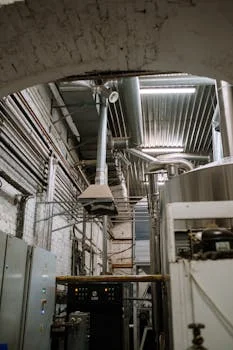
Selecting the right sewage treatment equipment supplier in Bihar is crucial for long-term project success, encompassing not just initial costs but also technical expertise, compliance support, and reliable after-sales service. A thorough vendor evaluation helps procurement managers make informed decisions.
Vendor Profiles:
- Netrox Aqua Fresh: This supplier is a prominent name in Bihar, known for offering MBBR and SBR systems. With over 10 years of experience in the region and GST-verified credentials, their strength lies in local service and established presence. However, their offerings in advanced MBR technology might be more limited compared to specialized firms.
- Solrite India: Solrite India Private Limited specializes in advanced wastewater solutions, including Zero Liquid Discharge (ZLD) systems and has a track record of hospital projects in Patna. Their strengths include robust compliance support and expertise in complex industrial applications, though this often translates to a comparatively higher CAPEX.
- Enzotech Solutions: Enzotech is recognized for providing budget-friendly Activated Sludge Plant (ASP) systems and has been operating in Bihar for over 5 years. Their main strength is cost-effectiveness, making them suitable for projects with tight budgets and ample land. A potential weakness could be longer lead times for custom projects.
- Right Water Purification: This company offers comprehensive solutions, including commercial RO plants combined with STPs, with over 8 years of experience. Their strength is providing turnkey solutions that integrate various water treatment needs. However, their industrial wastewater treatment experience might be less extensive than specialized STP providers.
- Green Heritage: Green Heritage is known for its prefabricated STPs and has a significant presence of over 15 years in the market. Their primary strength lies in quick deployment and standardized, reliable systems. A potential weakness is limited customization options for highly unique or complex influent conditions.
Vendor Credibility Checklist:
To differentiate suppliers effectively, procurement managers should consider a comprehensive credibility checklist:
- Certifications: Verify ISO 9001 (quality management) and relevant environmental certifications.
- Regulatory Approvals: Ensure the vendor has a history of successful BSPCB and CPCB approvals for their installed projects.
- Case Studies & References: Request detailed case studies, particularly for projects in Bihar or similar influent conditions, and contactable client references.
- After-Sales Support: Evaluate their commitment to after-sales service, including onsite training for operators, availability of spare parts, and response times for maintenance.
- Technical Expertise: Assess the engineering team's qualifications and their ability to provide tailored solutions rather than off-the-shelf products.
For a more comprehensive approach to evaluating suppliers, considering a robust vendor evaluation framework for sewage treatment equipment suppliers can prove invaluable.
Comparative Overview of Key STP Suppliers in Bihar (2025)
| Supplier | Primary Technologies | Bihar Experience | Key Strength | Consideration |
|---|---|---|---|---|
| Netrox Aqua Fresh | MBBR, SBR | 10+ years | Local service, established presence | Limited MBR offerings |
| Solrite India | ZLD, various STPs | GST Verified, Hospital projects | Compliance support, ZLD expertise | Higher CAPEX |
| Enzotech Solutions | ASP, ETP | 5+ years | Budget-friendly, low cost | Potentially longer lead times |
| Right Water Purification | RO + STP combos | 8+ years | Turnkey solutions, integrated systems | Limited heavy industrial experience |
| Green Heritage | Prefabricated STPs | 15+ years | Quick deployment, standardized units | Limited customization for complex needs |
ROI Calculation for Sewage Treatment Plants in Bihar: Payback Period, Compliance Savings & Water Reuse Benefits
Investing in a sewage treatment plant (STP) in Bihar offers significant returns beyond mere compliance, providing quantifiable benefits that justify the capital outlay to stakeholders. The payback period for STPs typically ranges from 3–5 years for municipal projects and can be as short as 2–3 years for industrial applications, largely driven by substantial water reuse savings.
One of the most immediate financial benefits is the avoidance of penalties for non-compliance. As per BSPCB 2024 guidelines, facilities failing to meet discharge standards face fines ranging from ₹50,000 to ₹10 lakh. A compliant STP ensures these penalties are entirely averted, representing a direct annual saving that contributes significantly to the ROI calculation.
For industries in Bihar, water reuse presents a compelling economic incentive. By treating and recycling effluent, industries such as textile manufacturing, food processing, and cooling tower operations can achieve a 30–50% reduction in their fresh water procurement and discharge costs. This substantial operational expenditure (OPEX) reduction directly translates into improved profitability and a shorter payback period for the STP investment.
government incentives can significantly enhance the financial viability of STP projects. Under the Namami Gange program, for instance, eligible STP projects in Bihar can receive subsidies of 25–30% of the total project cost, according to 2025 guidelines. These subsidies directly reduce the initial CAPEX, accelerating the payback period and increasing the overall attractiveness of the investment.
The Return on Investment (ROI) for a sewage treatment plant in Bihar can be calculated using the following formula: Payback (years) = Total CAPEX / (Annual Compliance Savings + Annual Water Reuse Savings + Annual Subsidies). This framework allows procurement managers to clearly articulate the financial advantages and long-term sustainability benefits of a well-designed and compliant sewage treatment system.
Frequently Asked Questions
Q: What is the cost of a 100 KLD sewage treatment plant in Bihar?
A: The capital expenditure (CAPEX) for a 100 KLD sewage treatment plant in Bihar typically ranges from ₹20–35 lakh for SBR or MBBR systems, and ₹30–50 lakh for advanced MBR technology, based on 2025 market data. The final cost varies significantly depending on the chosen technology, civil works requirements, and specific site conditions.
Q: How much does it cost to build a sewage treatment plant in Bihar?
A: The cost to build a sewage treatment plant in Bihar generally ranges from ₹1.5–7 lakh per KLD (kiloliter per day) of treatment capacity. This wide range accounts for factors such as the plant's overall capacity, the specific treatment technology employed (e.g., ASP, MBBR, SBR, MBR), and the extent of civil works required. Refer to the detailed cost breakdown section above for specific technology estimates.
Q: Which is better for Bihar: SBR or MBBR?
A: Both SBR (Sequencing Batch Reactor) and MBBR (Moving Bed Biofilm Reactor) are effective technologies for Bihar, but the "better" choice depends on project specifics. MBBR systems are generally preferred for space-constrained urban projects like hospitals in Patna due to their compact footprint and modularity. SBR systems, while requiring slightly more space, can be more cost-effective for budget-conscious rural or semi-urban projects, offering robust performance with proper equalization tanks.
Q: What are BSPCB’s sewage discharge standards?
A: The Bihar State Pollution Control Board (BSPCB) enforces the Central Pollution Control Board’s (CPCB) General Standards for Discharge (GSD). Key parameters include a Biochemical Oxygen Demand (BOD) of 30 mg/L, Total Suspended Solids (TSS) of 100 mg/L, and a pH range of 6.5–8.5. Additional BSPCB requirements may include limits on fecal coliform and the absence of visible oil and grease.
Q: Can treated sewage be reused in Bihar?
A: Yes, treated sewage effluent can be reused in Bihar, subject to specific quality standards and BSPCB permits. Common applications for treated wastewater include irrigation for non-food crops, use in cooling towers, and for toilet flushing in commercial or industrial facilities. Industrial reuse, particularly for process water, often requires higher treatment levels (e.g., MBR followed by tertiary treatment) and explicit regulatory approval.