What changes when a Kalamazoo metals fabricator compares MBR and activated sludge?
For fabricated metals wastewater in Kalamazoo, MBR is usually the stronger option when low suspended solids, compact equipment, automated operation, water reuse, or feed to reverse osmosis is important. Conventional activated sludge may cost less initially and suit stable, high-flow wastewater when adequate clarifier and polishing capacity is available. MBR combines activated-sludge biology with membrane separation instead of a secondary clarifier; the supplied commercial source reports up to 50% smaller footprint for its cited configuration, while HydropureWater specifies 60% smaller footprint for its catalog system. Neither system is automatically compliant: the final choice depends on the actual metals stream, required effluent quality, pretreatment needs, and Kalamazoo discharge requirements.
An industrial membrane bioreactor combines a suspended-growth bioreactor with microfiltration or ultrafiltration. Conventional activated sludge also uses suspended-growth biology, but separates biomass in a secondary clarifier. The choice is therefore not simply “membrane or no membrane.” It is a comparison between two complete treatment trains: equalization, contaminant-specific pretreatment, biological treatment, solids separation, polishing, and whatever disinfection or reuse treatment the receiving condition requires.
That distinction matters because metal-forming, finishing, washing, machining, and coating operations can produce different combinations of oils, suspended solids, colloids, metals, salts, and cleaning chemicals. A process that handles a stable, predominantly biodegradable discharge may be adequate for conventional activated sludge. A variable stream with restricted space, reuse targets, or a need for low suspended solids may justify MBR after suitable pretreatment.
No source-specific Kalamazoo discharge limits or metals concentrations were supplied, so this comparison cannot establish a local compliance threshold. The applicable sewer-use permit, pretreatment permit, or reuse specification must be obtained before sizing. For a broader commercial reference, see the MBR wastewater treatment cost per m³.
Map the wastewater before choosing a biological reactor
The wastewater characterization is the first gate, because oils, colloids, suspended metal fines, paint residues, metals, and cleaners can foul membranes or upset biological treatment. Obtain representative data across production cycles rather than relying on one grab sample. The minimum engineering dataset should cover flow, COD, BOD, TSS, oil and grease, pH, metals, conductivity, toxicity, and temporal variability.
Separate soluble biodegradable organics from material that a membrane or clarifier cannot reliably remove. Free oil and grease can coat membranes and interfere with separation. Suspended metal fines can increase solids loading, while colloids may pass through or foul a clarifier. Metals are a separate issue: biological treatment does not make them disappear. Their fate depends on precipitation, adsorption, membrane behavior, and the resulting sludge-handling requirements.
For this reason, consider upstream DAF pretreatment for metals wastewater. Dissolved air flotation is not an alternative to either biological process. Its relevant application scope is the removal of suspended solids, oil and grease, and colloidal matter before biological treatment.
| Project input | Why it affects the MBR decision | Why it affects activated sludge |
|---|---|---|
| Flow and variability | Defines equalization, hydraulic loading, and membrane configuration. | Defines aeration, basin volume, clarifier loading, and pumping. |
| COD and BOD | Establishes biological loading and required reaction capacity. | Establishes sludge production and aeration demand. |
| TSS and colloids | Indicates membrane fouling and pretreatment needs. | Indicates clarifier capture and polishing requirements. |
| Oil and grease | Tests whether DAF or another removal step must precede the reactor. | Tests whether upstream removal is needed to protect biology and sludge. |
| pH, conductivity, and metals | Determines chemical compatibility, biological inhibition, and precipitation needs. | Determines biological inhibition, sludge handling, and polishing needs. |
| Toxicity | Identifies whether equalization and acclimation are necessary. | Identifies whether the biological process can operate safely on the stream. |
No supplied source establishes universal flow, concentration, or pretreatment thresholds for fabricated metals wastewater. Acceptance criteria must be derived from the actual stream, the receiving sewer or reuse specification, and pilot results. A supplier that selects tank volume or membrane area before receiving that basis is prescribing equipment before defining the duty.
Compare the two treatment trains from influent to final effluent
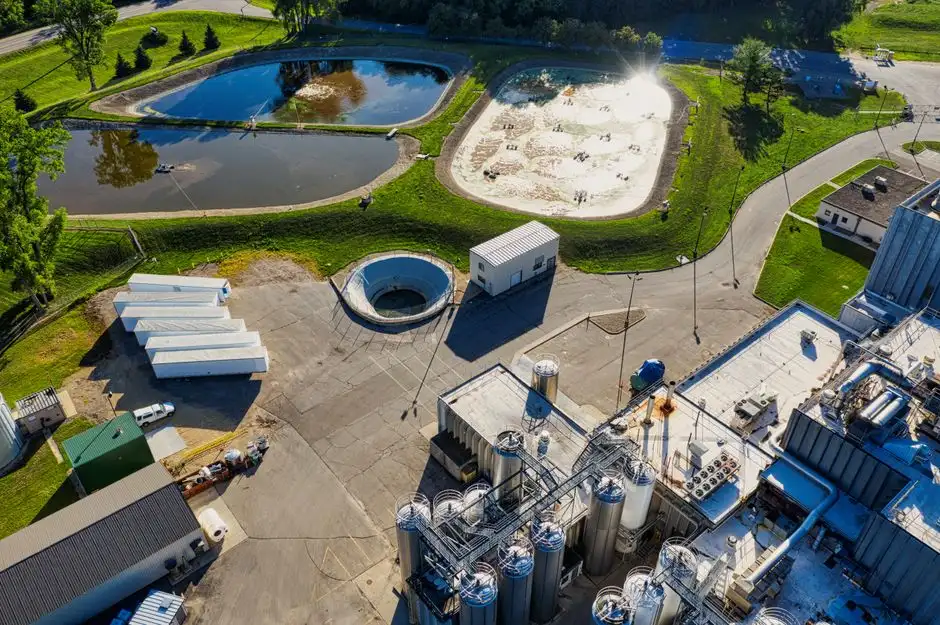
MBR retains biomass within the bioreactor and uses membranes for solid-liquid separation, while conventional activated sludge relies on a secondary clarifier. That structural difference affects footprint, solids carryover, downstream treatment, and operating controls, but it does not remove the need for biological capacity or upstream contaminant removal.
PCI Membranes describes MBR effluent as free of suspended solids and reduced in bacteria and viral content. The same source identifies reuse and direct feed to reverse osmosis as potential applications. These characteristics can reduce the solids load on downstream polishing when low suspended solids, water reuse, or RO feed is the project objective. They do not, by themselves, demonstrate that a given Kalamazoo effluent will meet its applicable permit.
The footprint claims require careful scope. PCI Membranes reports up to 50% smaller footprint for its cited MBR configuration, in which a smaller membrane chamber replaces a clarifier and the bioreactor can maintain a higher biomass concentration. HydropureWater’s internal catalog specifies a 60% smaller footprint than conventional systems for its catalog configuration. These are configuration-specific claims, not a universal savings percentage or a Kalamazoo site prediction.
| Decision factor | Industrial membrane bioreactor | Conventional activated sludge |
|---|---|---|
| Biological stage | Suspended-growth bioreactor with retained biomass. | Suspended-growth bioreactor with biomass separated downstream. |
| Solids separation | Microfiltration or ultrafiltration replaces the secondary clarifier. | Secondary clarifier separates biomass from treated liquid. |
| Suspended solids | PCI Membranes describes effluent as free of suspended solids. | Carryover depends on clarifier performance and operating control. |
| Reuse and RO | Potentially favorable low-solids effluent for polishing or RO feed. | May require additional solids removal or polishing. |
| Automation | PCI Membranes states operation can be fully automated and minimize operator intervention. | Established operation, with more dependence on clarification and sludge-management control. |
| Space claim | Up to 50% smaller in PCI Membranes’ cited configuration; 60% smaller in HydropureWater’s catalog configuration. | Requires aeration, reactor, and secondary-clarifier footprint. |
| Metals removal | Not inherently guaranteed; depends on upstream chemistry, membrane behavior, and sludge handling. | Not inherently guaranteed; depends on upstream chemistry, biosorption, and sludge handling. |
The process sequence should remain explicit: screening and equalization, contaminant-specific pretreatment, biological treatment, solids separation, required polishing, then final disinfection or reuse treatment. Equipment such as a mechanical bar screen may protect downstream units, but it does not replace equalization or DAF where oils and suspended material are present. An integrated MBR membrane bioreactor system addresses the biological and membrane stages; pretreatment and final polishing still have to match the stream.
Choose membranes, pretreatment, and operating strategy around the actual stream
Membrane arrangement should follow the wastewater characteristics, not precede them. PCI Membranes states that pressure-driven membranes are typically used for smaller installations or difficult industrial wastewaters, while submerged membranes are generally used for medium and large installations. The supplier should explain how that selection applies to the Kalamazoo flow, waste characteristics, and operator capability.
PCI Membranes reports that both MF and UF can serve in MBR applications, with UF typically preferred in its comparison because of stronger separation characteristics and a lower fouling tendency associated with the smaller pore size. For a metals-fabricating stream, that general guidance still requires confirmation through feed characterization and pilot work. Free grease, colloids, suspended fines, chemical cleaners, and incompatible pH can dominate fouling behavior.
| Evaluation item | Engineering question for the actual wastewater | Acceptance evidence |
|---|---|---|
| Membrane format | Do submerged or pressure-driven elements better fit the flow, solids, and maintenance plan? | Supplier design basis and pilot recommendation. |
| Separation range | Is MF or UF required for the effluent or downstream polishing objective? | Treated-water solids, colloid, and turbidity results. |
| Anti-fouling design | Are equalization, solids removal, pH control, and chemical compatibility adequate? | Operating envelope and cleaning assumptions. |
| Module configuration | Does the proposed area and production rate match the design flow? | Verified mass-loading and hydraulic calculations. |
| Maintenance | Can the site perform cleaning, inspection, and module replacement safely? | Maintenance plan, spare strategy, and operator training scope. |
HydropureWater’s DF-series offers an example of submerged flat-sheet PVDF modules with 0.1 μm pore size and integrated aeration. The catalog configurations cover 80–225 m² of membrane area and 32–135 m³/day production. These are available-system specifications, not a sizing recommendation for a Kalamazoo facility. The DF membrane bioreactor module specifications illustrate the configuration variables a supplier must define against the project’s flow and loading basis.
Final sizing still requires a wastewater characterization and pilot assessment because the supplied research contains no Kalamazoo flow or load basis. If reuse is planned, the required polishing sequence should also be defined; an ultrafiltration system may be relevant as a separate evaluation, but its selection cannot replace analysis of the biological effluent.
Build the Kalamazoo decision around total installed and operating risk
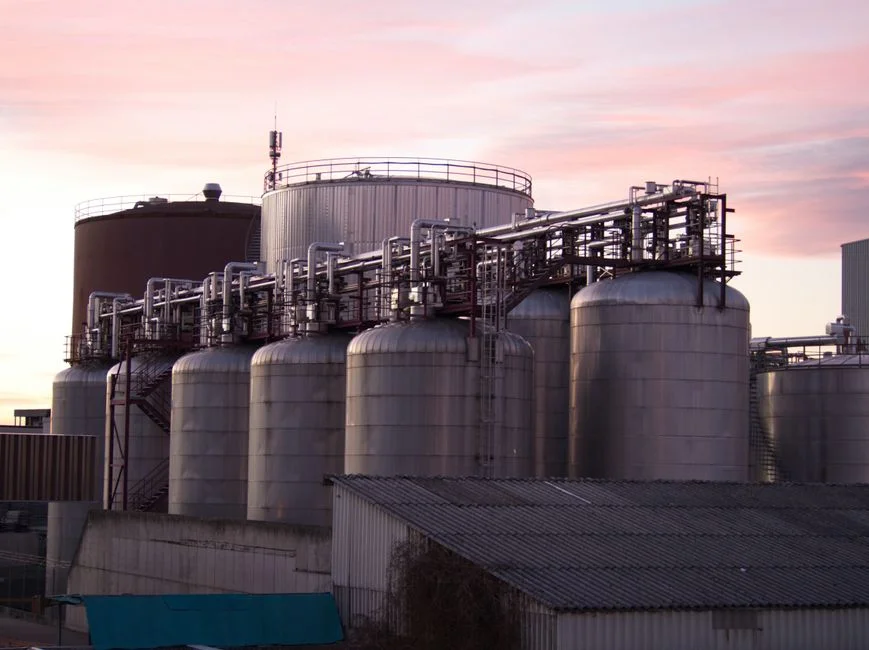
The relevant comparison is installed, permitted life-cycle risk, not the price of a reactor tank. Both alternatives require equalization, pretreatment, biological treatment, solids handling, controls, electrical service, and a discharge or reuse route. MBR can reduce or consolidate the clarifier-related footprint, while conventional activated sludge may align better with familiar staffing, maintenance, and operator practice. Neither footprint claim tells the buyer who owns the fouling, cleaning, and replacement risk.
| Cost and risk category | MBR-specific issue to price | Activated-sludge-specific issue to price |
|---|---|---|
| Installed equipment | Membrane modules, scouring air, pumping, controls, equalization, pretreatment, and building works. | Aeration basin, secondary clarifier, return and waste sludge pumping, controls, equalization, and pretreatment. |
| Operating inputs | Aeration energy, membrane scouring, pumping, cleaning chemicals, and downtime. | Aeration energy, mixing, pumping, return sludge, and clarifier operation. |
| Residual handling | Concentrated waste sludge and membrane cleaning residues. | Waste sludge from the clarifier and biological process. |
| Staffing and maintenance | Instrumentation, membrane cleaning, inspection, and module replacement. | Sludge management, clarifier control, biological monitoring, and equipment maintenance. |
| Compliance exposure | Permit basis, membrane availability, solids carryover, and documented feed conditions. | Permit basis, clarifier solids carryover, sludge management, and biological upset recovery. |
PCI Membranes states that MBR operation can be fully automated and minimize operator intervention. That can reduce routine attention, but it should not be converted into an assumption of unattended operation. The budget must still include membrane maintenance, control logic, spare parts, cleaning access, and site-specific process control.
Define the compliance basis before comparing bids: TSS, oil and grease, pH, metals, toxicity, whole effluent toxicity, and any sewer-discharge or reuse conditions actually applicable to the site. Do not assign a Kalamazoo equipment price or payback period without flow, wastewater analysis, permit requirements, and site layout. Obtain vendor quotations using the same design and effluent basis, then test the MBR cost per m³ calculation against the selected operating scenario.
Use a staged selection and pilot process
A staged process converts the technical trade-offs into procurement decisions while limiting avoidable risk. The sequence below applies whether the leading option is MBR or conventional activated sludge.
- Establish the duty. Obtain a representative wastewater dataset and obtain the receiving-sewer, pretreatment, or reuse specification. Identify production-driven variability, batch discharges, and the conditions that define acceptable treated water.
- Develop both concepts. Complete hydraulic and mass-loading calculations, footprint checks, pretreatment selection, corrosion review, utilities assessment, and residual-handling plans for MBR and activated sludge.
- Pilot unresolved risks. Test the selected biological and advanced treatment approach where metals variability, toxicity, membrane fouling, sludge settling, or reuse performance remains uncertain. Use documented feed conditions and enough operating periods to expose seasonal and production changes.
- Write enforceable guarantees. Tie performance guarantees to the final effluent basis, membrane availability, cleaning assumptions, documented feed-water conditions, and clearly defined testing methods.
- Compare the bids. Evaluate installed cost, operating inputs, sludge disposal, redundancy, operator workload, and compliance risk rather than tank price alone. For a related alternative, use the MBR versus MBBR comparison for industrial wastewater to clarify whether the proposed biological configuration matches the project objective.
The recommendation follows from the completed work. Choose MBR when low suspended solids, compact equipment, automation, reuse, or RO feed justifies its lifecycle and maintenance burden. Retain conventional activated sludge when the stream is stable and biodegradable, adequate space and clarifier performance are available, and the simpler established process provides the lower implementation risk.
Frequently Asked Questions
What budget should a Kalamazoo metals fabricator set for MBR or activated sludge?
No defensible Kalamazoo price can be calculated without flow, wastewater analysis, pretreatment needs, site footprint, and the required effluent basis. Request installed quotations that separately identify equalization, DAF or other pretreatment, biological equipment, solids separation, controls, electrical work, building modifications, sludge handling, polishing, installation, and commissioning. Compare the operating assumptions as well as the initial capital request.
What data should a supplier request before sizing an MBR or activated-sludge system?
Require representative flow, COD, BOD, TSS, oil and grease, pH, metals, conductivity, toxicity, and temporal-variability data, together with the receiving or reuse specification. The supplier should then document hydraulic and solids loading, membrane area or basin and clarifier sizing, pretreatment criteria, utilities demand, and residual handling. Tank volume or module configuration should not be selected from a generic daily-flow figure alone.
How should a buyer select an MBR supplier?
Require a bid that identifies the proposed membrane material, geometry, pore size or separation basis, available membrane area, scouring and cleaning strategy, control philosophy, redundancy, maintenance support, and performance guarantees tied to documented influent conditions. Require evidence from comparable industrial streams and a site-specific pilot where the project uncertainty warrants one. A catalog footprint claim alone is not a complete technical or commercial offer.
Does an MBR performance claim establish regulatory compliance?
No. PCI Membranes describes MBR effluent quality and reuse potential, while HydropureWater’s catalog states a filtration basis and footprint claim for its system. Those equipment claims do not establish compliance with a Kalamazoo sewer, pretreatment, or reuse requirement. Compliance must be demonstrated against the applicable written permit and receiving-sewer conditions using representative feed data and accepted testing methods.