Tube Settler Vs Lamella Clarifier Cost Efficiency
Tube settler vs lamella clarifier cost efficiency favors tube packs when influent TSS stays at 50–500 mg/L and a sound basin can be reused. Those modules raise settling area 6–8× and remove 92–97% TSS at 2.0–5.0 m³/m²·h. Lamella packages handle solids above 500 mg/L.
Tube Settler Clarifier vs Alternatives: Quick Engineering Verdict
Tube settler clarifier modules raise effective settling area by 6–8× versus conventional basins. They typically remove 92–97% TSS at 50–500 mg/L influent and 2.0–5.0 m³/m²·h loading. Lamella units suit solids to 1,000+ mg/L. Plate packs favor low-cost retrofits; conventional basins fit stable flows on larger sites.
Procurement and process teams usually compare four options: tube packs in an existing basin, a packaged lamella unit, plate packs without hoppers, and a new conventional clarifier. The right pick hinges on influent TSS, footprint, CAPEX, and cleaning access. For channel geometry, hydraulic loading bands, and retrofit limits, see the tube settler module engineering specs guide.
How Sedimentation Works: Stokes' Law and Clarifier Hydraulics
Gravitational separation of solids from industrial wastewater follows Stokes' Law for a spherical particle: v = (g × (ρₚ - ρₗ) × d²) / (18 × μ). Settling velocity rises with the square of particle diameter, so larger flocs drop far faster than fines. Gravity g, particle density ρₚ, liquid density ρₗ, diameter d, and dynamic viscosity μ set the rate under laminar conditions.
Flow regime inside the basin matters as much as particle size. Laminar flow (Reynolds number Re < 1) lets particles settle without resuspension. Turbulent flow (Re > 10) can lift settled solids back into the water column. Inclined tube and plate surfaces keep flow laminar at higher hydraulic loading than flat-bottom basins. At a 60° incline, plates can roughly double settling surface per unit of plan area versus a horizontal deck.
Stokes' Law assumes ideal spheres. Most plants we size for industrial wastewater treat irregular chemical flocs, so measured rates often fall short of textbook values. Polymer dosing of 1–3 mg/L can raise TSS removal by about 5–10% when floc strength is the limiting step. That dose adds roughly $0.02–$0.05/m³ on 2025 operating benchmarks used in the cost section below.
Viscosity also shifts with temperature. Water at 5–10°C is thicker than water near 20–25°C, which slows settling even when particle size is unchanged. Designers who ignore seasonal viscosity often overestimate winter removal and undersize surface area for cold climates. Short-circuiting at the inlet launder creates the same symptom: local velocities rise, Re climbs, and fine flocs leave in the effluent trough. A simple dye or tracer check during commissioning often exposes dead zones that drawings never showed.
Tube Settler Design, Efficiency, and Operational Limits
Tube modules use hexagonal or square PVC or PP channels, typically 25–50 mm across, bundled at a nominal 60° slope inside existing basins. That packing raises effective settling area by a factor of 6 to 8 versus a conventional clarifier with little civil work. Hydraulic loading rates of 2.0–5.0 m³/m²·h support TSS removal of 92–97% for influent between 50–500 mg/L, as cited against EPA 2024 benchmarking ranges in plant comparisons.
tube settler tss removal rate industrial wastewater
Tube settler modules typically remove 92–97% TSS from industrial wastewater at 50–500 mg/L influent and 2.0–5.0 m³/m²·h. A U.S. food plant in the case table hit 95% TSS removal at 300 mg/L. Above about 500 mg/L, fouling risk climbs and a lamella unit becomes the cleaner fit.
According to Shihab and Ahmad (2023), surface loading rate moved turbidity removal more than tube angle did.
That 56% figure is low-turbidity river water, not the 92–97% TSS band for 50–500 mg/L industrial wastewater. Do not swap the two. The paper, citing Davis (2010), describes common tubes near 5 cm across and 60–120 cm long at 45–60°. That length is the same 600–1200 mm range used in the sizing example below.
Most plants we size for industrial wastewater sit at the low end of 2.0–5.0 m³/m²·h when fines dominate. Pushing the high end to save modules is how tube settler+degradation efficiency shows up later, as slime cuts the open area and TSS removal slips.
Retrofits commonly lift capacity by 0.5–1.0 times without expanding the plant footprint. One reported 60 MLD upgrade followed that pattern. Modules still fit low-to-moderate solids best. Influent above about 500 mg/L raises fouling risk inside dense tube bundles, especially with high turbidity or oily wastewater. Pre-screening and grit removal cut the worst abrasion and blockage loads before solids reach the pack.
Cleaning often needs basin draining because packs sit deep in the water column. Standard PVC/PP packs last about 10–15 years and degrade under outdoor UV unless shielded. Stainless options exist for corrosive service where plastic life would be short. Operators should plan access platforms and isolation valves before the first media install. Uneven inlet distribution is a common root cause of early fouling on one side of the pack while the far side still looks clean.
tube settler module cleaning and maintenance access
Tube settler module cleaning usually requires draining the basin, because standard packs sit deep below the water surface. PVC and PP modules last about 10–15 years if UV is blocked. Uneven inlet flow fouls one side of the bundle while the other side still looks clean.
According to the U.S. EPA Process Design Manual for Suspended Solids Removal (1971), slime can constrict the shallow passages, so the settler should be built for ready cleaning access. The 1974 EPA upgrading manual lists biological growth on tubes as a known operating problem. Air headers under the tube inlets have been used to limit that growth, and covers help where algae form near the surface.
Most plants we size for still need a full drain when the bundle fouls, plus hose access from a platform. If that outage is unacceptable, a top-clean lamella plate is the lower-risk choice even when CAPEX is higher. Channel length and the 60° slope are set out in Tube Settler Clarifier Explained: Engineering Specs, Efficiency Data &.
According to the U.S. EPA upgrading manual (1974), one manufacturer limited peak overflow on circular secondary tube settlers to about 1.0 gpm/sq ft (1,440 gpd/sq ft) at 70°F. The manual says to cut that rate by a factor of two at 40°F, to about 0.5 gpm/sq ft. It also notes that this warm-weather peak matches ordinary secondary clarification, so tubes may not shrink tank area on that specific duty.
The 1971 EPA solids manual records a different ceiling. Secondary basins with tubes were loaded as high as 4,000 gpd/sq ft, about five times conventional rates. Near Pittsburgh, a 130,000 gpd contact-stabilization clarifier had been carrying 50–80 mg/L suspended solids. Tubes were set over half the surface and the other half was taken out of service. Effluent suspended solids then fell to 5–30 mg/L at a loading approaching 3,000 gpd/sq ft.
Table 7-1 in that 1971 manual lists Hopewell Township, Pennsylvania, at 0.13 MGD. Tubes at 2 gpm/sq ft produced 27 mg/L effluent suspended solids. The same clarifier without tubes ran 0.34 gpm/sq ft and carried 60–70 mg/L. Minimum depth in the 1974 manual was 10 to 12 feet so modules fit and approach velocity stays low.
Those EPA records do not replace the 2.0–5.0 m³/m²·h industrial band in the table below. They show why a cold plant should size on the halved rate. Most plants we size for below 10°C buy the extra module area up front rather than miss a winter TSS limit.
| Parameter | Tube Settler Module | Conventional Clarifier |
|---|---|---|
| Effective Settling Area Multiplier | 6–8× | 1× |
| Hydraulic Loading Rate (m³/m²·h) | 2.0–5.0 | 0.5–1.5 |
| TSS Removal Rate (%) (50-500 mg/L influent) | 92–97% | 80–90% |
| Footprint Reduction | Significant (up to 70%) | None |
| Retrofit Suitability | High | Low |
When a packaged inclined-plate unit fits the duty better than tube packs, review the High-Efficiency Sedimentation Tank (Lamella Clarifier) capacity and sludge-hopper layout before freezing civil drawings.
Lamella Clarifiers vs. Plate Settlers: Key Differences and Use Cases
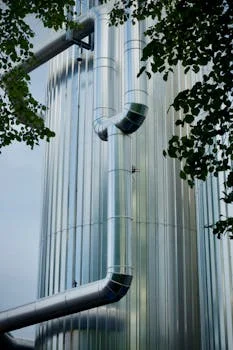
Lamella clarifiers and plate settlers both use inclined surfaces, yet they are not the same product class. A lamella clarifier is a self-contained unit with integrated sludge hoppers, flow distribution, and inclined plates—often stainless steel or PVC—providing up to 8× the effective settling area of a conventional clarifier. Plate settlers are the plates alone, installed in an existing basin much like tube packs, without integrated sludge collection.
Lamella units typically run at 2.5–6.0 m³/m²·h, above the 2.0–5.0 m³/m²·h range common for plate settlers. That margin helps mining and food-processing streams with high turbidity or swinging loads. Plate packs often cost less to retrofit ($30–$80/m³ treated versus $50–$150/m³ for lamella) but can raise maintenance if the basin must be drained for cleaning.
lamella clarifier vs plate settler hydraulic loading
Lamella clarifiers typically run at 2.5–6.0 m³/m²·h, while plate settlers in an existing basin commonly stay at 2.0–5.0 m³/m²·h. The higher lamella band suits swinging turbidity. Plate packs at $30–$80/m³ treated still undercut packaged lamella units at $50–$150/m³ when the basin shell is already paid for.
According to the 1971 EPA solids manual, lamella plates are often spaced 25–50 mm apart and inclined at 25–45° to the horizontal. Feed enters from the top, so water and sludge travel the same direction. Tubes in that manual are fed from the bottom at 45–60°. One Swedish lamella on lime-treated municipal wastewater, loaded at 0.8 MGD, removed 96 percent of the solids applied.
The same manual says the lamella supplier then advised chemical coagulation before wastewater solids removal. Most plants we size for mining or food waste do not skip that jar test. A 1,200 mg/L Chilean stream at about 90% TSS removal still needed weekly plate cleaning, which is an operating cost, not a footnote.
Lamella plates reached from above usually clean faster than buried plate racks. For a packaged high-solids duty, the same HydropureWater lamella clarifiers for industrial wastewater layout is the usual starting point when hoppers and launders must ship as one assembly. If the existing rake clarifier already has reliable sludge withdrawal, plate packs can still be the lower-disruption retrofit path. Confirm sludge pump capacity against the higher solids flux that denser media can create at the hopper.
| Parameter | Lamella Clarifier | Plate Settler |
|---|---|---|
| Effective Settling Area Multiplier | Up to 8× | 6–8× |
| Hydraulic Loading Rate (m³/m²·h) | 2.5–6.0 | 2.0–5.0 |
| Max Influent Solids (mg/L) | 1,000+ | 500–800 |
| Design Type | Self-contained unit | Plates installed in existing basin |
| Sludge Collection | Integrated | External |
| Material Durability | 20+ years (stainless steel) | 10–15 years (PVC/PP) |
When Conventional Clarifiers Are Still the Best Choice
Conventional circular or rectangular clarifiers still win on some industrial and municipal sites. They rely on gravity settling in a large basin plus mechanical sludge removal such as rake arms. TSS removal typically sits at 80–90% for influent of 50–200 mg/L. Hydraulic loading stays near 0.5–1.5 m³/m²·h per EPA 2024 ranges cited in the original plant benchmarks.
Design simplicity, no media replacement, and often lower entry cost suit plants under about 100 m³/h. They also fit projects with tight budgets and spare land. The trade-off is footprint: conventional basins can need 3 to 5 times the plan area of tube or lamella systems, which raises civil cost.
conventional clarifier vs inclined plate settler footprint
A conventional clarifier often needs 3 to 5 times the plan area of an inclined plate settler on the same flow. Conventional hydraulic loading stays near 0.5–1.5 m³/m²·h, against 2.0–5.0 m³/m²·h on plate or tube packs. That gap is why a land-rich site can still prefer a rake clarifier.
The 1971 EPA manual cites Ten-State Standards limits of 600 gpd/sq ft or less on primary tanks at plants under 1 MGD. Secondary tanks in that citation were held to 800 gpd/sq ft, with at least 8 feet of depth on activated-sludge clarifiers. Converted, 600 gpd/sq ft is about 1.0 m³/m²·h and 800 gpd/sq ft is about 1.4 m³/m²·h, inside the 0.5–1.5 m³/m²·h band in the comparison table.
Fair and Geyer, as quoted in that 1971 manual, give primary suspended-solids removal of 40 to 70 percent. They also give 25 to 40 percent BOD removal for the same primary tanks. The table's 80–90% conventional TSS band is for 50–200 mg/L after a more settleable floc, not raw primary sewage. Most plants we size for on cheap land still lose the footprint argument once civil concrete is priced.
Performance also softens when influent load swings hard. Stable flow and moderate solids—common in some municipal trains—favor this class when operators want minimal specialized media work. If land price is high, the civil premium usually erases the mechanical simplicity advantage within a few years of ownership. Keep conventional designs on the shortlist when skilled media cleaning crews are scarce and downtime for basin draining is hard to schedule.
Which Clarifier Types Work Best for Municipal Wastewater?
Municipal wastewater trains with steady flow and moderate TSS often favor tube or plate settlers for capacity upgrades inside existing secondary clarifiers. Those packs raise surface overflow rate without a new tank shell. Conventional clarifiers remain common on greenfield municipal plants where land cost is low and operators prefer simple rake mechanisms over dense media.
High wet-weather peaks or industrial sidestreams that push solids above roughly 500 mg/L usually move the design toward lamella clarifiers with integrated sludge hoppers. Most municipal plants we size for keep tube packs near 150–300 mg/L TSS.
The 1971 EPA solids manual puts average municipal suspended solids near 200 mg/L. That value sits inside the 150–300 mg/L range where tube packs usually hold. Most plants we size for still model the wet-weather peak separately, because the dry-weather average does not size the launder.
Pair sedimentation with upstream grit removal. When floatables dominate the load, add a DAF systems for high-efficiency solids removal step before the settler so oil and grease do not blind the inclined media. Combined sewer overflow peaks still need hydraulic modeling; media that works at average dry-weather flow can wash out during storms if the peak factor is ignored.
What Is the Difference Between a Settler and a Clarifier?
A settler is any gravity unit that removes settleable solids by providing quiescent surface area—tube packs, plate packs, or a plain basin. A clarifier is the broader plant unit that includes inlet distribution, the settling zone, and sludge withdrawal. Many clarifiers contain settlers as internal media.
In plant specs, “clarifier” usually names the tank and mechanism. “Tube settler” or “plate settler” names the inclined media installed inside that tank. Lamella clarifiers blur the line because the vessel, plates, and hoppers ship as one package. Buyers should match the media type to TSS and cleaning access, then size the clarifier hydraulics around the chosen packing. Writing both terms into an RFQ without defining scope is a frequent cause of mismatched bids.
Most specs we review still mix those two words and come back with two prices for different scopes. Name the media, the hopper, and who drains the tank. That single line removes more bid scatter than another page of general arrangement drawings.
Performance Under Real-World Conditions: Data from Industrial Plants
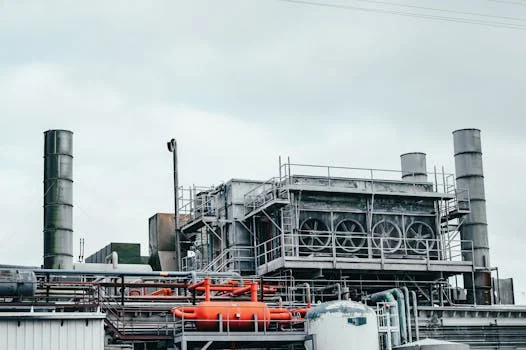
Field results shift with influent swings, chemical dosing, and temperature. A U.S. food plant reported 95% TSS removal on tube settlers at 300 mg/L influent solids. Maintenance cost then rose about 20% after three years as fouling built up inside the packs.
A Chilean mining train using lamella clarifiers treated influent near 1,200 mg/L at about 90% TSS removal. Weekly plate cleaning was required for scaling control. Cold water at 5–10°C raises viscosity and can cut settling efficiency by 15–20% under Stokes' Law.
Polymer at 1–3 mg/L often adds 5–10% TSS removal when flocculation is weak, at about $0.02–$0.05/m³. The table below captures those operating signals for side-by-side review during design reviews. Treat each case as a boundary check, not a rule that transfers to a different wastewater chemistry. Ask vendors for jar-test and pilot curves at your own temperature and polymer dose before signing a performance warranty.
| Scenario | Technology | Influent TSS (mg/L) | TSS Removal (%) | Key Observation |
|---|---|---|---|---|
| Food Processing (USA) | Tube Settlers | 300 | 95% | Fouling increased maintenance by 20% after 3 years. |
| Mining Wastewater (Chile) | Lamella Clarifiers | 1,200 | 90% | Required weekly plate cleaning due to scaling. |
| Municipal Water Retrofit (India) | Plate Settlers | ~150 | N/A (Capacity Increase) | Capacity boosted from 40 MLD to 70 MLD without footprint expansion. |
| Impact of Cold Weather (5-10°C) | All | Variable | -15–20% reduction | Increased water viscosity hinders settling. |
Cost Comparison: CAPEX, OPEX, and ROI for Each Technology
For a 500 m³/h industrial plant priced in 2025 USD, tube settler retrofits typically land at $150,000–$300,000 including media and install. Packaged lamella clarifiers often sit at $250,000–$500,000 with some civil work. Plate settler retrofits commonly run $100,000–$250,000. New conventional clarifiers span about $400,000–$800,000 once civil and mechanical packages are included.
Annual OPEX tells a different story. Tube packs usually need $15,000–$30,000 per year for cleaning labor and eventual media replacement every 10–15 years. Lamella units often run $10,000–$20,000 per year with plate cleaning and little replacement. Plate settlers can reach $20,000–$40,000 per year when basin draining is frequent. Conventional units often stay at $5,000–$15,000 per year on mechanical maintenance alone.
ROI versus a new conventional basin is typically 2–4 years for tube retrofits and 3–5 years for lamella packages. For a deeper lamella clarifier cost breakdown against conventional basins, use that sibling cost study alongside the table below. Freight, local fabrication, and stainless upgrades can move any line item outside these bands, so treat them as planning ranges rather than firm quotes.
On a 500 m³/h plant, tube settler vs lamella clarifier cost efficiency is set by winter loading and cleaning hours, not by the smaller CAPEX line. Halving the allowable overflow at 40°F, as the 1974 EPA manual directs for that secondary-tube cap, can double the media area a cold plant must buy. Tube retrofits at $150,000–$300,000 then move toward the top of the band, while lamella OPEX of $10,000–$20,000 per year still looks lighter if plates hose off from above.
Plate settler OPEX of $20,000–$40,000 per year is mostly drain-and-clean labor. Conventional OPEX of $5,000–$15,000 per year stays low only when the 3 to 5 times footprint is cheap land. Most bids we compare shift once freight and stainless plate upgrades leave the 2025 USD planning range.
| Technology | CAPEX (500 m³/h plant, 2025 USD) | Annual OPEX (500 m³/h plant, 2025 USD) | Key Cost Driver |
|---|---|---|---|
| Tube Settlers | $150K–$300K | $15K–$30K | Media replacement (10-15 yrs), cleaning labor |
| Lamella Clarifiers | $250K–$500K | $10K–$20K | Plate cleaning, minimal replacement |
| Plate Settlers | $100K–$250K | $20K–$40K | Cleaning labor, potential basin draining |
| Conventional Clarifiers | $400K–$800K | $5K–$15K | Mechanical maintenance |
Decision Framework: How to Choose the Right Sedimentation Technology
Selection starts with influent data: typical TSS, particle size, turbidity, and flow variability. Loads above 500 mg/L TSS or strong flow swings usually point to lamella clarifiers. Steady low-to-moderate TSS below 500 mg/L favors a tube settler clarifier retrofit when an existing basin shell is sound.
Next check footprint and budget. Tube and plate packs maximize existing basins. Lamella packages suit new builds that need a compact, self-contained solids train. Conventional clarifiers still fit when land is cheap and operators want simple mechanical sludge removal. Mining and food plants with high turbidity often need lamella durability; municipal upgrades often succeed with tube or plate media.
Use this checklist before issuing an RFQ:
- Measure average and peak TSS (mg/L) plus temperature range (°C).
- Confirm available basin plan area and whether draining for cleaning is acceptable.
- Decide retrofit media versus a packaged unit with integrated hoppers.
- Budget media replacement (10–15 years for PVC/PP) versus stainless plate life (20+ years).
- Include polymer dose cost if floc strength is uncertain ($0.02–$0.05/m³).
- Pilot at the design HLR when oily or scaling wastewater is expected.
| Technology | Best For | Footprint | CAPEX | OPEX | Maintenance | Compliance Context |
|---|---|---|---|---|---|---|
| Tube Settlers | Retrofits, low-moderate TSS (<500 mg/L), steady flow | Compact, maximizes existing basin | Moderate | Moderate | Can be challenging (fouling) | General industrial, municipal |
| Lamella Clarifiers | New builds, high TSS (>500 mg/L), fluctuating loads | Very compact, self-contained | High | Low | Easier plate cleaning | Mining, food processing, high-turbidity |
| Plate Settlers | Retrofits, moderate TSS | Compact (within existing basin) | Low-Moderate | Moderate-High | Requires basin access | General industrial, municipal retrofits |
| Conventional Clarifiers | Large footprint available, low budget, stable flow | Large | High | Low | Simple, mechanical | Municipal, low-solids industrial |
Document the assumed hydraulic loading, temperature, and polymer dose on every datasheet you issue. Those three numbers explain most disagreements between vendor claims and plant results after start-up. Keep a spare media panel or plate section on site if lead times exceed planned outage windows.
Sludge solids concentration leaving the hopper also drives downstream dewatering cost. Inclined media that thickens sludge poorly can raise polymer use in the filter press even when effluent TSS looks acceptable. Align clarifier selection with the solids handling train, not only with the clear-water weir.
Who This Is For and Next Step
This comparison is for plant engineers, EPC designers, and procurement managers sizing primary or secondary sedimentation for industrial or municipal wastewater. Teams with ample land, very low solids, and a preference for simple rake clarifiers can stay with conventional basins. If your duty mixes high oil and grease with settleable solids, evaluate flotation ahead of sedimentation before locking media type.
Share flow rate, TSS range, temperature, and footprint limits when you request a sedimentation sizing quote so hydraulic loading and media selection can be checked against the ranges above.
Frequently Asked Questions
What are the 4 types of settling in wastewater treatment?
The four settling types are discrete (Type I), flocculent (Type II), hindered (Type III), and compression (Type IV). Discrete particles settle alone at a near-constant rate. Flocculent particles grow as they settle and speed up. Hindered settling forms a distinct interface at high solids. Compression settling consolidates sludge under its own weight. Tube and lamella media mainly optimize Type II flocculent settling by adding inclined surface area.
What is the difference between a clarifier and a clariflocculator?
A clarifier separates solids by gravity after flocs already exist or solids are naturally settleable. A clariflocculator combines flocculation mixing with clarification in one train so chemicals can build settleable aggregates from turbidity or colloids. Standard clarifiers fit pre-treated or already settleable streams. Lamella packages can include an upstream flocculation zone when the duty needs both steps.
How do you calculate tube settler design for a wastewater plant?
Start with flow Q (m³/h) and influent TSS. Choose hydraulic loading, typically 2.0–5.0 m³/m²·h for tube settlers. Required area is A = Q / HLR. Select tube diameter (25–50 mm) and length (600–1200 mm), then size module count from effective projected area at about 60°. Example: 500 m³/h at 3.0 m³/m²·h needs about 167 m² of settling area. Pilot when wastewater is oily or highly variable.
What are the disadvantages of tube settlers?
Tube settlers foul when turbidity or oil is high, and dense packs often need basin draining to clean. They are a poor fit above roughly 1,000 mg/L influent solids. PVC/PP modules can UV-degrade outdoors without covers. Access is harder than top-cleanable lamella plates, and performance softens under sharp flow or load swings compared with packaged lamella units.
Are lamella clarifiers better than tube settlers for industrial wastewater?
Lamella clarifiers usually win when TSS exceeds about 500 mg/L, loads swing hard, integrated sludge hoppers are required, or stainless plates are specified for long life. Tube settlers usually win for steady TSS below 500 mg/L, basin retrofits with tight footprints, and lower upfront media cost. An 800 mg/L food-plant stream typically favors lamella; a steady 200 mg/L municipal train often favors tube packs.