Food processing wastewater in Ghana consistently contains high levels of organic matter (COD: 2,000–10,000 mg/L), fats/oils/grease (FOG: 500–3,000 mg/L), and suspended solids (TSS: 800–4,000 mg/L), significantly exceeding EPA Ghana discharge limits (COD < 250 mg/L, BOD < 50 mg/L). With less than 4% of industrial wastewater currently treated across the nation, food factories in key industrial hubs like Accra, Tema, and Kumasi face escalating regulatory fines and severe environmental risks. This comprehensive 2025 engineering guide details technical specifications, transparent cost benchmarks, and critical compliance requirements for selecting and implementing wastewater treatment systems specifically tailored to Ghana’s unique climate, power reliability challenges, and local labor conditions.
Why Ghana’s Food Processors Need Wastewater Treatment Now
EPA Ghana’s 2025 discharge limits for food processing wastewater mandate significant reductions in pollutants, with COD targets below 250 mg/L and BOD below 50 mg/L. These stringent regulations, outlined in the EPA Ghana Industrial Effluent Standards (2024), now set specific thresholds for TSS (< 50 mg/L) and FOG (< 10 mg/L), compelling immediate action from food processing facilities. Despite these clear directives, only approximately 4% of industrial wastewater in Ghana currently undergoes treatment, a figure highlighted by case studies like Nutrifoods Ghana's proactive investment in Tema.
The consequences of untreated discharge are severe and multifaceted. Environmentally, untreated wastewater contaminates vital surface water bodies such as the Odaw River in Accra and the Densu Basin, and infiltrates groundwater sources, leading to public health crises. Accra, for instance, experienced significant cholera outbreaks in 2023 directly linked to poor sanitation and contaminated water. Economically, non-compliant factories in industrial zones like Tema and Kumasi face substantial operational costs, with EPA enforcement data from 2024 indicating fines ranging from GHS 50,000 to GHS 200,000 annually. These penalties significantly erode profit margins and damage corporate reputation.
Ghana’s increasing water stress index, currently at 45%, underscores the critical need for water conservation and reuse. Factories are increasingly compelled to treat and reuse effluent for non-process applications, such as irrigation or cooling systems, to mitigate rising freshwater costs and ensure operational resilience. Investing in robust wastewater treatment is no longer merely a regulatory obligation; it is a strategic imperative for financial stability, environmental stewardship, and sustainable growth within Ghana’s competitive food processing sector.
Characteristics of Food Processing Wastewater in Ghana
Food processing wastewater in Ghana exhibits a distinct profile characterized by high organic loads, variable pH, and elevated temperatures, posing unique challenges for treatment. The exact composition varies significantly across different food sectors, necessitating tailored treatment approaches. Understanding these characteristics is the first step in designing an effective system.
| Food Sector | Key Pollutants & Ranges | Typical pH | Seasonal Variability Notes |
|---|---|---|---|
| Tomato/Paste Processing | COD: 3,000–8,000 mg/L TSS: 1,500–3,500 mg/L |
4.5–6.0 | COD spikes during harvest (Nov–Feb) |
| Beverage (Soft Drinks, Beer) | BOD: 1,200–4,000 mg/L FOG: 200–800 mg/L Sugar: 500–2,000 mg/L |
5.5–7.5 | Production surges during peak demand (holidays) |
| Dairy (Milk, Yogurt) | FOG: 1,000–3,000 mg/L Lactose: 500–1,500 mg/L |
6.0–8.5 | Relatively consistent year-round |
| Meat/Poultry Processing | TSS: 2,000–4,000 mg/L Nitrogen: 100–300 mg/L Pathogens (E. coli, Salmonella) |
6.5–7.5 | Higher loads during increased slaughter periods |
Beyond these pollutant ranges, several Ghana-specific factors influence wastewater treatment design. Seasonal variability, particularly in sectors like tomato processing, can lead to significant COD spikes during harvest seasons (typically November to February). This necessitates treatment systems capable of handling fluctuating loads without compromising effluent quality.
Wastewater temperature in Ghana consistently ranges between 28–35°C year-round. While higher temperatures can accelerate biological reactions, they also reduce oxygen solubility in water, demanding higher aeration rates for aerobic biological treatment systems like activated sludge or MBRs. This impacts energy consumption and equipment sizing.
power reliability is a critical consideration. Frequent power outages, averaging 4–6 hours per day in industrial areas like Tema, pose a significant challenge. Treatment systems, especially those relying on continuous aeration or pumping (e.g., MBR, DAF systems), must incorporate robust backup power solutions, such as solar-powered blowers or generators, to prevent process upsets and ensure consistent compliance.
Ghana’s Regulatory Landscape: Compliance Requirements and Enforcement
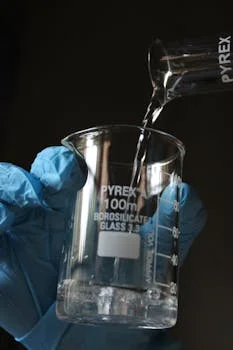
EPA Ghana’s Industrial Effluent Standards (2024) set stringent discharge limits for food processing wastewater, requiring facilities to meet specific thresholds for COD, BOD, TSS, FOG, pH, and heavy metals. Compliance with these standards is non-negotiable for all industrial operations in the country, with the EPA actively monitoring and enforcing regulations.
| Parameter | EPA Ghana Discharge Limit (2024) |
|---|---|
| Chemical Oxygen Demand (COD) | < 250 mg/L |
| Biochemical Oxygen Demand (BOD) | < 50 mg/L |
| Total Suspended Solids (TSS) | < 50 mg/L |
| Fats, Oils, and Grease (FOG) | < 10 mg/L |
| pH | 6.0–9.0 |
| Heavy Metals (e.g., Pb, Cd, Cr) | Specific limits apply (e.g., Pb < 0.1 mg/L) |
| Total Nitrogen (TN) | < 30 mg/L (for sensitive areas) |
The permitting process for industrial wastewater discharge in Ghana involves several critical steps. Facilities must first conduct a comprehensive wastewater characterization, often requiring pre-treatment if initial pollutant levels are excessively high. This is followed by submitting a detailed treatment plan, a monitoring strategy, and regular reporting to the EPA. Approval typically culminates in the issuance of a discharge permit.
Enforcement by the EPA is robust; the authority conducts an average of two unannounced inspections annually. Non-compliant factories face significant financial penalties, ranging from GHS 50,000 to GHS 500,000, as documented in the EPA 2024 enforcement report. Repeat offenders risk temporary shutdowns or, in severe cases, the revocation of their discharge permits.
Beyond discharge, water reuse regulations are also gaining prominence. Treated effluent intended for irrigation must adhere to stringent WHO guidelines, particularly concerning microbial quality (e.g., fecal coliform < 1,000 CFU/100 mL). Local bylaws, such as those enforced by the Tema Metropolitan Assembly and Kumasi Metropolitan Assembly, may impose additional restrictions on parameters like odor and noise generated by treatment plants, requiring careful site planning.
To ensure EPA approval, facilities should follow a comprehensive compliance checklist:
- Complete a detailed wastewater characterization study.
- Implement necessary pre-treatment measures.
- Develop a robust monitoring and sampling plan.
- Establish clear reporting protocols to the EPA.
- Train staff on operational procedures and emergency response.
- Maintain accurate records of all effluent data.
- Regularly calibrate monitoring equipment.
- Conduct internal audits to ensure continuous compliance.
- Obtain all necessary discharge permits.
- Develop an emergency response plan for spills or system failures.
Treatment Technologies for Food Processing Wastewater: Comparison for Ghana’s Conditions
Selecting the optimal wastewater treatment technology for food processing in Ghana requires a nuanced evaluation of factors including high FOG loads, fluctuating power supply, and ambient temperatures. Each technology offers distinct advantages and limitations when applied to the unique industrial and environmental context of Ghana.
| Technology | COD/BOD/TSS/FOG Removal Efficiency | Footprint | Energy Use | Typical OPEX (GHS/m³) | Typical CAPEX (GHS for 50 m³/h) | Maintenance Skill Level | Climate Suitability (Ghana) |
|---|---|---|---|---|---|---|---|
| Dissolved Air Flotation (DAF) | FOG: >95% TSS: >90% BOD/COD: 30-70% (pre-treatment) |
Compact | Moderate (0.2-0.5 kWh/m³) | 0.8-1.5 | 800K–1.5M | Medium (chemical dosing, sludge handling) | Excellent (unaffected by temperature) |
| Membrane Bioreactor (MBR) | BOD/COD: >95% TSS: >99% Pathogens: >99.9% |
Very Compact | High (0.8-1.2 kWh/m³) | 1.5-2.5 | 1.2M–2.5M | High (membrane cleaning, advanced controls) | Good (requires higher aeration for O2 solubility) |
| Conventional Activated Sludge (A/O) | BOD/COD: 80-90% TSS: 70-80% FOG: Poor (needs pre-treatment) |
Large | Moderate (0.4-0.8 kWh/m³) | 0.7-1.2 | 500K–1.0M | Low-Medium (basic process control) | Good (needs higher aeration rates) |
| Vetiver Grass Technology (VGT) | BOD/COD: 50-70% TSS: 60-80% FOG: Limited |
Very Large | Very Low (passive) | 0.2-0.5 | 200K–400K | Low (planting, harvesting) | Excellent (natural, robust) |
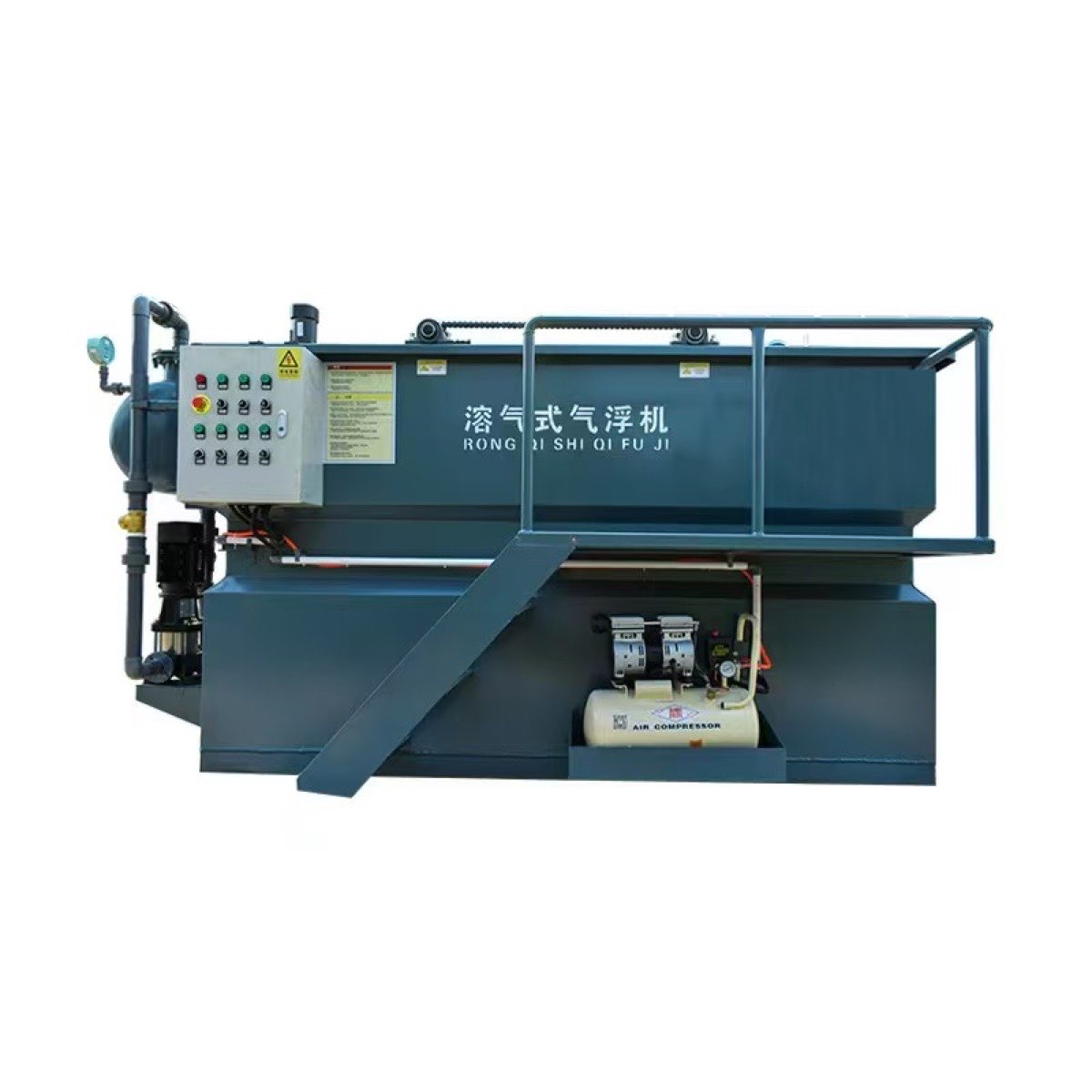
A DAF system for high-efficiency FOG removal in food processing, for example, achieves over 95% FOG removal, making it critical for dairy, meat, or palm oil processors. However, it requires skilled operators for precise chemical dosing and sludge management. In contrast, integrated MBR systems for near-reuse-quality effluent in Ghana’s food factories produce exceptionally high-quality effluent, often suitable for non-potable reuse (<10 mg/L BOD), but come with higher CAPEX (GHS 1.2M–2.5M for 50 m³/h) and energy consumption (0.8–1.2 kWh/m³).
Conventional Activated Sludge (A/O) systems offer a lower CAPEX (GHS 500K–1.5M for 50 m³/h) but demand a larger footprint and struggle with high FOG loads without extensive pre-treatment. Vetiver Grass Technology (VGT) is a low-cost, low-energy option for small-scale applications but requires significant land and offers lower removal efficiencies, making it unsuitable for stringent industrial discharge limits. For more insights on regional applications, consider reviewing how Qatar’s food processors handle wastewater challenges similar to Ghana’s.
Ghana-specific considerations are paramount. Power reliability issues mean MBR and DAF systems need backup aeration (e.g., solar-powered blowers) to maintain process stability. Labor skills vary, with conventional systems requiring less specialized training than MBR, which involves complex membrane cleaning protocols. The high ambient temperatures (28–35°C) reduce oxygen solubility, necessitating higher aeration rates for biological systems, impacting energy use. Finally, land availability, especially for urban factories in Tema, often favors compact systems like MBR and DAF over extensive lagoons or conventional systems. Modular systems can also offer flexibility, as discussed in our guide on modular systems for scalable wastewater treatment in Ghana’s food processing sector.
Cost Breakdown: Wastewater Treatment for Food Processors in Ghana
The capital expenditure (CAPEX) for food processing wastewater treatment systems in Ghana ranges from GHS 500,000 for conventional A/O systems to GHS 3.5 million for advanced MBR installations, depending on capacity and technology. Understanding these costs, along with operational expenditures (OPEX), is critical for accurate budgeting and return on investment (ROI) calculations.
| Technology | Typical CAPEX Range (GHS) | Capacity Range (e.g., m³/h or m³/day) | Key Cost Drivers |
|---|---|---|---|
| DAF System | 800,000–2,200,000 | 4–300 m³/h | Unit size, materials, chemical dosing system, sludge handling |
| MBR System | 1,200,000–3,500,000 | 10–2,000 m³/day | Membrane cost, aeration, advanced controls, pre-treatment |
| Conventional A/O System | 500,000–1,800,000 | 1–80 m³/h | Tank volume, blowers, clarifiers, civil works |
| Vetiver Grass System | 200,000–600,000 | Small-scale (<10 m³/h) | Land preparation, planting, minor civil works |
Operational expenditure (OPEX) is a recurring cost that significantly impacts the long-term viability of a treatment system:
- Energy: Ranges from GHS 0.5–2.0/m³ of treated wastewater. MBR systems typically have higher energy consumption due to membrane aeration and filtration (0.8–1.2 kWh/m³), while DAF and conventional systems are generally lower.
- Chemicals: Ranges from GHS 0.2–0.8/m³. This includes coagulants, flocculants, and pH adjusters, especially critical for DAF systems. An automatic chemical dosing system for pH adjustment and coagulation in DAF systems can optimize usage and reduce costs.
- Labor: GHS 5,000–15,000 per month for skilled operators, particularly for MBR and DAF systems which require specialized knowledge for optimal performance and maintenance.
- Maintenance: GHS 20,000–100,000 annually. This includes spare parts, pump repairs for DAF systems, and crucially, membrane replacement for MBR systems (typically every 5-7 years, a significant cost).
A typical ROI calculation for a 50 m³/h DAF system in Tema, costing GHS 1.2M CAPEX, might show a payback period of 4.5 years. This calculation would factor in annual compliance savings (avoided EPA fines of GHS 100,000), water reuse savings (GHS 120,000/year for non-process applications), and reduced raw water intake. The Net Present Value (NPV) over a 10-year period could be GHS 1.5M, demonstrating clear financial benefits beyond mere compliance.
Financing options in Ghana include the EPA Ghana’s Green Fund, which provides grants and concessionary loans for environmental projects. Additionally, African Development Bank (AfDB) loans are available for sustainable industrial development. Many equipment vendors, including HydropureWater, offer flexible financing structures, such as 30% down payment with a 5-year repayment plan, to ease the initial capital burden on food processors.
Step-by-Step Guide to Selecting a Wastewater Treatment System for Your Food Factory
A systematic six-step framework is essential for food processing facilities in Ghana to select a wastewater treatment system that aligns with effluent characteristics, site constraints, and regulatory requirements. This structured approach minimizes risks and optimizes investment.
- Step 1: Characterize Your Wastewater. Begin by conducting a comprehensive analysis of your facility's wastewater. Test for key parameters: COD, BOD, TSS, FOG, pH, and temperature. This data is fundamental for determining the type and scale of treatment required. For example, high FOG levels (e.g., >500 mg/L) immediately point towards the need for physical-chemical pre-treatment like DAF.
- Step 2: Assess Site Constraints. Evaluate your factory's physical and operational limitations. Consider land availability (compact systems like MBR are better for limited space), power reliability (necessitating backup power for energy-intensive systems), and the skill level of your local labor force (influencing maintenance complexity).
- Step 3: Match Technology to Wastewater Characteristics. Based on your wastewater characterization, identify suitable technologies. DAF systems are ideal for high FOG removal, while MBR systems excel at producing high-quality effluent suitable for reuse. Conventional A/O systems may suffice for lower FOG loads but require more land.
- Step 4: Compare CAPEX/OPEX and Calculate ROI. Utilize the cost data provided in the previous section to estimate the capital expenditure and operational costs for each viable technology. Perform an ROI calculation, factoring in compliance savings (avoided fines), water reuse benefits, and potential energy recovery. This financial analysis is crucial for justifying the investment.
- Step 5: Evaluate Vendor Proposals. Solicit detailed proposals from reputable suppliers. Critically evaluate each proposal against a checklist: Does it guarantee compliance with EPA Ghana standards? Is local support and spare parts availability assured? Are comprehensive training programs for your staff included?
- Step 6: Plan for Compliance. Integrate a robust compliance strategy from the outset. This includes implementing effective pre-treatment, establishing a continuous monitoring plan, and setting up systematic reporting procedures to the EPA Ghana. Proactive planning prevents future penalties.
Common mistakes to avoid include underestimating power requirements for biological systems in Ghana’s high ambient temperatures, which can lead to inefficient treatment and higher energy bills. Ignoring FOG buildup in conventional systems is another pitfall, often resulting in clogged pipes, odors, and reduced treatment efficiency. Additionally, overlooking long-term maintenance costs, such as membrane replacement for MBR systems, can lead to unexpected financial burdens. When selecting a vendor, ask questions like: 'Do you have a local service center in Ghana?', 'What is the guaranteed effluent quality?', and 'Can you provide references from other food processors in Ghana?' This due diligence is critical, as detailed in our guide on selecting sewage treatment equipment suppliers.
Case Study: Nutrifoods Ghana’s $1M Wastewater Treatment Plant Upgrade
Nutrifoods Ghana’s Tasty Tom factory in Tema successfully reduced its wastewater COD from 6,000 mg/L to 150 mg/L and FOG to 5 mg/L after upgrading to a DAF + biological treatment system, achieving full EPA compliance. Previously, the factory faced escalating EPA fines and community complaints due to discharging untreated wastewater with high pollutant loads (COD 6,000 mg/L, FOG 2,500 mg/L) from its tomato paste operations.
The solution involved a significant investment in a modern DAF (Dissolved Air Flotation) system for primary FOG and TSS removal, followed by an aerobic biological treatment stage. The entire system was engineered to handle the specific characteristics of tomato processing wastewater and the local environmental conditions. As a direct result of this upgrade, the factory achieved remarkable improvements:
- COD was consistently reduced to 150 mg/L, and FOG to 5 mg/L, well within EPA Ghana's stringent discharge limits.
- Approximately 70% of the treated effluent is now safely reused for irrigation on the factory premises, leading to substantial water cost savings of GHS 120,000 per year.
- The overall payback period for the $1 million investment was calculated at 4.5 years, factoring in avoided EPA fines and water reuse savings.
Key lessons learned from this project highlight the importance of tailored solutions. The DAF system proved critical for effective FOG removal; conventional pre-treatment methods had previously failed due to persistent clogging. A comprehensive local training program for plant operators significantly reduced OPEX by 20%, ensuring skilled management of chemical dosing and system maintenance. the integration of solar-powered blowers for the biological stage mitigated the impact of frequent power outages, reducing system downtime by an impressive 90% and ensuring continuous compliance.
Frequently Asked Questions
Understanding key aspects of Ghana’s wastewater treatment landscape, from regulatory limits to technology costs, is crucial for effective environmental compliance and operational planning.
What are the EPA Ghana discharge limits for food processing wastewater?
The EPA Ghana Industrial Effluent Standards (2024) mandate specific discharge limits for food processing wastewater. These include: COD < 250 mg/L, BOD < 50 mg/L, TSS < 50 mg/L, FOG < 10 mg/L, and a pH range of 6.0–9.0. Specific limits also apply to heavy metals and other pollutants depending on the industry and location.
How much does a wastewater treatment plant cost for a food factory in Ghana?
The capital expenditure (CAPEX) for a wastewater treatment plant in Ghana varies significantly by technology and capacity. For example, a DAF system typically costs GHS 800,000–2.2 million, an MBR system ranges from GHS 1.2 million–3.5 million, and a conventional A/O system is GHS 500,000–1.8 million. Operational expenses (OPEX) generally range from GHS 0.5–2.0/m³ for energy and GHS 0.2–0.8/m³ for chemicals, with additional costs for labor and maintenance.
Which wastewater treatment technology is best for high FOG loads (e.g., palm oil, dairy)?
For food processing facilities in Ghana dealing with high Fats, Oils, and Grease (FOG) loads, such as palm oil or dairy processors, Dissolved Air Flotation (DAF) systems are highly effective. DAF systems achieve over 95% FOG removal through physical-chemical separation, preventing downstream biological treatment issues like clogging and reduced efficiency. MBR systems can also handle FOG, but typically require robust pre-treatment and have higher CAPEX and maintenance demands.
Can treated wastewater be reused in food processing?
Yes, treated wastewater can be reused in food processing facilities in Ghana, but exclusively for non-process applications such as irrigation, cooling tower makeup water, or general washdowns. It must meet stringent quality standards, including WHO guidelines for microbial quality (e.g., fecal coliform < 1,000 CFU/100 mL). Advanced treatment systems like MBR produce near-reuse-quality effluent (typically <10 mg/L BOD, pathogen-free) that is ideal for such applications, offering significant water savings.
What are the penalties for non-compliance with EPA Ghana wastewater regulations?
Factories in Ghana found to be non-compliant with EPA Ghana wastewater regulations face severe penalties. Fines typically range from GHS 50,000 to GHS 500,000 per violation, based on the EPA 2024 enforcement report. In addition to monetary fines, non-compliant factories may face temporary operational shutdowns until compliance is achieved. Repeat offenders risk more severe sanctions, including the permanent revocation of their discharge permits, which can lead to complete cessation of operations.