
Why Morris food and beverage plants are re-evaluating primary clarification in 2026
Morris-area dairies, breweries, sauce plants, meat processors, and snack fryers all discharge to the local publicly owned treatment works under an industrial pretreatment program, and the permit limits on suspended solids, FOG, and BOD set by that program are the actual reason this choice matters in 2026. Food and beverage streams are inherently variable because of batch cooking, clean-in-place rinses, and seasonal product runs, which is why an equalization tank upstream of either technology is consistently recommended in flotation and sedimentation literature (Hahn, 2010).
The 2026 pressure is the convergence of three forces: tighter FOG limits and stricter surcharges from the receiving POTW, rising chemical and energy costs, and renewed interest in water reuse that pushes a plant to remove FOG and colloidal solids earlier in the train. That means primary clarification has stopped being a default civil-works decision and has become a permit and cost decision, with the DAF-or-clarifier call sitting right at the front of the train.
How a DAF actually separates oil, grease, and colloidal solids
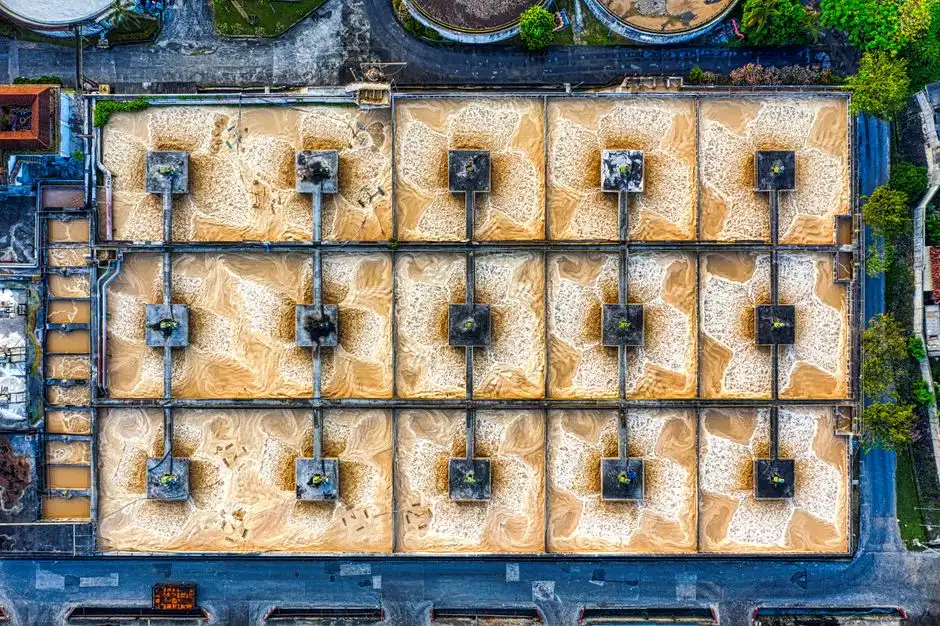
A dissolved air flotation system saturates a pressurized side stream of clarified effluent with air, then releases that air through nozzles at the bottom of a flotation tank so it forms a cloud of 30–50 micron microbubbles that attach to oil droplets, grease, and flocculated suspended solids and lift them to the surface (SigmaDAF / Clearwater Industries). Chemistry is not optional: coagulation and flocculation, typically delivered through serpentine floc tubes or mix tanks, grow the floc so the bubbles have something to attach to, and without that chemistry the performance of a DAF collapses (SigmaDAF / Clearwater Industries). The key design variables a Morris engineer needs to control are air-to-solids ratio, hydraulic loading, saturation pressure, and the coagulant and flocculant dose, and all four move visibly when flow rate or influent FOG swings (Hahn, 2010). In wastewater flotation literature, DAF has been shown to deliver up to roughly 90% oil removal across industrial wastewaters when those variables are controlled (Hahn, 2010). The geometry of the tank is a separate choice: cross-flow units like the FPAC handle small-to-medium flows with very high solids, lamella-pack high-profile units like the FPBC handle low-to-medium loads efficiently, countercurrent units like the FPHF handle high flows, and a packaged COMPACT skid integrates chemical conditioning, controls, and the DAF into one plug-and-play module for flows at or below 66 GPM (SigmaDAF / Clearwater Industries). For a plant evaluating its first DAF, a useful HydropureWater DAF system is one option to spec against that geometry menu.
How a gravity or lamella clarifier separates the same stream
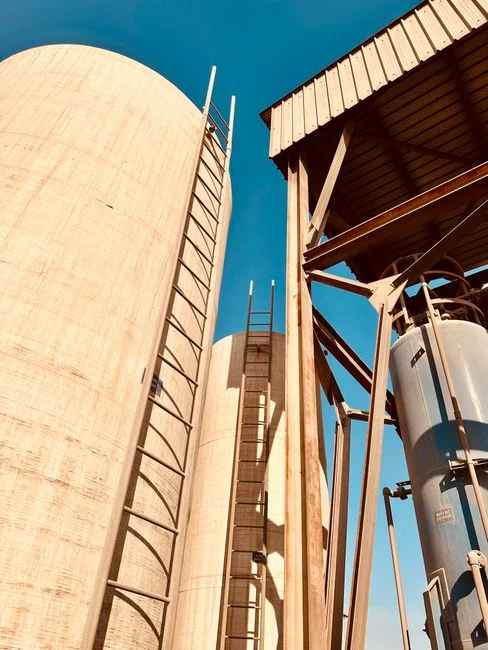
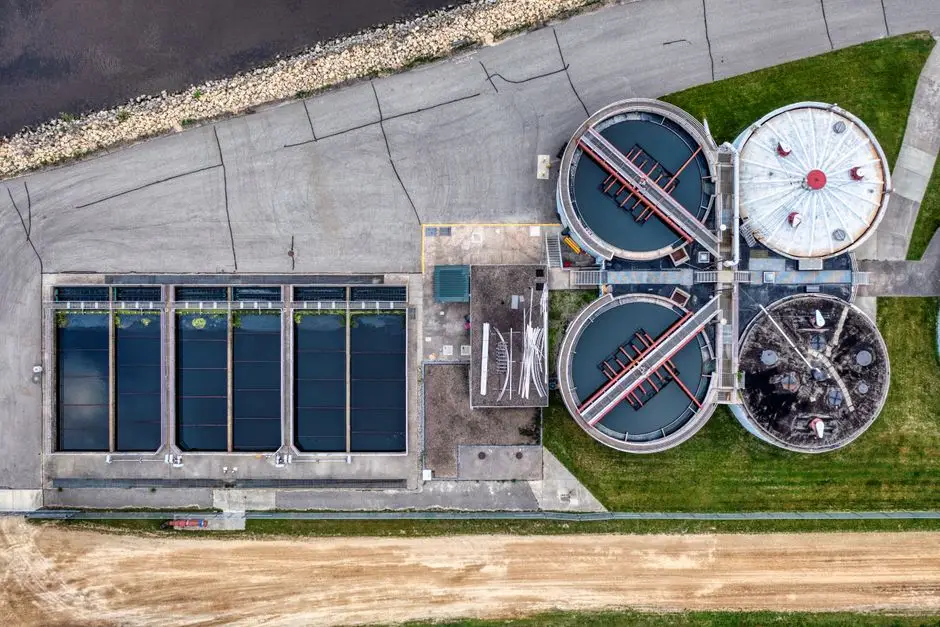
A gravity clarifier relies on Stokes-law settling, so heavy, settleable solids drop to the bottom, clarified water overflows a peripheral weir, and a scraper or sludge pump pulls the underflow out. A lamella or inclined-plate clarifier multiplies the effective settling area by stacking plates inside a small footprint, which raises the surface loading rate per unit of floor space and lets a clarifier shrink to a fraction of a conventional unit's footprint; product literature from HydropureWater's lamella clarifier line describes that geometry and the plate-pack area as the main sizing drivers. Clarifiers handle high TSS with low-to-moderate FOG reasonably well, but they struggle with emulsified oil and light colloids because those fractions do not settle reliably under gravity, and that is exactly the fraction a DAF targets. Clarifiers also typically consume less polymer than a DAF, but they need more tank volume for the same flow, which matters in Morris plant rooms where headroom and slab loading often rule out a tall conventional clarifier. In practice, a lamella clarifier is the workhorse choice when the load is heavy and settleable and chemical use must be minimized.
DAF vs clarifier for food and beverage wastewater: side-by-side parameters
The table below is the single page a buyer can scan to see which unit wins each parameter; the supporting text covers what the table cannot.
| Parameter | DAF (dissolved air flotation) | Gravity or lamella clarifier |
|---|---|---|
| Removal mechanism | 30–50 µm microbubbles float oil, FOG, and flocculated colloids to the surface (SigmaDAF / Clearwater Industries; Hahn, 2010) | Gravity settling of dense, settleable solids; inclined plates multiply settling area (HydropureWater product spec) |
| Best-fit food/bev stream | High FOG, emulsified oil, light colloids, protein and starch fractions | Heavy settleable TSS with low FOG; starch or grain handling |
| Reported oil and grease removal | Up to roughly 90% with chemical conditioning and controlled hydraulics (Hahn, 2010) | Generally low unless paired with a DAF polishing stage |
| Footprint for the same flow | Compact skid or packaged unit, often a single module (SigmaDAF / Clearwater Industries) | Lamella clarifier is compact for its class; conventional gravity clarifier is the largest option (HydropureWater product spec) |
| Chemical demand | Requires coagulant and flocculant (polymer) for stable performance (SigmaDAF / Clearwater Industries) | Often runs with pH adjustment only, with polymer optional |
| Equalization requirement | Recommended upstream; flow and pressure swings measurably shift removal (Hahn, 2010) | Recommended upstream for the same reason (Hahn, 2010) |
| Typical downstream train | DAF is the standard primary in front of MBR, SBR, and activated sludge for food plants (EPA 832-R-12-011, March 2013) | Often used as primary in a clarifier + DAF polishing train for high-strength food streams (EPA 832-R-12-011, March 2013) |
| Energy and moving parts | Saturation pump, skimmer drive, controls | Mostly passive; scraper or sludge pump only |
| Regulatory status under EPA guidance | DAF and high-rate adaptive flotation processes (Actiflo, DensaDeg) are listed as established adaptive-use physical-chemical options (EPA 832-R-12-011, March 2013) | Conventional clarification is a baseline physical option; lamella variants are a space-efficient subset |
The single non-obvious row in that table is chemical demand, because the DAF's higher polymer use is what gives it its edge on FOG, and the clarifier's lower chemical demand is exactly what makes it attractive when a plant cannot or does not want to run a coagulant program. A packaged HydropureWater DAF system or a HydropureWater lamella clarifier is a reasonable benchmark for each side of that trade.
When a Morris food or beverage plant should pick DAF
Pick a DAF when the dominant fraction of the load is FOG or emulsified oil, which is the case in dairy creameries, meat and poultry plants, snack fryers, sauce and condiment cookers, and brewery operations with significant oil or grease carryover. Pick a DAF when the discharge permit has a tight FOG or oil-and-grease limit, because chemical conditioning plus micro-bubble flotation consistently outperforms settling on the light fraction that limits a clarifier (Hahn, 2010). Pick a DAF when the plant room is tight, because a packaged or skid-mounted DAF replaces a much larger clarifier tank and frees up floor space for production (SigmaDAF / Clearwater Industries; HydropureWater product spec). Pick a DAF when a downstream biological system such as an MBR, SBR, or conventional activated sludge needs low and stable TSS and FOG to function, since DAF is the standard primary stage in that train (EPA 832-R-12-011, March 2013). The one operational condition that must hold is that the team can run a coagulant and polymer program, because without it the DAF will not deliver its design removal. For a deeper look at the physics behind those numbers, the engineering primer How Does a DAF Clarifier Work? Industrial Process Flow, Micro-Bubble Physics & 95%+ TSS Removal Explained is a useful starting reference.
When a clarifier is still the right answer in 2026
Pick a clarifier when the dominant load is heavy settleable solids, as is typical in grain handling, produce wash, and starch-rich streams with low FOG. Pick a lamella clarifier when a plant wants reduced chemical consumption, simpler operation, and a smaller footprint than a conventional clarifier, which the HydropureWater lamella clarifier is built around. Pick a clarifier when existing civil work already includes a clarifier tank and the retrofit goal is to improve settling area rather than to add a new flotation stage, because reusing the structure usually wins on schedule and cost. The most defensible train for a high-strength Morris food plant is a clarifier as primary for heavy settleable solids followed by a DAF for residual FOG and colloids, which is the standard configuration EPA's emerging technologies document highlights for adaptive-use physical-chemical pretreatment (EPA 832-R-12-011, March 2013). The clarifier is not a legacy option; it is the right answer whenever chemistry is constrained or the load is dominated by gravity-settleable matter.
2026 cost and operating items a Morris buyer must pin down
CAPEX for a DAF scales with peak flow, material of construction (304SS as standard, 316SS or polypropylene where corrosives or temperature push the spec), and whether chemical conditioning is integrated, while clarifier CAPEX scales with tank volume and plate-pack area (SigmaDAF / Clearwater Industries; HydropureWater product spec). OPEX for a DAF is dominated by polymer and coagulant consumption plus a small saturated-air pump, while clarifier OPEX is dominated by sludge pumping and periodic plate cleaning. Energy is a real differentiator: a DAF needs a saturation pump and a skimmer drive, while a gravity clarifier is largely passive, which matters where electricity is expensive or a plant is targeting reuse. Footprint and building constraints also matter, because a packaged DAF frees up plant room while a clarifier needs headroom and structural support for a water-filled tank. Under the local pretreatment program, an undersized or under-conditioned primary stage becomes a permit-renewal issue in 2026, and both technologies are acceptable if properly sized and operated. Before signing a PO, the engineering checklist a buyer must request from each vendor is: jar-test or pilot data on the actual food stream, polymer and coagulant consumption at design load, expected effluent TSS and FOG, sludge yield and percent solids, and reference installations in food and beverage. Pairing a DAF with an automatic coagulant and flocculant dosing system is one way to control that OPEX line. Buyers comparing purchase decisions across industries may also want to read the related guide DAF Machine vs Alternatives: Which Wastewater Tech Wins in 2026?.
Decision framework: choose DAF or clarifier in four questions
- Is FOG or emulsified oil a significant fraction of the load? Yes points to a DAF; no points to a clarifier (Hahn, 2010).
- Is the flow variable and batchy from CIP rinses and seasonal production? Either technology works, but always put an equalization tank upstream of both (Hahn, 2010).
- Is floor space tight in the existing plant room? A packaged or skid-mounted DAF saves space over a conventional clarifier and usually over a lamella clarifier at the same flow (SigmaDAF / Clearwater Industries; HydropureWater product spec).
- Is chemical dosing acceptable on site? If no, default to a lamella clarifier; if yes, a DAF delivers better FOG and colloidal solids removal (SigmaDAF / Clearwater Industries; Hahn, 2010).
If the answer to question 1 is yes and the answer to question 4 is also yes, DAF is the 2026 default for Morris food and beverage plants; otherwise a clarifier, or a clarifier followed by a DAF polishing stage, is the right call. Plant engineers applying this framework to a similar industry segment can also look at the parallel DAF or Clarifier for Mining & Metals Wastewater in Luttrell, TN: 2026 Factory Guide for the same four-question structure adapted to a different load.
Frequently Asked Questions
For a Morris food or beverage factory, is DAF or a clarifier the better primary treatment in 2026?
DAF is the default for high-FOG, high-colloid streams such as dairy, meat, snack fry, sauce, and brewery wastewater, while a gravity or lamella clarifier is preferred for heavy settleable solids or where chemical use must be minimized (Hahn, 2010; SigmaDAF / Clearwater Industries).
What oil and grease removal can a properly designed DAF actually deliver on a food stream?
Up to roughly 90% oil removal when coagulation, flocculation, air-to-solids ratio, hydraulic loading, and saturation pressure are all controlled at design values (Hahn, 2010). Actual results depend on jar-test or pilot data, which a buyer must request from the vendor before sizing.
Do I need an equalization tank in front of a DAF or a clarifier in a food plant?
Yes. Equalization is consistently recommended to stabilize batch, CIP, and seasonal swings, and it protects the removal efficiency of both DAF and clarifier trains (Hahn, 2010). Specific equalization volume must be calculated from the plant's actual batch and CIP schedule.
How do I size and budget a DAF or clarifier for a 2026 project without overpaying?
Size on peak flow, FOG, and TSS, then ask each vendor for jar-test or pilot data, polymer and coagulant consumption at design load, expected effluent TSS and FOG, and reference food and beverage installations before issuing a PO (SigmaDAF / Clearwater Industries; EPA 832-R-12-011, March 2013). Use those inputs to normalize vendor quotes on the same flow and same effluent target, since equipment list prices vary with material of construction and chemical integration. Compliance risk is reduced by confirming that the chosen technology and its operating envelope are accepted under the City of Morris industrial pretreatment program before a purchase order is signed.