Why Aquaculture Wastewater Needs a Dedicated Dewatering Step
Aquaculture sludge is a fundamentally different feed from municipal activated sludge, and the 2030 volume projections make on-site dewatering a procurement priority rather than an option. World aquaculture production is projected to reach 109 million tonnes by 2030, with more than 70% of that output depending on the supply of high-quality feeds, per the FAO 2020 figures cited in the biofloc-meal protocol study (Research Square, 2023).
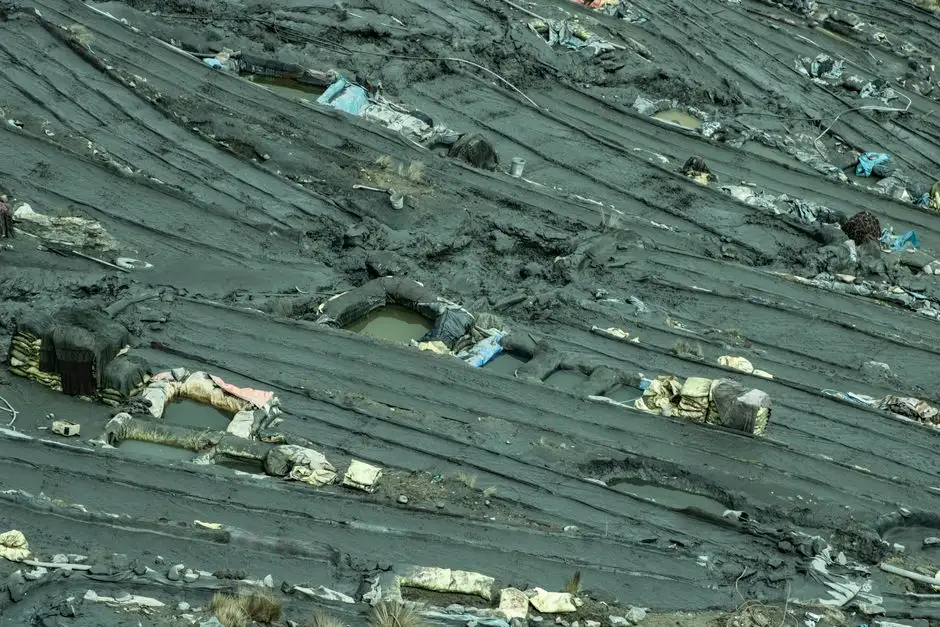
The waste stream is correspondingly large: aquaculture effluent carries settleable solids, uneaten feed, faecal matter, biofloc biomass, and chemical residues from therapeutic treatments, and the BRIN plate-frame study notes that discharging activated sludge without prior separation directly impacts environmental pollution (BRIN, ejournal.brin.go.id/JTL/article/view/218). Filter presses convert this dilute, mixed stream into a defined non-liquid cake, which the US EPA fact sheet (EPA 832-F-00-058, September 2000) describes as the output of recessed-plate pressing. The same solids are also increasingly viewed as a resource: the biofloc-meal study evaluates waste biofloc as a high-quality nutritional input, either as a protein alternative in aquaculture or livestock feed, or as organic fertilizer, which reduces waste discharge to the environment (Research Square, 2023). For an engineer sizing a 2026 plant, the question is no longer whether to dewater, but which mechanical step fits the feed. The industrial wastewater treatment equipment selection guide frames the broader decision tree for matching unit operations to feed characteristics.
Filter Press Working Principle for Aquaculture Sludge
A recessed-plate filter press is a batch dewatering device in which a pack of plates, each carrying a filter cloth, is closed under hydraulic pressure to form a series of sealed chambers. The WesTech product literature describes the standard configuration: a steel framework with a hydraulic closing cylinder locks the plate pack in place, each plate has an internal recess with a feed inlet and a filtrate drainage grid, and a filter cloth lies over the drainage grid to form the chamber (WesTech, westechwater.com/products/filter-presses). Slurry is introduced under pressure, filtrate passes through the cloth and exits via the drainage grid, and solids build inside the chamber as a cake; once the chamber is full, the feed is stopped and the cake can be washed or air-blown before the press opens and discharges. The commercial operating envelope is 1 m² to 500 m² of filtration area at up to 25 bar hydraulic pressure, with membrane (squeeze) plates available as an option to inflate pneumatically or hydraulically at the end of the cycle and drive final moisture down on poor-filtering materials such as clay-rich sludge (WesTech). The HydropureWater plate and frame filter press matches this envelope, with filtration areas from 1 m² to 500 m² and manual, hydraulic, or fully automatic PLC-controlled operation, per the verified product catalog. For aquaculture engineers, the practical implication is that the benchtop and pilot results reported in the literature use the same mechanical principle as a full-scale commercial press, so plate count scales with feed volume rather than with a different mechanism.
Plate Type, Cloth Specification and Micron Rating
Cloth and plate choice are not cosmetic details; the BRIN study directly compared two filter media on 1–4% w/w CaCO3 simulated sludge and found that cotton cloth produced better performance than drill cloth, reaching 56.00% solids removal efficiency at 4% w/w CaCO3 (BRIN, ejournal.brin.go.id/JTL/article/view/218). For biofloc recovery, the Research Square protocol used 40 µm BECO CP1KS 27021120 plates on an Armfield FT14–A press, and benchmarked this against a 50 µm pleated polyester cartridge filter, centrifugation at 710 rpm for 15 minutes, and a 50 µm mesh filter with manual pressure (Research Square, 2023). The same study reports that all four dewatering treatments caused a reduction in raw protein and total lipid content of the biofloc, possibly due to loss of material through the filter media, which is directly relevant when the cake is destined for feed recovery rather than disposal. Membrane squeeze plates are the standard upgrade for difficult or fine aquaculture solids; they are inflated pneumatically or hydraulically at the end of the cycle to reduce final moisture (WesTech). Operating pressure is normally set between 7 and 25 bar depending on cake resistance, and the HydropureWater plate and frame press supports this range via hydraulic closure (HydropureWater verified product catalog).
| Parameter | Bench/pilot evidence | Commercial envelope | Aquaculture implication |
|---|---|---|---|
| Cloth material benchmark | Cotton cloth reached 56.00% CaCO3 solute efficiency at 4% w/w (BRIN) | Multifilament polypropylene standard, cotton-equivalent multifilament on request (WesTech; HydropureWater catalog) | Cloth choice changes measured cake solids, request a cloth trial on biofloc or RAS backwash |
| Plate micron rating | 40 µm BECO CP1KS 27021120 on Armfield FT14–A (Research Square, 2023) | 1–500 m² filtration area, membrane plates optional (WesTech) | Use 40 µm as the starting baseline for biofloc; tighten for feed recovery where protein retention matters |
| Operating pressure | Manual pressure in bench comparator; hydraulic closure on pilot (Research Square, 2023) | Up to 25 bar hydraulic (WesTech; HydropureWater catalog) | Size pump and closure for the high end of the range when feed carries fine colloids |
| Plate geometry | Recessed chamber plate (BRIN; Research Square, 2023) | Recessed and membrane squeeze plates (WesTech) | Specify membrane plates for the difficult-to-filter fraction of aquaculture solids |
Sizing a Filter Press for a RAS, Raceway or Biofloc Plant
A defensible sizing workflow turns influent flow and solids concentration into plate count and filtration area without relying on assumed numbers. The qualitative inputs the engineer must collect before sizing are: feed flow to the press in m³/day, influent total suspended solids (TSS) in mg/L, target cake dryness as percent dry solids (% DS) from bench tests, operating shift hours per day, and the chosen cloth micron rating. Step 1 is to calculate the dry solids load by multiplying daily flow by influent TSS, which gives the kg DS/day the press must capture. Step 2 is to convert that load to cake mass per cycle using the target dryness, since cake mass is feed solids divided by % DS. Step 3 is to divide cake mass per cycle by the cake-holding volume of a single chamber to get the number of chambers; chambers are then paired into plates. Step 4 is to match the resulting total filtration area to a standard press size within the 1–500 m² envelope documented for the WesTech press and the HydropureWater plate and frame press (WesTech; HydropureWater verified product catalog). The capacity sanity check is that the Research Square protocol processed laboratory-scale biofloc through a small Armfield FT14–A press, and the same mechanical principle scales linearly to commercial plate counts (Research Square, 2023). Use the 40 µm plate baseline as the starting micron rating, then tighten if the cake is destined for feed recovery where protein retention matters, or relax if it is going to disposal. An upstream automatic chemical dosing system is normally specified alongside the press to condition fine aquaculture solids ahead of the chamber.
| Sizing step | Calculation | Input the buyer must supply | Source of method or envelope |
|---|---|---|---|
| 1. Dry solids load | Daily flow × influent TSS | m³/day feed to press; mg/L TSS | Standard mass balance; not a researched default |
| 2. Cake mass per cycle | Dry solids load ÷ target % DS, divided by cycles per day | Target cake dryness from bench test | Qualitative step; US EPA confirms cake is the defined output of recessed-plate pressing (EPA 832-F-00-058, September 2000) |
| 3. Plate count | Cake mass per cycle ÷ cake volume per chamber | Chamber volume from press data sheet | HydropureWater verified product catalog (1–500 m² envelope) |
| 4. Match standard size | Select press from 1–500 m² catalog | Filtration area, automation level, membrane option | WesTech 1–500 m² at up to 25 bar; HydropureWater 1–500 m² |
Integrating the Filter Press with the Rest of the Aquaculture Plant
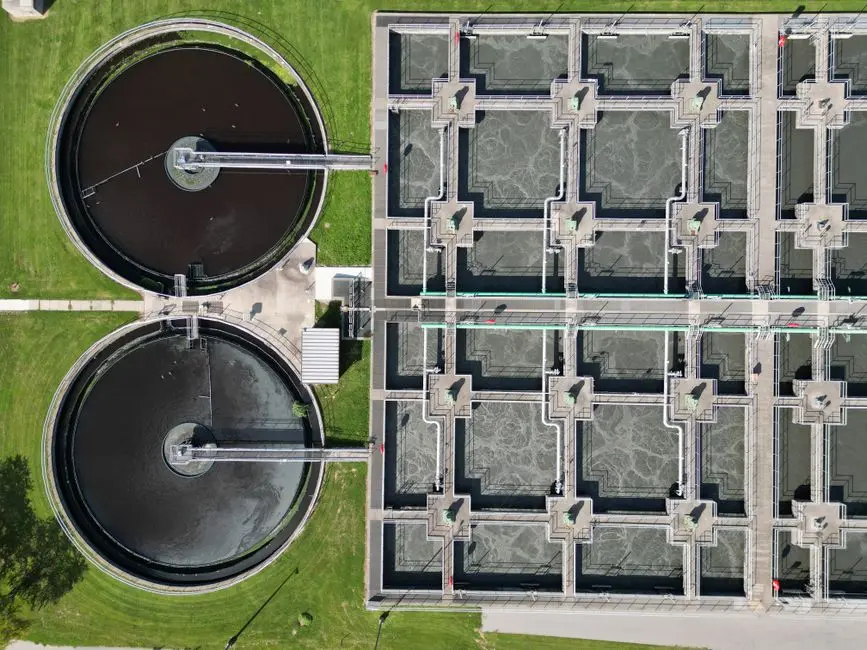
The filter press is the dewatering step inside a longer aquaculture wastewater train, and the engineer must coordinate upstream thickening and downstream polishing for the system to meet both effluent and cake-quality targets. Upstream, aquaculture wastewater typically passes through drum filters or settling cones before the press, and biofloc systems are often structured as thickening followed by dewatering followed by drying, exactly the three-stage protocol used in the Research Square study (Research Square, 2023). Chemical conditioning of fine aquaculture solids is standard, and a PLC-controlled coagulant or polymer dose ahead of the press is normally paired with the HydropureWater automatic chemical dosing system for this duty. Downstream, the cake from a recessed-plate press is the highest-solids output of any mechanical dewatering device per the US EPA fact sheet (EPA 832-F-00-058, September 2000), and the same cake can be co-dried, composted, or directed to fishmeal-substitute production along the lines of the Research Square biofloc-meal protocol. The press alone does not meet effluent limits, since the filtrate still carries dissolved and fine suspended loads; a downstream dissolved air flotation system or an MBR integrated wastewater treatment step is normally required to polish the filtrate before discharge or reuse.
Supplier Evaluation Checklist for 2026
Procurement of a filter press for aquaculture duty in 2026 should be a technical bid review, not a price-only comparison. The first gate is envelope: confirm the supplier can deliver within the 1 m² to 500 m² filtration-area range at up to 25 bar, with manual, hydraulic, and PLC-controlled options, the configuration documented for both the HydropureWater plate and frame press and the WesTech press (HydropureWater verified product catalog; WesTech). The second gate is feed-specific evidence: ask for documented cake-dryness data on a feed similar to aquaculture, such as biofloc, RAS backwash, or raceway solids, and benchmark supplier claims against the BRIN 56.00% CaCO3 removal at 4% w/w and the Research Square 40 µm biofloc results. The third gate is configuration: ask whether membrane (squeeze) plates are available for the difficult-to-filter fraction, and whether cloth materials other than standard polypropylene, for example cotton-equivalent multifilament, can be supplied, because the BRIN study showed cloth choice directly changes measured performance (BRIN). The fourth gate is reference base: request a list of reference aquaculture or industrial sludge installations, the press automation level, and CIP provisions, since protein-rich biofloc cakes foul cloths faster (Research Square, 2023). The fifth gate is commercial: clarify delivery, installation supervision, and commissioning support, and confirm whether filter cloths, membrane plates, and spare parts are bundled as consumables under one contract. Where a peer article is useful for context, the filter press for winery wastewater guide walks through a comparable selection logic in a different feed, and the filter press for beverage wastewater guide covers cloth and plate spec in more detail.
| Evaluation gate | Question to put to the supplier | Evidence to anchor the answer |
|---|---|---|
| Envelope | Can you deliver 1–500 m² at up to 25 bar in manual, hydraulic, and PLC-controlled versions? | WesTech product page; HydropureWater verified product catalog |
| Feed evidence | Do you have cake-dryness data on biofloc, RAS backwash, or raceway solids? | BRIN 56.00% CaCO3 at 4% w/w on cotton cloth; Research Square 40 µm BECO CP1KS biofloc data |
| Plate and cloth options | Are membrane squeeze plates and non-polypropylene cloths (cotton-equivalent multifilament) available? | BRIN cloth-comparison result; WesTech membrane plate option |
| Reference base | List aquaculture or protein-rich-sludge reference installations, automation level, and CIP provisions. | Research Square 2023 note on protein-fouling of cloths |
| Commercial | Confirm delivery, installation supervision, commissioning, and consumables (cloths, membrane plates, spares) under one contract. | HydropureWater verified product catalog scope |
Frequently Asked Questions
What cake dryness can a filter press realistically achieve on aquaculture sludge?
The US EPA fact sheet (EPA 832-F-00-058, September 2000) states that recessed-plate filter presses produce the highest cake solids concentration of any mechanical dewatering equipment, and the cake is defined as a non-liquid output. The exact % DS depends on the specific aquaculture feed, and the buyer should request cake-dryness data from the supplier on biofloc, RAS backwash, or raceway solids analogous to the project's stream.
Which cloth micron rating should I specify for a biofloc recovery duty?
Use 40 µm as the starting baseline, taken from the BECO CP1KS 27021120 plates used on the Armfield FT14–A press in the Research Square biofloc-meal protocol (Research Square, 2023). If the cake is destined for feed recovery and protein retention is a concern, tighten the rating; if it is going to disposal, the same 40 µm rating is a defensible default.
How much does a filter press for aquaculture wastewater cost in 2026, and what drives the price?
The supplied research does not provide a CAPEX figure for a 2026 aquaculture filter press, so a quotation must be requested rather than assumed. The drivers the buyer should put to the supplier are plate count within the 1–500 m² envelope, automation level (manual, hydraulic, or PLC-controlled), membrane squeeze plate option, and material of construction, each of which is documented in the HydropureWater verified product catalog and the WesTech product page.
What is the typical lead time for a 1–500 m² plate and frame filter press in 2026?
The research does not supply a lead-time figure, so the buyer must request a project-specific schedule from shortlisted suppliers. The activities that drive that schedule are engineering drawing approval, fabrication of the plate pack, factory acceptance testing, shipping, and on-site installation supervision, and the buyer should ask suppliers to break each line out separately so slippage can be tracked.
Do I need a filter press or a dissolved air flotation system for aquaculture wastewater?
The two unit operations are complementary rather than competing. A filter press targets sludge volume reduction and produces a stackable cake, while a dissolved air flotation system targets suspended solids and FOG in the liquid stream, and the BRIN study notes that directly discharging untreated sludge impacts environmental pollution (BRIN). Most 2026 aquaculture trains pair both, with a DAF or MBR polishing the filtrate after the press.