Why the DAF vs Clarifier Question Matters for La Porte Metals Plants in 2026
La Porte's fabricated-metals corridor — stamping presses, CNC machining cells, parts-washing lines, and coating booths along the Houston Ship Channel — generates a feed profile that breaks a plain gravity clarifier: tramp oils from stamping, emulsified cutting fluids from machining, alkaline cleaner carryover from parts washing, phosphates from conversion coating, and fine metal particles from grinding. A 2026 capex decision cannot be made on tank volume alone, because the chemistry and the local discharge envelope dominate lifetime cost.
Texas sludge-disposal trucking rates have risen year over year, and the City of La Porte POTW together with TCEQ pretreatment enforcement are tightening limits on oil and grease, total suspended solids, and total metals for industrial users discharging to the municipal system. The real decision is not "DAF or clarifier" in isolation; it is which unit, paired with what upstream chemistry and what downstream dewatering, keeps both the compliance risk and the 2026 OPEX envelope under control.
How a DAF and a Lamella Clarifier Actually Treat Metals Wastewater
A dissolved air flotation system treats metals wastewater by releasing water saturated with air at near-atmospheric pressure inside a contact zone, generating 30–50 micron microbubbles that attach to oil droplets, FOG, and low-density solids and lift them to the surface (Clearwater / SigmaDAF, 2026-04-27). A paddle skimmer then scrapes the floated layer into a sludge hopper, while heavier solids drop to a collection zone and are removed by an auger. According to the same source, DAF only works after proper chemical conditioning: serpentine flocculator mix tubes or chemical mix tanks coagulate and flocculate the feed so the bubbles can contact the contaminant — without that step, performance collapses. The SigmaDAF COMPACT unit integrates the chemical conditioning train, DAF vessel, sensors, and a PLC control panel into a pre-assembled skid that the operator adjusts for chemical dosing, skimmer speed, and sludge discharge.
A high-efficiency lamella clarifier — functionally an inclined plate settler — uses stacked plates set at 55–60° to multiply the effective settling area relative to the tank footprint. The HydropureWater catalog lists surface loading rates of 20–40 m/h and hydraulic retention times of 15–30 minutes for the high-efficiency lamella clarifier, with sludge recirculation improving floc contact and stability. A lamella clarifier only settles, it does not float: it has no skimmer and no bubble-contact mechanism, so free or emulsified oil either passes through, coats the plates, or rides over the effluent weir. For chloride-bearing streams or hexavalent chrome rinse exposure, both technologies are available in 304SS standard with 316SS or polypropylene upgrades on request (Clearwater / SigmaDAF, 2026-04-27), and the HydropureWater DAF catalog identifies metalworking as a target industry for that reason.
For a La Porte plant comparing an industrial DAF system to a high-efficiency lamella clarifier, the mechanism difference — float vs settle — is the entire decision. The comparison that follows treats that mechanism as the controlling variable.
DAF vs Lamella Clarifier: Side-by-Side Comparison
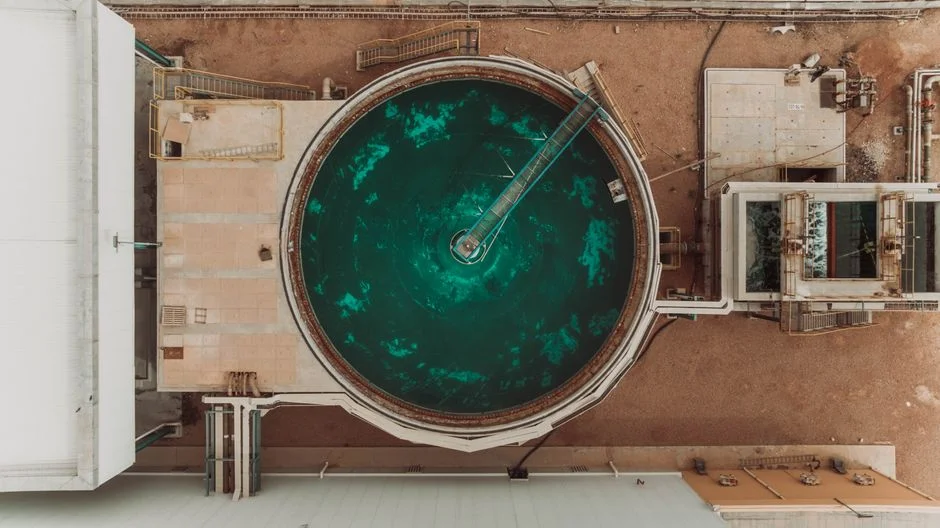
The table below consolidates the decision variables a buyer needs in one view. Best-feed match, footprint intensity, flow range, and chemistry sensitivity are derived from the mechanism descriptions in the prior section, supported by the Clearwater / SigmaDAF product data (2026-04-27) and the HydropureWater catalog. Where a HydropureWater catalog value is referenced and the source is not directly verifiable from the supplied research, treat the number as a manufacturer-stated design point and confirm on the RFQ.
| Parameter | DAF (Dissolved Air Flotation) | Lamella Clarifier (Inclined Plate) |
|---|---|---|
| Best feed match | Free and emulsified oils, FOG, low-density metal fines (Clearwater / SigmaDAF, 2026-04-27) | Dense, non-oily TSS such as metal hydroxides and grinding swarf |
| Removal mechanism | 30–50 micron microbubbles attach to contaminants and float them; paddle skimmer removes float; auger removes bottom grit (Clearwater / SigmaDAF, 2026-04-27) | Gravity settling on inclined plates; bottom sludge only |
| Oil / FOG removal | Design choice; high removal of organics, oils and fats (Clearwater / SigmaDAF, 2026-04-27) | Not a design function — lamella settles solids, cannot skim |
| Surface loading / footprint | Larger tank volume per m³/h relative to lamella | 20–40 m/h surface loading; 5–10× effective area of an equivalent footprint basin (HydropureWater catalog) |
| Hydraulic retention time | Longer contact zone for bubble attachment | 15–30 minutes (HydropureWater catalog) |
| Chemistry sensitivity | Highly sensitive; requires coagulant and flocculant conditioning (Clearwater / SigmaDAF, 2026-04-27) | Tolerates a wider chemistry window, but still requires conditioning |
| Sludge form | Float (high water content) plus bottom grit | Bottom sludge only |
| Standard construction | 304SS; 316SS or polypropylene optional for chloride or chrome rinse (Clearwater / SigmaDAF, 2026-04-27) | 304SS typical; 316SS or polypropylene for aggressive streams |
| Automation | COMPACT DAF is a PLC-controlled plug-and-play skid; modular two-skid above 66 GPM (Clearwater / SigmaDAF, 2026-04-27) | Simpler control loop; sludge recirculation pump still required |
| Flow range | 13 SigmaDAF models covering small to large industrial flows (Clearwater / SigmaDAF, 2026-04-27); HydropureWater DAF catalog lists 4–300 m³/h | Scales similarly, with shorter HRT at higher surface loading |
Read across the table: the oil/FOG row is the single line that decides most La Porte applications, because stamping and parts-washing streams always carry some oil fraction. If oil is present in any meaningful amount, the lamella clarifier row collapses, regardless of how attractive the surface loading number looks.
Decision Framework: Which One Your La Porte Plant Should Pick
Use this rule set on your actual feed data before you talk to a vendor. It collapses to a small number of cases.
- Choose DAF if any of these are true: visible oil sheen in the collection trench; FOG above ~50 mg/L; tramp oil from stamping; alkaline cleaner carryover from parts washing; or a compliance limit on oil and grease in your La Porte POTW permit. In all four cases the contaminant must be floated, not settled.
- Choose a lamella clarifier if the stream is mainly machining chips, grinding swarf, and metal-hydroxide TSS with little to no oil, and the bay footprint is constrained enough that 20–40 m/h surface loading and a 15–30 minute HRT are the deciding factors (HydropureWater catalog).
- Choose DAF followed by lamella polishing if the flow is high and the plant needs both oil removal and a final TSS polish before discharge to the City of La Porte POTW. The DAF does the oil work; the lamella takes out the residual fines.
- In every case, plan an automatic coagulant and flocculant dosing skid upstream and a plate-and-frame filter press for sludge dewatering downstream. Both are non-negotiable for 2026 OPEX control: chemical conditioning without a controlled skid is unreliable, and un-dewatered float or sludge will bury you in haulage cost.
- Local factor: confirm the La Porte POTW and TCEQ limits for oil and grease, TSS, and total metals before sizing. The unit must be selected to the discharge limit, not to the average feed — peak-shift on a Monday morning stamping batch will set your worst-case loading.
A short cross-check against the HydropureWater Fenton case-study reference (see the 2026 Fenton fabricated-metals DAF vs clarifier guide) and the lamella clarifier engineering specs and surface loading data confirms the same pattern: oil fraction drives the choice, and chemistry drives the OPEX.
Sizing Inputs to Hand Your DAF or Clarifier Vendor
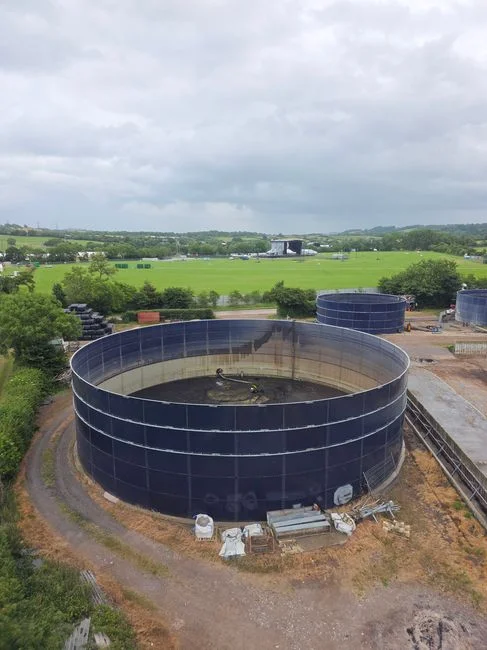
A serious RFQ gets a serious quote. The table below is the minimum data set a vendor needs to size a DAF or lamella correctly on the first pass; missing any of these will force a conservative oversize or a redesign later. Two of the rows — metals profile and sludge target — also drive downstream equipment selection (clarifier material, filter press area), so they belong in the same RFQ package, not a follow-up email.
| Input | Why it matters | Source / Format |
|---|---|---|
| Design and peak flow (m³/h) | Sets vessel volume and contact-zone area | Hourly flow log, 30-day composite |
| Daily hours of operation | Determines daily hydraulic load and chemical demand | Production schedule |
| Influent TSS, FOG, oil and grease, pH, temperature | Drives chemistry selection and unit sizing | 30-day composite, not spot grabs |
| Metals profile (Fe, Al, Zn, Ni, Cr) | Drives 304SS vs 316SS vs polypropylene selection (Clearwater / SigmaDAF, 2026-04-27) | Lab analysis on a representative shift |
| Available footprint and ceiling height | Lamella is shorter; DAF often needs a taller vessel | Bay drawing with dimensions |
| La Porte POTW / TCEQ discharge limits | Unit must be sized to the limit, not the average | Current permit |
| Sludge target cake dryness | Drives downstream plate-and-frame filter press sizing | Haulage cost vs cake dryness target |
| Power, compressed air, operator skill | COMPACT DAF and lamella differ here (Clearwater / SigmaDAF, 2026-04-27) | Utility availability and shift coverage |
For dewatering, the HydropureWater plate-and-frame filter press for sludge dewatering covers a 1–500 m² filter area range, so a buyer can match cake dryness target to haulage cost per ton. The 2026 filter press sizing and cloth selection guide goes deeper on cloth selection for oily, metal-bearing sludge.
Frequently Asked Questions
How much does a DAF system cost for a small La Porte fabricated-metals plant in 2026?
No published 2026 price list is available in the research, so a buyer must request a budget quotation tied to design flow, influent oil and grease, and discharge limits. What is verifiable from the research is the design envelope: the HydropureWater DAF catalog lists 4–300 m³/h across the model range, and the Clearwater / SigmaDAF COMPACT DAF uses a single skid up to 66 GPM and a modular two-skid layout above that (Clearwater / SigmaDAF, 2026-04-27). Ask vendors to quote both the skid and the chemical conditioning train separately, and ask for a turnkey installed number that includes freight to La Porte and TCEQ permitting support.
What should I look for when choosing a DAF or lamella clarifier supplier for a Texas Gulf Coast plant?
Confirm three things before signing a PO: documented experience on metalworking feeds with oil and FOG (not just municipal installs), 316SS or polypropylene options for chloride or chrome rinse exposure (Clearwater / SigmaDAF, 2026-04-27), and a service footprint that can reach La Porte without a multi-day dispatch window. A second useful check is whether the supplier provides a PLC-controlled skid with documented removal performance for organics, oils, fats, and TSS — Clearwater / SigmaDAF (2026-04-27) describes this for the COMPACT DAF, and it is the level of documentation a TCEQ inspection will ask to see.
Can a lamella clarifier handle tramp oil from a stamping press?
No. A lamella clarifier is an inclined plate settler; it has no skimmer and no bubble-contact mechanism, so free or emulsified oil either passes through, coats the plates, or rides over the effluent weir. The mechanism described in the Clearwater / SigmaDAF DAF product data (2026-04-27) — 30–50 micron microbubbles lifting oil to a paddle skimmer — is the correct physical approach for tramp oil. If tramp oil is present, route the stream through a DAF first, and use a lamella only as a downstream TSS polisher if one is needed.
What discharge limits should a La Porte fabricated-metals plant design to in 2026?
Design to your La Porte POTW permit limits for oil and grease, TSS, and total metals, not to your average feed. The research does not contain current La Porte POTW or TCEQ numerical limits, so a buyer must pull the active permit and the local TCEQ pretreatment rules before sizing. Sizing to the limit rather than the average feed protects you against peak-shift spikes from a Monday morning stamping batch or a parts-washer dump.
Related Equipment
- industrial DAF system — specifications, capacity range, and technical data
- high-efficiency lamella clarifier — specifications, capacity range, and technical data
- automatic coagulant and flocculant dosing skid — specifications, capacity range, and technical data
- plate-and-frame filter press for sludge dewatering — specifications, capacity range, and technical data