
What an Omsk Data Center's Blowdown and Site Wastewater Actually Look Like
Cooling-tower blowdown is the controlled purge that keeps dissolved solids, corrosion byproducts and biological growth from accumulating in a recirculating cooling system. At roughly 4 cycles of concentration, blowdown represents 25–30% of total makeup water, with the balance lost to evaporation; for a facility on 10 million gallons per month, that is 2.5–3 million gallons of purge water that must be either reused, treated for discharge, or sent to zero-liquid-discharge (ZLD) processing (S1).
Blowdown quality is more concentrated than the Irtysh River source it came from. Total dissolved solids (TDS) typically run 1,200–6,000 mg/L — about 4–8× the makeup water — and suspended solids sit between 10–50 mg/L, made up of corrosion products, biofilm fragments and airborne particulates that slip past basin filtration. The dissolved fraction carries calcium, magnesium, silica and alkalinity, plus the accumulated treatment chemicals: biocides, corrosion inhibitors, scale inhibitors and dispersants, with legacy chromate and high-phosphate programs presenting particular reuse problems (S1).
Site wastewater is not just blowdown. Softener regeneration brine, RO reject, humidification bleed and chiller-side cooling water all converge at the wastewater treatment plant, and they should be segregated so regeneration slugs do not shock the downstream RO train. For an Omsk facility drawing makeup from the Irtysh, four additional numbers are project-defining and not present in the supplied research: the Irtysh baseline TDS and silica at the intake point, the seasonal turbidity envelope, the January air temperature band (commonly -25 °C to -35 °C), and the 2026 Russian Federation discharge rules that govern any residual brine. Each of these must be obtained from the project hydrologist and the local Rosprirodnadzor office before the train is frozen.
Why a 2026 Omsk Site Cannot Reuse a Generic U.S. or Iberian Design
Most published blowdown-recovery case studies (S1, S2) target the U.S. Southwest, the Middle East and similar warm or water-stressed regions where evaporation ponds are practical and ambient temperatures favor thermal processes. Omsk winters of -25 °C to -35 °C rule out solar evaporation ponds and force enclosed equipment buildings with trace heating on outdoor piping and instruments, which adds cost and footprint that no warm-climate benchmark anticipates.
Regulatory framing is also different. A 2026 Omsk design must be checked against the Russian Federation Water Code, Rosprirodnadzor maximum permissible concentrations (MPC) for fishery and municipal water bodies, and the cooling-water recycling decree that is tightening in 2026. A discharge route that is cheap in Texas — typically an NPDES-permitted surface water outfall under the U.S. Clean Water Act framework (S4) — is usually unavailable or uneconomic in Omsk, which makes cooling-tower makeup reuse at 60–85% recovery the default 2026 strategy rather than an optional sustainability target (S1).
Operating-cost economics also shift. Mechanical vapor compression (MVC) is reported at 15–25 kWh per 1,000 US gallons of distillate produced (S1), and whether that figure is acceptable depends entirely on the Omsk electricity tariff and the availability of combined heat-and-power (CHP) waste heat, neither of which is in the supplied research — flag both as project-specific to obtain. The 100 MW facility figure of "up to 2 million liters of water per day" from IDE Tech (S2) is a useful upper-bound sizing anchor for an Omsk hyperscale project and pairs with the UGA Extension reference of up to 5 million gallons per day for a hyperscale facility (S4) to bracket the design flow.
The Recommended 2026 Treatment Train for Omsk
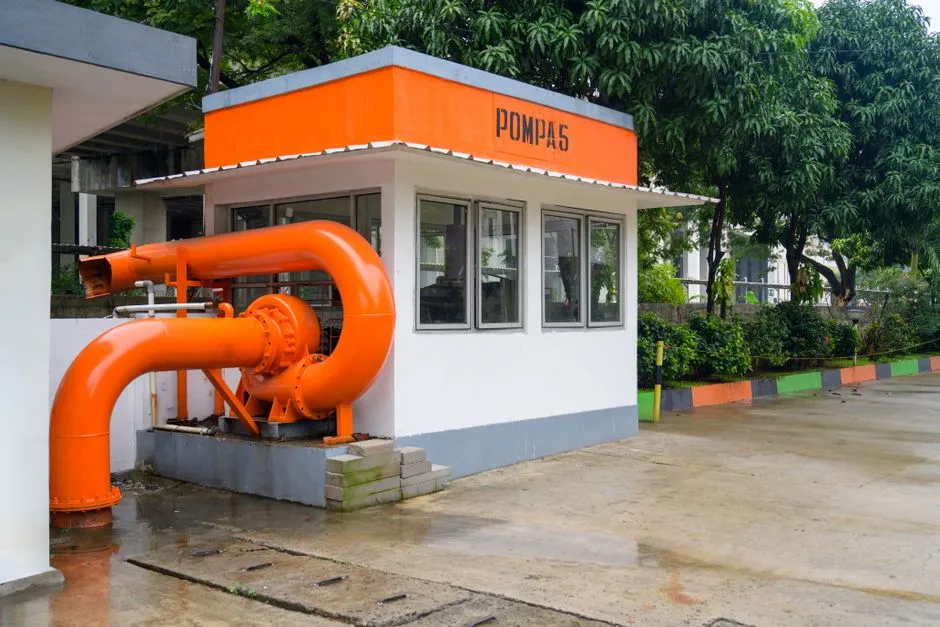
The pragmatic train for an Omsk 2026 build runs in five stages, each addressing a specific failure mode of the previous one.
Stage 1 is side-stream self-cleaning filtration on the cooling-water loop, sized at 1–5% of total circulation flow. Spiral or disc units deliver 10–25 micron removal and drop blowdown suspended solids to levels manageable for downstream membranes; this is the highest-leverage pre-step and the cheapest insurance against premature membrane fouling (S1). A multi-media pre-filter for the side-stream loop can substitute where feed is less variable.
Stage 2 is ultrafiltration (UF) on the segregated blowdown stream. 0.01–0.1 micron PVDF hollow-fiber UF removes suspended solids, bacteria, viruses and high-molecular-weight organics at 10–30 psi with 90–95% recovery and chemical cleaning every 1–3 months, producing an RO-ready feed (S1). The ultrafiltration skid for blowdown pretreatment is the standard skid selection at this point.
Stage 3 is the workhorse: reverse osmosis (RO). Operating at 150–400 psi, RO removes 95–99% of dissolved solids and produces permeate at 10–50 mg/L TDS, suitable for direct return to the cooling tower as high-quality makeup (S1). Recovery on blowdown sits at 50–85% with antiscalant injection; a 50,000 GPD RO system is reported at $250,000–$500,000 installed in the U.S. (S1), a figure that should be treated as a U.S. benchmark and adjusted for Russian Federation pricing. A high-recovery RO unit for cooling-tower makeup follows the design criteria laid out in the RO design criteria guide.
Stage 4 is high-recovery polishing, where conventional BWRO plateaus at 75–80% recovery before scaling becomes unmanageable (S2). A controlled-salt-precipitation stage (e.g., a fluidized-bed reactor) followed by dynamic-flush RO pushes overall system recovery to 85–95% and holds permeate silica around 1 mg/L, demonstrated in industrial MAXH₂O Brine Desalter service at around 95% recovery (S2).
Stage 5 is optional MVC, justified only if Omsk CHP heat or low-tariff electricity is available. MVC delivers 95–98% recovery with distillate below 10 mg/L TDS, but at $1–3 million capital for 10,000–30,000 GPD in the U.S. (S1) and the kWh load above, it is a deliberate decision rather than a default.
Final polishing closes the loop: chlorine dioxide or UV disinfection of the recycled stream to control biological regrowth in the cooling tower, plus an antiscalant and biocide dosing skid for system compatibility (S1). Compare with the Lahore data-center blowdown case study for a contrasting hot-climate reference.
Technology Comparison: UF vs NF vs RO vs MVC for an Omsk Cooling-Tower Train
The parameter matrix below is what a chief engineer can paste into a design basis document. All values are from the supplied research (S1, S2); Omsk-specific silica and tariff numbers are not present in the research and must be obtained locally before final selection.
| Parameter | Ultrafiltration (UF) | Nanofiltration (NF) | Reverse Osmosis (RO) | Mechanical Vapor Compression (MVC) |
|---|---|---|---|---|
| Operating pressure | 10–30 psi | 75–150 psi | 150–400 psi | Not pressure-driven (thermal) |
| Recovery | 90–95% | 70–85% | 50–85% on blowdown; up to 95% with CSP + dynamic flush (S2) | 95–98% (S1) |
| Permeate / distillate TDS | Passes dissolved salts | ~30–50% of feed TDS | 10–50 mg/L | < 10 mg/L |
| Dissolved-solids removal | None | Partial (hardness, sulfate) | 95–99% (S1) | ~100% (distillation) |
| Primary role | RO/NF pretreatment | Partial softening when hardness is the limit | Workhorse for cooling-tower makeup reuse | Brine polishing; ZLD enabler |
| Energy intensity | Low | Lower than RO | Moderate (scales with feed TDS) | 15–25 kWh per 1,000 US gallons (S1) |
| Silica handling | No removal | Partial | Complete; permeate silica ~1 mg/L achievable (S2) | Complete |
| Omsk 2026 fit | Always required upstream of RO | Optional when Ca/Mg is the bottleneck | Default core stage | Only if CHP heat or low electricity tariff is confirmed |
High-silica waters generally require RO for complete silica removal, while lower-silica waters may justify NF at lower capital and energy cost (S1). The Irtysh baseline silica number is not in the supplied research and must be measured before this trade-off is locked in.
Sizing, Cost, and ZLD Decision Framework for a 2026 Omsk Build
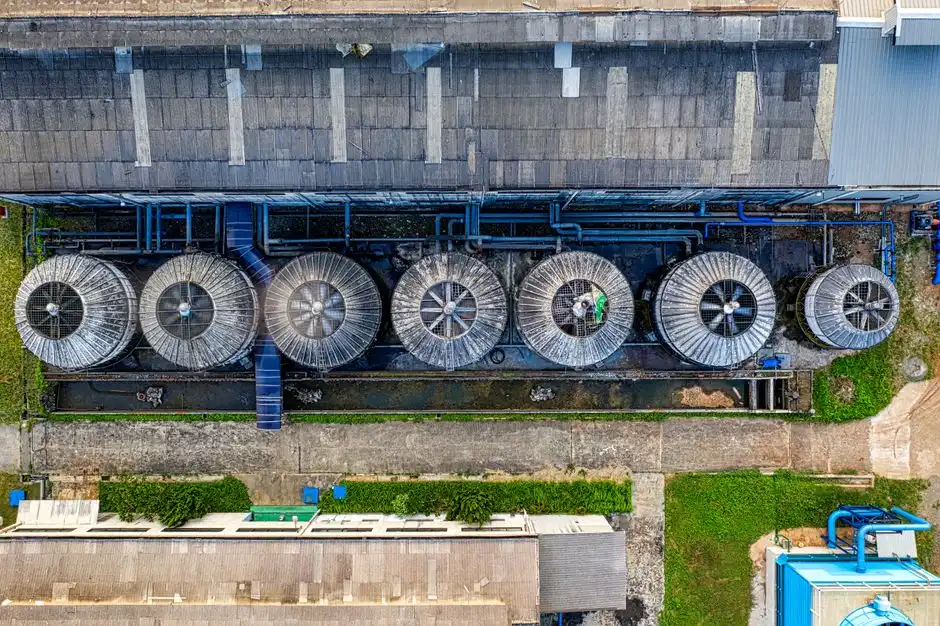
The matrix below pairs U.S. capital benchmarks (S1) with the Omsk-specific cost layers that published case studies do not capture. Use the first column as a sizing anchor and the second as a flag for items the EPC must price regionally.
| Item | U.S. benchmark (S1) | Omsk 2026 adjustments to obtain from EPC quote |
|---|---|---|
| Side-stream filtration | $50,000–$200,000 installed | Add enclosed building, trace heating, GOST-R certification |
| UF skid | Scales with flow | Climate-rated instruments, Russian-language HMI/SCADA |
| 50,000 GPD RO system | $250,000–$500,000 installed; OPEX $1.50–$3.00 per 1,000 gallons | Import-substitution review; freight, duty, commissioning |
| MVC unit (10,000–30,000 GPD) | $1–3 million capital | Only viable if CHP heat or low electricity tariff is confirmed locally |
| Full ZLD system | $3–8 million capital; OPEX $5–$15 per 1,000 gallons | Justified only if Rosprirodnadzor makes any liquid discharge uneconomic |
| Design flow anchor | Up to 2 million L/day for a 100 MW facility (S2); up to 5 million gal/day for a hyperscale (S4) | Confirm makeup requirement against Irtysh supply and PUE target |
ZLD at 95–99% recovery (S1) is justified in Omsk only if Rosprirodnadzor limits make any liquid discharge uneconomic and if CHP heat is available; otherwise the pragmatic 2026 target is 85–95% recovery with controlled brine volume and a permitted disposal route. Cost figures from S1 and S2 are U.S. benchmarks and must be replaced with a regional EPC quote before any budget is signed. Polishing of the recycled stream uses a chlorine dioxide generator for biocide control paired with a UV sterilizer for residual disinfection, and the system tie-in design should follow the UPW loop sizing guide for hydraulic compatibility.
Frequently Asked Questions
What wastewater and cooling blowdown treatment does a data center in Omsk, Russia need in 2026?
In 2026, data centers in Omsk must manage cooling tower blowdown characterized by high cycles of concentration (CoC), typically resulting in elevated conductivity (2,000–4,000 µS/cm), silica levels exceeding 150 mg/L, and hardness concentrations above 500 mg/L as CaCO3. Treatment requirements focus on scale inhibition and the removal of suspended solids to allow for cooling water reuse or compliant discharge into the municipal sewer system.
Due to Omsk’s continental climate, treatment systems must also include winterization protocols to prevent freezing. Standard configurations include side-stream filtration (multi-media or ultrafiltration) and high-recovery reverse osmosis (RO) to reduce blowdown volumes, ensuring compliance with local water utility limits on total dissolved solids (TDS) and sulfates.
How much does a high-recovery reverse osmosis system for cooling-tower blowdown cost in 2026, and what factors drive the price?
For a medium-to-large scale Omsk data center, a high-recovery RO system (capable of 75–85% recovery) typically ranges from 8,000,000 to 18,000,000 RUB, depending on throughput capacity and integration complexity. Prices are primarily driven by the need for specialized anti-scalant dosing systems, corrosion-resistant stainless steel (316L) piping, and automated PLC control systems designed for remote monitoring.
Additional cost drivers include the integration of brine management components, such as chemical precipitation tanks for silica reduction, and the necessity for heat-traced enclosures to maintain operational integrity during Omsk’s sub-zero winter months.
When does a data center in Omsk need a full zero liquid discharge system instead of RO reuse, and what triggers the decision?
A Zero Liquid Discharge (ZLD) system is required when local municipal sewer discharge permits strictly prohibit the release of concentrated brine or when the facility is located in a protected water basin where discharge limits for TDS (typically <1,500 mg/L) or specific heavy metals cannot be met via RO alone. The decision is triggered by the inability to secure a discharge license for the RO concentrate stream.
ZLD implementation involves a thermal process—such as a mechanical vapor recompression (MVR) evaporator or a brine concentrator—following the RO stage. This is a capital-intensive decision, usually reserved for sites where environmental regulatory penalties for discharge exceed the high operational expenditure of thermal brine evaporation.
Which Russian Federation discharge rules and standards apply to cooling-tower blowdown at a 2026 data center site?
Discharge from data centers must comply with SanPiN 1.2.3685-21, which sets the hygienic standards for water quality in water bodies and municipal sewer systems. Operators must specifically adhere to the maximum permissible concentration (MPC) values for chemicals like sulfates, chlorides, and phosphates, which are strictly regulated by the local Vodokanal authority in Omsk.
Furthermore, Federal Law No. 7-FZ "On Environmental Protection" mandates that facilities monitor the impact of their effluent on aquatic ecosystems. If the blowdown is discharged into a surface water body, the facility must obtain a permit based on the "Norms of Permissible Discharges" (NDV), which are calculated based on the specific ecological capacity of the receiving water body.
How do I size an ultrafiltration and reverse osmosis train for an Omsk data center if the facility uses 2 million liters of water per day?
With a feed rate of 2,000 m³/day, the sizing calculation begins by determining the blowdown rate, which is typically 5–10% of the make-up water, resulting in 100–200 m³/day of effluent. The ultrafiltration (UF) system must be sized for a peak flux of 40–60 L/m²/h, requiring approximately 150–200 m² of membrane surface area to account for backwash cycles and fouling factors.
The RO train should be sized to handle the 200 m³/day concentrate stream at a design recovery rate of 80%, necessitating a permeate output capacity of 160 m³/day. Engineers must incorporate a 20% safety margin for membrane degradation and seasonal temperature fluctuations, which significantly impact the permeate flux in the Omsk region.