
What a Filter Press Does to Tannery Sludge
A plate and frame filter press for tannery sludge dewatering is a solid-liquid separation device that sits at the back end of a leather effluent treatment plant (ETP) and converts the biosludge generated by biological treatment into a filtrate that returns to the head of the ETP and a stackable "cake" for disposal or reuse. Batch plate-frame units form the sludge between recessed plates under high pressure; continuous belt filter presses squeeze it between two moving porous belts. The US EPA describes the belt filter press as equipment that "removes water from liquid wastewater residuals and produce[s] a non-liquid material referred to as 'cake,'" reducing volume, handling cost, and downstream storage burden (US EPA, Fact Sheet 832-F-00-057, September 2000).
Inside a tannery, the filter press operates after the physico-chemical and biological stages, where chromium, sulfide, protein, hair, and flesh solids have been precipitated, coagulated, or biologically oxidised. The commercial size envelope most tanneries are quoted against runs from 1.5 m² to 64.3 m² of filtration area across five models (Toro Equipment Draco® range, toroequipment.com), while industrial lines reach 1 m² to 500 m² with manual, hydraulic, or fully automatic PLC-controlled operation (HydropureWater plate and frame product catalog). The right size depends heavily on which sludge stream is being dewatered: beamhouse, chrome-tanning, and finishing streams generate sludge with very different solids content and chemistry, so a single headline removal number is meaningless without specifying the upstream source.
Plate-Frame vs Belt Filter Press for Leather ETP
Plate-frame and belt filter presses both turn a watery waste into a handleable cake, though they utilize distinct mechanical processes suited to different tannery requirements. The US EPA notes that belt filter presses produce a "non-liquid" cake that reduces volume and downstream handling cost (US EPA, Fact Sheet 832-F-00-057, September 2000), but belt presses typically deliver lower cake solids than plate-frame units, which is a problem for tanneries that need a high-dryness cake for valorisation or for any landfill that charges by wet tonnage. Plate-frame units are more cloth-sensitive: a BRIN study on simulated activated sludge reported 56.00% solids removal at 4% w/w CaCO₃ feed using cotton cloth, with poorer performance from drill cloth (BRIN, JTL ejournal), confirming that cloth grade is a first-order design choice. Belt presses are continuous and easier to operate but forgiving on cloth grade; plate-frame presses are batch, more operator-intensive, but reach higher cake dryness and tolerate cake washing, which is relevant when chromium is being leached.
| Parameter | Plate-frame filter press | Belt filter press |
|---|---|---|
| Operation | Batch, plate pack under hydraulic pressure | Continuous, two-belt squeeze |
| Cake dryness on tannery sludge | Higher; suitable for FPTES reuse | Lower; usually below plate-frame equivalent |
| Filtration area envelope | 1.5–64.3 m² commercial; 1–500 m² industrial (Toro Draco®; HydropureWater) | Continuous belt; area set by belt width and length |
| Cloth sensitivity | High — cotton outperformed drill in BRIN study (56.00% removal at 4% w/w CaCO₃) | Lower; belt grade matters less |
| Cake wash step | Possible (relevant for chrome leaching) | Limited |
| Operator skill required | Higher (manual/hydraulic) or PLC (automatic) | Lower; mostly continuous monitoring |
| Footprint | Larger per m² of filter area | Smaller, more compact |
| Best fit for tannery | High-dryness FPTES reuse, weight-based landfill cost | Continuous duty, capex-driven small tanneries |
Selecting the right equipment requires aligning the technology with the facility's specific waste management goals. If the tannery's downstream story is FPTES valorisation (Hashem et al., Environ Sci Pollut Res Int 33(23):12129–12145, 01 Jun 2026) or a weight-billed landfill, default to a plate-frame unit and spend the design effort on cloth selection and conditioning. If the bottleneck is continuous throughput from a small beamhouse and capex is the binding constraint, a belt press remains a defensible choice. For a parallel engineering view on other high-organic industrial wastewaters, see the filter press for winery wastewater sizing guide.
Sizing a Plate-Frame Filter Press for Tannery Sludge
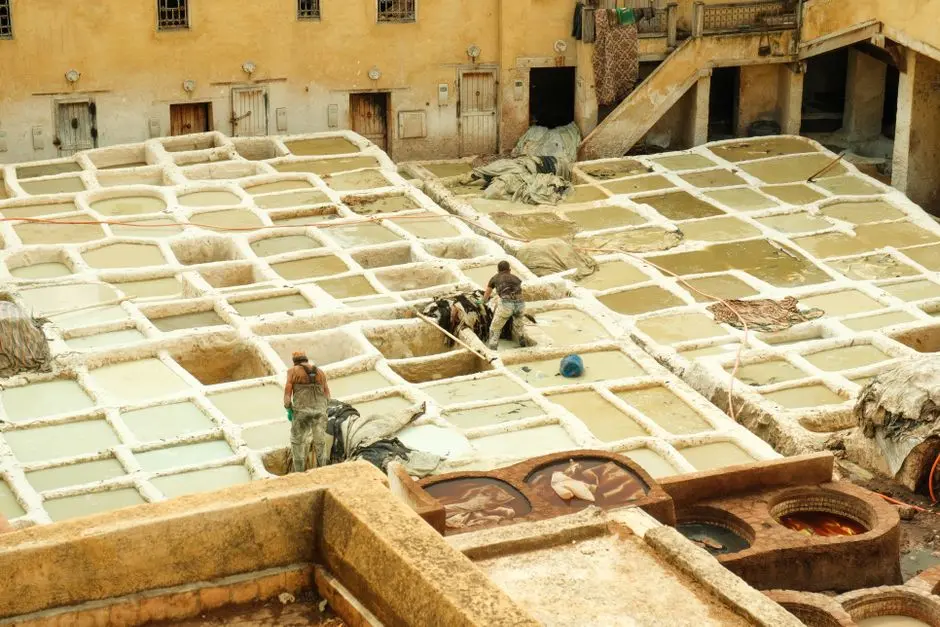
Tannery engineers must define specific operational parameters before engaging a vendor to ensure the system is correctly sized for the application. The minimum data set is feed flow (m³/h or m³/cycle), feed suspended solids (g/L), target cake dryness (%), operating hours per day, and any chromium or sulfide limits the filtrate must meet before recycle. The BRIN plate-frame data point — 56.00% solids removal at 4% w/w CaCO₃ feed with cotton cloth (BRIN, JTL ejournal) — is useful as an anchor for the kind of removal efficiency a properly conditioned sludge can deliver, but leather sludge chemistry is more demanding than a CaCO₃ surrogate because of the protein, hair, and chrome load, so the supplier should be asked for pilot or on-site test data on the actual tannery sludge rather than relying on a surrogate number.
Filtration area drives throughput, and the industrial size envelope of 1 m² to 500 m² (HydropureWater product catalog) exists because feed flow and cycle-time targets vary significantly between small tanneries and large integrated leather complexes. A pilot test on 0.5–1 m² of plate area usually gives the cake formation rate, dry solids flux (kg DS/m²·h), and specific cake resistance needed to scale up. The trade-off the engineer must set explicitly is the cake dryness versus throughput curve: pushing cake dryness higher means longer cycle time, higher pressing pressure, more cloth wear, and lower throughput per m² of plate area. The same equipment envelope is used for very different wastewaters — a useful reference is the filter press for distillery wastewater engineering guide — but the chemistry, conditioning polymer dose, and cake-wash requirements will all be tannery-specific.
Operating a Filter Press on Tannery Sludge: Conditioning, Cloth, Cycles
Proper conditioning is required to prevent cloth blinding and maintain efficient cycle times when operating a plate-frame press on tannery sludge. Tannery sludge is high in protein and chrome, both of which blind filter cloth quickly if polymer dose and pH are wrong; a properly sized automatic polymer dosing for sludge conditioning upstream of the press is a process necessity. Cloth selection is a process variable, not a consumable afterthought: the BRIN study showed cotton cloth outperforming drill cloth at 56.00% removal at 4% w/w CaCO₃ (BRIN, JTL ejournal), and tanneries should pilot cloth grade on their own sludge before locking the spec, because the protein and hair load will change the ranking.
The operating cycle on a plate-frame press follows a fixed sequence: feed/press, optional cake wash (relevant if chrome is being leached and the cake is destined for a reuse application), air-blow to push residual moisture out of the cake, and cake discharge. On manual or hydraulic units, every step is operator-controlled; on automatic PLC-controlled lines, the same sequence is programmed and repeatable, which matters for FPTES reuse where cake consistency drives downstream brick quality. The most common failure modes on leather sludge are cloth blinding from hair and flesh solids, filtrate turbidity spikes when plates or cloths are damaged, and excessive cycle time when feed solids drop below the design point — usually a sign that upstream thickening or polymer dose has drifted.
From Cake to Co-Product: Valorising Tannery Filter Press Sludge
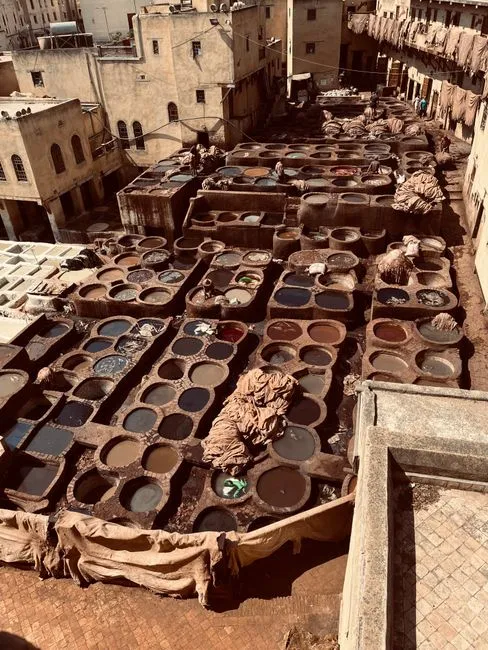
The strongest argument a tannery engineer can make to management for a plate-frame press over a belt press is the potential for converting waste into a co-product. Hashem et al. (Environ Sci Pollut Res Int 33(23):12129–12145, 01 Jun 2026) showed that filter press tannery effluent sludge (FPTES) blended at 4% into brick clay met ASTM and BDS category-A brick standards: 15.9 MPa compressive strength, 14.7% water absorption, 2.3% shrinkage, 9.8% weight loss, and 1.8 g/cm³ density. The same study reported NEN 7345 leachate heavy metals well below permissible limits, which directly answers the regulatory question that usually kills tannery-sludge reuse proposals.
The economic case is concrete: 4% FPTES bricks saved USD 0.012 per brick and cut brick-firing energy by 25.8% per brick (Hashem et al., 2026). That converts the filter press from a disposal line item into a quantified input saving, and ties the engineering decisions made earlier — cloth selection, conditioning, cake wash — to the ESG story. The reuse pathway only works if the filter press delivers a consistent, low-chrome-leachable cake, which is why the conditioning, cloth, and cycle-time choices made upstream are not separate from the valorisation argument. For a broader view of how this kind of cake-to-product chain fits into industrial water economics, see the 2026 resource recovery from wastewater technologies and ROI overview.
Frequently Asked Questions
How do I choose between a plate-frame and a belt filter press for a tannery ETP?
Pick a plate-frame unit when the downstream goal is high-dryness cake for FPTES valorisation, as in the Hashem et al. 2026 brick study (33(23):12129–12145), or when landfill is billed by wet weight. The commercial size envelope runs 1.5–64.3 m² (Toro Equipment Draco®) and industrial lines reach 1–500 m² (HydropureWater). Pick a belt press when continuous duty and lower capex dominate over cake dryness — the US EPA belt filter press fact sheet (832-F-00-057, September 2000) describes the volume-reduction business case that drives that choice.
What is a realistic budget range for a plate-frame filter press sized for a tannery?
The supplied research does not include a price list. The buyer should request a vendor proposal keyed to feed flow (m³/h), feed suspended solids (g/L), target cake dryness (%), and operating hours/day, then benchmark proposals against the 1.5–64.3 m² (Toro Draco®) or 1–500 m² (HydropureWater) size envelopes to confirm the supplier has sized the unit, not quoted a generic line.
How should a tannery engineer evaluate filter press suppliers?
Ask for pilot or on-site test data on the actual tannery sludge — leather chemistry is more demanding than the CaCO₃ surrogate used in the BRIN study that recorded 56.00% solids removal at 4% w/w with cotton cloth. Confirm the supplier can provide a compatible automatic polymer dosing for sludge conditioning line, and request a cake-wash step if the cake is destined for a reuse application like the FPTES brick route (Hashem et al., 2026).
What cake-solids target should a tannery specify for FPTES brick reuse?
Hashem et al. (Environ Sci Pollut Res Int 33(23):12129–12145, 01 Jun 2026) used FPTES blended at 4% into brick clay and reported category-A compliance at 15.9 MPa strength, 14.7% water absorption, 2.3% shrinkage, 9.8% weight loss, and 1.8 g/cm³ density, with NEN 7345 leachate heavy metals below permissible limits. The buyer should ask the brick partner for the moisture and chrome-leachability window they will accept, then size the press cycle to hit that window consistently — typically by adding a cake-wash step and tightening the air-blow phase.