Why Rio de Janeiro housing needs a packaged STP in 2026
About 66% of Rio de Janeiro's population still discharges untreated sewage directly into nature, according to RioOnWatch reporting on the Vale Encantado biodigester project (rioonwatch.org, 2015-09). For new residential developments in 2026, that single statistic is the reason a packaged sewage treatment plant is on the drawing board at all: trunk-sewer coverage cannot keep pace with housing demand, and developers must treat effluent on-site or pre-treat it for a future concession interceptor. The decision is not "which brand" but "which packaged process train" — A/O buried, skid MBR, SBR, or biodigester + planted biosystem — fits the site's concession status, tropical hydraulics, and CONAMA Resolution 430/2011 envelope.
The concession geography is the constraint that reshapes every other choice. In April 2021 the Iguá consortium won a 35-year block-2 concession covering Rio de Janeiro's Planning Area 4 (AP4) plus the municipalities of Miguel Pereira and Paty Alferes; the contract was signed in August 2021 and full operation began in February 2022 (rioonwatch.org, 2022-08). The contract requires Baixada de Jacarepaguá sewage treatment to rise from 67% to 90% within 12 years, and the Barra Sewage Treatment Center is the regional hub receiving intercepted flows. Because the concession plans 50 catchment points, ~40 km of dry-weather sewage intakes intercepting 676 L/s, and 28 pumping stations feeding the Barra hub (rioonwatch.org, 2022-08), a new housing development's effluent path — discharge to a water body, to the future interceptor, or on-site reuse — must be decided before a packaged unit is selected.
Tropical coastal conditions change the sizing baseline. High wastewater temperature accelerates biological kinetics but shortens membrane life; wet-season infiltration routinely doubles dry-weather flow; and seasonal occupancy in second-home coastal blocks creates a low-week / peak-week swing that temperate packaged-plant curves do not capture. A buried A/O or skid MBR package is the default for formal condominium developments inside AP4, while a biodigester + biosystem suits irregular-grid or off-grid communities such as the 27-family Vale Encantado pilot in the Tijuca Forest (rioonwatch.org, 2015-09).
Rio's regulatory and concession framework you must check first
Before specifying any packaged plant, confirm four facts about the site: (1) whether it sits inside Iguá's block-2 concession (AP4 plus Miguel Pereira and Paty Alferes), (2) the closest planned catchment point and pumping station on the 50-point / 28-station network feeding the Barra Sewage Treatment Center, (3) the discharge path against CONAMA Resolution 430/2011, and (4) the land-tenure status if the project is in an irregular or non-urbanized area (rioonwatch.org, 2022-08). Iguá's R$305m (US$57m) budget for water and sewerage in irregular areas is a separate funding line from the R$126m (US$23.53m) DWSI/pumping-station project that benefits 69 communities; a development must be inside the formal catchment plan to expect a future interceptor connection, otherwise the packaged plant has to handle the full lifecycle on-site (rioonwatch.org, 2022-08).
Concession-area coordination is not optional. New housing that builds inside the planned catchment will eventually be asked to disconnect from a package plant and tie into the interceptor; the plant specification should include a bypass manifold and a sampling port so the transition is a civil job, not a process redesign. The DWSI network is sized to intercept 676 L/s of currently untreated sewage across five sub-basins and one micro-basin, with the Arroio Fundo, Muzema, Anil, Guerenguê, Rio das Pedras, Rio Grande and Taxas Channel as named tributaries (rioonwatch.org, 2022-08). A housing project whose discharge enters one of these tributaries upstream of a planned catchment point should pre-treat to a level that does not exceed the receiving interceptor's hydraulic or organic budget.
CONAMA Resolution 430/2011 sets the effluent envelope for any discharge to a water body and conditions any reuse path. The 12-year ramp from 67% to 90% treatment in Baixada de Jacarepaguá, combined with the planned improvements to over 100 water and sewerage stations and the Barra Sewage Treatment Center (rioonwatch.org, 2022-08), means that any package plant installed in 2026 will operate across a tightening regulatory horizon. Buyers should request that the vendor guarantee outlet values against the CONAMA parameters for the chosen discharge route — generic "meets standards" wording is not sufficient evidence for a municipal reviewer.
| Check | Authority or document | What to confirm |
|---|---|---|
| Concession boundary | Iguá block-2 (AP4 + Miguel Pereira + Paty Alferes) | Site is inside or outside the concession service area (rioonwatch.org, 2022-08) |
| Interceptor scope | 50 catchment points, ~40 km of DWSI, 28 pumping stations to Barra STP | Distance to nearest planned catchment point; project year (rioonwatch.org, 2022-08) |
| Discharge envelope | CONAMA Resolution 430/2011 | Effluent parameters required for the chosen discharge path (water body, sewer, or reuse) |
| Land tenure | Rio municipal planning | Formal vs irregular status; eligibility for the R$305m irregular-area funding line (rioonwatch.org, 2022-08) |
| Sub-basin context | Arroio Fundo, Muzema, Anil, Guerenguê, Rio das Pedras, Rio Grande, Taxas Channel | Receiving water body for stormwater and any overflow path (rioonwatch.org, 2022-08) |
Four packaged STP architectures that work in Rio housing
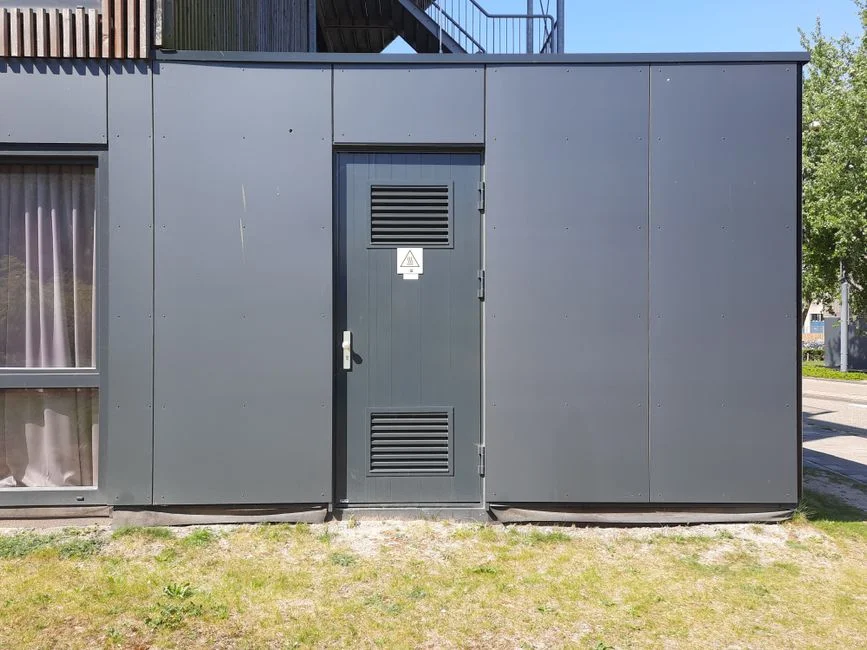
The four process trains that recur in Brazilian residential tenders are buried A/O contact oxidation, skid-mounted MBR, packaged SBR, and anaerobic biodigester + planted-root biosystem. Each maps to a different combination of footprint, operator skill, reuse intent, and CAPEX. A buried A/O contact-oxidation package plant runs as a single buried unit, is fully automated, and needs no on-site operator once commissioned, which fits medium-sized condominium developments where the developer wants zero visual impact, a known effluent envelope, and landscaping on top of the tank. A skid-mounted MBR package uses submerged PVDF membranes, produces near-reuse effluent quality, and is the right choice where the housing density is high or the project targets non-potable reuse for landscape irrigation and toilet flushing. Packaged SBR is a flexible middle option for sites with variable hydraulic load — seasonal housing, short-stay blocks, or phased occupancy. The biodigester + biosystem track is proven at community scale: in 2015 the Vale Encantado community in the Tijuca Forest started construction of a 27-family biodigester + planted-root polishing system led by PUC-Rio engineers with FAPERJ funding, treating all household sewage with no chemical dosing and producing reusable biogas (rioonwatch.org, 2015-09). The same article notes that the earlier 2014 biodigester in Vale Encantado already powered the community cooperative restaurant's stoves, demonstrating closed-loop energy use at small scale.
The trade-off lens is operator skill versus reuse quality. Buried A/O is the lowest-skill option and the lowest visual-impact option. MBR gives the best reuse water but the highest membrane OPEX and a documented maintenance protocol that demands a trained technician, as covered in the MBR maintenance protocol and the MBR capacity and sizing calculation guide. SBR is the flexible middle, useful when occupancy swings. Biodigester + biosystem is the lowest-energy option but requires horizontal land for the planted polishing stage, which makes it better suited to low-rise or community-scale layouts than to vertical condominium footprints. Comparative logic for tropical high-density housing also appears in the packaged STP sizing for high-density tropical housing in Chittagong guide, and a supplier-side comparison for a different tropical context is in the package wastewater treatment plants in Visayas, Philippines engineering guide.
| Architecture | Best fit in Rio housing | Operator requirement | Reuse potential |
|---|---|---|---|
| Buried A/O contact oxidation | Medium vertical condominium, zero visual impact | Unattended after commissioning | Standard CONAMA 430 envelope for discharge |
| Skid MBR | High-density housing targeting non-potable reuse | Trained technician for membrane cleaning | Near-reuse quality with UV or chlorine dioxide disinfection |
| Packaged SBR | Seasonal or phased-occupancy housing | Light control attention | Standard CONAMA 430 envelope for discharge |
| Biodigester + planted biosystem | Off-grid, low-rise, community-scale housing (e.g. Vale Encantado model) | Local operator pool; PUC-Rio / Viva Rio style stewardship | Reusable biogas; polished effluent to forest or irrigation |
Sizing a packaged plant for a Rio housing development
Sizing is a four-step exercise that must be done before shortlisting models. Step 1: define the design population as dwelling units × residents per unit × an occupancy factor; vertical Rio condominiums and horizontal housing have very different per-unit populations, so a national per-capita default should not be applied without local cross-check. Step 2: convert population to average dry-weather flow using a per-capita wastewater contribution — the supplied research does not give a Rio-specific per-capita value, so the figure must be requested from Iguá or from the developer's own hydraulic study before the package plant is sized. Step 3: add a peaking factor for morning and evening peaks, and a wet-season infiltration allowance, because tropical coastal storms routinely overwhelm undersized plants in the Baixada de Jacarepaguá sub-basins (rioonwatch.org, 2022-08). Step 4: match the resulting m³/day against the packaged unit's nominal capacity, leaving 20–30% headroom for growth and for the eventual tie-in window to the Iguá interceptor.
Footprint is the second sizing axis. Buried A/O minimizes surface area and allows landscaping on top, which is decisive in a vertical condominium where ground-level amenity space drives sale price. Skid MBR has a smaller footprint than conventional activated sludge of the same capacity, but still needs a plant room with crane access for membrane module replacement. Packaged SBR sits between the two on footprint. Biodigester + biosystem needs the most horizontal land because the planted polishing stage is a surface flow system; in a vertical condominium this usually disqualifies the architecture, but in horizontal housing or in an irregular-grid community it is competitive because the land is part of the open-space plan rather than a separate plant room.
Compliance checklist: CONAMA 430, concession rules, and reuse
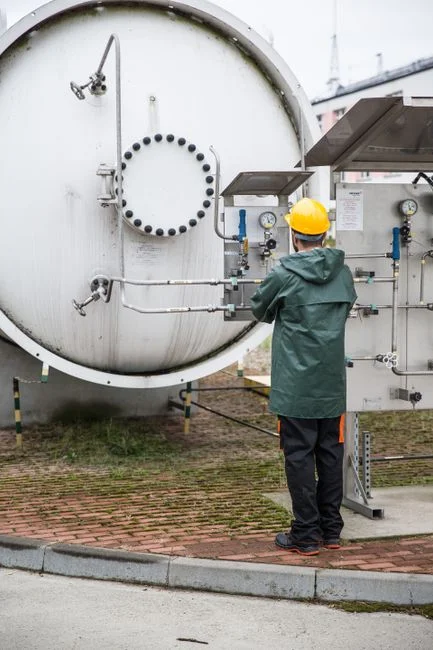
Five vendor questions prevent the most common procurement failures. First, demand guaranteed outlet values for the CONAMA Resolution 430/2011 parameters against the chosen discharge path — discharge to a water body, to the future Iguá interceptor, or to an on-site reuse loop — and reject generic "meets standards" wording. Second, if the project reuses effluent on-site for landscape irrigation or toilet flushing, request documentation of local water-utility acceptance and specify a UV disinfection stage or a chlorine dioxide disinfection stage as part of the skid. Third, confirm whether the packaged plant can interface with a future DWSI/pumping-station connection to the Barra Sewage Treatment Center, given that Iguá is installing 28 such pumping stations in AP4 (rioonwatch.org, 2022-08); a bypass manifold and a sampling port should be on the P&ID. Fourth, request PLC/SCADA alarm logs and a Portuguese-language O&M manual, since buried A/O units run unattended but MBR membrane-cleaning protocols need a trained local technician. Fifth, ask for FAT (factory acceptance test) reports and a SAT (site acceptance test) protocol before shipment, and include both as contractual deliverables.
For irregular-grid or non-urbanized sites, the legal status of the land must be documented before sizing: Iguá's R$305m (US$57m) irregular-area line is separate from the R$126m (US$23.53m) DWSI budget, and the DWSI project only benefits 69 named communities in the formal catchment plan (rioonwatch.org, 2022-08). A housing development outside that list should not assume a future interceptor tie-in and should size the package plant for the full operational life.
Frequently Asked Questions
What is a realistic CAPEX range for a packaged STP serving a Rio housing development in 2026?
The supplied research contains no current Rio packaged-plant price list, so any quoted figure would be invented. Request a formal quote from at least three vendors, each sized to the same design flow and the same CONAMA Resolution 430/2011 envelope, and ask for a separate priced option for the buried A/O contact-oxidation package plant and the skid-mounted MBR package so CAPEX and OPEX can be compared on equal terms.
How do I choose between an MBR skid and a buried A/O plant for a vertical condominium inside AP4?
Match the choice to the reuse intent and the operator pool. An MBR skid is justified when the project targets non-potable reuse for irrigation or toilet flushing and has access to a trained membrane technician, and when the smaller footprint offsets higher OPEX. A buried A/O package is the lower-OPEX, lower-skill default when the effluent will be discharged to the future Iguá interceptor or to a water body under the CONAMA Resolution 430/2011 envelope.
What CONAMA 430 effluent parameters should the vendor guarantee in writing?
Ask the vendor to list, with numeric values, every parameter that CONAMA Resolution 430/2011 sets for your chosen discharge path — whether to a water body, to a sewer, or for reuse — and to attach the guaranteed values to the FAT and SAT protocols. Generic "meets CONAMA" claims are not a compliance deliverable.
What is the typical lead time for a packaged sewage treatment plant shipped to Rio de Janeiro?
The supplied research gives no Rio-specific lead time. Ask each shortlisted vendor for a written manufacturing slot, a shipping window to the Port of Rio, and a SAT commissioning date, and add a penalty clause for slippage beyond the agreed window. Confirm customs documentation for the skid in advance to avoid the most common cause of on-site delay.