How Fez Treats Its Domestic Sewage Today
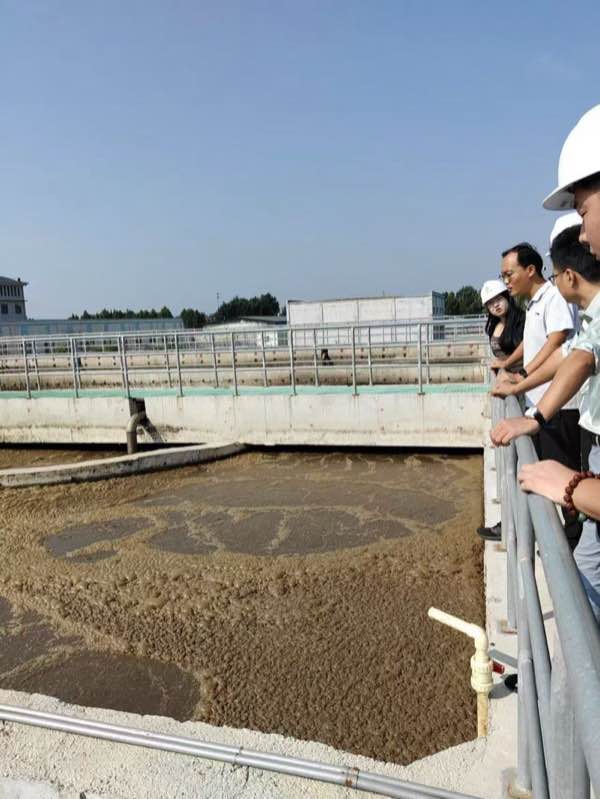
The Fès wastewater treatment plant is an activated-sludge facility in service since 2014 that receives 155,400 m³/day of domestic wastewater from the communes of Fès, Ras El Ma, Oulad Tayeb and Ain Chkef, according to a 2024 BIO Web of Conferences study. The same study reports that the plant generates roughly 5,100 tonnes of residual sludge per year, and the physico-chemical characterization run on that sludge covered COD, BOD5, TSS, total nitrogen and total phosphorus—the parameter set used to confirm the sludge's nutrient content and valorization potential.
The earlier Ecological Engineering & Environmental Technology paper on Fez wastewater made the same case at the discharge end: COD, BOD5, suspended solids, nitrogen and phosphorus must be measured before any effluent is released to the natural environment, because those parameters determine the receiving-water impact. Together, these two studies provide a 2026 buyer with a defensible municipal baseline for the Fez context—capacity, sludge volume, feed catchments, and the minimum analytical envelope any new project should reproduce.
Why Central-Plant Coverage Doesn't Solve Every Fez Project
The central plant's catchment is finite and limited to the four contributing communes of Fès, Ras El Ma, Oulad Tayeb and Ain Chkef. Peri-urban residential expansion, new resort corridors along the tourist axis, rural clusters, and industrial estates outside those boundaries cannot be assumed to be served by the municipal interceptor. Even within the catchment, the US EPA's municipal wastewater guidance is explicit that a separate sanitary sewer must be designed, permitted and maintained before any treatment decision is made, and that infiltration and inflow through faulty seals or illegal connections can push peak flows past a plant's design envelope. The practical trigger for going decentralized in Fez is a site-specific test: distance from the central interceptor, a flow below the connection threshold, a documented reuse demand, or the absence of an extended sewer. The Ecological Engineering paper reinforces the point from the discharge side—no Fez site should be designed on assumed influent values, because parameter testing is required before any discharge decision. A 2026 buyer should treat the four named communes as a hard "central network available" line and everything else as a decentralized procurement problem.
Influent & Effluent Parameters a 2026 Fez Buyer Should Plan Around
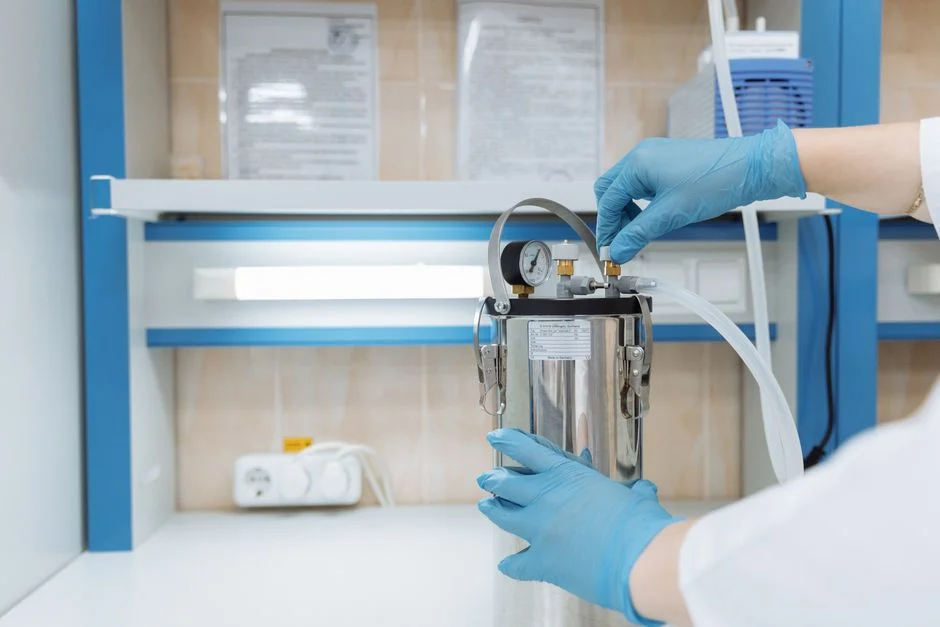
The Fez-specific parameter envelope is the one measured on the central plant's sludge—COD, BOD5, TSS, total nitrogen and total phosphorus—and the Ecological Engineering paper applies the same envelope to the discharge side, calling for those parameters to be defined before any release to the natural environment. A decentralized design in Fez must hit the same envelope, as the receiving-water framework does not change with plant size. These parameters dictate the specific unit processes required for effective treatment.
| Parameter | What it tells the buyer | Unit process that addresses it |
|---|---|---|
| COD / BOD5 | Organic load arriving at the plant; basis for biological sizing | Biological oxidation (anoxic + aerobic stages) |
| TSS | Suspended-solids load and clarifier duty | Sedimentation, or membrane separation for reuse targets |
| Total nitrogen | Discharge risk to receiving water; denitrification demand | Biological nitrification / denitrification |
| Total phosphorus | Eutrophication risk; chemical or biological removal | Biological uptake, coagulation, or chemical precipitation |
The table is a process-selection aid, not a finished design: each row tells a Fez engineer which unit process the parameter is driving, and the absence of numeric limits in the supplied research means the buyer must set those limits against the current Moroccan discharge framework and site-specific reuse targets. Before signing a supply contract, request 24-hour composite samples, peak-to-average ratios, groundwater infiltration evidence and any industrial cross-connections—the same I/I hazards the US EPA flags for separate sanitary sewers apply to any new Fez collection side.
Process Options for Decentralized Domestic Sewage in Fez
The realistic 2026 menu in Fez for sites outside the central plant's four-catchment network is dominated by two packaged-process families. The first is the buried A/O packaged plant, sold as the buried A/O packaged sewage treatment plant (WSZ series), which combines anoxic and aerobic biological contact oxidation with sedimentation and disinfection in a single buried unit sized from 1 to 80 m³/h and aimed at residential communities, hotels, hospitals, factories and rural areas. The second is the integrated MBR membrane bioreactor system, which is the right choice when near-reuse effluent is required: it runs from 10 to 2,000 m³/day, occupies roughly 60% of the footprint of a conventional activated-sludge train, and uses a sub-micron filtration step to produce irrigation-quality water. The wider literature also includes lower-skill decentralized options—the IntechOpen vermifiltration study, for example, treats domestic septic-tank effluent using earthworm-assisted filtration and reports it as efficient in semi-arid regions—but for a 2026 procurement decision in Fez, the buried A/O unit and the MBR remain the proven industrial choices. Whichever route is selected, the Fez influent characterization discipline remains; the parameter-testing requirement applies to the feed of any packaged plant, not only the central WWTP.
Packaged A/O vs MBR: A Decision Matrix for Fez Projects
Choosing between the two packaged options is a footprint, reuse and sludge question. The matrix below uses published ranges from the product catalog and the Fez-specific parameter envelope from the research.
| Decision axis | Buried A/O packaged plant (WSZ series) | Integrated MBR |
|---|---|---|
| Flow range | 1–80 m³/h | 10–2,000 m³/day |
| Footprint | Buried, landscaping above; no separate membrane hall | About 60% of a conventional activated-sludge footprint |
| Effluent quality | Discharge-quality after sedimentation and disinfection | Sub-micron filtration, suitable for irrigation reuse |
| Operator skill | Fully automated, no dedicated operator required | Higher; membranes need periodic chemical cleaning |
| Best-fit Fez use case | Small community, rural cluster, site with no reuse target | Hotel, hospital, factory with a documented irrigation or process-water reuse demand |
| Sludge handling | Surplus activated sludge to dewatering | Surplus activated sludge to dewatering; lower solids load per m³ treated |
Both routes depend on the Fez-specific influent parameters and the local discharge permit framework. A one-line decision rule covers most 2026 Fez procurements: reuse yes → MBR; reuse no, footprint constrained → WSZ; reuse no, site open → either, governed by sludge strategy. For projects tied to a municipal interceptor upgrade, the A²/O upgrade and advanced tertiary treatment guide is the relevant reference, and the 2026 industrial effluent discharge guidelines and limits set the compliance floor for any non-domestic cross-connections.
Sludge: The Constraint the Fez Literature Keeps Flagging
The central plant generates 5,100 tonnes per year of residual sludge, reported by the 2024 BIO Web of Conferences study, which also confirmed the sludge is rich in nutrients and suitable for valorization. The same study measured the sludge using COD, BOD5, TSS, total nitrogen and total phosphorus—the parameter set a buyer should hand to any dewatering supplier before sizing equipment. Translated to a decentralized project, even a 50 m³/day packaged plant produces a measurable dry-solids stream, so dewatering cannot be designed in later. The standard step for both municipal-scale and mid-sized decentralized sludge in this product range is the plate-and-frame filter press for sludge dewatering, with a published filtration area of 1–500 m² and control ranging from manual to PLC, which slots in downstream of a thickening stage and ahead of any valorization or landfill route. The 2024 study's valorization finding is the technical case for specifying a press with a cake-handling interface from day one. The broader process envelope around these decisions, including Morocco's national context, is covered in the Morocco-wide domestic sewage treatment engineering guide.
Frequently Asked Questions
What is the Fès central WWTP and what flow does it handle?
The Fès wastewater treatment plant is an activated-sludge facility in service since 2014, receiving 155,400 m³/day of domestic wastewater from the communes of Fès, Ras El Ma, Oulad Tayeb and Ain Chkef, and generating about 5,100 t/year of residual sludge, according to a 2024 BIO Web of Conferences study.
Which packaged sewage treatment plant suits a small Fez community, hotel or rural site?
For flows in the 1–80 m³/h range with no reuse target, the buried A/O packaged sewage treatment plant (WSZ series) is the standard fit, combining anoxic and aerobic biological contact oxidation with sedimentation and disinfection in a single buried unit. For pricing, request a quote keyed to your measured flow and peak factor, as the buyer must obtain site-specific pricing from the supplier.
When does an MBR make more sense than a buried A/O plant in Fez?
An integrated MBR membrane bioreactor system is the right choice when the project has a documented reuse demand—irrigation, toilet flushing or process water—and a flow in the 10–2,000 m³/day range, because the sub-micron filtration step produces near-reuse-quality effluent from a footprint roughly 60% of a conventional train.
How should sludge be handled for a new Fez installation, and how do I pick a supplier?
Anchor the sludge train to the 5,100 t/year central-plant context and to the plate-and-frame filter press for sludge dewatering, which is the standard step at the 1–500 m² scale. For supplier selection, ask each bidder for the cake dryness they guarantee on a Fez-type sludge (COD, BOD5, TSS, total N, total P) and for the cake-handling interface they supply; a Fez buyer should request a site-specific bench test or a reference plant running comparable sludge before committing.