Why PFAS Treatment in 2026 Is No Longer Optional for Industrial Sites
Two regulatory deadlines have moved PFAS from a watchlist item to a specification driver for industrial sites in 2026. The new German Drinking Water Ordinance limit values for PFAS apply from 12 January 2026 (Herco), and operators that discharge to municipal POTWs or surface water in Germany are already seeing tightened pretreatment enforcement as a downstream consequence. In the United States, the EPA's 2024 National Primary Drinking Water Regulation set the bar at 4 parts per trillion each for PFOA and PFOS (RKIN, citing the EPA), and NPDES and industrial-user pretreatment programs are using that 4 ppt value as the de-facto benchmark for industrial discharges. The industrial sources affected are not theoretical: AFFF and fire-training water (6:2 FTS appears on the SUEZ analyte panel), landfill leachate, semiconductor and metal-finishing rinse water, and PFAS-bearing process wastewater from chemical plants (SUEZ, Herco).
A 2023 USGS study referenced in the RKIN buyer's guide estimated that nearly half of U.S. tap water contains detectable PFAS, and the same mapping work is now being applied to industrial outfalls. Sites that have not characterized their influent in 2026 are effectively signing compliance risk over to whoever reviews the next permit cycle.
The Core Problem: PFAS Is Not One Contaminant
PFAS is a family of over 15,000 synthetic chemicals, and the carbon–fluorine bond is one of the strongest in organic chemistry, so these compounds do not break down in conventional biological wastewater treatment (RKIN). That single fact is why the technology choice has to start with chemistry, not equipment catalogs. Treatment selection pivots on chain length: long-chain PFAS (PFOA, PFOS, and species with more than six carbons) are adsorbed effectively by GAC, PAC and IEX; short-chain PFAS, including GenX (HFPO-DA) and other replacements introduced when long-chain species were phased out, escape these media more easily and push projects toward RO, NF, or short-PFAS-optimized PAC reactors (Herco, SUEZ, RKIN). SUEZ's Pulsazur® PAC reactor is designed explicitly for that short-chain failure mode, with high carbon dose and reduced contact time under 15 minutes.
Industrial runoff rarely contains a single PFAS species. AFFF-impacted water commonly carries both long-chain PFOA/PFOS residuals and 6:2 FTS as a marker compound (SUEZ lists it explicitly). Landfill leachate and semiconductor rinse water add short-chain PFAS and matrix interference (salinity, surfactants, solvents) that change the effective removal rate of any single technology. Herco's process therefore starts with laboratory analysis to determine PFAS content and select the right laboratory method, because the answer changes which technology belongs in the train. Without chain-length distribution and matrix data, any vendor proposal is guesswork.
Five Technology Families Dominating 2026 Top-Rated PFAS Filtration Systems
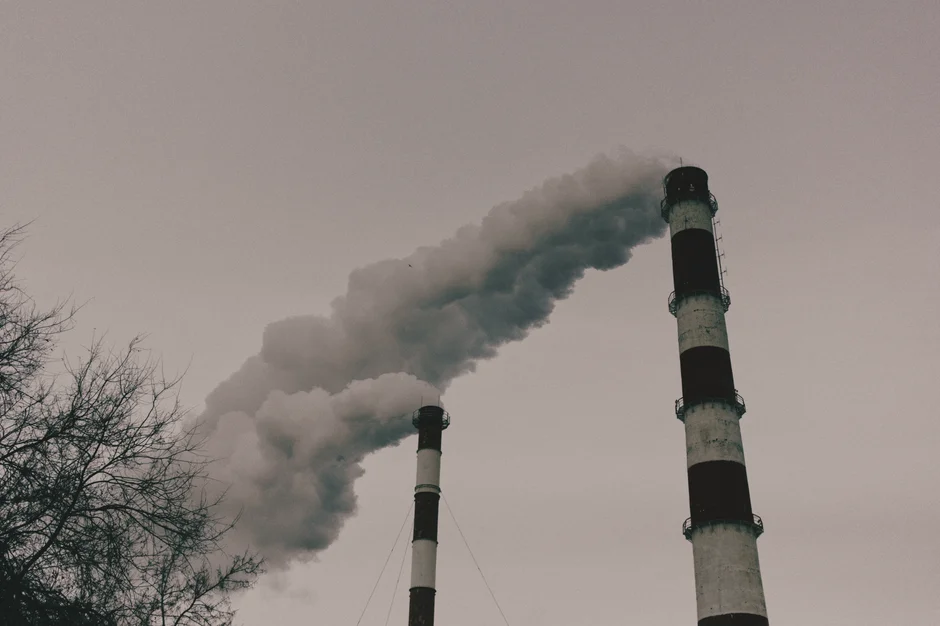
Any qualified bidder for an industrial PFAS train in 2026 should be able to propose at least one option from each of these five families, with documented performance evidence rather than generic claims.
Reverse osmosis and nanofiltration. Independent studies cited in RKIN's 2026 buyer's guide show RO removes 90–99% of PFAS compounds, including short-chain variants; a 2020 Duke University and NC State study published in Environmental Science & Technology Letters tested home water filters and found that reverse osmosis systems were the most effective, reducing PFAS by 94% or more in most cases, with some two-stage systems achieving near-complete removal. Herco states that RO can remove up to 99% of long-chain molecules. SUEZ markets low-pressure RO (OIBP) and NF as part of its standard PFAS train for drinking water, wastewater and industrial effluents, citing the advantage of removing a wide spectrum of pollutants including short-chain PFAS.
Granular and powdered activated carbon (GAC / PAC). Activated carbon is effective primarily for medium- and long-chain PFAS (more than six carbons), and SUEZ notes that adsorbed PFAS are destroyed during thermal regeneration. Performance is highly variable: the same 2020 Duke/NC State study cited by RKIN found that activated carbon filters reduced PFAS by 0–73% depending on the specific system and how well-maintained it was, and filters that had not been changed on schedule actually released previously captured contaminants back into the water. For short-chain PFAS, SUEZ's Pulsazur® PAC reactor is purpose-built for a high carbon dose and a reduced contact time under 15 minutes.
Ion exchange resins. IEX replaces PFAS with other ions using porous polymers and offers rapid adsorption kinetics across a wider PFAS spectrum than carbon alone (Herco). Herco highlights that specific resins bind long-chain PFAS particularly effectively and integrates the technology into customized ion exchange systems matched to the specific water composition.
Micro-adsorbent dosing with pile cloth media filtration (PCMF). Filtech 2026 pilot data from Mecana AG and Aqua Aerobic Systems, published in the FILTECH 2026 Conference proceedings (Cologne, 30 June – 2 July 2026), evaluated carbon-based micro-adsorbents with a d50 of about 1–2 µm dosed together with iron-based coagulant. By dosing less than a sub-specified mg/L of micro-adsorbents, more than 80% of OMPs were removed, while residual micro-adsorbents in the effluent remained below a sub-specified mg/L, corresponding to over 98% removal, with hydraulic retention between 0.5 and 10 minutes. The configuration is positioned for high-flow, low-concentration matrices such as municipal wastewater or stormwater and translates to a pre-industrial polishing step for runoff.
Hybrid and destructive options. SUEZ operates units capable of high-temperature incineration at more than 1,100°C, achieving 99.9999% PFAS destruction (with the indicative rate varying by molecule and concentration). Herco lists plasma, electrochemical oxidation and thermal high-pressure processes as additional residue-free destruction options. SUEZ's foam fractionation exploits PFAS's affinity for both air and water to concentrate PFAS into a foam phase for separate treatment, which is particularly relevant for AFFF-impacted streams. Note: the Filtech 2026 paper reports sub-specified numerical thresholds that are not stated in the published excerpt, so the exact dose and residual figures are redacted in the public abstract; readers should request the full DOI paper for those values.
| Technology | Best-performing PFAS chain length | Verified removal evidence | Influent constraints | Primary waste form | Industrial-runoff fit |
|---|---|---|---|---|---|
| RO / NF | Short- and long-chain; broadest spectrum | 90–99% PFAS, 94%+ in most cases (Duke/NC State 2020 ES&T Letters, cited by RKIN); up to 99% long-chain (Herco) | TSS and SDI must be controlled; sensitive to fouling | Concentrate reject (~15–25% of feed) | Mixed influent; landfill leachate; AFFF after pretreatment |
| GAC / PAC | Medium- and long-chain (>6 C); Pulsazur® for short-chain | 0–73% (Duke/NC State 2020, cited by RKIN); >80% OMP in PCMF pilot (Filtech 2026) | Contact time, organic loading, maintenance discipline | Spent carbon; thermally regenerable | Long-chain-stable matrices; short-chain only with Pulsazur®-type reactor |
| IEX resin | Broad spectrum; especially long-chain | Rapid kinetics, broad PFAS coverage (Herco) | Competing ions; salinity reduces capacity | Exhausted resin; brine from regeneration | Polishing step; broad-spectrum catch |
| Micro-adsorbent + PCMF | OMP and PFAS in low-concentration matrices | >80% OMP, >98% residual adsorbent removal at sub-specified mg/L dose (Filtech 2026) | Fe(III)-to-adsorbent ratio and mixing must be controlled | PCMF sludge with adsorbed micropollutants | High-flow stormwater and runoff polishing |
| Destructive hybrids (incineration, plasma, electrochemical, foam fractionation) | All chain lengths (destruction endpoint) | 99.9999% destruction at >1,100°C (SUEZ) | Applied to concentrate, spent media, foam, or solids — not raw water | Treated ash, stabilized mineral waste | Concentrate and waste handling, not primary water treatment |
Side-by-Side Comparison: Which PFAS Filtration System Wins for Which Runoff
The procurement decision comes down to chain length, matrix, and waste-handling capacity. RO is the only technology with consistent independent third-party performance across studies: 90–99% PFAS in the RKIN-cited independent work, with 94%+ in most cases in the 2020 Duke/NC State ES&T Letters paper. GAC/PAC performance is the most variable in the same study (0–73%), which is why the choice between GAC and RO at any given site should be defended with site-specific pilot data, not a generic removal percentage. IEX offers the broadest PFAS-spectrum adsorption with rapid kinetics (Herco) and works well as a polishing step, but its capacity is reduced in high-salinity matrices such as landfill leachate, so site-specific resin selection and bed sizing are essential.
Micro-adsorbent + PCMF is built for high-flow, low-concentration matrices (Filtech 2026) such as stormwater and is therefore a strong fit where flow variability and dilute PFAS dominate the influent profile. SUEZ's Pulsazur® and Carbazur® Simplex with under-15-minute contact time is purpose-built for short-chain PFAS, which is precisely the failure mode of conventional GAC. High-temperature incineration (SUEZ) is the disposal endpoint for spent media and concentrates rather than a primary water-treatment step, and the EU Regulation 2020/784 of 8 April 2020 cited via SUEZ provides for a total ban by 2025 on the manufacture, possession or use of foam concentrates with long-carbon-chain fluorinated compound PFOA levels greater than 25 ppb — a regulatory fact that AFFF-handling sites cannot ignore.
Regulatory alignment sets the floor: any train that discharges to a US water system must clear the EPA 4 ppt PFOA/PFOS trigger (RKIN, citing EPA 2024 NPDWR); any train that discharges to a German municipal system must align with the new Drinking Water Ordinance limit values in force from 12 January 2026 (Herco). The SUEZ Ternay plant near Lyon, serving 170,000 inhabitants, targets less than 0.10 µg/L for the sum of the 20 regulated PFAS, which is the kind of per-species reporting utilities now expect.
Designing a Process Train for Industrial PFAS Runoff

Step 1 — Influent characterization. Herco's process begins with laboratory analysis to determine PFAS content and select the right laboratory method; this must include the 27 substances of the 20 June 2023 French decree plus 6:2 FTS (SUEZ lists these on its panel) so that chain-length distribution is quantified before equipment is selected. SUEZ's French laboratory uses HPLC-MS/MS to detect and quantify PFAS in hazardous waste with an average turnaround time of about two weeks. Without this step, the rest of the train is speculation.
Step 2 — Pre-treatment. Turbidity and suspended solids must be reduced to protect downstream RO/NF or GAC contactors. HydropureWater multi-media filters achieve SDI values suitable for RO pretreatment, and the Filtech 2026 PCMF data shows that proportional dosing of ferric ions relative to micro-adsorbents and thorough mixing into the process stream were crucial for performance — suboptimal Fe(III)-to-adsorbent ratios or inadequate mixing led to micro-adsorbent residuals in the effluent, and PLC-controlled chemical dosing of the coagulant is what makes that ratio repeatable.
Step 3 — Primary PFAS removal. Select by chain length per the comparison table. RO/NF (delivered as an industrial reverse osmosis system with appropriate RO membrane elements and replacement cartridges) is the right primary step for short-chain and mixed influent. GAC/PAC is appropriate for long-chain-stable matrices. IEX is a polishing or broad-spectrum option, and micro-adsorbent + PCMF is the high-flow stormwater polishing choice (Filtech 2026).
Step 4 — Concentrate and spent-media handling. Route RO reject, spent GAC/PAC, exhausted IEX resin and PCMF sludge to SUEZ-style high-temperature incineration at more than 1,100°C for 99.9999% PFAS destruction, or to a permitted hazardous-waste facility. Foam concentrates from AFFF sites are addressed through the EU Regulation 2020/784 substitution obligation cited by SUEZ, and the Pyrolis® S2B thermal process at 600–700°C produces a biochar without PFAS for sludge handling.
Step 5 — Monitoring and verification. Herco recommends regular post-installation laboratory monitoring. For the EU, that means the Drinking Water Ordinance 2026 analyte list with limits in force from 12 January 2026; for the US, the EPA's 4 ppt PFOA/PFOS trigger plus state-specific totals and per-species reporting.
How to Evaluate a PFAS Filtration System Vendor in 2026
The vendor-evaluation filter in 2026 starts with independent verification, not sales claims. Demand third-party certification wherever the standard exists: NSF/ANSI 58 for RO PFAS reduction claims and NSF/ANSI 53 for carbon-block PFOA/PFOS claims (RKIN). RKIN applies the same caution to consumer brands like Berkey, which have no NSF/ANSI PFAS certification, and industrial buyers should apply it to any bidder whose performance data is internal-only. The RKIN Zero Installation Purifier is cited as an example of a system certified by IAPMO R&T to NSF/ANSI 58, and that certification is verifiable on the IAPMO product listing directory.
Ask for chain-length-specific removal data, not a generic "PFAS removal" percentage. Short-chain PFAS, including GenX, behaves differently from long-chain, and the EPA's 4 ppt PFOA/PFOS trigger (RKIN, citing EPA 2024) plus the 20-PFAS-sum objectives used at SUEZ's Ternay plant show that utilities now demand a per-species report. Verify the maintenance and consumables plan: GAC and IEX performance collapses when media is not changed on schedule (the Duke/NC State 2020 study cited by RKIN showed that neglected carbon filters can re-release captured PFAS), so replacement intervals, regeneration logistics and concentrate disposal pathway must be confirmed in writing before signing. Finally, confirm regulatory alignment for both the discharge side (EPA NPDWR, state pretreatment, EU Drinking Water Ordinance from 12 January 2026 per Herco) and the waste side (EU Regulation 2020/784 ban on long-chain PFOA foam concentrates greater than 25 ppb cited via SUEZ; high-temperature destruction capability at more than 1,100°C per SUEZ).
Frequently Asked Questions
What is the dominant cost driver when specifying a PFAS treatment train for industrial runoff in 2026?
The dominant cost driver is the concentrate and spent-media disposal pathway, not the upfront equipment. SUEZ incinerates foam concentrates and PFAS-bearing waste at more than 1,100°C to achieve 99.9999% destruction, and that high-temperature destruction step typically dominates lifecycle cost. Buyers should request a cradle-to-grave cost model that itemizes media replacement intervals, RO reject volume as a percentage of feed, IEX brine volume, and the per-tonne cost of concentrate incineration or hazardous-waste disposal, rather than relying on capital-cost quotes alone.
How should a procurement team filter PFAS system suppliers to avoid performance-claim risk?
Filter suppliers by independent third-party certification before evaluating price. NSF/ANSI 58 covers RO PFAS reduction claims and NSF/ANSI 53 covers carbon-block PFOA/PFOS claims (RKIN). Reject bidders that rely on internal-only test data — the same caution RKIN applies to brands without NSF/ANSI PFAS certification — and ask for chain-length-specific removal data so short-chain PFAS performance is documented separately from long-chain.
Which technology is the right primary step for short-chain PFAS such as GenX in industrial runoff?
RO and NF are the most defensible primary step for short-chain PFAS, with the 2020 Duke/NC State ES&T Letters study cited by RKIN showing 94%+ removal in most cases. Where RO is not feasible, SUEZ's Pulsazur® PAC reactor is specifically optimized for a high carbon dose and a reduced contact time under 15 minutes to capture short-chain species that conventional GAC would miss.
What regulatory triggers govern industrial PFAS discharges in 2026?
Two triggers govern most projects. In the United States, the EPA's 2024 National Primary Drinking Water Regulation set 4 parts per trillion each for PFOA and PFOS, and NPDES and IU pretreatment programs apply that as the de-facto benchmark (RKIN, citing the EPA). In Germany, the new Drinking Water Ordinance limit values apply from 12 January 2026 (Herco), and operators discharging to municipal POTWs or surface water face tightened pretreatment enforcement. For AFFF sites specifically, EU Regulation 2020/784 cited via SUEZ bans foam concentrates with long-carbon-chain fluorinated compound PFOA levels greater than 25 ppb by 2025.