Hospitals in Guanajuato, Mexico, face strict wastewater discharge limits under NOM-001-SEMARNAT-2021 and local Guanajuato Water Commission (CEAG) regulations, requiring <30 mg/L BOD₅, <50 mg/L TSS, and <1,000 MPN/100mL fecal coliforms. With treatment costs ranging from MX$1.2–3.5 million for a 10–50 m³/day system, facilities must choose between MBR (99% pathogen removal, 60% smaller footprint), DAF (95% TSS removal, lower OPEX), or chlorine dioxide disinfection (99.9% kill rate, no chemical residuals). This guide provides 2025 engineering specs, compliance checklists, and ROI benchmarks for Guanajuato hospitals.
Why Guanajuato Hospitals Need Specialized Wastewater Treatment
Hospitals in Guanajuato face elevated regulatory and environmental pressures due to the unique characteristics of their wastewater and the region's severe water stress. Guanajuato is a water-stressed region, with 35% of the state’s aquifers officially categorized as over-exploited by CONAGUA in 2023. This critical situation compels medical facilities not only to meet stringent discharge standards but also to explore treating and reusing effluent for non-potable applications such as irrigation, landscaping, and cooling towers, promoting sustainable water management within the state. The unique composition of medical wastewater further complicates treatment, as it differs significantly from typical municipal sewage.
Hospital wastewater characteristics present distinct challenges compared to domestic sewage. It contains 2–5 times higher biochemical oxygen demand (BOD₅), typically ranging from 300–600 mg/L, as well as elevated levels of total suspended solids (TSS) and fats, oils, and grease (FOG). hospital effluent is a complex mixture containing pharmaceutical residues (e.g., antibiotics, hormones, contrast media), disinfectants, heavy metals, and a higher concentration of pathogenic microorganisms such as E. coli, Pseudomonas aeruginosa, and various viruses, as highlighted by WHO 2022 guidelines for healthcare waste management. These contaminants require advanced treatment methods to ensure public health and environmental protection.
The regulatory landscape for hospital wastewater treatment in Guanajuato is governed by a dual framework: federal and state-specific regulations. Federally, NOM-001-SEMARNAT-2021 sets general discharge limits for industrial and municipal wastewater into national waters. However, the Guanajuato Water Commission (CEAG) imposes additional, often stricter, local discharge limits for 2024, particularly for sensitive receiving bodies or areas of water stress. For instance, CEAG limits often include lower thresholds for BOD₅, TSS, and fecal coliforms, alongside specific parameters like chlorine residuals, which are critical for hospital effluent. Failure to comply with these regulations can result in substantial penalties; a 200-bed hospital in León, for example, was fined MX$2.8 million in 2023 for exceeding fecal coliform limits, according to CEAG enforcement records.
The following table illustrates the typical characteristics of raw hospital wastewater compared to standard municipal sewage and the strict discharge limits mandated in Guanajuato:
| Parameter | Raw Hospital Wastewater (Typical Range) | Raw Municipal Sewage (Typical Range) | CEAG Discharge Limit (2024, for sensitive bodies) |
|---|---|---|---|
| BOD₅ (mg/L) | 300–600 | 150–250 | <30 |
| TSS (mg/L) | 200–400 | 100–200 | <50 |
| Fecal Coliforms (MPN/100mL) | 10⁶–10⁸ | 10⁵–10⁷ | <1,000 |
| Pharmaceuticals | Present (Antibiotics, hormones) | Low/Absent | Not explicitly regulated, but removal expected |
| Pathogens | High concentration (e.g., E. coli, Pseudomonas) | Moderate concentration | <1,000 MPN/100mL (Fecal Coliforms) |
| Chlorine Residuals (mg/L) | Variable (from disinfection) | Low/Absent | <1.0 (CEAG) |
Guanajuato Hospital Wastewater Treatment: Compliance Requirements and Discharge Limits
Compliance with wastewater discharge regulations for hospitals in Guanajuato involves adhering to both federal (NOM-001-SEMARNAT-2021) and specific state-level mandates from the Guanajuato Water Commission (CEAG). While NOM-001-SEMARNAT-2021 sets general parameters for discharges into national waters, CEAG often imposes more stringent limits, particularly for discharges into sensitive receiving bodies or for larger facilities within Guanajuato. Understanding these specific numeric values is crucial for facility managers and environmental engineers.
The following table details the comparison between federal and Guanajuato-specific discharge limits for key parameters relevant to hospital wastewater:
| Parameter | NOM-001-SEMARNAT-2021 (General Limits) | CEAG Discharge Limits (2024, for Hospitals) |
|---|---|---|
| BOD₅ (mg/L) | <60 | <30 |
| TSS (mg/L) | <150 | <50 |
| Fecal Coliforms (MPN/100mL) | <2,000 | <1,000 |
| pH | 6.0–9.0 | 6.5–8.5 |
| Chlorine Residuals (mg/L) | Not specified | <1.0 |
| Heavy Metals (e.g., Mercury) | <0.005 mg/L | <0.005 mg/L (often with lower limits for specific metals) |
Monitoring and reporting requirements are rigorously enforced by CEAG. Hospitals with a capacity greater than 100 beds are typically required to conduct quarterly sampling of their treated wastewater effluent. These samples must be analyzed by an accredited laboratory, and the results submitted digitally via the SIAPA platform, which is the state's online environmental reporting system. The submission process involves uploading laboratory certificates and discharge volume data, requiring careful attention to deadlines to avoid non-compliance.
The permitting process for obtaining a CEAG discharge permit typically spans 90–120 days. Key steps include submitting a comprehensive application form, an environmental impact assessment (EIA) or a preventive report, detailed schematics of the proposed or existing wastewater treatment system, and proof of legal land ownership or concession. Incomplete documentation is a common cause of delays. For a broader perspective on how Guanajuato’s regulations compare to other Mexican states, refer to our guide on Package Wastewater Treatment Plants in Nuevo León Mexico.
Penalties for non-compliance are severe and outlined in CEAG’s 2024 penalty schedule. Fines can range from MX$50,000 to MX$5 million, depending on the severity and recurrence of the violation. In egregious cases, facilities may face temporary shutdowns of their operations or be mandated to undertake costly system upgrades to achieve compliance, underscoring the importance of robust and reliable treatment solutions.
Treatment Technology Comparison: MBR vs. DAF vs. Chlorine Dioxide for Hospital Effluent
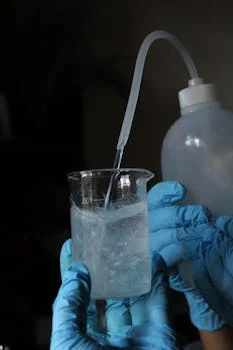
Selecting the optimal wastewater treatment technology for a hospital in Guanajuato requires a detailed evaluation of effluent characteristics, space constraints, budget, and desired discharge or reuse quality. Three primary technologies stand out for their effectiveness in treating complex hospital wastewater: Membrane Bioreactors (MBR), Dissolved Air Flotation (DAF), and Chlorine Dioxide (ClO₂) disinfection. Each offers distinct advantages for specific applications.
Membrane Bioreactor (MBR) Systems
MBR systems integrate biological treatment with membrane filtration, typically utilizing submerged PVDF (Polyvinylidene Fluoride) membranes with a pore size of 0.1 μm. This advanced process delivers exceptional effluent quality, consistently achieving BOD₅ levels below 5 mg/L and fecal coliform counts below 10 MPN/100mL, making it ideal for direct discharge into sensitive receiving waters or for reuse applications. MBR technology offers a significant advantage in terms of footprint, requiring approximately 60% less space than conventional activated sludge systems due to higher biomass concentrations and the elimination of secondary clarifiers. Energy consumption for MBR systems, such as HydropureWater’s DF Series, typically ranges from 0.8–1.2 kWh/m³, mainly for aeration and membrane scouring. Our MBR systems for hospital wastewater treatment in Guanajuato utilize modules ranging from 80–225 m² and capacities from 32–135 m³/day.
Dissolved Air Flotation (DAF) Systems
DAF systems are highly effective for removing suspended solids, fats, oils, and grease (FOG) from wastewater. The technology works by introducing microscopic air bubbles (25–50 μm) into the wastewater, which attach to particulate matter, causing it to float to the surface for skimming. DAF can achieve over 95% TSS removal and more than 90% FOG removal, making it a crucial pre-treatment step for hospital effluent with high solid loads or as a primary treatment for certain industrial medical streams. Chemical dosing with coagulants and flocculants is often required to enhance separation efficiency. HydropureWater’s DAF systems for high-TSS hospital wastewater in Guanajuato are available in 13 models with capacities ranging from 4–300 m³/h.
Chlorine Dioxide (ClO₂) Disinfection
Chlorine dioxide (ClO₂) is a powerful disinfectant widely used in hospital wastewater treatment due to its superior efficacy against bacteria, viruses, and protozoa, achieving a 99.9% kill rate. Unlike chlorine gas or hypochlorite, ClO₂ does not react with organic matter to form harmful disinfection byproducts such as trihalomethanes (THMs) or chloramines, which can be toxic. ClO₂ can be generated on-site using either chemical precursor methods or electrolytic processes, ensuring a fresh supply and minimizing transport risks. Residual control is easier with ClO₂ compared to chlorine, as it degrades more readily. HydropureWater’s Chlorine dioxide disinfection for small hospitals in Guanajuato, the ClO₂ generator, offers 8 configurations with generation capacities from 50–20,000 g/h.
Use-Case Matching Decision Matrix
The choice among these technologies depends on specific hospital needs:
| Feature | MBR (Membrane Bioreactor) | DAF (Dissolved Air Flotation) | Chlorine Dioxide (ClO₂) |
|---|---|---|---|
| Primary Function | Biological treatment & Filtration | Solids & FOG Removal | Disinfection |
| Effluent Quality | Excellent (BOD <5, TSS <1, Coliforms <10) | Good (TSS >95% removal, FOG >90% removal) | Excellent (99.9% pathogen kill) |
| Footprint | Small (60% less than conventional) | Moderate | Very Small (Generator only) |
| Energy Use | Moderate (0.8–1.2 kWh/m³) | Low to Moderate (for pumps, compressors) | Low (for generator) |
| Chemicals Required | Minimal (for cleaning) | Coagulants, Flocculants | Precursors (for generation) |
| Ideal Use Case | Space-constrained urban hospitals, high reuse potential, stringent discharge limits | Pre-treatment for high-FOG/TSS effluent, specific industrial medical streams | Final disinfection step, small clinics, remote facilities, preventing THM formation |
| HydropureWater Series | DF Series | DAF line | ClO₂ generator |
Cost Breakdown: Hospital Wastewater Treatment Systems in Guanajuato (2025)
Understanding the total cost of ownership for hospital wastewater treatment systems in Guanajuato involves analyzing both upfront capital expenditures (CAPEX) and ongoing operational expenses (OPEX), which can vary significantly by technology and system capacity. For a typical 10–50 m³/day hospital wastewater treatment system, the total CAPEX generally ranges from MX$1.2–3.5 million, with variations based on the chosen technology and specific site requirements.
Capital Expenditures (CAPEX)
The CAPEX for different technologies designed for hospital wastewater treatment in Guanajuato varies:
- MBR Systems: Due to their advanced membrane technology and compact design, MBR systems typically have a CAPEX range of MX$2.5–5 million for a 10–50 m³/day system. Key components contributing to this cost include the membrane modules (e.g., PVDF membranes), aeration blowers, recirculation pumps, control panels, and the bioreactor tankage.
- DAF Systems: Dissolved Air Flotation systems, often used for pre-treatment or primary treatment, have a CAPEX of MX$1–2.5 million. This includes the DAF unit itself, air compressors, chemical dosing pumps, and sludge handling equipment.
- Chlorine Dioxide Generators: For disinfection, on-site chlorine dioxide generation systems have a lower CAPEX, ranging from MX$0.5–1.5 million. This covers the generator unit, chemical storage tanks, and dosing pumps.
Operational Expenditures (OPEX)
OPEX represents the recurring costs of running the treatment system, typically calculated per cubic meter of treated water:
- Energy: Power consumption is a significant OPEX component, ranging from MX$0.8–2.5/m³ depending on the technology. MBR systems, with their aeration and pumping requirements, tend to be on the higher end, while DAF and ClO₂ systems have lower energy demands per m³.
- Chemicals: Chemical costs for pH adjustment, coagulation/flocculation (for DAF), and disinfection (for ClO₂ generation) typically run from MX$0.3–1.2/m³.
- Maintenance & Parts: Membrane replacement for MBR systems is a notable expense, averaging MX$50,000–200,000 per year, depending on membrane lifespan and system size. Other maintenance includes pump repairs, sensor calibration, and general wear-and-tear.
- Labor: Systems larger than 30 m³/day often require 1–2 full-time equivalent (FTE) operators for daily monitoring, maintenance, and reporting.
Combining these, the total OPEX for treating 1 m³ of hospital wastewater in Guanajuato typically falls within MX$8–25/m³.
Financing Options
Hospitals can explore several financing avenues for wastewater treatment investments:
- Government Grants: CONAGUA's PROAGUA program (Programa de Agua Potable, Drenaje y Tratamiento) often provides federal funding or subsidies for water infrastructure projects, including wastewater treatment, in Mexican states.
- Green Loans: Financial institutions like BBVA and Santander offer specialized "green loans" or sustainable financing options with favorable terms for projects that demonstrate environmental benefits, such as water conservation and pollution reduction.
- Leasing: Equipment leasing allows hospitals to acquire necessary treatment systems without a large upfront CAPEX, spreading costs over several years with competitive interest rates, often making advanced technologies more accessible.
Return on Investment (ROI) Calculation
Investing in an efficient wastewater treatment system offers significant ROI, particularly through reduced fines and potential water reuse. For example, a 30 m³/day MBR system with a CAPEX of MX$3.2 million could generate annual OPEX savings of approximately MX$1.8 million from water reuse (e.g., for non-potable applications like irrigation or cooling towers, reducing municipal water purchases). This scenario projects a payback period of approximately 2.5 years, not including avoided non-compliance fines, which can be substantial. For a more detailed comparison of medical wastewater treatment technologies, refer to our Best Medical Wastewater Treatment System for Industrial Use guide.
| Cost Category | MBR System (10-50 m³/day) | DAF System (10-50 m³/day) | ClO₂ Generator (50-200 g/h) |
|---|---|---|---|
| CAPEX Range (MX$) | 2,500,000 – 5,000,000 | 1,000,000 – 2,500,000 | 500,000 – 1,500,000 |
| - Membranes/Unit | 60-70% of CAPEX | N/A | N/A |
| - Pumps/Blowers | 10-15% of CAPEX | 15-20% of CAPEX | 5-10% of CAPEX |
| - Control Panels | 5-10% of CAPEX | 5-10% of CAPEX | 5-10% of CAPEX |
| OPEX per m³ (MX$/m³) | 8 – 25 | 6 – 18 | 2 – 8 (disinfection only) |
| - Energy (MX$/m³) | 0.8 – 2.5 | 0.5 – 1.5 | 0.2 – 0.8 |
| - Chemicals (MX$/m³) | 0.3 – 0.6 | 0.5 – 1.2 | 0.3 – 1.0 |
| - Membrane/Parts Replacement | 50,000 – 200,000/year | Minimal | Minimal |
| - Labor (FTEs) | 1-2 (for >30 m³/day) | 0.5-1 (for >30 m³/day) | 0.25-0.5 |
Step-by-Step Implementation: Installing a Hospital Wastewater Treatment System in Guanajuato
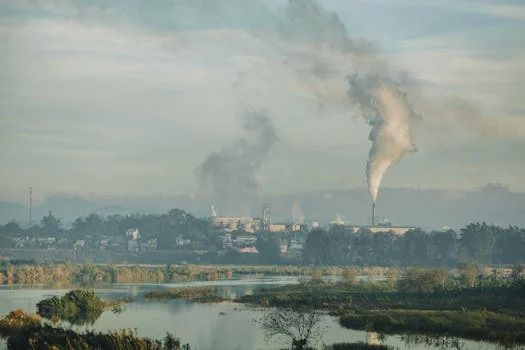
Implementing a new hospital wastewater treatment system in Guanajuato is a multi-stage process that requires meticulous planning, from initial site assessment and vendor selection to final commissioning and ongoing maintenance. A structured approach minimizes delays and ensures compliance with CEAG regulations.
1. Site Assessment and Effluent Characterization
The first critical step involves a detailed site assessment. This includes evaluating available space for the treatment plant, considering both underground and above-ground options, and assessing power supply infrastructure to ensure 3-phase requirements can be met. Crucially, a comprehensive effluent characterization must be performed. This involves a sampling protocol over several days or weeks to accurately determine the average and peak flows, BOD₅, TSS, FOG, pharmaceutical residues, heavy metals, and pathogen concentrations. This data is essential for designing a system that effectively treats the specific wastewater profile of the hospital.
2. Vendor Selection and System Design
Choosing the right supplier is paramount. Criteria for vendor selection should include: CEAG certification for their systems or components, a proven track record with similar medical facilities, robust local service support for maintenance and emergencies, and clear warranty terms. Red flags to watch for include vendors who do not offer pilot testing, provide vague compliance guarantees, or lack transparent pricing. HydropureWater offers compact medical wastewater treatment systems for Guanajuato clinics, designed to meet specific needs. The selected vendor will work with the hospital to design a system tailored to the effluent data, space constraints, and discharge/reuse goals.
3. Permitting and Regulatory Approvals
Once the system design is finalized, obtaining the necessary permits from CEAG is the next major hurdle. This typically involves submitting detailed engineering schematics, an environmental impact assessment (EIA) or a preventive report, and a comprehensive operations plan. The permitting process can take 3 months, but delays are common if documentation is incomplete or if the proposed system requires significant modifications. Proactive engagement with CEAG officials can help streamline this phase.
4. Installation and Construction
The physical installation and construction phase typically spans 4–6 months, depending on the system's complexity and site conditions. This includes civil works (e.g., foundation, tank construction), mechanical installation (e.g., pumps, blowers, membrane modules, DAF units, ClO₂ generators), electrical wiring, and control system integration. Regular site inspections and adherence to safety protocols are critical during this period.
5. Commissioning and Performance Testing
After construction, the system undergoes a 1–2 month commissioning phase. This involves starting up the plant, gradually introducing wastewater, optimizing operational parameters (e.g., aeration rates, chemical dosing), and conducting rigorous performance testing. The system must demonstrate consistent compliance with CEAG discharge limits under various operating conditions. This phase often includes a warranty period during which the vendor ensures the system meets guaranteed performance specifications.
6. Operator Training and Ongoing Maintenance
Effective operation relies on well-trained personnel. Operators must receive comprehensive training, ideally including CEAG-certified courses, on system monitoring, troubleshooting, and routine maintenance. A preventive maintenance schedule is crucial: for MBR systems, this includes weekly membrane integrity tests, monthly chemical cleaning, and annual membrane replacement. DAF systems require quarterly adjustments of skimmer blades and regular cleaning of air diffusers. Establishing a robust maintenance program ensures system longevity and consistent compliance.
Frequently Asked Questions
Hospital administrators and environmental engineers frequently encounter specific questions regarding wastewater treatment in Guanajuato, ranging from compliance challenges to operational costs and reuse possibilities.
What are the biggest compliance risks for hospitals in Guanajuato?
The biggest compliance risks for hospitals in Guanajuato primarily revolve around exceeding discharge limits for fecal coliforms and maintaining appropriate chlorine residuals. CEAG's 2023 enforcement data indicates that approximately 60% of all wastewater violations by medical facilities in the state were related to elevated coliform counts, often stemming from inadequate disinfection or biological treatment. Additionally, improper management of chlorine disinfection can lead to either insufficient pathogen kill or excessive chlorine residuals, both of which are regulated by CEAG.
How much does it cost to treat 1 m³ of hospital wastewater in Guanajuato?
The operational cost to treat 1 m³ of hospital wastewater in Guanajuato typically ranges from MX$8–25/m³. This cost varies significantly based on the chosen treatment technology, system size, and influent characteristics. For instance, an MBR system might have higher energy costs due to aeration and membrane filtration, while a DAF system would incur costs for coagulants and flocculants. Labor, maintenance (including membrane replacement for MBRs), and chemical consumption are the primary contributors to this per-cubic-meter cost.
Can hospitals reuse treated wastewater in Guanajuato?
Yes, hospitals in Guanajuato can reuse treated wastewater for non-potable applications, such as irrigation of green areas, toilet flushing, and cooling tower make-up water. However, this requires additional permits from CEAG and strict compliance with NOM-003-SEMARNAT-1997, which sets the maximum permissible limits of pollutants for treated wastewater that is reused in public services. The treated water must meet specific quality standards to ensure public health and environmental safety for its intended reuse purpose.
What are the maintenance requirements for an MBR system?
MBR systems, such as HydropureWater’s DF Series, require a structured maintenance schedule to ensure optimal performance and longevity. This typically includes weekly membrane integrity tests to detect any leaks, monthly chemical cleaning cycles (e.g., using sodium hypochlorite or citric acid) to remove fouling and restore flux, and annual membrane replacement (though membrane lifespan can extend to 5–10 years with proper operation and cleaning). Regular calibration of sensors and inspection of pumps and blowers are also crucial preventive measures.
How long does it take to get a CEAG discharge permit?
Obtaining a CEAG discharge permit for a hospital wastewater treatment system typically takes 90–120 days, assuming all required documentation is complete and accurate. Common delays often arise from missing or incomplete environmental impact assessments (EIAs), incorrect system schematics, or insufficient details in the proposed operations plan. Proactive engagement with CEAG and meticulous preparation of all application materials can help minimize these delays.
Further Reading
Explore these in-depth articles on related wastewater treatment topics: