Why Nuevo León Needs Package Wastewater Treatment Plants in 2025
Package wastewater treatment plants (WWTPs) in Nuevo León, Mexico, are compact, prefabricated systems designed to meet NOM-003 effluent standards (BOD5 < 30 mg/l, TSS < 30 mg/l) while addressing water scarcity and industrial growth. In 2025, these plants serve sectors like automotive (e.g., Kia’s Monterrey plant), food processing, and municipal developments, with capacities ranging from 1–80 m³/h. Key advantages include 90%+ removal efficiencies, 60% smaller footprints than conventional systems, and compliance with SEMARNAT and local Nuevo León regulations. This guide provides technical specs, cost benchmarks (CAPEX: $50,000–$500,000 USD), and a supplier checklist for Nuevo León’s market.
Water scarcity has reached a critical threshold in Northern Mexico, with CONAGUA reporting in 2024 that 80% of Nuevo León remains in a state of "extreme scarcity." The industrial sector in Monterrey alone consumes approximately 120 million m³ of water annually, placing immense pressure on the city’s aging hydraulic infrastructure. For facility managers, the risk is no longer just regulatory; it is operational. Water rationing and rising tariffs make decentralized treatment and reuse a necessity.
Regulatory enforcement is tightening as SEMARNAT initiates its 2025 crackdown on industrial non-compliance. Standards such as NOM-003 (domestic effluent for reuse) and NOM-002 (industrial discharge to sewers) strictly mandate BOD5 and TSS levels below 30 mg/l. For the 300+ "maquiladoras" and large-scale facilities like FEMSA’s bottling plants, failing to meet these benchmarks results in fines exceeding $250,000 USD or total plant shutdowns. Compact package plants allow these industries to bypass the limitations of municipal grids by treating water on-site for secondary uses like cooling towers and irrigation.
The climate of Nuevo León presents a unique engineering challenge. With summer temperatures frequently hitting 45°C, conventional open-air lagoons suffer from excessive evaporation and odor issues. Compact, enclosed package systems mitigate these losses while maintaining stable biological activity. The transition toward modular wastewater infrastructure is the primary strategy for Nuevo León’s industrial parks to ensure business continuity amidst the state’s permanent water stress.
Package WWTP Technologies for Nuevo León: MBR vs MBBR vs A/O vs DAF
The choice of biological or physical treatment technology depends on the influent profile and the intended end-use of the treated water.Membrane Bioreactor (MBR) technology is the gold standard for water reuse. It achieves a BOD5 < 5 mg/l and TSS < 1 mg/l, effectively producing "near-potable" water for industrial processes. While MBR is energy-intensive (0.8–1.2 kWh/m³), its footprint is 60% smaller than conventional activated sludge systems. This makes it the preferred choice for high-density areas like San Pedro Garza García.
Moving Bed Bioreactor (MBBR) systems offer greater flexibility for food processing plants dealing with high organic loads. MBBR handles shock loads (BOD5 50–500 mg/l) without the risk of sludge bulking. It requires less energy (0.4–0.6 kWh/m³) but typically needs tertiary filtration to meet reuse standards.
Dissolved Air Flotation (DAF) is essential as a pre-treatment step for industries with high Fats, Oils, and Grease (FOG), such as slaughterhouses and dairy processors. A DAF pre-treatment for Nuevo León’s food processing and slaughterhouse wastewater can remove over 95% of TSS and 80% of FOG before the water enters a biological stage.
| Technology | BOD5 Removal | Footprint | Energy Use | Best Application in NL |
|---|---|---|---|---|
| MBR | >98% (<5 mg/l) | Very Small | 0.8–1.2 kWh/m³ | Automotive Reuse, Cooling Towers |
| MBBR | >90% (<20 mg/l) | Medium | 0.4–0.6 kWh/m³ | Food Processing, Municipal |
| A/O | >85% (<30 mg/l) | Large | 0.2–0.4 kWh/m³ | Residential Developments |
| DAF | N/A (FOG Focus) | Small | 0.3–0.5 kWh/m³ | Slaughterhouses, Pre-treatment |
Technical Specs for Package WWTPs in Nuevo León: Flow Rates, Footprint, and Effluent Quality
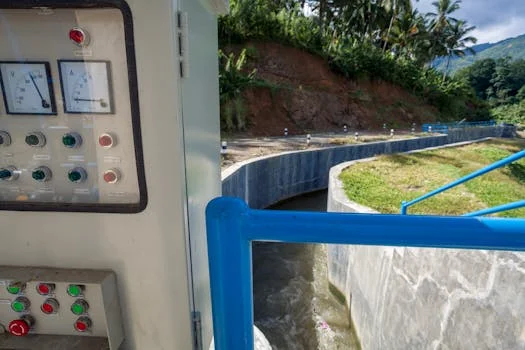
Standard package plants are designed for flow rates of 1–80 m³/h, though modular configurations can scale to 200 m³/h for major automotive assembly lines. For urban or space-constrained industrial sites, an underground package sewage treatment plant for Nuevo León’s industrial parks provides a footprint of 0.5–2 m² per m³/d capacity.
Effluent quality is dictated by NOM-003, which requires fecal coliforms < 1,000 MPN/100 ml and TSS < 30 mg/l. Achieving these levels requires high-performance components, such as a specialized MBR membrane bioreactor module.
Energy and sludge management are the two largest operational variables. In Nuevo León, where landfill fees range from $50–$80 USD per ton, minimizing sludge production is a financial priority.
| Parameter | Domestic (NOM-003) | Industrial Reuse Target | Package Plant Capability |
|---|---|---|---|
| BOD5 (mg/l) | <30 | <10 | <5 (MBR) |
| TSS (mg/l) | <30 | <5 | <1 (MBR) |
| Fecal Coliforms | <1,000 MPN | <100 MPN | <10 MPN |
| FOG (mg/l) | <15 | <5 | <2 (with DAF) |
Cost Breakdown for Package WWTPs in Nuevo León: CAPEX, OPEX, and ROI Calculator
Budgeting for a package WWTP in Nuevo León involves evaluating the Total Cost of Ownership (TCO), which includes initial capital expenditure, operational costs, and the rising price of water. For a standard 1–80 m³/h system, CAPEX ranges from $50,000 to $500,000 USD.
OPEX in Nuevo León typically falls between $0.10 and $0.50 USD per m³ of treated water. This includes energy consumption, chemical dosing, and labor. The ROI for a reuse-capable plant is exceptionally high.
Facility owners must also account for "hidden" costs. Sludge disposal at Nuevo León landfills and the periodic replacement of membranes can add $10,000–$30,000 to long-term budgets.
| Cost Component | Estimated Range (USD) | Notes for Nuevo León Market |
|---|---|---|
| CAPEX (Total) | $50,000 – $500,000 | Depends on MBR vs MBBR technology |
| OPEX (per m³) | $0.10 – $0.50 | Includes energy, chemicals, and labor |
| SEMARNAT Permits | $5,000 – $20,000 | Includes EIA filings for >50 m³/h |
| Sludge Disposal | $50 – $80 / ton | Local landfill rates in Nuevo León |
| ROI Period | 3 – 7 Years | Faster for industrial reuse applications |
Nuevo León Compliance Checklist: NOM-003, SEMARNAT, and Local Regulations

- NOM-003 Compliance: Mandatory for any water intended for public contact or reuse. Requires quarterly laboratory testing for BOD5, TSS, and pathogens.
- NOM-002 Compliance: Governs discharge into municipal sewers. Industrial sectors like automotive must monitor COD (<200 mg/l) and FOG (<15 mg/l) specifically.
- SEMARNAT Environmental Impact Assessment (EIA): Required for any system processing more than 50 m³/h.
- Monitoring Systems: Online sensors for pH, turbidity, and flow are now mandatory for systems over 20 m³/h.
- Municipal Discharge Permits: SADM in Monterrey requires annual permits for sewer connection.
Understanding underground vs above-ground WWTPs for Nuevo León’s urban and industrial sites is critical for meeting both zoning laws and SEMARNAT footprint restrictions.
Supplier Selection Checklist for Package WWTPs in Nuevo León
Procuring a package WWTP from a supplier with local expertise is vital for minimizing lead times and ensuring the system survives the local environment. Suppliers with a presence in Monterrey can reduce delivery times.
| Criteria | Requirement | Why it Matters in Nuevo León |
|---|---|---|
| Local Support | Monterrey-based technicians | Reduces downtime during power outages/failures |
| Climate Resilience | High-temp rated blowers/pumps | Systems must operate at 45°C ambient temp |
| Permit Assistance | NOM-003/EIA Documentation | Ensures legal compliance with SEMARNAT |
| Material Quality | Corrosion-resistant coatings | High humidity and industrial fumes in parks |
| Monitoring | 24/7 Remote Telemetry | Allows for proactive maintenance and reporting |
Frequently Asked Questions
What is the difference between a package WWTP and a conventional plant?
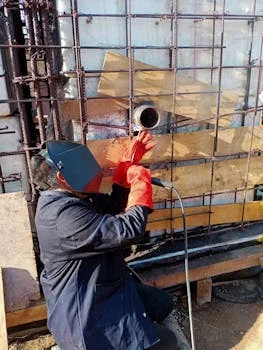
Package plants are prefabricated, modular systems with 60% smaller footprints and 30% lower CAPEX