Why Cebu Is Adopting Containerized MBR in 2026
DOST Central Visayas completed a membrane bioreactor demonstration project in Lapu-Lapu City, Cebu, on October 14, 2026, validating MBR for local hotels, resorts, and similar facilities (Daily Tribune, Oct 13 2026). The project brought together South Korea's HifilM, Vic Metal Fabrication and Environmental Services, the Korea Environmental Professional Engineers Association (KEPEA), and DOST Central Visayas; this is the same group a Cebu developer can approach for technology transfer and operating capability (Daily Tribune, Oct 13 2026).
Because the demonstration explicitly targets wastewater from hotels, resorts, and similar facilities, a residential subdivision or worker-camp application fits within the validated use-case envelope (Daily Tribune, Oct 13 2026). Treated water from the demonstration is also being assessed for irrigation reuse, which lets a developer frame a containerized MBR as a freshwater-saving asset for Cebu's coastal catchments rather than just a compliance cost (Daily Tribune, Oct 13 2026). For a project engineer, this local validation provides the primary justification to anchor a 2026 sizing exercise on containerized MBR rather than conventional activated sludge: the regulatory conversation with the Cebu LGU or DENR reviewer is shorter when the technology is already named in a DOST demonstration.
Inputs You Must Collect Before Sizing a Cebu Residential or Camp MBR
A defensible sizing calculation starts with a procurement-ready input list rather than a rough population guess. The first item is the design population: count residential units and multiply by planned occupancy, or count camp beds and apply an occupancy factor, then add headcount from kitchens, laundries, and worker support facilities. The second item is a per-capita wastewater allowance in litres per person per day; confirm this value with the supplier against Philippine reference data. The third item is the peak hourly factor, which captures how morning and evening flows in a tropical residential or camp setting concentrate into short windows and governs equalization volume and pump sizing; verify the design factor with the supplier, as published values for tropical residential patterns vary. The fourth item is influent quality, typically domestic BOD, COD, and TSS, requested as measured values from the site where possible or as conservative assumed ranges for greenfield projects. The fifth item is the effluent target, which must be stated against the applicable DENR discharge parameters and, if the developer wants to recover value through reuse, against the additional pathogen and nutrient criteria for irrigation. Pulling these five inputs together before the supplier meeting turns the sizing conversation from a request for a catalogue price into a technical comparison of equal bids. This workflow is used in sizing a containerized MBR STP in Lahore, where the population-to-flow chain is the entry point regardless of geography.
Step-by-Step Sizing Calculation for a Containerized MBR
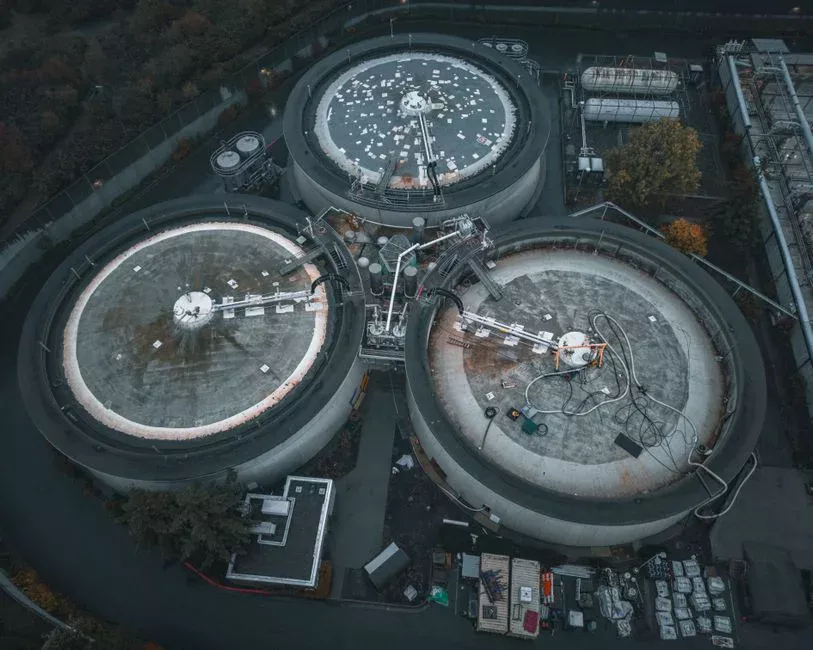
The sizing process is a six-step chain that a project engineer can complete on a single spreadsheet page.
- Average daily flow. Multiply the design population by the per-capita wastewater allowance (L/person/day) and divide by 1,000 to convert litres to cubic metres. The result, in m³/day, is the design average flow that the MBR must treat over a 24-hour cycle.
- Peak flow. Multiply the average flow by the peak hourly factor to obtain the peak flow the equalization tank and feed pumps must handle. Sizing downstream equipment to average flow is one of the most common causes of hydraulic upset in residential and camp STPs.
- Organic load check. Convert the influent BOD into a kilogram-per-day load using the average flow; this load drives the aeration tank volume and the membrane flux requirement. COD and TSS must also sit inside the MBR design envelope, which the CebuSTP 2026 technology update lists as a standard design driver alongside flow, nutrients, space, reuse, energy, O&M, and lifecycle cost.
- Membrane sizing. Match the required net permeate flux against the membrane area that can physically fit inside the chosen container envelope. A useful benchmark is that one 40-ft ISO container envelope can deliver more than 1,200 m³/day in compact MBR designs (MENA-Water), which sets a hard upper bound for any single-container proposal.
- Aeration and scour. Confirm continuous bubble-diffuser aeration across the membrane tank. This is the three-in-one process Singapore's PUB describes, where biological treatment, secondary separation, and microfiltration or ultrafiltration are combined in one stage (CebuSTP, 2026).
- Disinfection and reuse polish. Size the post-MBR disinfection step so the 99.9999% virus and bacteria reduction of the UF membrane (MENA-Water) is not lost in the distribution pipework downstream. For irrigation reuse, this means maintaining turbidity low enough that UV or chlorination remains effective.
Containerized MBR Sizing Parameters at a Glance
The container envelope is the primary constraint in containerized MBR procurement. Reference designs from MENA-Water show that compact package MBR plants can filter more than 1,200 m³/day inside a single 40-ft ISO container, with stainless-steel internal tanks and factory-tested Plug & Play delivery (MENA-Water). The same supplier offers an I-Version (fully integrated above ground) and a U-Version (aeration and buffering in underground tanks); the choice changes site layout but not the container envelope itself (MENA-Water). For tropical residential and camp sites where remote operation is common, the operating burden is low: MBR UF membranes need only one or two maintenance cleanings per year, and continuous bubble-diffuser aeration keeps the membrane surface clear of fouling between those cleanings (MENA-Water). Where grey-water from showers and wash basins is recycled, the same source notes up to 40% freshwater savings when MBR effluent is reused for non-potable applications (MENA-Water).
| Parameter | Reference value | Source |
|---|---|---|
| Flow per 40-ft ISO container | More than 1,200 m³/day | MENA-Water |
| UF virus and bacteria reduction | 99.9999% | MENA-Water |
| Membrane maintenance cleanings | 1–2 per year | MENA-Water |
| Grey-water reuse freshwater saving | Up to 40% | MENA-Water |
| Layout options | I-Version (integrated) / U-Version (underground buffering) | MENA-Water |
Matching Your Sizing Output to a Containerized MBR Configuration
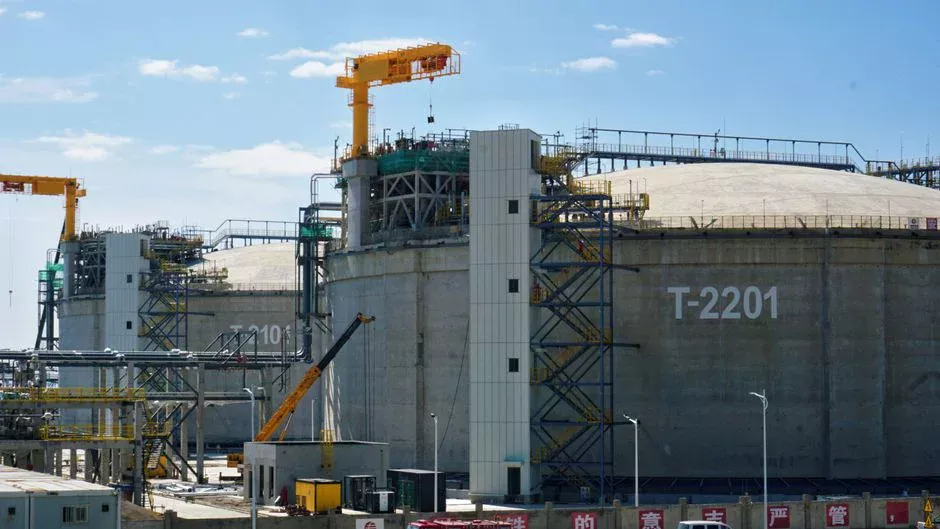
After the calculation produces a number in m³/day, map that number to a specific configuration envelope. For a single residential block, a small resort, or a worker camp producing flows in the tens to low hundreds of m³/day, the HydropureWater MBR Membrane Bioreactor Wastewater Treatment System range of 10–2,000 m³/day covers the typical Cebu project size without forcing the developer into a multi-container layout. If the project requires modular building blocks inside the container — for example, to phase capacity as a subdivision sells out — the DF Series flat-sheet MBR modules cover 80–225 m² of membrane area per module, producing 32–135 m³/day per module with a 0.1 μm PVDF membrane and an integrated aeration box for continuous scouring. Both product lines share a 60% smaller footprint than conventional activated sludge and deliver sub-1 μm filtration, which is the basis for near-reuse-quality effluent and the freshwater-saving value the DOST demonstration in Lapu-Lapu City supports (Daily Tribune, Oct 13 2026). This envelope logic appears in sizing a containerized MBR STP in Lima, where the container boundary is the same physical constraint regardless of climate.
| Configuration | Capacity envelope | Key feature |
|---|---|---|
| MBR Membrane Bioreactor Wastewater Treatment System | 10–2,000 m³/day | Integrated, 60% smaller footprint than conventional activated sludge |
| DF Series flat-sheet MBR module | 32–135 m³/day per module (80–225 m² area) | 0.1 μm PVDF membrane, integrated aeration box for continuous scouring |
Pre-Order Checklist for a Cebu Containerized MBR Project
Convert the sizing math into a procurement-ready specification by forwarding the following items to every shortlisted supplier so quotations can be compared on the same basis:
- Design population, per-capita flow, and peak factor. State the numbers, do not leave them to the supplier to assume.
- Influent BOD, COD, and TSS. Use measured values where the site is existing, or conservative assumed values for greenfield projects, and request a lab analysis if the site is operating today.
- Effluent target. Reference the applicable DENR DAO discharge parameters and, if reuse is part of the business case, the irrigation-reuse limits (CebuSTP, 2026).
- Container envelope and site access. Specify the number of 40-ft ISO units, confirm truck and crane access for delivery, and require Plug & Play factory acceptance testing before shipment (MENA-Water).
- O&M plan. Define the operator skill level, the membrane cleaning cadence (1–2 maintenance cleanings per year per MENA-Water), and the downstream sludge handling arrangement.
Frequently Asked Questions
What is the sizing rule of thumb for a residential or camp MBR in Cebu?
Start with the design population, multiply by the per-capita wastewater allowance to get an average daily flow in m³/day, then apply the peak hourly factor to size equalization and feed pumps. Convert the average flow plus influent BOD into the membrane area required, and check that the resulting layout fits inside the chosen number of 40-ft ISO containers, using the 1,200 m³/day per 40-ft envelope as the upper bound for a single container (MENA-Water).
What does a containerized MBR cost in Cebu?
CAPEX scales with the design flow in m³/day and the number of ISO containers required to house the MBR, while OPEX scales with aeration energy and the membrane maintenance cadence, which MENA-Water places at one to two cleanings per year. Request an itemized quotation from each shortlisted supplier that breaks out container count, membrane area, blower and pump power, and the annual maintenance cleaning scope, then compare bids on the same line items.
How do I choose a containerized MBR supplier for a Cebu project?
Prioritize suppliers with local validation evidence: the DOST Central Visayas demonstration completed in October 2026 in Lapu-Lapu City is a strong signal (Daily Tribune, Oct 13 2026), and a supplier that can point to reference containerized designs in the 1,200 m³/day per 40-ft class has demonstrated that the envelope constraint is practical (MENA-Water). Ask for a Plug & Play factory acceptance test report and a list of Philippine or tropical-climate installations before signing.
What effluent quality can I expect, and does it meet Cebu reuse rules?
UF membranes in an MBR deliver 99.9999% virus and bacteria reduction (MENA-Water), and Singapore's PUB describes MBR as a three-in-one process combining biological treatment, secondary separation, and microfiltration or ultrafiltration (CebuSTP, 2026). For irrigation reuse in Cebu, confirm the post-MBR disinfection step is sized to protect that reduction through the distribution network and that the project meets the applicable DENR DAO parameters plus any irrigation-specific pathogen and nutrient criteria (Daily Tribune, Oct 13 2026). The factory-tested Plug & Play delivery model ensures the unit arrives with that performance already demonstrated, reducing on-site commissioning risk for remote Cebu sites (MENA-Water).