Industrial wastewater treatment in Mongolia is critical due to severe water scarcity, with 30% of the population lacking safe drinking water and 500 factories discharging 44,000 cubic meters daily. Effective solutions involve advanced technologies like MBR and DAF systems, tailored to address specific industrial pollutants and the unique challenges of Mongolia’s climate and developing regulatory framework.
Mongolia's Urgent Water Crisis and Industrial Impact
Mongolia faces severe water scarcity, with 30% of its population lacking access to safe drinking water, and only 56% of its water cleansing facilities are operational, according to UNICEF data. This critical situation is exacerbated by a rapid population increase of 70% over the past two decades, leading to significantly higher water usage and intensifying pressure on existing groundwater reserves. The industrial sector contributes substantially to this challenge, with approximately 500 factories collectively discharging 44,000 cubic meters of wastewater daily. This volume underscores the urgent need for robust industrial wastewater treatment in Mongolia to protect precious water resources and ensure sustainable development.
Mongolia has initiated several water recycling and treatment projects in response to these pressing concerns. The Amgalan Water Recycling Scheme is designed to recycle around 138,000 cubic meters of wastewater, demonstrating a commitment to innovative solutions. Private sector entities like MCS Coca-Cola have implemented systems to treat more than 500 cubic meters of industrial wastewater daily from their bottling operations, showcasing practical efforts to reduce their water footprint and promote sustainable water practices sustainable water practices. These initiatives highlight a growing national effort to address the Mongolia water crisis through both large-scale infrastructure and corporate responsibility.
Industrial Wastewater Sources & Pollutants in Mongolia
Mongolia's industrial facilities generate diverse wastewater streams characterized by specific pollutants depending on their sector, necessitating tailored treatment approaches. The primary industrial sectors contributing to wastewater discharge include mining, food processing, textile manufacturing, general manufacturing, and energy production.
Mining operations, particularly for copper and coal, produce effluent rich in high suspended solids (TSS), heavy metals (such as lead, arsenic, and cadmium), and often have varying pH levels. This mining wastewater typically requires robust physical-chemical processes to remove particulate matter and dissolved metals. The food processing sector, encompassing meat, dairy, and beverage production, discharges wastewater with a high organic load (BOD and COD), fats, oils, and grease (FOG), and suspended solids. Effective treatment for food processing wastewater often involves biological processes to reduce organic content. Textile manufacturing wastewater is characterized by high color, pH fluctuations, and the presence of dyes, chemicals, and heavy metals. General manufacturing and energy production (e.g., power plants) contribute pollutants such as oils, greases, heat, heavy metals, and various chemicals, requiring specialized separation and purification technologies.
The varied pollutant types and concentrations across these industries necessitate a comprehensive understanding of each facility's discharge profile to design and implement effective wastewater treatment systems. Without precise characterization, treatment efforts risk inefficiency or non-compliance with effluent standards.
| Industrial Sector | Typical Wastewater Pollutants | Primary Treatment Challenges |
|---|---|---|
| Mining (Copper, Coal) | High TSS, heavy metals (Pb, As, Cd), variable pH, sulfates | Particulate removal, heavy metal precipitation, pH adjustment |
| Food Processing (Meat, Dairy, Beverage) | High BOD/COD, FOG, suspended solids, nutrients | Organic load reduction, FOG separation, pathogen control |
| Textile Manufacturing | High color, dyes, chemicals, heavy metals, high pH | Color removal, chemical oxidation, heavy metal complexation |
| General Manufacturing | Oils, greases, solvents, specific chemicals, TSS | Oil/water separation, chemical degradation, solids removal |
| Energy Production | Thermal pollution, heavy metals, suspended solids, scale inhibitors | Temperature reduction, heavy metal removal, solids filtration |
Navigating the Challenges of Wastewater Treatment in Mongolia
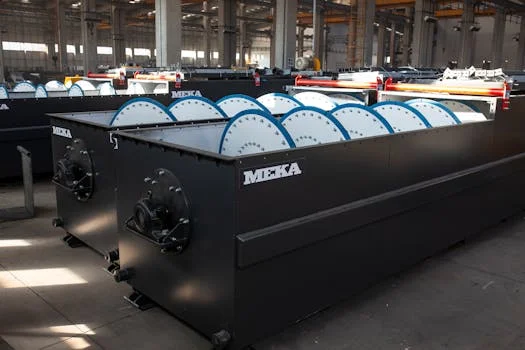
Implementing industrial wastewater treatment in Mongolia presents unique operational and environmental challenges. The country's extreme continental climate impacts biological treatment processes, slowing microbial activity and reducing efficiency. Facilities must integrate insulation, heating systems, or select technologies that perform effectively in cold climate wastewater treatment conditions to maintain operational stability.
Logistical challenges are prevalent, especially for facilities located in remote areas. Limited infrastructure complicates the transportation of equipment, chemicals, and spare parts. This necessitates careful planning for supply chain management and often requires self-sufficient, modular treatment systems. Energy availability and cost are substantial considerations for operating treatment plants. Reliable power sources are crucial, and optimizing energy consumption is vital for economic viability.
The evolving regulatory landscape also contributes to complexity. Businesses must be prepared for a dynamic regulatory environment, requiring flexible solutions that can adapt to changing Mongolian environmental regulations and discharge standards.
Advanced Technologies for Industrial Wastewater Treatment in Mongolia
Effective industrial wastewater treatment in Mongolia necessitates the deployment of advanced technologies capable of addressing diverse pollutants under challenging environmental conditions. HydropureWater offers specialized systems engineered for high performance and reliability.
Dissolved Air Flotation (DAF) Systems are highly effective for removing suspended solids, fats, oils, grease (FOG), and colloidal matter from industrial wastewater. These high-efficiency DAF systems are particularly crucial for food processing industries and as a pre-treatment step for mining wastewater. Our DAF systems are designed with capacities ranging from 4 to 300 m³/h.
MBR Membrane Bioreactor Systems represent a cornerstone for achieving near-reuse quality effluent. These compact MBR membrane bioreactor systems combine biological treatment with membrane filtration. MBR technology is ideal for industrial facilities requiring high-quality discharge or seeking wastewater reuse, especially where land is scarce or stringent effluent standards apply. Our integrated MBR systems are available with capacities from 10 to 2,000 m³/day.
Plate and Frame Filter Presses play a vital role in efficient sludge dewatering. By significantly reducing the volume of sludge, efficient plate and frame filter presses minimize disposal costs and logistical burdens. These systems feature filtration areas from 1 m² to 500 m².
Integrated Water Purification Systems (JY Series) are designed to treat raw surface water, making it suitable for industrial process use or even potable supply. These integrated water purification systems can effectively handle raw water turbidity up to 3,000 mg/L. JY series systems offer capacities from 10 to 200 m³/h.
| Technology | Primary Application | Key Benefits for Mongolia | Typical Capacity/Parameters |
|---|---|---|---|
| DAF Systems | Pre-treatment, FOG/TSS removal | High efficiency for solids/oil, reduces downstream load | 4–300 m³/h, micro-bubble technology |
| MBR Systems | High-quality effluent, wastewater reuse | Near-reuse quality, 60% smaller footprint | 10 to 2,000 m³/day |
| Plate & Frame Filter Presses | Sludge dewatering | Reduces sludge volume/disposal costs | 1 m² to 500 m² filtration area |
| Integrated Water Purification (JY Series) | Raw water treatment for industrial use/potable supply | Transforms high turbidity water into clean process water | 10 to 200 m³/h, treats turbidity up to 3,000 mg/L to <3 mg/L |
Achieving Water Recycling and Resource Recovery in Mongolian Industries
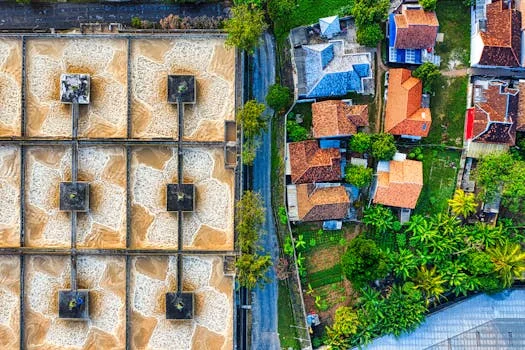
Implementing wastewater recycling and resource recovery strategies offers significant economic and environmental benefits for industrial facilities in water-stressed regions like Mongolia. Water reuse reduces reliance on dwindling fresh water sources, lowers water acquisition costs, and minimizes discharge volumes.
Treated industrial wastewater can be effectively repurposed for various non-potable uses within a facility. Common applications include irrigation for landscaping or agriculture, makeup water for cooling towers, process washdowns, or even as process makeup water in certain industrial operations.
Beyond water, opportunities for resource recovery exist, transforming waste streams into valuable assets. For example, anaerobic digestion of organic-rich wastewater from sectors like food processing can generate biogas, a renewable energy source.
Ensuring Compliance with Mongolian Environmental Regulations
Adhering to Mongolia's environmental regulations is a critical aspect of sustainable industrial operation. Businesses must thoroughly understand the current and evolving Mongolian environmental laws and specific discharge limits applicable to their industrial effluent.
Navigating the permitting process for industrial wastewater discharge involves engaging directly with local environmental authorities. This typically entails submitting detailed treatment plans, effluent quality projections, and environmental impact assessments.
A proactive approach to compliance helps facilities avoid penalties, maintain a positive public image, and ensure long-term operational continuity.
Partnering for Tailored Industrial Wastewater Solutions in Mongolia

Selecting the right partner for industrial wastewater treatment in Mongolia is paramount. A reliable partner will conduct a thorough wastewater analysis and site assessment to design a solution precisely matched to the facility's needs and local climate challenges.
When evaluating potential partners, industrial facility managers should prioritize companies with demonstrated experience in similar climates and industries. Technical expertise in a range of advanced treatment technologies is essential.
A partner that offers robust post-installation support ensures long-term operational reliability and helps facilities adapt to evolving Mongolian environmental regulations.
Frequently Asked Questions
What are the main challenges for industrial wastewater treatment in Mongolia?
The primary challenges include extreme cold temperatures impacting biological processes, logistical difficulties in remote areas, high energy costs, and navigating an evolving regulatory landscape.
What technologies are best suited for industrial wastewater recycling in Mongolia?
Advanced technologies like MBR systems are highly effective for producing near-reuse quality effluent. For pre-treatment and specific pollutant removal, DAF systems and efficient plate and frame filter presses for sludge dewatering are also crucial.
Are there specific regulations for industrial wastewater discharge in Mongolia?
Yes, Mongolia has environmental laws and discharge limits for industrial wastewater, which cover parameters such as BOD, COD, TSS, heavy metals, and pH.
How can industrial facilities in Mongolia reduce their water footprint?
Facilities can reduce their water footprint by implementing advanced wastewater treatment for reuse in non-potable applications, optimizing production processes to minimize water consumption, and exploring resource recovery opportunities.