
Why a Rio Tinto German Acquisition Triggers a Water-Compliance Cascade
A Rio Tinto acquisition in Germany in 2026 triggers a denser wastewater-compliance stack than any other major mining jurisdiction, because Germany treats water as a permit-bearing public resource rather than a riparian right, and because Rio Tinto's documented water-risk profile forces lenders and regulators to apply heightened scrutiny to any EU transaction. Rio Tinto has carried a CDP water-disclosure grade of "F" since 2016 for non-disclosure to CDP, an issue that surfaced publicly when the Local Authority Pension Fund Forum (LAPFF), representing more than GBP 350 billion in UK pension assets, prepared a deferred investor resolution on independent water impact assessments at Oyu Tolgoi and QIT Madagascar Minerals (Reuters, 2024-02-12). Separately, the Oyu Tolgoi tailings seepage has been a declared environmental incident under the project's lender group since November 2023, requiring a remedial action plan monitored by the European Bank for Reconstruction and Development (Reuters, 2024-02-12). German commercial banks and Euler Hermes-style ECAs now replicate the same E&S framework in syndication terms, which means a German target inherits the Oyu Tolgoi template on day one of due diligence.
The policy backdrop is the post-2021 push by the Federal Environment Ministry (BMUV) to tighten enforcement of the EU Industrial Emissions Directive and the Federal Water Act (WHG) after the 2021 western floods and recurring 2018+ drought events, conditions Sweco's leadership cited explicitly when expanding its German water practice (Sweco press release, 2025). For an M&A advisor or compliance lead, the practical consequence is that a single German deal generates more binding water paperwork than a comparable Mongolian or Madagascan transaction, because the WHG, AbwV, AbwAG, BImSchG, KrWG, IED 2010/75/EU, EU Environmental Liability Directive 2004/35/EC, and EBRD Performance Requirements 1-10 each attach independently and are not substitutable.
The Seven Overlapping German and EU Statutes That Apply
Any direct or indirect acquisition of a German industrial site by Rio Tinto in 2026 activates seven interlocking permit and lender obligations, each with its own competent authority, trigger event, and lead time. The deal team must map all seven before signing, because none of them is a subset of another and each can independently block closing or trigger post-closing liability.
| Statute / Instrument | Trigger on acquisition | Competent authority | Typical lead time |
|---|---|---|---|
| WHG (Federal Water Act), §§ 8, 13 | Discharge permit transfer or re-issue | Bezirksregierung / Landesamt | 30-90 days (transfer) / 6-12 months (re-issue) |
| AbwV (Wastewater Ordinance) | Substance-specific thresholds in 57 Annexes; mining typically touches Annexes 22, 24, 36, 40, 45, 47 | Same as WHG authority | Concurrent with WHG permit |
| AbwAG (Wastewater Charge Act) | Discharge levy at EUR 35.79 per Schadeinheit for 2026 | Landesamt für Umwelt | Re-assessment within 1 month of operator change |
| IED 2010/75/EU transposed via BImSchG, §10 | Permit re-review against BAT conclusions; Mining Waste BREF updated by Decision 2024/1036 | Bezirksregierung | 6-18 months |
| KrWG (Circular Economy Act) | Process wastewater and tailings residue handling | Landesamt / Abfallbehörde | Tied to BImSchG review |
| ELD 2004/35/EC via Umweltschadensgesetz | Pre-signing due diligence on historic groundwater damage | BMUV / Landesamt | Pre-signing, 4-12 weeks DD |
| EBRD E&S Policy (2019, updated 2024), PR1-PR10 | Binding covenant if EBRD or ECA financing in scope | EBRD / commercial lenders | ESAP within 60-90 days post-closing |
The WHG is the entry point: any discharge of wastewater into a surface water body or groundwater requires a permit under §8 WHG, and §13 WHG governs transfer on company reorganisations with limited statutory grounds for refusal. The AbwV sets substance-specific emission thresholds across 57 Annexes; a metals or mineral processing site typically touches Annex 22 (inorganic processing), Annex 24 (metalworking), Annex 36 (leachate), Annex 40 (metallurgy), Annex 45 (cooling water), and Annex 47 (precipitation water). The AbwAG imposes a discharge levy per pollution unit ("Schadeinheit"), set at EUR 35.79 for 2026; heavy-metal loadings (Cu, Ni, Zn, Cr) inflate this figure versus a baseline municipal discharge because each metal carries a higher damage factor per kilogram discharged. The IED, transposed via §10 BImSchG, requires existing installations to update permit conditions to reflect BAT conclusions, and the relevant BAT Reference Document for mining waste was updated by Commission Implementing Decision 2024/1036, which tightens the BAT-AEL ranges relative to the 2010 regime under which many legacy German sites were first permitted. The KrWG governs waste from process streams, especially tailings-related residues, and interacts with the water permit through the waste-water interface provisions. The EU Environmental Liability Directive 2004/35/EC, transposed into the German Umweltschadensgesetz, obliges the operator to quantify and remediate historic groundwater damage, and the pre-signing due diligence must price this exposure separately from the SPA's environmental reps. Where EBRD or ECA financing is in scope, the EBRD Environmental and Social Policy (2019, updated 2024) and Performance Requirements 1-10 apply, with PR3 (resource efficiency and pollution prevention) and PR6 (biodiversity) becoming binding covenants that run with the asset.
Deal Structure Comparison: Asset Purchase vs. Share Deal vs. Greenfield
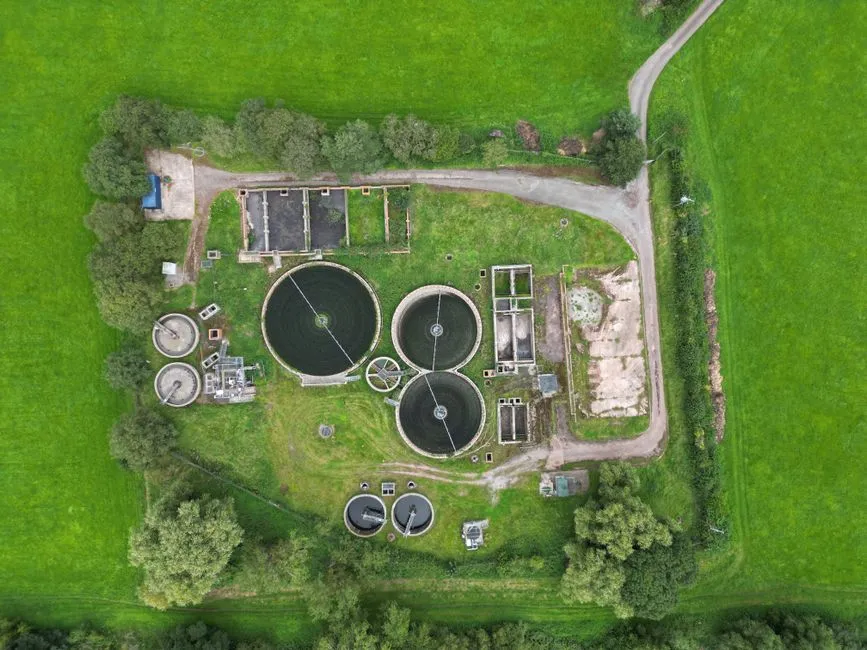
The choice of acquisition structure is the single largest controllable variable in the water-compliance risk profile of a German deal, because the three standard structures produce radically different permit-transfer mechanics and historic-liability outcomes. The deal team should choose the structure before the SPA is drafted, not after, because the answer drives the indemnity package, the W&I insurance scope, and the post-signing CAPEX envelope.
| Dimension | Asset purchase | Share deal | Greenfield |
|---|---|---|---|
| WHG permit treatment | Fresh §8 WHG permit required | §13 WHG transfer by operation of law on company succession | New §8 WHG permit for the new site |
| IED / BImSchG treatment | Full re-issue; authorities can impose stricter BAT-AEL | Permit continues; re-review triggered by ownership change | Full new application against current BAT |
| Historic groundwater liability (ELD 2004/35/EC) | Seller retains unless expressly assigned | Buyer inherits all historic liability | None |
| Typical lead time to clean closing | 6-12 months for re-issue | 30-90 days for transfer notification | 18-36 months for new permitting |
| 2024-2026 BAT-AEL re-permit exposure | High — re-issue under Decision 2024/1036 | Medium — re-review only if process changes | Full scope from day one |
Under an asset purchase, the buyer needs a fresh §8 WHG permit and a full IED re-issue, with the Bezirksregierung or Landesamt free to impose stricter BAT-AEL conditions during the re-issue, because the 2024 Mining Waste BREF update (Decision 2024/1036) tightens the discharge ranges relative to the 2010 regime. A share deal triggers §13 WHG, which permits transfer by operation of law on company succession and is materially faster (30-90 days) but transfers the entire historic groundwater liability under the Environmental Liability Directive and the KrWG, so the SPA must contain a thorough "knowns and unknowns" schedule and the W&I policy must exclude pre-known contamination. Greenfield avoids transfer risk but full permitting for a new site takes 18-36 months in Germany, and Bundesverwaltungsgericht case law (notably the 2024 Weservertiefung line of authority) has narrowed the room for granting permits under §12 WHG where downstream water-body impacts cannot be excluded with certainty. For a Rio Tinto deal specifically, a share deal will draw the most lender scrutiny because it places the German asset inside a corporate group carrying a CDP "F" and a declared environmental incident at Oyu Tolgoi, which is why most German banks will require a 12-24 month disclosure remediation plan as a condition precedent.
Lender and Investor Pressure: The Rio Tinto-Specific Layer
German permit compliance is only half the picture for a Rio Tinto acquisition; international lenders and ESG investors add a second, often binding, layer that runs in parallel to the WHG and BImSchG processes and is not discharged by obtaining the German permit. The LAPFF deferred investor resolution, which became active from April 2025 after Rio Tinto engaged with the forum following its December 2023 report (Reuters, 2024-02-12), targets independent water impact assessments at Rio Tinto's mine sites, and any German subsidiary or newly acquired German asset will be in scope as a reportable operation. The Oyu Tolgoi tailings seepage, declared an environmental incident by the lender group in November 2023, has set the remedial action plan template that the EBRD and commercial banks now require on any European acquisition, including German sites, because the E&S framework is syndicated globally rather than jurisdictionally (Reuters, 2024-02-12). Rio Tinto's CDP "F" rating since 2016 functions as a covenant issue at the financing stage, and German acquirers, joint-venture partners, and lenders typically demand a 12-24 month disclosure remediation plan as a condition precedent in the financing agreements, on the basis that disclosure failures correlate with operational risk in lender experience.
For an M&A advisor, the operational consequence is that the German water permit, the EBRD ESAP, and the LAPFF disclosure workstream must be managed by a single integrated team rather than three siloed advisors, because the disclosures made to the German authority under §6 AbwV (Eigenüberwachung) will be the same data set the EBRD requires under PR3 and that LAPFF will reference in any future investor resolution.
Pre-Signing Due Diligence Checklist for the Buyer
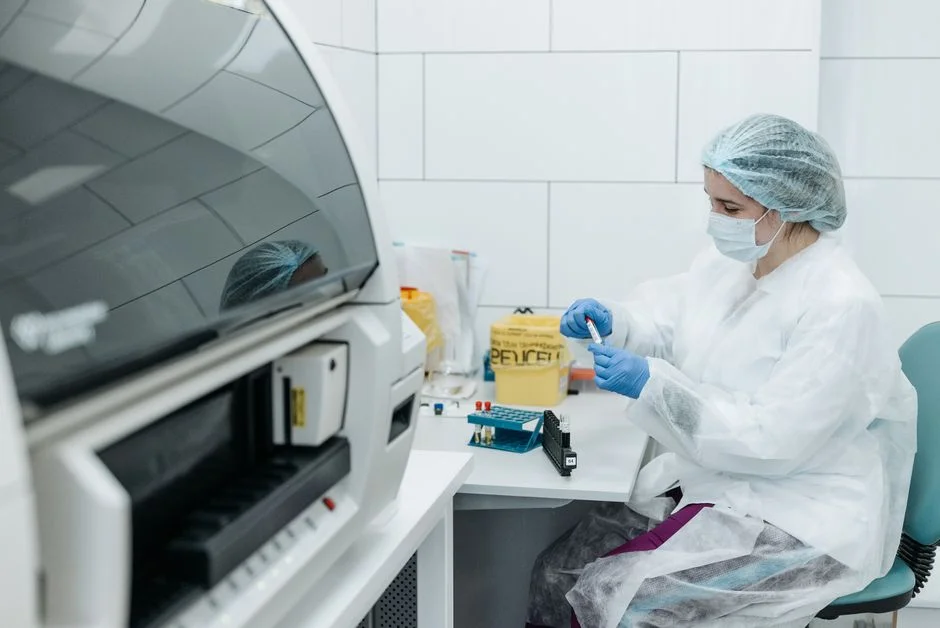
The following four items should be commissioned by the buyer's environmental counsel before signing, on a no-names basis if needed via a Phase I/II provider, and each is a hard prerequisite for a defensible SPA.
- Commission a Phase II environmental site assessment focused on groundwater, tailings leachate, and historical process discharge, governed by §9 BBodSchG and the federal soil protection act, with explicit sampling of heavy metals (Cu, Ni, Zn, Cr) and process-specific organics against current IED BAT-AEL.
- Obtain the seller's last 5 years of self-monitoring data (Eigenüberwachung) under §6 AbwV, benchmark the loadings against the current IED BAT-AEL ranges from Decision 2024/1036, and flag any parameter where the legacy plant is already out of compliance.
- Pull the discharge levy assessment notices (AbwAG-Bescheid) for the last 3 years, model post-deal OPEX at the EUR 35.79 per Schadeinheit rate, and stress-test the model at 2x and 5x heavy-metal loading to size the variable cost exposure.
- Review all consent decrees, ordnungsrechtliche Anordnungen, and any pending Bußgeld proceedings under §103 WHG, and confirm that none of them constitute a "trigger event" under the EBRD PR1 framework that would force a re-baseline of the lender ESAP on day one.
Post-Signing 30-60-90 Day Compliance Roadmap
The execution sequence after signing is constrained by the German statutes rather than by commercial preference, and missing a notification window can convert a clean closing into an enforcement matter under §103 WHG.
- Days 0-30: File the §13 WHG notification of change of operator with the Bezirksregierung, and notify the AbwAG authority (typically the Landesamt für Umwelt) within one month of closing so the discharge levy assessment transfers correctly. Open a parallel workstream with the EBRD relationship manager to confirm the ESAP scope.
- Days 30-60: Re-baseline the IED permit against Decision 2024/1036, file an updated BAT application if any process changes are planned, and re-issue the operator's Eigenüberwachung schedule under §6 AbwV. This is typically the window in which the equipment procurement decision is made.
- Days 60-90: Negotiate the EBRD ESAP or commercial bank E&S action plan, and integrate it deliberately with the German remediation plan under §10 BImSchG to avoid duplicate monitoring or reporting obligations.
Where the German permit re-issue demands tighter TSS, COD, or heavy-metal limits than the legacy plant can achieve, a packaged treatment train — typically chemical precipitation followed by a DAF system for suspended solids and metals removal, then sand filtration, and finally an MBR wastewater treatment system or RO polishing stage for the residual dissolved load — slots in ahead of the re-permit deadline. Equipment selection should be driven by the BAT-AEL gap, not by installed-base preference, and the engineering basis of design should be documented in the ESAP annex so the lender can verify the same numbers the German authority receives.
Indicative CAPEX and OPEX Bands for a Compliance Upgrade
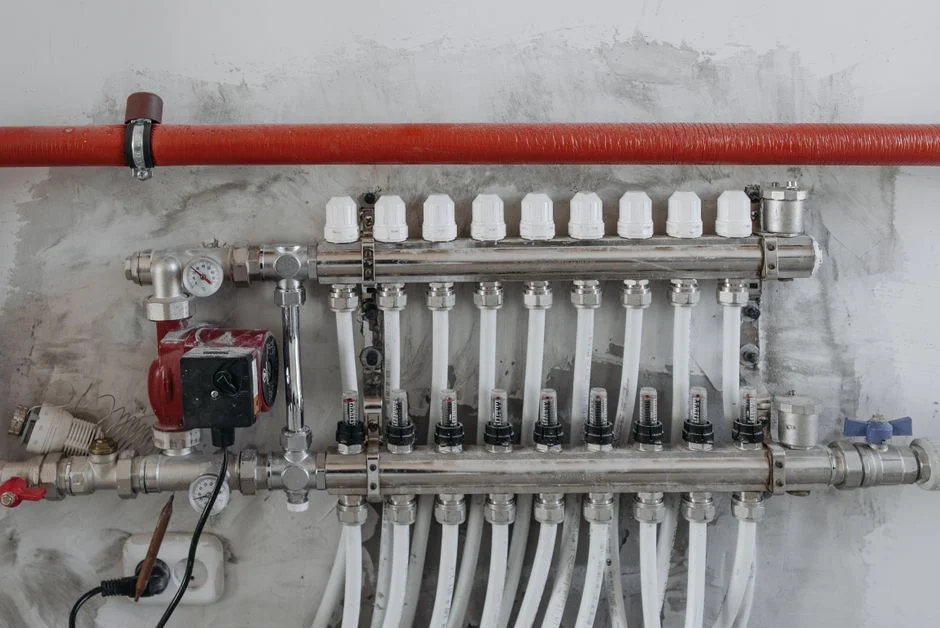
Budget conversations with a steering committee should be anchored to engineering-services comparables and process-water treatment train scopes rather than fabricated turnkey quotes. The engineering-services line item is best proxied by recent German water-sector M&A multiples: Sweco's 2025 acquisition of STEIN Ingenieure GmbH added approximately 60 water and wastewater experts and EUR 6.5 million in annual turnover, which gives a useful order-of-magnitude for the engineering-services capex line in a German water-modernisation deal of comparable scope (Sweco press release, 2025). The process-water treatment train for a 1,000-5,000 m³/day metals or mineral plant in Germany — typically chemical precipitation, DAF, sand filtration, and RO polishing — sits in the multi-million-EUR EPC range typical for German industrial wastewater builds, and the precise figure should be sourced from a vendor budgetary request rather than estimated from secondary sources.
On the OPEX side, the AbwAG charge scales with heavy-metal loadings because each metal carries a higher damage factor per kilogram discharged: a 2-5x baseline heavy-metal loading translates into a 2-5x multiplier on the EUR 35.79 per Schadeinheit standard, i.e. an effective EUR 71-179 per Schadeinheit equivalent, which is the right order of magnitude to discuss with management. The OPEX tail is also driven by the EBRD PR3 monitoring and reporting burden, which is typically a 5-10% addition to the operator's existing environmental staffing cost.
Frequently Asked Questions
Which German statute governs the transfer of a wastewater discharge permit when a company is acquired?
§13 of the Federal Water Act (WHG) governs permit transfer on company succession, with limited statutory grounds for refusal; the Bezirksregierung or Landesamt processes the notification within 30-90 days for a share deal, while an asset purchase requires a fresh §8 WHG permit on a 6-12 month timeline.
What is the AbwAG discharge levy rate for industrial wastewater in 2026?
The AbwAG (Wastewater Charge Act) rate for 2026 is EUR 35.79 per Schadeinheit (pollution unit), and heavy-metal loadings such as Cu, Ni, Zn, and Cr carry higher damage factors that can multiply the effective rate 2x to 5x relative to a baseline municipal discharge profile.
Does the EU Industrial Emissions Directive require a permit re-review when a German industrial site changes ownership?
Yes, the IED (2010/75/EU) transposed via §10 of the Federal Immission Control Act (BImSchG) requires existing installations to update permit conditions to reflect current BAT conclusions; for mining and metals, the relevant BAT Reference Document is the Mining Waste BREF updated by Commission Implementing Decision 2024/1036, which tightens BAT-AEL ranges relative to the 2010 regime.
What is the EBRD's role in a German acquisition by a miner with a declared environmental incident at another site?
The EBRD Environmental and Social Policy (2019, updated 2024) and Performance Requirements 1-10 apply as binding covenants where EBRD or ECA financing is in scope; PR3 on resource efficiency and PR6 on biodiversity are the most water-relevant, and the lender will require an Environmental and Social Action Plan (ESAP) typically within 60-90 days of closing, mirroring the remedial action plan template already imposed at Oyu Tolgoi.
What pre-signing environmental due diligence is required under the EU Environmental Liability Directive?
Directive 2004/35/EC, transposed into the German Umweltschadensgesetz, obliges the operator to quantify and remediate historic groundwater damage; pre-signing due diligence must therefore price ELD exposure separately from the SPA's environmental reps, typically through a Phase II ESA covering groundwater, tailings leachate, and historical process discharge under §9 BBodSchG.