Why Pharmaceutical Effluent Is the Hardest Stream in Indian ETP Design
Pharmaceutical wastewater in India spans a COD range of 400–62,000 mg/L with a COD/BOD5 ratio of 1–15, according to Veolia's research across 50 pharmaceutical manufacturing plants (Veolia Pharmaceutical Manufacturing Wastewater Treatment Guide, 2020). One outlier site in the same dataset recorded 300,000 mg/L COD. That single statistic explains why one-size-fits-all ETPs fail in Indian API parks: the influent envelope is wider than for textile, dairy, or pulp & paper effluents, and the biological treatability varies from "easily biodegradable" (COD/BOD5 < 2) to "may not be biodegradable" (COD/BOD5 > 3) within the same industry.
Batch-driven variability compounds the problem. Indian API plants typically run campaign-based production on shared reactors, so the same equalization tank receives acidic mother-liquor washes one shift and alkaline cleaning rinses the next. Daily flow rates commonly fall between 30 and 600 m³/day (per Veolia), but the within-day swings are much larger. Solvent inventory adds another layer: Veolia's process list includes methanol, ethanol, acetone, isopropanol, acetic acid, and glycols, all of which contribute to COD and can inhibit biomass. Low-boiling solvents such as methanol and acetone cannot be retained by evapoconcentration because they vaporise with the distillate; they pass through to biological or oxidation steps instead.
The refractory COD fraction — Veolia terms it "hard", "ultimate", "persistent", or "inert" COD — typically accounts for 20–40% of total COD in API effluent and originates from synthesis intermediates, biocides, and heavy-metal residues. This is the fraction that decides whether biological treatment alone can meet the 250 mg/L COD consent limit, and it is exactly the fraction that antibiotic residues fall into. The CPCB and State PCBs are tightening scrutiny on API traces in 2026, so any new ETP design must assume that what passes the biological stage is not automatically compliant.
India's 2026 Regulatory Framework for Pharma Effluent
Discharge to inland surface water from a pharmaceutical unit in India is governed by the CPCB Pharmaceutical Industry Standards (2017) and Schedule VI of the Environment (Protection) Rules, 1986. The headline limits for a red-category bulk-drug or formulation plant discharging to surface water are COD 250 mg/L, BOD 30 mg/L, TSS 100 mg/L, and pH 6.5–8.5. Units discharging to coastal or marine outfalls get a relaxed COD ceiling of 500 mg/L, but tighter TDS, oil & grease, and total nitrogen clauses typically apply through State PCB consent conditions.
State Pollution Control Boards (TSPCB, GPCB, MPCB, HPPCB, KSPCB) routinely impose consent-to-operate conditions that go beyond the CPCB baseline. In 2025–2026, several SPCBs have begun demanding online effluent monitoring with real-time data upload to the CPCB OCEMS portal for red-category pharma, stricter total-nitrogen caps (typically 10–20 mg/L for plants in the Ganges basin), and antibiotic-residue testing at the point of discharge. Pharma R&D and QC laboratory streams that handle biological materials fall under the Bio-Medical Waste Management Rules 2016 and must be segregated from the main ETP — a boundary condition that designers often miss.
API parks and special economic zones typically use a Common Effluent Treatment Plant (CETP). The CETP influent standards are negotiated between the park operator and the SPCB, but typically include COD ≤ 1,000 mg/L, TDS ≤ 2,000 mg/L, and zero oil & grease at the member-factory boundary. Exceeding those at the upstream unit shifts the load to the CETP and attracts joint liability under the Water (Prevention and Control of Pollution) Act, 1974 (as amended in 1988).
| Parameter | CPCB Schedule VI limit (inland surface water) | CPCB Schedule VI limit (marine/coastal) | Typical 2026 SPCB consent condition |
|---|---|---|---|
| COD | 250 mg/L | 500 mg/L | 200–250 mg/L; daily average basis |
| BOD3 (27°C, 3-day) | 30 mg/L | 100 mg/L | 20–30 mg/L |
| TSS | 100 mg/L | 200 mg/L (process) | 50–100 mg/L |
| pH | 6.5–8.5 | 6.5–9.0 | 6.5–8.0 for sewer discharge |
| Oil & grease | 10 mg/L | 20 mg/L | ≤ 5 mg/L for CETP-fed parks |
| Total nitrogen | Not specified | Not specified | 10–20 mg/L (Ganges basin SPCBs) |
| Antibiotic residues | Not specified | Not specified | Site-specific; increasingly required |
The Standard Indian Pharma ETP Process Train
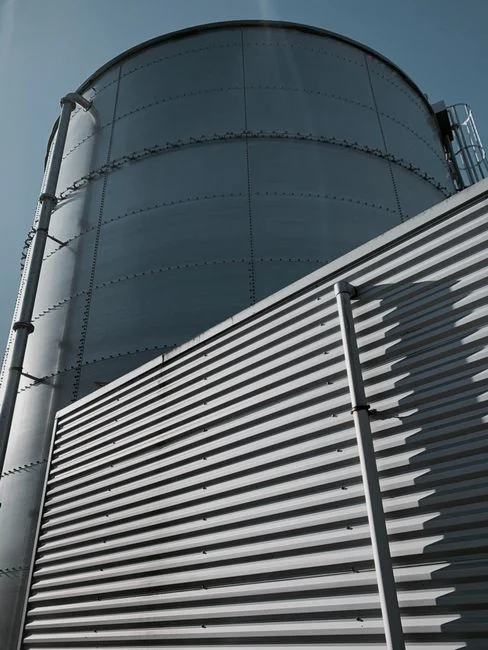
The default process train for an Indian API or formulation plant is equalization → pH correction → primary separation (DAF or lamella) → biological treatment (MBBR, SBR, or MBR) → tertiary polishing (ozone or activated carbon) → sludge dewatering, with a UF/RO polish reserved for water-reuse or zero-liquid-discharge (ZLD) schemes. This sequence reflects the Veolia reference trains for chemical-synthesis API plants, adapted to Indian saline and high-TDS conditions.
Stage 1 — Equalization and neutralization. A correctly sized equalization tank is the single most cost-effective item in the whole plant. For campaign-driven Indian API sites, 8–12 hours of hydraulic retention time is the typical design band; that absorbs the pH swings between acidic mother-liquor discharges and alkaline CIP rinses and flattens the solvent slug before it hits the biomass. Online pH probes with auto-dosing of caustic or acid are standard.
Stage 2 — Primary separation. A DAF unit for primary separation removes suspended solids, oil & grease, and the starch/sugar particulates common in formulation lines. Lamella clarifiers are a lower-capex alternative when the influent TSS is below ~500 mg/L and oil loading is low.
Stage 3 — Biological treatment. This is the workhorse. MBBR, SBR, and MBR are the three options an Indian plant typically chooses between, and the choice is driven by influent variability, footprint, and consent stringency (see the comparison section below). Veolia's reference trains include both MBBR-based retrofits (Equalization → MBBR → DAF → MBBR → AC → Sand) and MBR-based new builds (Equalization → MBR).
Stage 4 — Tertiary polishing. Activated carbon for residual API and refractory organics; ozone or Fenton-based AOP where antibiotic residues or non-biodegradable COD are flagged. A UV disinfection step is added when the discharge point is a sewer feeding a downstream STP, or when reuse is targeted.
Stage 5 — Sludge handling. A plate-and-frame filter press for pharma sludge is the Indian default, producing cake at 25–35% total solids. Centrifuges are faster but produce a wetter cake (18–22% TS) and are less common in pharma ETPs of this scale.
MBR vs MBBR vs SBR: Choosing the Right Biological Step
The biological reactor is the single largest line item in a pharma ETP and the choice that locks in footprint, capex, and opex for the next 15–20 years. The three contenders are MBBR (moving-bed biofilm reactor), SBR (sequencing batch reactor), and MBR (membrane bioreactor). For Indian API plants, the Veolia data and field practice point to MBBR as the default for variable-load sites, MBR where space is constrained and consent limits are tight, and SBR for smaller formulation units with relatively steady influent.
MBBR's strength is shock tolerance. The carrier-attached biofilm weathers toxic slugs that would wipe out a suspended-growth system; it is also the lowest capex of the three, typically 25–40% below MBR for the same design flow. MBR's strength is effluent quality — typically COD < 50 mg/L and BOD < 5 mg/L on a consistent basis — at a footprint roughly 30–50% smaller than the equivalent MBBR + clarifier. The trade-off is membrane replacement at 5–7 year intervals, sensitivity to oils and surfactants (a real problem in formulation effluent), and higher operator skill. SBR sits between the two on capex and is operationally simple, but it requires reliable automated decanting and is vulnerable to foam events from detergent-rich streams.
High salinity is a constraint that matters specifically in the Ankleshwar, Baddi, and parts of the Hyderabad cluster where TDS can exceed 5,000 mg/L. Halotolerant seeding is essential for MBBR/MBR restart-ups in those locations, and Veolia's bench-test protocol (jar + bench biological) is the standard way to confirm biomass viability before committing to a design. An integrated MBR system for pharma effluent is the right reference for sites targeting ≤ 50 m² footprint per 100 m³/day or a reuse-quality polish.
| Parameter | MBBR | SBR | MBR |
|---|---|---|---|
| Footprint (per 100 m³/day) | ~80–110 m² | ~90–130 m² | ~50–70 m² |
| Capex index (MBBR = 1.0) | 1.0 | 1.1–1.2 | 1.3–1.4 |
| Effluent COD (typical) | 80–150 mg/L | 60–120 mg/L | < 50 mg/L |
| Effluent BOD (typical) | 10–20 mg/L | 8–15 mg/L | < 5 mg/L |
| Toxic-shock tolerance | High (biofilm) | Low–medium | Low–medium (membrane fouling) |
| Operator skill required | Medium | Medium | High |
| Best-fit Indian cluster | Variable-load API (Hyderabad, Ahmedabad) | Smaller formulation units | Tight-consent sites, space-constrained (Mumbai, Baddi retrofit) |
Refractory COD and Antibiotic Residues: The Tertiary Step That Decides Compliance
Biological treatment reliably removes the biodegradable fraction of pharma COD; it is the tertiary step that decides whether the plant actually meets the 250 mg/L CPCB limit. The 20–40% of total COD that survives the biological stage is the refractory fraction — synthesis intermediates, biocides, and increasingly in 2026, antibiotic residues from cephalosporin, macrolide, and fluoroquinolone lines. Veolia's terminology is consistent: refractory COD = hard COD = ultimate COD = persistent COD = inert COD. Whatever you call it, this fraction is what causes an ETP that tests fine on BOD to still breach on COD.
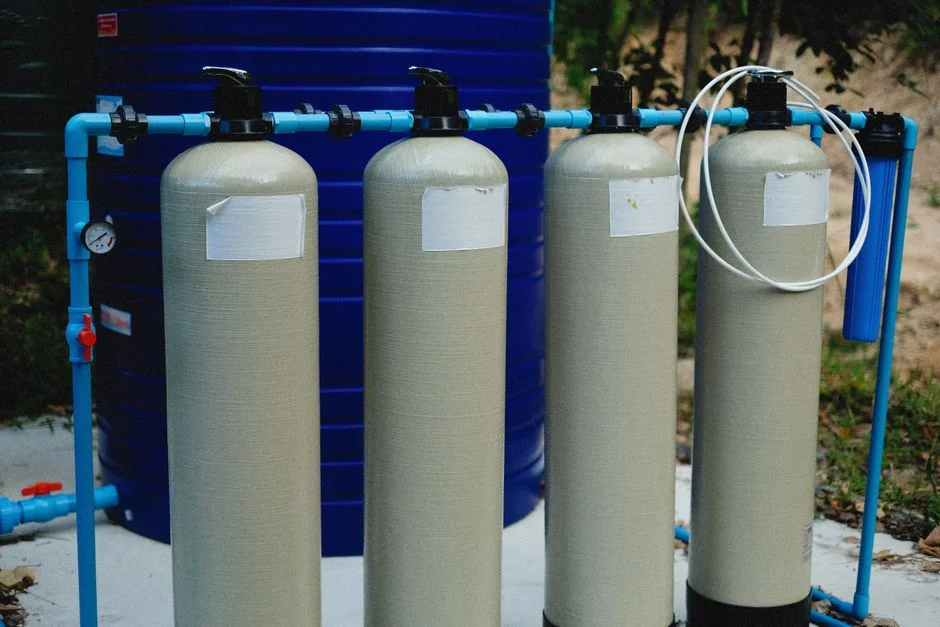
Ozone oxidation is the workhorse of pharma tertiary treatment. Typical doses are 1–3 mg O3 per mg of residual COD, with reaction times of 15–45 minutes. Fenton and photo-Fenton are used for wastewater with high iron tolerance and where colour removal is a consent condition. Both are effective at breaking down API molecules, which is the lever that addresses the antibiotic-resistance scrutiny that CPCB and the ICMR flagged in 2024–2025. Granular activated carbon (GAC) is the default polish step for small-to-mid Indian plants: lower capex, simpler operation, but spent-carbon disposal runs ₹8–15 per kg in 2026 and that line item is often the deal-breaker for high-TDS sites.
For very high-strength API effluent, Veolia's reference train is Equalization → Evapoconcentration → MBBR → Hydrostatic filtration → GAC filtration. Evapoconcentration is feasible only when the solvent fraction is high-boiling (glycols, dimethylformamide residuals); low-boiling solvents like methanol and acetone pass through the evaporator with the distillate and are not removed. For ZLD or water-reuse targets, UF followed by RO is increasingly common in Indian pharma parks, but capital and operating cost remain 2–3× higher than discharge-to-drain and the recovery is limited to 60–75% before RO scaling becomes the binding constraint.
Sludge, Odour, and Biogas: Closing the Loop on Pharma Effluent
Sludge yield from a pharma ETP is governed by the biological yield coefficient: typical observed yield is 0.2–0.4 kg TSS per kg COD removed, which translates to 80–160 kg dry solids per day for a 100 m³/day plant removing 2,000 mg/L COD. Mechanical dewatering is non-negotiable; a plate-and-frame filter press for pharma sludge produces cake at 25–35% TS, which is the range TSPCB expects for off-site transport to a TSDF. Centrifuges are faster but produce wetter cake (18–22% TS) and higher polymer consumption.
Anaerobic pre-treatment with an Upflow Anaerobic Sludge Blanket (UASB) reactor is a credible option for high-strength API effluent: it cuts the load to the aerobic stage by 50–70% and produces biogas with a 0.30–0.40 m³ CH4 per kg COD removed yield, recoverable for boiler or DG preheating duty. The Sigma review of medical and pharmaceutical waste management (Sigma Journal of Engineering and Natural Sciences) documents that biogas recovery from antibiotic-contaminated wastewater has been demonstrated in advanced anaerobic digesters, and that the small number of hospital-adjacent biogas installations are located in Tanzania, India, and the Philippines (Sigma 2025). The Indian installations are limited but proven — relevant context when a Hyderabad or Ahmedabad API plant pitches a circular-economy argument to its SPCB.
Odour control on the EQ tank, DAF, and sludge handling area is a consent condition, not an optional extra. Covered EQ tanks with bioscrubber or activated-carbon polishing are standard; open sludge drying beds are no longer accepted at most TSPCB and GPCB inspected sites. Operating temperature is also a constraint: UASB start-up in Indian conditions takes 8–16 weeks, and winter performance below 20°C in northern plants (Baddi, Sikkim) drops methane yield by 20–30%.
What a Pharma ETP Costs in India in 2026 (Capex & Opex Benchmarks)
A 100 m³/day MBR-based pharma ETP designed to meet CPCB 2017 inland-surface-water discharge limits sits in a 2026 capex band of approximately ₹2.5–4.0 crore in India, including civil works, MBR skid, ozone/AC tertiary, sludge dewatering, instrumentation, and erection. The indicative spread depends on influent strength, discharge vs reuse target, and site conditions; the Andhra Pradesh ETP cost benchmarks published in 2025 are a useful regional anchor for South India pricing, where civil and labour costs tend to be at the lower end of the national band.
The capex split for a typical MBR-based pharma ETP runs roughly: civil works and EQ 25–30%, MBR skid 25–30%, tertiary (ozone + AC) 10–15%, sludge dewatering 5–10%, instrumentation and PLC/SCADA 8–12%, erection and commissioning 8–10%. MBR systems typically run 25–40% higher on capex than equivalent MBBR systems, but 10–15% lower on opex because the membrane clarifier eliminates the separate settling stage and improves sludge retention. Operating cost is dominated by power (blower and pump loads), membrane replacement (15–25% of annual opex for an MBR), chemical dosing (nutrients, antifoam, CIP), and sludge disposal.
| Cost element | Indicative share of capex (100 m³/day MBR-based) | Indicative 2026 India range |
|---|---|---|
| Civil works & EQ tank | 25–30% | ₹60–100 lakh |
| MBR skid (membrane + blower + pumps) | 25–30% | ₹60–110 lakh |
| Tertiary (ozone / AC) | 10–15% | ₹30–55 lakh |
| Sludge dewatering (filter press) | 5–10% | ₹15–35 lakh |
| Instrumentation & PLC/SCADA | 8–12% | ₹20–45 lakh |
| Erection & commissioning | 8–10% | ₹20–40 lakh |
| Total indicative | 100% | ₹2.5–4.0 crore |
Selecting an ETP Vendor in India: A 2026 Buyer's Checklist
Vendor selection in the Indian pharma ETP market rewards due diligence over price shopping. A short, defensible checklist:
- Prior pharma ETP references, specifically API, not just formulation. Formulation-only references rarely translate to API effluent; the solvent, salinity, and refractory COD profiles are different.
- Verified CPCB/SPCB compliance track record. Ask for effluent test reports from two or three operating sites of similar capacity. Confirm OCEMS data upload has been continuous, not a one-time install.
- Scope clarity in the bid. Confirm who supplies the civil work, who supplies the MBR membrane (and what brand), and who handles SPCB consent paperwork. Split responsibility is the most common source of project slippage.
- In-house PLC/SCADA capability and remote monitoring. In 2026, online monitoring with real-time SPCB data upload is increasingly a consent condition rather than a value-add.
- Treatability study before final design. Insist on a jar test plus bench-scale biological study; Veolia-style pilot testing remains the engineering gold standard and the only credible basis for sizing the biological stage. Skip this step at your own risk — it is the single most common reason Indian pharma ETPs underperform on COD consent.
Frequently Asked Questions
What is the CPCB effluent limit for pharma in India?
Under the CPCB Pharmaceutical Industry Standards (2017) and Schedule VI of the Environment (Protection) Rules, pharmaceutical units discharging to inland surface water must meet COD 250 mg/L, BOD 30 mg/L, TSS 100 mg/L, and pH 6.5–8.5. Marine discharge allows COD up to 500 mg/L, but most State PCBs impose tighter consent-to-operate conditions, especially on total nitrogen and antibiotic residues.
What COD removal can an MBR achieve for API wastewater?
An MBR operating on a properly equalised and pH-corrected API influent of 2,000–5,000 mg/L COD typically delivers 95–98% COD removal, producing effluent below 50 mg/L COD on a consistent basis (Veolia 2020 reference trains). For refractory loads, an ozone or activated-carbon polish is required to push below 100 mg/L.
MBBR or MBR for a 100 m³/day pharma ETP?
For most variable-load Indian API sites, MBBR is the right default — 25–40% lower capex, better toxic-shock tolerance, and simpler operation. MBR is the right choice when space is constrained (under ~70 m² available), consent is tight (COD < 100 mg/L), or the site plans to add water reuse later. SBR is suited to smaller, steadier formulation units.
How is antibiotic residue removed from pharma effluent?
Biological treatment alone does not reliably break down antibiotic molecules; they fall into the refractory COD fraction. The standard approach is a tertiary step — ozone oxidation (1–3 mg O3/mg COD), Fenton or photo-Fenton for high-COD streams, followed by granular activated carbon polishing. UF and RO are used for reuse-grade polish but are 2–3× the capex of ozone/AC.
Can pharma wastewater be reused or zero-liquid-discharged?
Yes, but with a cost premium. A reuse-grade pharma ETP adds UF + RO after the tertiary step, lifts capex by 60–80% versus discharge-to-drain, and typically recovers 60–75% of the inflow as reusable water. ZLD adds evaporation/ crystallisation and pushes the per-kilolitre treatment cost to ₹200–400 — viable only where freshwater cost, consent pressure, or sustainability commitments justify the spend. For a broader view, the chemical wastewater reuse compliance guide covers the regulatory and engineering considerations in detail, and the decentralized STP options in India article covers the parallel question of how cluster CETPs are evolving.