Birmingham’s Industrial Wastewater Treatment Needs Are Unique
Birmingham’s diverse industrial landscape, encompassing automotive, food processing, and metal finishing, generates wastewater with chemical oxygen demand (COD) loads ranging from 500 to 5,000 mg/L, significantly exceeding typical municipal sewage. This high-strength effluent presents complex treatment challenges for industrial facilities across key zones like Tyseley and Longbridge. Compliance with Environment Agency regulations is paramount, as trade effluent charges in Birmingham average £0.50–£2.00/m³ for non-compliant discharges, based on 2024 data. Common compliance failures, such as total suspended solids (TSS) exceeding 30 mg/L, biochemical oxygen demand (BOD) above 20 mg/L, or pH levels outside the 6–10 range, can lead to substantial fines and reputational damage, as stipulated by the Urban Waste Water Directive 91/271/EEC. Birmingham’s existing sewer infrastructure faces limitations, including combined sewer overflows and capacity constraints, which increasingly drive the demand for robust on-site industrial wastewater treatment Birmingham solutions. This localized pressure necessitates advanced treatment technologies that can handle variable loads and ensure stringent discharge quality.Key Sewage Treatment Equipment Types for Industrial Applications
Dissolved Air Flotation (DAF) systems achieve 92–97% TSS removal and over 95% FOG (Fats, Oils, and Grease) removal, making them a primary choice for industrial wastewater with high suspended solids and fats, oils, and grease. These systems are particularly effective in sectors such as food processing, pulp and paper manufacturing, and metalworking. For instance, DAF systems for Birmingham’s industrial wastewater are available in capacities ranging from 4 to 300 m³/h and utilize micro-bubble technology to efficiently separate contaminants (per EPA 2024 benchmarks). Membrane Bioreactors (MBR) offer advanced treatment capabilities, achieving pathogen removal rates of 99.99% and producing effluent with turbidity often below 1 NTU. MBR systems for water reuse in Birmingham’s industrial zones are suitable for applications requiring high-quality treated water, such as cooling towers, boiler feed water, or irrigation. While delivering superior effluent quality, MBR systems typically have higher energy consumption, ranging from 0.8–1.2 kWh/m³, compared to 0.3–0.5 kWh/m³ for conventional activated sludge systems. Chemical Dosing Systems play a crucial role in pretreatment and pH adjustment, employing coagulants like PAC (polyaluminium chloride) and ferric chloride to facilitate flocculation and enhance solids separation. Modern PLC-controlled chemical dosing for Birmingham’s variable wastewater loads can achieve dosing accuracy of ±1%, optimizing chemical usage and treatment efficiency. Sludge Dewatering equipment, such as plate and frame filter presses, is essential for reducing the volume of wastewater treatment by-products. These systems typically achieve 35–45% dry solids content in the dewatered sludge, significantly lowering disposal costs. Capacities for dewatering equipment range from 1 to 500 m² filtration area, accommodating various industrial scales. Disinfection systems, particularly chlorine dioxide (ClO₂) generators, are vital for treating specific industrial wastewater streams like those from hospitals or medical facilities. ClO₂ generators can achieve a kill rate of 99.9% for common pathogens such as E. coli and enterococci, meeting stringent public health guidelines (per WHO Guidelines for Drinking-water Quality). The following table provides a technical overview of these key sewage treatment equipment types:| Equipment Type | Primary Application | Key Removal Efficiency | Effluent Quality | Energy Use (kWh/m³) | Typical Footprint |
|---|---|---|---|---|---|
| Dissolved Air Flotation (DAF) | Food Processing, Metalworking | TSS: 92–97%, FOG: 95%+ | Pre-treatment, solids removal | 0.05–0.15 | Medium |
| Membrane Bioreactor (MBR) | Water Reuse, High-Quality Discharge | Pathogens: 99.99%, BOD: 95%+ | <1 NTU, near-reuse quality | 0.8–1.2 | Compact |
| Chemical Dosing Systems | pH Adjustment, Flocculation | Enhanced Coagulation/Flocculation | Supports primary treatment | Minimal (for pumps/controls) | Small |
| Sludge Dewatering (Filter Press) | Sludge Volume Reduction | Dry Solids Content: 35–45% | Not applicable (sludge treatment) | 0.01–0.05 | Medium |
| Disinfection (ClO₂) | Pathogen Inactivation | Pathogens: 99.9% kill rate | Sterilized effluent | 0.01–0.03 | Small |
Top 5 Sewage Treatment Equipment Suppliers in Birmingham: Technical Comparison
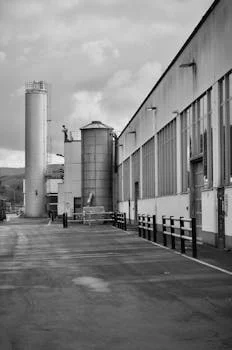
Supplier 1: Pump & Process Equipment Inc. (via UK distributor network)
- Strengths: Over 33 years of experience in pumping systems and controls, offering robust local service support through its UK distributor network.
- Weaknesses: Primary focus on pumping and basic process equipment, with limited specialized DAF or MBR offerings.
- Key Data: Pumping equipment capacities typically up to 1,000 m³/h, suitable for effluent transfer and initial screening (from scraped content).
Supplier 2: Morrow Water Technologies (via UK partner network)
- Strengths: Provides full-service solutions, including design, installation, and ongoing operations support, making them a comprehensive partner.
- Weaknesses: Turnkey projects may involve higher capital expenditure (CAPEX) due to their extensive service offerings.
- Key Data: DAF systems offered by their partners achieve 95%+ TSS removal, demonstrating strong performance in primary treatment (from scraped content).
Supplier 3: Aqua Solutions (via Vessco Water UK)
- Strengths: Part of a nationwide family of companies, offering extensive expertise in both municipal and industrial water treatment across the UK.
- Weaknesses: Custom or specialized equipment may be subject to longer lead times compared to standard offerings.
- Key Data: Offers MBR systems featuring 0.1 μm PVDF membranes, capable of producing high-quality effluent suitable for various reuse applications (from scraped content).
Supplier 4: Guardian IPCO (via UK distributor)
- Strengths: Specializes in cutting-edge disinfection technologies, including chlorine dioxide (ClO₂) and ozone, ideal for specific pathogen control needs.
- Weaknesses: Niche focus means they typically do not provide full, end-to-end wastewater treatment solutions, often requiring integration with other systems.
- Key Data: Disinfection systems achieve a 99.9% pathogen kill rate, critical for sensitive applications like medical wastewater treatment (from Guardian’s website).
Supplier 5: HydropureWater (via UK distributor)
- Strengths: Offers cost-competitive DAF and MBR systems with a focus on efficiency and compact design, including integrated solutions. Capacities range from 1 to 80 m³/h for standard units.
- Weaknesses: While expanding, local service infrastructure in the UK may be less extensive compared to long-established domestic suppliers.
- Key Data: Provides WSZ series underground plants with a footprint of less than 10 m², ideal for facilities with limited space (from product catalog).
| Supplier | Typical TSS Removal | Typical BOD Removal | Energy Use (kWh/m³) | Footprint (m²) for 50m³/h system) | Estimated CAPEX (£/m³ Treated) | Compliance Certifications |
|---|---|---|---|---|---|---|
| Pump & Process Equipment Inc. | N/A (Pumping focus) | N/A | 0.01-0.05 (for pumping) | Variable (depends on pump station) | £50-£150 (for pumping) | ISO 9001 (Distributor) |
| Morrow Water Technologies | 95%+ (for DAF) | 80-90% (for biological) | 0.1-0.3 (for DAF/Biological) | 20-40 | £250-£400 | ISO 9001, MCERTS (via partners) |
| Aqua Solutions (via Vessco Water UK) | 98%+ (for MBR) | 95%+ (for MBR) | 0.8-1.2 (for MBR) | 10-25 (for MBR) | £400-£700 | ISO 9001, ISO 14001 |
| Guardian IPCO | N/A (Disinfection focus) | N/A | 0.01-0.03 (for disinfection) | 5-15 (for disinfection unit) | £50-£100 (for disinfection) | ISO 9001 |
| HydropureWater | 95-98% (DAF), 98%+ (MBR) | 85-90% (DAF+Bio), 95%+ (MBR) | 0.1-0.2 (DAF), 0.8-1.2 (MBR) | 10-30 (DAF), <10 (WSZ underground) | £200-£350 | ISO 9001, CE, MCERTS (specific products) |
Cost Benchmarks for Industrial Sewage Treatment Equipment in Birmingham (2025)
Industrial sewage treatment equipment in Birmingham for 2025 carries CAPEX ranging from £20,000 for small DAF systems to over £500,000 for large MBR installations, with OPEX typically adding £0.10–£0.30/m³ for energy alone. These figures are crucial for industrial procurement managers to budget effectively and calculate the total cost of ownership. Capital expenditure (CAPEX) for industrial-scale systems varies significantly by technology and capacity:- DAF Systems: For capacities ranging from 4 to 300 m³/h, CAPEX can be between £20,000 and £200,000.
- MBR Systems: For capacities from 10 to 2,000 m³/day, CAPEX typically falls within £50,000 to £500,000, reflecting the advanced membrane technology.
- Energy: A significant factor, typically ranging from £0.10–£0.30/m³ treated water, largely dependent on the chosen technology (e.g., MBRs are more energy-intensive).
- Chemicals: Costs can range from £0.05–£0.20/m³ for coagulants, flocculants, and pH adjustment chemicals, varying with wastewater characteristics.
- Maintenance: Routine and preventative maintenance, including spare parts and labor, typically adds £0.02–£0.10/m³.
- Sludge Disposal: A often-overlooked cost, ranging from £50–£150/tonne, depending on sludge volume, dry solids content, and local disposal regulations.
- Permitting: Obtaining necessary Environment Agency permits can cost between £2,000 and £10,000.
- Operator Training: Ensuring staff are competent to operate and maintain the new equipment typically costs £1,500–£5,000.
- Installation & Commissioning: While often included in turnkey projects, these can be separate costs for equipment-only purchases.
| Cost Category | Type of System | Cost Range (2025) | Notes |
|---|---|---|---|
| CAPEX (Capital Expenditure) | DAF System (4–300 m³/h) | £20,000–£200,000 | Includes equipment, delivery, basic installation |
| MBR System (10–2,000 m³/day) | £50,000–£500,000 | Higher for advanced membranes and automation | |
| OPEX (Operational Expenditure) per m³ | Energy Consumption | £0.10–£0.30/m³ | Varies by technology (MBR > DAF) |
| Chemicals (Coagulants, Flocculants) | £0.05–£0.20/m³ | Depends on wastewater characteristics and dosing rates | |
| Maintenance & Spares | £0.02–£0.10/m³ | Includes routine servicing and replacement parts | |
| Hidden/Ancillary Costs | Permitting & Licensing | £2,000–£10,000 | Environment Agency fees, consultancy |
| Operator Training | £1,500–£5,000 | Initial training for facility staff | |
| Sludge Disposal | £50–£150/tonne | Varies by volume, dry solids content, and local rates |
How to Select the Right Supplier for Your Birmingham Facility
- Step 1: Define Effluent Standards and Regulatory Compliance. Begin by clearly establishing the required discharge limits for your facility, such as TSS <30 mg/L, BOD <20 mg/L, and pH 6–10, as mandated by the Environment Agency and the Urban Waste Water Directive 91/271/EEC. Match these standards to the guaranteed removal rates of specific equipment types; for instance, DAF systems are highly effective for TSS removal, while MBR systems are necessary for stringent pathogen removal and water reuse.
- Step 2: Assess Wastewater Characteristics. Thoroughly analyze your facility’s wastewater for parameters such as pH, Chemical Oxygen Demand (COD), Fats, Oils, and Grease (FOG), heavy metals, and temperature. This assessment is critical for selecting the most appropriate technology. For example, food processing wastewater with high FOG and COD may require a combination of DAF and chemical dosing, while metalworking effluent might necessitate specific heavy metal precipitation.
- Step 3: Evaluate Footprint Constraints and Site Integration. Consider the physical space available at your facility. Underground systems, such as HydropureWater’s WSZ series underground plants, offer a compact solution with a footprint of less than 10 m² but require excavation. Conversely, modular above-ground systems may offer easier access for maintenance but demand more surface area.
- Step 4: Compare CAPEX and OPEX for Lifecycle Costs. Look beyond the initial purchase price. MBR systems, for example, typically have higher CAPEX due to advanced membrane technology but can offer lower sludge disposal costs due to reduced sludge volume. Conversely, chemical-intensive systems might have lower CAPEX but higher ongoing OPEX. Conduct a full lifecycle cost analysis to understand the long-term financial implications.
- Step 5: Verify Compliance Certifications and Local Service Support. Ensure that the supplier’s equipment holds relevant certifications like MCERTS (Measurement Certification Scheme for Environmental Technologies) and that their operations adhere to ISO 14001 environmental management standards. Crucially, evaluate their local service capabilities in Birmingham, including response times for emergencies (e.g., 24/7 support) and availability of spare parts.
- Step 6: Request Pilot Testing and Performance Guarantees. For complex or high-volume wastewater streams, request pilot testing. Suppliers like Morrow Water Technologies often offer on-site trials for DAF or MBR systems, allowing you to validate performance against your specific effluent before making a full investment. Always seek clear performance guarantees for effluent quality and operational parameters.
Frequently Asked Questions
Industrial buyers in Birmingham frequently inquire about Environment Agency trade effluent limits, system costs, and specific application suitability for sewage treatment equipment. Addressing these common questions helps procurement managers make informed decisions.What are the Environment Agency’s trade effluent limits for Birmingham?
For industrial discharges into public sewers in Birmingham, typical Environment Agency trade effluent limits require Total Suspended Solids (TSS) to be less than 30 mg/L, Biochemical Oxygen Demand (BOD) to be less than 20 mg/L, and pH to be maintained between 6 and 10. These are general guidelines, often specified under the Urban Waste Water Directive 91/271/EEC, with exact limits varying based on specific permit conditions and discharge volume.
How much does a 50 m³/h DAF system cost in Birmingham?
A 50 m³/h Dissolved Air Flotation (DAF) system in Birmingham typically has a Capital Expenditure (CAPEX) between £50,000 and £80,000. Operational Expenditure (OPEX) for such a system would generally range from £0.15–£0.30/m³ treated, including energy, chemicals, and maintenance, based on 2025 data.
Can MBR systems treat hospital wastewater in Birmingham?
Yes, Membrane Bioreactor (MBR) systems are highly effective for treating hospital wastewater in Birmingham. MBR systems achieve 99.99% pathogen removal, including bacteria and viruses, producing high-quality effluent that meets stringent UK reuse guidelines, for applications such as irrigation or non-potable facility uses.
What’s the lead time for sewage treatment equipment in Birmingham?
Lead times for sewage treatment equipment in Birmingham can vary. Standard systems, such as DAF units, typically have a lead time of 8–16 weeks from order to delivery. Custom-engineered MBR systems, due to their complexity and specific design requirements, usually require a longer lead time of 12–24 weeks.
Do suppliers offer financing or leasing options?
Yes, some sewage treatment equipment suppliers in Birmingham and their UK distributors offer various financing or leasing options. For example, some partners of Morrow Water Technologies may provide lease-to-own agreements or performance-based contracts, where payments are tied to the volume of wastewater treated (e.g., pay-per-m³ treated), helping industrial facilities manage initial capital outlay.
Related Equipment
The following HydropureWater products are engineered for the wastewater challenges discussed above:
- DAF systems for Birmingham’s industrial wastewater — view specifications, capacity range, and technical data
- MBR systems for water reuse in Birmingham’s industrial zones — view specifications, capacity range, and technical data
- PLC-controlled chemical dosing for Birmingham’s variable wastewater loads — view specifications, capacity range, and technical data
Need a customized solution? Request a free quote with your specific flow rate and pollutant parameters.