The cost of a wastewater treatment plant in Saint Petersburg, FL, varies significantly based on capacity, technology, and compliance requirements. Municipal upgrades, like the city's $70 million northeast plant project, target resiliency and flood protection, while industrial facilities face additional costs for specialized equipment such as DAF systems ($50,000–$300,000) or MBR membranes ($200,000–$1M+). Compliance with Florida DEP and EPA standards adds 15–30% to capital costs, but ROI can exceed 20% annually through reduced fines and operational efficiencies.
Why Saint Petersburg’s Wastewater Costs Are Rising in 2025
Saint Petersburg is projected to invest $614 million in stormwater and wastewater projects between 2024 and 2029, reflecting a critical need for infrastructure upgrades and increased resiliency. This substantial investment plan includes a dedicated $70 million for the northeast plant alone, underscoring the city's commitment to modernizing its municipal sewage plant budget and protecting vital assets. Recent events, such as the impacts of Hurricanes Ian and Helene in 2024, highlighted vulnerabilities, with facility shutdowns and flooding leading to significant environmental incidents, including a reported 1 million gallons of sewage leaked from the northeast facility. These challenges directly influence the overall Saint Petersburg wastewater treatment cost, pushing for more robust and resilient designs.
Beyond storm-related damage, stringent regulatory mandates from the Florida Department of Environmental Protection (Florida DEP) are driving up capital costs. New 2025 compliance deadlines for nutrient reduction, specifically targeting total nitrogen (TN) below 3 mg/L and total phosphorus (TP) below 0.3 mg/L, necessitate advanced treatment technologies. These requirements often involve upgrading existing systems or installing new modules, adding considerable expense to both municipal and industrial operations. rising sea levels and increased storm surge risks, as projected by NOAA in 2024, are compelling coastal facilities to incorporate resiliency measures that can add 20–40% to initial construction costs, emphasizing flood-resistant designs and elevated critical infrastructure.
These combined pressures mean that any new wastewater treatment plant design or upgrade in the Saint Petersburg area must factor in not just treatment efficiency but also long-term environmental protection and climate resilience. For industrial facilities, this translates into higher initial investment for specialized processes to meet specific effluent limits, while municipal systems must balance capacity expansion with environmental stewardship and storm preparedness.
Municipal vs. Industrial Wastewater Treatment: Cost Breakdown by Capacity
The capital cost of establishing a wastewater treatment plant in Saint Petersburg differs significantly between municipal and industrial applications, primarily due to varying influent characteristics and compliance requirements. For municipal plants, which typically handle domestic sewage, the cost per cubic meter per day (m³/day) ranges from $1,500–$3,000 for smaller capacities (100–1,000 m³/day) and decreases to $800–$1,500 for larger facilities (1,000–10,000 m³/day), according to EPA 2024 benchmarks. These figures often include basic primary, secondary, and some tertiary treatment components.
Industrial wastewater treatment, however, presents a more complex cost landscape. Depending on the industry (e.g., food processing, chemical manufacturing, metal finishing), the wastewater can contain a wide array of pollutants, including heavy metals, fats, oils, and grease (FOG), and complex organic compounds. This necessitates specialized treatment equipment, driving costs higher. Industrial plants typically face capital costs of $2,000–$5,000 per m³/day for capacities of 100–1,000 m³/day, and $1,200–$2,500 per m³/day for 1,000–10,000 m³/day. These costs are also influenced by Saint Petersburg-specific adjustments, including a 10–15% premium for flood-resistant designs and an additional 5–10% for Florida DEP compliance upgrades, particularly for advanced MBR membrane bioreactor for nutrient removal and water reuse.
A notable example is the $7 million upgrade for the Southwest Wastewater Treatment Facility in 2024, which aimed to enhance its capacity to handle 5,000 m³/day while integrating advanced flood protection and nutrient removal capabilities. This project exemplifies the dual challenge of capacity expansion and climate resilience in Saint Petersburg's municipal infrastructure.
| Plant Type | Capacity Range (m³/day) | Base Cost per m³/day (USD) | Saint Petersburg Adjustment (Flood & DEP) | Estimated Total Cost per m³/day (USD) |
|---|---|---|---|---|
| Municipal | 100–1,000 | $1,500–$3,000 | +15–25% | $1,725–$3,750 |
| 1,000–10,000 | $800–$1,500 | +15–25% | $920–$1,875 | |
| Industrial | 100–1,000 | $2,000–$5,000 | +15–25% | $2,300–$6,250 |
| 1,000–10,000 | $1,200–$2,500 | +15–25% | $1,380–$3,125 |
Key Cost Components of a Wastewater Treatment Plant
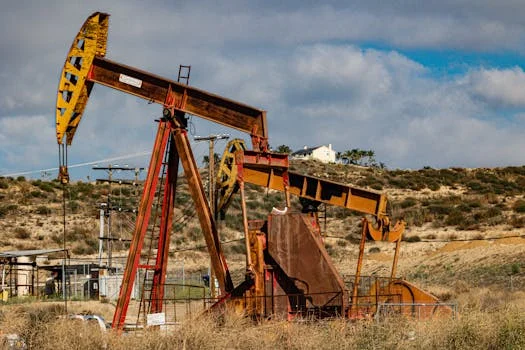
The total wastewater treatment plant cost in Saint Petersburg is typically segmented into several major components, with civil and structural works often representing the largest portion. Civil and structural costs account for 30–40% of the total capital expenditure, encompassing excavation, concrete foundations, and the construction of tanks, buildings, and specialized flood-resistant structures. For facilities in flood-prone areas like Saint Petersburg, elevated platforms and reinforced foundations can add $200–$500 per square meter, significantly impacting the initial outlay for wastewater treatment plant design.
Equipment costs constitute 40–50% of the total project budget and vary widely based on the required treatment level and specific contaminants. Key equipment includes primary treatment units like screens and grit removal, secondary biological reactors, and advanced tertiary systems. For industrial applications, specialized pretreatment units are often essential. For instance, a high-efficiency DAF system for industrial wastewater pretreatment to remove fats, oils, grease (FOG), and suspended solids can range from $50,000 to $300,000. Advanced nutrient removal often relies on MBR membrane bioreactor for nutrient removal and water reuse, with membrane costs alone ranging from $200,000 to over $1 million, depending on capacity. chemical dosing systems for pH adjustment, coagulation, and disinfection can add $20,000–$100,000 to the equipment budget, depending on automation and chemical storage needs.
Compliance and permitting costs typically absorb 10–15% of the total capital, covering Florida DEP and EPA permitting fees, environmental impact assessments, and specific upgrades required to meet stringent nutrient reduction standards. Finally, operational costs, while not part of the initial capital, are a crucial consideration, typically running 5–10% of the capital cost annually. These ongoing expenses include energy consumption (averaging 0.5–1.5 kWh/m³), chemical dosing, and periodic maintenance, such as membrane replacement for MBR systems every 5–7 years. These factors highlight the need for a comprehensive financial model when evaluating a wastewater treatment plant investment.
Compliance Costs in Saint Petersburg: Florida DEP and EPA Requirements
Meeting Florida DEP and EPA standards is a significant driver of the overall wastewater treatment plant cost in Saint Petersburg, often adding 10-15% to capital expenditures. Florida DEP’s 2025 nutrient reduction standards are particularly impactful, mandating total nitrogen (TN) levels below 3 mg/L and total phosphorus (TP) below 0.3 mg/L in discharged effluent. Achieving these stringent limits typically requires advanced treatment technologies beyond conventional secondary treatment, such as MBR systems, biological nutrient removal (BNR) processes, or tertiary filtration, which contribute substantially to the nutrient removal standards budget.
For industrial facilities, compliance extends to EPA’s National Pollutant Discharge Elimination System (NPDES) permit requirements. These permits dictate specific effluent limits for various pollutants, necessitating regular monthly monitoring, sampling, and reporting. The administrative and analytical costs associated with NPDES compliance can range from $10,000 to $50,000 per year, depending on the complexity of the discharge and the number of parameters monitored. Failure to comply can result in substantial fines, making proactive investment in robust treatment and monitoring systems a financial imperative.
Saint Petersburg’s coastal location and susceptibility to storm events introduce additional stormwater management requirements. Per Saint Petersburg Public Works 2024 guidelines, facilities must incorporate flood-resistant designs and retention basins, adding 20–30% to the project cost. A real-world example of this is the $700,000 flood barrier installation at the Southwest Wastewater Treatment Facility, explicitly designed to enhance resiliency and protect critical infrastructure from storm surges and flooding. These layers of regulatory and environmental demands collectively define the Florida DEP compliance costs for any wastewater treatment project in the region.
| Requirement | Description | Typical Additional Capital Cost | Typical Annual Operating Cost |
|---|---|---|---|
| Florida DEP Nutrient Reduction (2025) | TN < 3 mg/L, TP < 0.3 mg/L | 10–20% of capital (for MBR/BNR) | 5–10% of capital (energy, chemicals, membranes) |
| EPA NPDES Permit (Industrial) | Monthly monitoring, reporting, specific effluent limits | 2–5% of capital (specialized sensors, lab equipment) | $10,000–$50,000 (monitoring, lab analysis, reporting) |
| Stormwater Management/Resiliency | Flood-resistant designs, elevated equipment, retention basins | 20–30% of civil/structural costs | Minimal (maintenance of basins/barriers) |
ROI Analysis: How to Justify Your Wastewater Treatment Investment
A robust ROI analysis is crucial for justifying significant wastewater treatment investments, particularly for industrial facilities and municipal upgrades in Saint Petersburg. The financial benefits often outweigh the initial Saint Petersburg wastewater treatment cost by mitigating risks and creating new value streams. One primary area of cost savings stems from reduced fines for non-compliance. Saint Petersburg’s average fine for non-compliance with Florida DEP regulations can range from $10,000 to $50,000 per violation (Florida DEP 2024 data). A well-designed wastewater treatment plant significantly reduces the likelihood of such penalties, offering direct and quantifiable savings.
Operational efficiencies are another key component of industrial wastewater treatment ROI. For example, modern MBR systems are known to reduce sludge disposal costs by 30–50% compared to conventional activated sludge processes due to higher solids concentration and reduced sludge volume (EPA 2023 benchmarks). Energy-efficient equipment and optimized chemical dosing also contribute to lower ongoing operational and maintenance (O&M) expenses. advanced systems, such as an underground package sewage treatment plant for Saint Petersburg projects, can offer space savings and aesthetic benefits, which are indirect but valuable.
Beyond cost reduction, revenue opportunities from treated effluent reuse can significantly boost ROI. High-quality treated wastewater can be reused for irrigation, industrial cooling, or other non-potable applications, generating savings of $0.50–$2.00 per m³ that would otherwise be spent on potable water or discharge fees. This transforms a cost center into a potential revenue generator. The step-by-step ROI calculation framework helps consolidate these factors:
- Calculate Total Capital Cost: Sum all civil, equipment, compliance, and permitting expenses.
- Estimate Annual Operational & Maintenance (O&M) Costs: Include energy, chemicals, labor, and maintenance.
- Project Annual Savings from Reduced Fines: Based on historical non-compliance penalties.
- Quantify Annual Operational Efficiencies: e.g., sludge reduction, lower energy consumption.
- Estimate Annual Revenue from Effluent Reuse: Value of water saved or sold.
- Apply the ROI Formula: ROI = (Annual Savings + Revenue) / (Capital Cost + Annual O&M).
For industrial projects, a target ROI exceeding 15% annually is often considered a strong justification for investment, showcasing a clear path to long-term financial benefits.
| ROI Component | Description | Example Value (for 1,000 m³/day Industrial Plant) |
|---|---|---|
| Capital Cost (Initial Investment) | Equipment, civil works, permitting, installation | $2,500,000 |
| Annual O&M Costs | Energy, chemicals, labor, maintenance, membrane replacement | $200,000 |
| Annual Savings from Reduced Fines | Avoidance of Florida DEP/EPA penalties (e.g., 2 violations/year) | $50,000 |
| Annual Operational Efficiencies | Sludge reduction, energy savings (e.g., MBR vs. conventional) | $75,000 |
| Annual Revenue from Effluent Reuse | Value of treated water for irrigation/process (e.g., 500 m³/day @ $1/m³) | $182,500 |
| Total Annual Benefit | Savings + Revenue | $307,500 |
| Calculated ROI | (Total Annual Benefit) / (Capital Cost + Annual O&M) | ($307,500) / ($2,500,000 + $200,000) = 11.8% |
Frequently Asked Questions
How much does it cost to set up a sewage treatment plant in Saint Petersburg?
The cost to set up a wastewater treatment plant in Saint Petersburg ranges from $1,500–$5,000 per m³/day for municipal plants and $2,000–$5,000 per m³/day for industrial plants, including compliance upgrades for Florida DEP and flood protection. Larger capacities generally have a lower cost per m³/day.
Do wastewater treatment plants make money?
Yes, well-designed wastewater treatment plants can generate significant financial returns. This occurs through reduced fines for non-compliance, operational efficiencies (e.g., lower sludge disposal costs with MBR systems), and revenue or savings from treated effluent reuse for irrigation or industrial processes. ROI can exceed 20% annually for optimized systems.
What are the ongoing costs of a wastewater treatment plant?
Ongoing costs for a wastewater treatment plant typically amount to 5–10% of the initial capital costs annually. These expenses primarily cover energy consumption (0.5–1.5 kWh/m³), chemical dosing, labor, routine maintenance, and periodic replacement of components like MBR membranes (every 5–7 years).
How long does it take to build a wastewater treatment plant in Saint Petersburg?
The construction timeline for a wastewater treatment plant in Saint Petersburg varies. Municipal plants, due to their scale and extensive permitting, typically take 12–24 months. Industrial plants often have shorter timelines, ranging from 6–12 months, depending on the complexity of the treatment process and specific compliance requirements.
What are the most cost-effective technologies for nutrient removal?
For high-efficiency nutrient removal to meet Florida DEP standards, MBR systems are highly effective, offering superior effluent quality and reduced footprint. DAF systems are cost-effective for pretreatment, efficiently removing FOG and suspended solids. Chemical dosing systems are essential and cost-effective for precise pH adjustment, coagulation, and disinfection, complementing other treatment stages.
Further Reading

Explore these in-depth articles on related wastewater treatment topics: