
What is Turbidity and Why Does it Matter in Wastewater Effluent?
Turbidity meters are essential for monitoring wastewater effluent quality, measuring water clarity by detecting suspended particles. In industrial settings, these meters help ensure compliance with discharge standards, prevent process disruptions, and protect the environment, often measured in Nephelometric Turbidity Units (NTU) or Formazin Nephelometric Units (FNU).
Turbidity itself is a measure of the cloudiness or haziness of a fluid caused by a suspension of solid particles. These particles can range from fine silt and clay washed into waterways, to organic matter like algae and plankton, to industrial process byproducts. When discharged into receiving bodies of water, high turbidity can significantly impair aquatic ecosystems. Reduced light penetration due to suspended solids can inhibit photosynthesis for aquatic plants, disrupting the food chain. These particles can clog the gills of fish and other aquatic organisms, leading to suffocation. Beyond environmental concerns, excessively turbid effluent can also present aesthetic issues for downstream water users and may indicate potential health risks if the suspended solids are pathogenic.
For industrial facilities, monitoring turbidity in their wastewater effluent is not merely a best practice; it is a critical component of regulatory compliance. Discharge permits often stipulate maximum allowable turbidity levels to protect receiving waters. Exceeding these limits can result in significant fines, operational shutdowns, and reputational damage. Turbidity serves as a vital indicator of the effectiveness of upstream wastewater treatment processes. A sudden increase in effluent turbidity can signal a problem in settling tanks, filtration systems, or chemical treatment stages, allowing for prompt intervention before a compliance violation occurs or irreversible damage is done to downstream processes or the environment.
Understanding Turbidity Measurement Units: NTU vs. FNU
The precise measurement of turbidity is critical, and understanding the units used is paramount. The two most common units encountered in industrial wastewater monitoring are Nephelometric Turbidity Units (NTU) and Formazin Nephelometric Units (FNU). While both measure light scattering caused by suspended particles, they differ in their light source and thus their applicability to specific standards and sample types.
Nephelometric Turbidity Units (NTU) are typically measured using a white light source and a detector positioned at a 90-degree angle to the incident light beam. This method is widely recognized and compliant with standards such as the U.S. Environmental Protection Agency's (EPA) Method 180.1. NTU measurements are sensitive to a broad spectrum of particle sizes and are often used in drinking water and general wastewater applications where a broad particle size distribution is expected. For context, clean drinking water typically has turbidity values well below 1 NTU, while typical treated industrial wastewater effluent might range from 5 to 30 NTU, depending on the industry and treatment level.
Formazin Nephelometric Units (FNU), on the other hand, are measured using a specific wavelength of light, typically an 860 nm near-infrared (NIR) light, also with a 90-degree detector. This standard, often aligned with ISO 7027, offers advantages in certain industrial wastewater scenarios. The use of a monochromatic NIR light source can reduce interference from the color of the sample, which can be a significant issue in many industrial effluents, such as those from food processing or textile dyeing. This makes FNU measurements more stable and reliable in colored samples. Clean water might register less than 0.1 FNU, while industrial effluent could range from 10 to 100 FNU or higher.
The choice between an NTU or FNU meter often depends on the specific regulatory requirements governing the discharge and the characteristics of the wastewater itself. Some regulations may explicitly reference EPA Method 180.1 (NTU), while others may align with ISO standards (FNU). For industrial effluents with significant color, an FNU meter might provide more consistent and accurate readings. It's important to note that while the principles are similar, direct conversion between NTU and FNU is not always straightforward due to differences in light sources and particle scattering behavior across different wavelengths. Therefore, selecting a meter compliant with the relevant standard is crucial for accurate reporting and compliance.
| Measurement Unit | Light Source | Detector Angle | Common Standard Compliance | Typical Applications | Considerations |
|---|---|---|---|---|---|
| NTU (Nephelometric Turbidity Units) | White Light | 90° | EPA Method 180.1 | Drinking Water, General Wastewater, Broad Particle Size Distribution | Sensitive to sample color, widely accepted in US regulations. |
| FNU (Formazin Nephelometric Units) | Near-Infrared (e.g., 860 nm) | 90° | ISO 7027 | Industrial Effluent, Colored Samples, Applications Requiring Color Independence | Less affected by sample color, often preferred for industrial applications with colored discharges. |
Turbidity Meters in Industrial Wastewater Treatment: Applications and Considerations
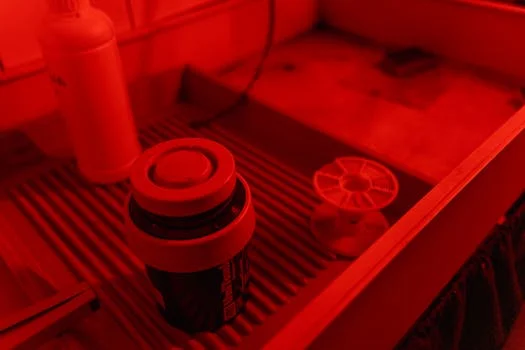
Turbidity meters are indispensable tools for real-time wastewater clarity monitoring across a spectrum of industrial operations. Their deployment can range from continuous in-line monitoring directly within effluent discharge pipes to periodic, portable analyses performed in the field. For large-scale industrial facilities, in-line turbidity meters offer the advantage of continuous data acquisition. Installed directly into the wastewater stream, these sensors provide a constant feed of turbidity readings, enabling immediate detection of deviations from normal operating parameters. This continuous oversight is crucial for processes where even short-term excursions in effluent quality can have significant consequences, such as in food and beverage plants where microbial contamination is a concern, or in chemical manufacturing where specific discharge limits for suspended solids must be met.
Conversely, portable turbidity analyzers are invaluable for their flexibility and ease of use in spot-checking and troubleshooting. Plant managers and environmental engineers can use these handheld devices to quickly assess turbidity at various points within the treatment process or to investigate the source of an elevated reading from an in-line meter. Their portability allows for rapid diagnostics, helping to pinpoint issues in sedimentation tanks, filter beds, or after chemical dosing stages without requiring extensive system shutdowns.
Selecting the appropriate turbidity meter for an industrial effluent application involves several key considerations. Accuracy is paramount, especially when regulatory compliance is tight. The measurement range must be sufficient to cover both normal operating conditions and potential upset scenarios. Material compatibility is essential to ensure the meter's components can withstand the corrosive or abrasive nature of the wastewater. Maintenance requirements should be factored in, as industrial environments can be harsh, and meters that are easy to clean and calibrate will minimize downtime. Finally, the meter must be robust enough to operate reliably under the specific environmental conditions it will face, including temperature fluctuations, pressure, and potential vibration.
Specific industrial sectors have unique turbidity monitoring needs. In the food and beverage industry, turbidity can indicate the presence of fats, oils, and suspended organic solids, impacting downstream biological treatment or product recovery. The pulp and paper industry often deals with high levels of suspended fibers and fillers, making turbidity a key indicator of process efficiency and effluent quality. Mining operations generate significant amounts of fine particulate matter, and controlling turbidity in their discharge is vital for protecting aquatic habitats. In chemical manufacturing, the nature of the suspended solids can vary widely, requiring careful selection of meter technology to ensure reliable readings. Turbidity readings can directly signal issues with coagulation and flocculation stages, indicating whether chemical dosages are optimal for particle aggregation, or if sedimentation processes are effectively removing these aggregated solids.
Proper calibration and maintenance are non-negotiable for accurate turbidity readings in demanding effluent streams. Regular calibration with certified standards ensures the instrument is reading correctly, while routine cleaning of the optical sensors prevents fouling by biofilms or accumulated solids, which can lead to falsely high readings. Neglecting these aspects can render even the most sophisticated meter inaccurate and unreliable.
Choosing the Right Turbidity Meter for Your Wastewater Effluent
Selecting the optimal turbidity meter for your industrial wastewater effluent requires a systematic approach, balancing performance needs with practical constraints. The first step in this decision-making framework involves defining the required accuracy. Are you aiming for precise compliance with strict discharge limits, or is a general indication of water clarity sufficient for process control? This will dictate the precision class of the meter needed.
Next, consider the measurement frequency. If continuous, real-time monitoring is essential for immediate process adjustments or compliance assurance, an in-line or process-style meter is necessary. For periodic checks, troubleshooting, or less critical monitoring points, a portable analyzer might suffice. The sample characteristics are also crucial. If your effluent contains a wide range of particle sizes, or if the particles are highly reflective or absorbent, certain meter technologies will perform better than others. The presence of color in the wastewater, as discussed previously, strongly influences the choice between NTU (white light) and FNU (NIR light) meters.
Environmental conditions at the monitoring site play a significant role. Factors like extreme temperatures, high humidity, potential for submersion, or the presence of corrosive chemicals will necessitate a meter with appropriate ruggedness and material construction. Finally, budgetary constraints must be considered. While advanced features and higher accuracy often come with a higher price tag, it's important to balance initial cost with long-term operational expenses, including maintenance, calibration, and potential downtime.
Different types of turbidity meters offer varying advantages for industrial effluent. Nephelometric meters (often measuring in NTU) are versatile and widely used. Ratio turbidimeters use multiple detectors and light sources to compensate for sample color and staining of the optics, offering improved stability in challenging samples. Backscatter meters measure light scattered backward from particles, which can be effective in highly turbid or opaque samples. For industrial effluent, a robust, industrial-grade meter with features such as digital outputs for SCADA integration, alarms, and potentially self-cleaning capabilities will offer the best long-term value. A water purification systems that can handle complex industrial wastewater streams often benefits from integrated, reliable turbidity monitoring.
| Meter Type | Primary Measurement Principle | Pros for Industrial Effluent | Cons for Industrial Effluent | Typical Applications |
|---|---|---|---|---|
| Nephelometric (e.g., NTU) | 90° light scatter (white light) | Widely accepted, good general performance, cost-effective. | Can be affected by sample color and staining; may require frequent cleaning. | General wastewater, drinking water, applications with moderate turbidity and color. |
| Ratio Turbidimeter | Multiple light sources/detectors (e.g., forward scatter, backscatter, transmitted light) | Compensates for color and optical fouling, improved stability in difficult samples. | Higher cost, more complex calibration. | Heavily colored or stained industrial effluents, applications requiring high stability. |
| Near-Infrared (NIR) (e.g., FNU) | 90° light scatter (860 nm NIR light) | Minimizes interference from sample color, excellent for colored industrial wastewater. | May be less sensitive to very small particles compared to white light in some cases. | Food & beverage, textile, chemical, and other industries with colored effluents. |
| Backscatter | Measures light scattered backward from particles | Effective in very high turbidity, opaque, or sludge-like samples. | Can be less sensitive to low turbidity; potential for interference from air bubbles. | Sludge dewatering, highly concentrated industrial waste streams. |
Integrating Turbidity Monitoring with Your Wastewater Treatment System
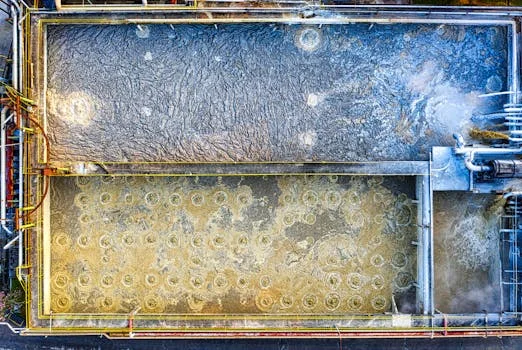
The data generated by turbidity meters is far more than just a compliance metric; it's a critical input for optimizing the entire wastewater treatment process. By understanding effluent turbidity in real-time, operators can make informed decisions that enhance efficiency and reduce operational costs. For instance, turbidity readings can directly inform the operation of chemical dosing systems. If turbidity levels spike, it may indicate insufficient coagulant or flocculant. Conversely, consistently low turbidity might suggest that chemical dosages can be reduced, saving on chemical expenses. Automated systems can use turbidity feedback to precisely control chemical addition, ensuring optimal particle aggregation and settling.
Turbidity monitoring also plays a vital role in advanced treatment stages, such as filtration or membrane processes. High turbidity in the feed water to a membrane bioreactor (MBR) or a microfiltration system can lead to premature membrane fouling, increased backwashing frequency, and reduced membrane lifespan. By monitoring turbidity before these sensitive stages, operators can ensure the water quality is within acceptable parameters, thereby protecting the integrity of expensive membrane assets. Similarly, if a dissolved air flotation (DAF) system is employed, turbidity measurements before and after the DAF unit can effectively gauge its performance in removing suspended solids and oils.
The integration of turbidity meters with Supervisory Control and Data Acquisition (SCADA) systems allows for seamless real-time process control and comprehensive reporting. Turbidity data can be logged, trended, and used to trigger alarms or automated adjustments. This digital integration provides a clear operational picture, enabling proactive management rather than reactive problem-solving. For example, a sudden increase in influent turbidity might trigger an alert, prompting operators to adjust upstream processes or chemical additions before the effluent turbidity exceeds limits. The performance of systems like DAF machines can be directly monitored and optimized using turbidity data, ensuring efficient removal of suspended solids. Consistent and reliable effluent turbidity monitoring is a cornerstone of meeting overall discharge permits and maintaining environmental stewardship.
Frequently Asked Questions about Turbidity Meters in Wastewater Effluent
How is turbidity measured in wastewater?
Turbidity in wastewater is measured using turbidity meters, which quantify the amount of light scattered or absorbed by suspended particles in the water. The most common methods are nephelometric (measuring 90-degree scattered light) and absorptiometric (measuring light transmitted through the sample).
What is the typical turbidity of treated wastewater effluent?
The typical turbidity of treated wastewater effluent varies significantly by industry and treatment level. For many municipal and well-treated industrial effluents, turbidity might be in the range of 5-30 NTU, but specific regulatory limits can be much lower, often below 10 NTU or even 1 NTU for sensitive receiving waters.
How many NTU are equivalent to 1 ppm of suspended solids?
There is no direct, universal conversion factor between NTU and parts per million (ppm) of suspended solids. The relationship is highly dependent on the size, shape, and refractive index of the suspended particles. While a rough correlation might exist for a specific water source and particle type, it is not a reliable standard for general use.
What are the key parameters to consider when selecting a turbidity meter for industrial effluent?
Key parameters include required accuracy, measurement range, sample characteristics (color, particle size), meter technology (NTU vs. FNU), material compatibility, environmental operating conditions, maintenance needs, and integration capabilities with SCADA systems.
How often should a wastewater turbidity meter be calibrated?
Calibration frequency depends on the meter's technology, the harshness of the environment, and regulatory requirements. For critical applications or demanding conditions, monthly calibration is common. For less critical uses or with highly stable instruments, quarterly calibration may suffice. However, always refer to the manufacturer's recommendations and any applicable regulatory guidelines.
Related Equipment

The following HydropureWater products are engineered for the wastewater challenges discussed above:
- water purification systems — view specifications, capacity range, and technical data
- chemical dosing systems — view specifications, capacity range, and technical data
- MBR systems — view specifications, capacity range, and technical data
- DAF systems — view specifications, capacity range, and technical data
Need a customized solution? Request a free quote with your specific flow rate and pollutant parameters.