High-Efficiency Sedimentation Tank Maintenance Guide: Industrial O&M Protocol
Effective maintenance of high-efficiency sedimentation tanks, particularly lamella clarifiers, is crucial for optimizing industrial wastewater treatment by ensuring consistent removal of suspended solids. This involves structured daily, weekly, and annual protocols, focusing on component integrity, sludge management, and chemical dosing systems to prevent common issues like reduced settling rates and excessive sludge volume.
Why High-Efficiency Sedimentation Tank Maintenance is Critical
Sedimentation tanks are foundational components in industrial wastewater treatment, responsible for separating suspended solids from liquids through gravitational settling. Particles, ranging from fine sand (>1,000 nm) which can settle in seconds to minutes, to colloids (1-1,000 nm) that might take weeks or even years to settle naturally, must be efficiently removed to protect downstream processes and ensure regulatory compliance (per Clearwater Industries, 2022). High-efficiency sedimentation tanks (HESTs), such as lamella clarifiers, significantly accelerate this process by utilizing inclined plates or tubes to create a much larger effective settling area within a compact footprint compared to conventional designs.
Neglecting the maintenance of these critical systems carries severe consequences for industrial operations. Poor maintenance directly leads to reduced settling rates, meaning more suspended solids remain in the effluent. This often results in increased sludge volume that still needs processing, higher chemical consumption to compensate for poor mechanical separation, and a greater risk of permit violations due to elevated effluent turbidity. Operationally, this can translate into costly downtime, premature wear on downstream equipment like filters and pumps, and a significant impact on overall wastewater treatment plant performance and efficiency.
Understanding Your High-Efficiency Sedimentation Tank (Lamella Clarifier)

High-efficiency sedimentation tanks operate on the principle of increasing the effective settling area within a smaller physical footprint. This is achieved by incorporating a series of inclined plates or tubes, which allow suspended solids to settle onto their surfaces and slide down into a sludge collection hopper, while clarified water rises between the plates.
Key components include the influent distributor, which ensures even flow distribution across the lamella plates/tubes to prevent hydraulic overloading and short-circuiting. The lamella plates themselves are the core of the separation process, providing the large surface area for particle settlement. Below these, the sludge collection hopper accumulates the settled solids, which are then removed by a sludge scraper or other removal mechanism. Clarified water exits through effluent launders, designed to collect the treated water uniformly. Integrated chemical dosing points introduce coagulants and flocculants to enhance particle aggregation, while sophisticated control systems monitor and regulate flow rates, chemical addition, and sludge withdrawal. Each component's proper function is vital for optimal solid-liquid separation and the consistent production of high-quality effluent from HydropureWater high-efficiency sedimentation tanks (lamella clarifiers).
Developing a Comprehensive Maintenance Schedule
Implementing a structured, industrial-grade maintenance schedule is paramount for ensuring the continuous high performance and longevity of high-efficiency sedimentation tanks. This proactive approach minimizes unexpected downtime and maintains optimal settling rates. A comprehensive maintenance schedule includes daily, weekly, monthly, and annual checks.
Daily Checks: Operators should conduct visual inspections for any abnormal flow patterns, such as localized turbulence or uneven distribution, which can indicate blockages or hydraulic imbalances. The sludge blanket level must be monitored to ensure it remains stable and does not rise excessively, indicating potential overloading or insufficient sludge withdrawal. Effluent clarity should be observed for any noticeable increase in turbidity. Mechanical scraper operation needs to be confirmed as smooth and free of unusual noises, which could signal wear or misalignment. Finally, the chemical dosing system functionality, including pump operation and tank levels, must be verified to ensure consistent and accurate chemical delivery.
Weekly Checks: These tasks focus on component integrity and cleanliness. Effluent launders and weir plates require cleaning to prevent algae growth or particulate buildup that could disrupt uniform overflow. Lamella plate surfaces should be visually inspected for visible fouling, biological growth, or blockages that impede settling. Sludge density and withdrawal rates must be checked and adjusted to maintain an optimal sludge blanket. If applicable, chemical dosing pumps should be calibrated to ensure precise coagulant and flocculant addition. All visible pipework should be inspected for leaks, corrosion, or physical damage.
Monthly Checks: A more thorough examination of mechanical and structural elements is required monthly. This includes inspecting all mechanical components such as motors, gearboxes, chains, and sprockets for wear, lubrication, and proper tension. The tank's structural integrity should be assessed for any signs of cracks, corrosion, or fatigue. Electrical connections and the control panel need to be checked for faults or loose wiring. Chemical mixing tanks and associated lines should be cleaned to prevent scale or precipitate buildup that can affect dosing accuracy, as detailed in our comprehensive chemical dosing system maintenance guide.
Annual Overhaul/Detailed Inspection: The annual maintenance involves a comprehensive shutdown and inspection. The tank should be drained and thoroughly cleaned, allowing for a detailed inspection of all internal surfaces. Lamella plates must be carefully inspected for wear, damage, severe fouling, or misalignment. Sludge scraper blades and the entire drive system require assessment for wear and proper function. The structural integrity of tank walls and baffles should be verified. All instrumentation, including level sensors and flow meters, must be calibrated for accuracy. Worn parts should be replaced as per manufacturer guidelines to ensure continued optimal performance.
A structured schedule for high-efficiency sedimentation tank maintenance:
| Frequency | Maintenance Task | Key Considerations |
|---|---|---|
| Daily | Visual inspection of flow patterns, effluent clarity, sludge blanket level | Look for turbulence, rising sludge, abnormal turbidity. |
| Daily | Verify mechanical scraper operation | Check for smooth movement, unusual noises, proper cycle. |
| Daily | Confirm chemical dosing system functionality | Check pump operation, tank levels, absence of leaks. |
| Weekly | Clean effluent launders and weir plates | Remove algae, debris; ensure uniform overflow. |
| Weekly | Inspect lamella plate surfaces for fouling | Check for biological growth, scaling, blockages. |
| Weekly | Check sludge density and adjust withdrawal rates | Optimize sludge blanket height and solids concentration. |
| Weekly | Calibrate chemical dosing pumps (if applicable) | Ensure precise coagulant/flocculant delivery. |
| Monthly | Inspect mechanical components (motors, gearboxes, chains) | Check for wear, lubrication, proper tension. |
| Monthly | Assess structural integrity (cracks, corrosion) | Examine tank walls, baffles, support structures. |
| Monthly | Inspect electrical connections and control panel | Check for loose wiring, corrosion, operational faults. |
| Monthly | Clean chemical mixing tanks and lines | Prevent scale buildup, ensure consistent chemical properties. |
| Annually | Drain, clean, and thoroughly inspect tank internals | Comprehensive assessment of all surfaces and components. |
| Annually | Inspect lamella plates for wear, damage, or severe fouling | Replace damaged plates, conduct deep cleaning. |
| Annually | Inspect sludge scraper blades and drive system | Replace worn blades, check alignment and lubrication. |
| Annually | Verify instrumentation accuracy | Calibrate level sensors, flow meters, turbidity probes. |
| Annually | Replace worn parts as per manufacturer guidelines | Proactive replacement to prevent failures. |
Key Component Maintenance Focus: Lamella Plates, Sludge Removal, and Dosing
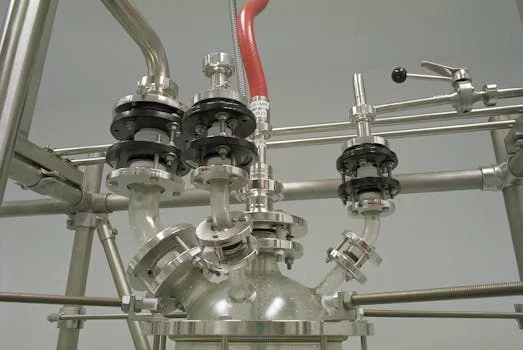
Maintaining the core components of a high-efficiency sedimentation tank is critical for optimal performance, directly impacting settling rates and effluent quality. Focusing on lamella plates, the sludge removal system, and chemical dosing integration ensures the system operates as designed.
Lamella Plates/Tubes: These inclined surfaces are the heart of the clarifier, providing the vast settling area. Fouling, caused by biological growth (biofilm), scaling from mineral precipitation, or particulate buildup, significantly reduces their efficiency. Regular inspection is vital to identify these issues. Cleaning methods include periodic backflushing, where clarified water is pumped upwards through the plates to dislodge settled material. For more severe fouling, the tank may need to be drained for manual scrubbing or pressure washing.
Sludge Removal System: An effective sludge removal system is essential to prevent solids accumulation that can re-entrain into the clarified effluent or lead to septic conditions. Maintenance involves regular inspection of scraper mechanisms, including chains, flights, motors, and gearboxes, for wear, corrosion, and proper lubrication.
Chemical Dosing System Integration: Precise coagulant and flocculant dosing is fundamental for optimal settling in high-efficiency sedimentation tanks. These chemicals aggregate fine particles into larger, heavier flocs that settle more rapidly. Maintenance of automatic chemical dosing systems includes regular calibration of pumps, cleaning of mixing tanks, and inspection of dosing lines to prevent blockages, chemical precipitation, or inaccurate delivery.
Common Operational Issues and Troubleshooting Guide
Addressing common operational issues promptly is crucial for maintaining the efficiency and compliance of high-efficiency sedimentation tanks. Proactive troubleshooting minimizes downtime and prevents escalation of problems.
- High Effluent Turbidity:
- Causes: Overloading the tank hydraulically, insufficient or improper chemical flocculation, short-circuiting of flow, or a rising sludge blanket.
- Diagnostic Steps: Verify influent flow rates against design capacity. Check chemical dosing rates and observe floc formation in the influent channel. Visually inspect for uneven flow patterns. Measure the sludge blanket level.
- Solutions: Reduce influent flow if overloaded. Optimize coagulant and flocculant dosages. Ensure influent distributors and baffles are clear and intact to promote uniform flow. Increase sludge withdrawal rates to lower the sludge blanket.
Performance Monitoring and Optimization Strategies

Effective performance monitoring is critical for data-driven decision-making, ensuring high-efficiency sedimentation tanks operate at their peak. Key Performance Indicators (KPIs) provide quantifiable metrics for assessing and improving system efficiency. Consistent collection and analysis of historical data for these KPIs are essential to identify trends, detect deviations from optimal performance, and predict potential issues before they become critical. Optimization strategies are then developed based on this data.
Safety Protocols for Sedimentation Tank Maintenance
Adhering to strict safety protocols during sedimentation tank maintenance is non-negotiable to protect personnel from potential hazards. Industrial wastewater environments often present risks that necessitate careful planning and execution. Confined space entry procedures are paramount for any work inside the tank. This requires proper permits, continuous ventilation, and monitoring for hazardous gases before and during entry.
Frequently Asked Questions
Addressing common queries about high-efficiency sedimentation tank maintenance enhances operational understanding and efficiency.
How often should high-efficiency sedimentation tanks be cleaned?
While daily visual checks and weekly minor cleanings are routine, a comprehensive draining and cleaning typically occurs annually during a scheduled overhaul to inspect internal components thoroughly.
Related Equipment
- HydropureWater high-efficiency sedimentation tanks (lamella clarifiers) — view specifications, capacity range, and technical data
- HydropureWater Integrated Water Purification System — view specifications, capacity range, and technical data
Need a customized solution? Request a free quote with your specific flow rate and pollutant parameters.