Understanding Wastewater Treatment Plant Costs in Nuevo León, Mexico
The cost of a wastewater treatment plant in Nuevo León, Mexico, varies significantly based on capacity, treatment technology, desired effluent quality, and site-specific conditions. Initial capital expenditure (CAPEX) can range from $150,000 for small package plants (1-10 m³/h) to several million dollars for large industrial or municipal facilities (e.g., the Dulces Nombres station has a capacity of 2,400 L/s). Operational costs (OPEX) are also critical, with electricity being a major factor, as seen with the Mty WWTP's annual electricity costs of over $5 million USD. Understanding these figures requires examining the regional economic context, where water scarcity and rapid industrialization drive the demand for high-efficiency systems.
Nuevo León faces unique geographic and infrastructure challenges that directly impact project budgeting. The state is a hub for manufacturing and heavy industry, yet it remains one of Mexico's most water-stressed regions. This scarcity has pushed the government and private sector toward ambitious infrastructure projects, such as the Dulces Nombres water station, which aims to contribute 2,400 L/s to the local supply. For investors, this means that simple discharge is rarely the goal; instead, water reuse and circular economy approaches are becoming the standard for new developments. These objectives necessitate more advanced treatment stages, which increase the initial investment but provide long-term security against water shortages.
Beyond the treatment units themselves, the condition of existing infrastructure in Nuevo León can introduce unexpected costs. Recent regional data indicates that many facilities must implement rigorous pipe repair programmes to refurbish aging assets, such as 300mm steel pipelines that have suffered from decades of corrosion. When planning a new wastewater treatment plant (WWTP), costs must account for the integration into the state’s collection network, managed by Servicios de Agua y Drenaje de Monterrey (SADM), which covers 98.4% of wastewater collection in the state. These "hidden" costs of connectivity and site preparation often represent 15% to 25% of the total CAPEX.
Key Factors Influencing WWTP Capital Expenditure (CAPEX) in Nuevo León
Capacity and hydraulic flow rate are the primary determinants of capital expenditure, with costs typically following a non-linear scale as plant size increases. While a small-scale facility for a residential development might require a modest investment, large-scale municipal projects like the Dulces Nombres expansion involve hundreds of millions of pesos in civil works and advanced machinery. In Nuevo León, industrial users often require plants capable of handling 500 to 5,000 m³/day, where the complexity of the influent—containing heavy metals or high chemical oxygen demand (COD)—requires more robust materials and specialized treatment trains than standard municipal sewage.
The choice of technology dictates the footprint and structural requirements of the facility. Conventional activated sludge (CAS) systems generally have lower equipment costs but require significant land and extensive concrete civil works. Conversely, advanced MBR wastewater treatment systems utilize membrane filtration to replace secondary clarifiers, reducing the physical footprint by up to 60%. While the membrane modules increase the equipment portion of the CAPEX, the savings in land acquisition and concrete structures can make MBR more competitive in the densely populated industrial corridors of Monterrey and Santa Catarina.
Infrastructure and material costs are also influenced by the regional market for steel and concrete. For example, the installation of a 300mm steel pipeline for influent or effluent transport involves significant labor and material expenses, particularly if the terrain requires specialized excavation. Regulatory compliance with Mexican Official Standards (NOMs) forces a specific level of technological sophistication. Meeting the stringent limits for discharge into national water bodies means that "off-the-shelf" solutions must often be customized with tertiary treatment stages, such as UV disinfection or advanced oxidation, adding to the initial procurement bill.
| Cost Component | Estimated CAPEX Share (%) | Primary Drivers in Nuevo León |
|---|---|---|
| Civil Works & Land | 30% - 45% | Excavation, concrete basins, and land prices in industrial parks. |
| Mechanical Equipment | 25% - 40% | Pumps, blowers, MBR membranes, and efficient sludge dewatering filter presses. |
| Electrical & Automation | 10% - 15% | SCADA systems, sensors, and power distribution for high-capacity motors. |
| Piping & Infrastructure | 10% - 20% | 300mm steel pipelines, valves, and connection to SADM networks. |
| Engineering & Permitting | 5% - 10% | Environmental impact assessments and NOM compliance certification. |
Operational Expenditure (OPEX) for Wastewater Treatment Plants in Mexico
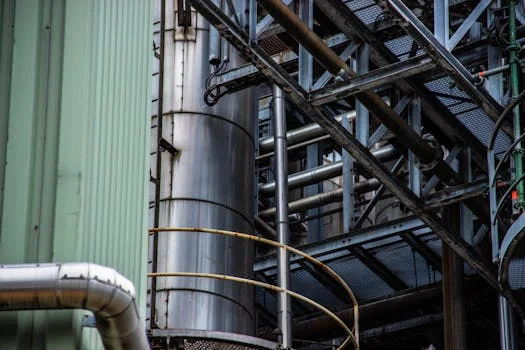
Electricity consumption is the single largest component of operational expenditure for wastewater treatment plants in Mexico, often accounting for 40% to 60% of the total monthly budget. Real-world data from the Monterrey (Mty) WWTP illustrates this impact: the facility previously faced annual electricity costs of approximately $5,710,000 USD. Through the implementation of private energy schemes and higher-efficiency equipment, these costs can be reduced to $3,385,000 USD annually. For a B2B decision-maker, this highlights the necessity of investing in high-efficiency blowers and automated control systems that can adjust power usage based on real-time flow and organic load.
Chemical costs and sludge management represent the next tier of ongoing expenses. Depending on the influent characteristics, plants may require significant volumes of coagulants, flocculants, and pH adjusters. In industrial sectors like automotive or food processing, chemical dosing is critical for pretreatment. The handling of biological or chemical sludge is a major logistical expense. Utilizing a comprehensive guide to sludge press equipment costs can help managers understand how increasing the "dryness" of the sludge cake can exponentially reduce transportation and disposal fees at authorized landfills in Nuevo León.
Labor and maintenance are frequently underestimated in the initial ROI calculation. While modern plants are highly automated, they still require skilled technicians for membrane cleaning, pump seals replacement, and sensor calibration. A proactive maintenance schedule, such as the pipe refurbishment programs seen in northern Mexico, prevents catastrophic failures in 300mm steel pipelines that can lead to environmental fines and production downtime. Finally, the shift toward water reuse allows companies to offset OPEX by reducing their reliance on expensive municipal water supplies, effectively turning the WWTP from a cost center into a resource recovery facility.
| OPEX Category | Annual Cost Range (USD) | Optimization Strategies |
|---|---|---|
| Energy (Electricity) | $50,000 - $5,000,000+ | VFDs on blowers, high-efficiency motors, and private power purchase agreements. |
| Chemical Consumables | $10,000 - $250,000 | Precision dosing systems and real-time influent monitoring. |
| Sludge Disposal | $15,000 - $300,000 | High-pressure filter presses to reduce sludge volume by 70-80%. |
| Labor & Maintenance | $30,000 - $500,000 | Remote monitoring and scheduled replacement of wear parts (seals, membranes). |
| Compliance Testing | $5,000 - $40,000 | In-house lab equipment for daily monitoring of BOD, COD, and TSS. |
Choosing the Right Wastewater Treatment Technology for Nuevo León
Selecting a treatment technology requires balancing capital constraints with the long-term operational realities of the Nuevo León region. For smaller applications, such as boutique hotels, residential complexes, or localized industrial sites with flows between 1 and 80 m³/h, compact WSZ Series package plants offer a high ROI. These systems are typically buried or containerized, which minimizes land use and reduces the civil works portion of the CAPEX. They are particularly effective for meeting standard discharge requirements without the need for a full-time engineering staff on-site.
For industrial facilities requiring high-quality process water or those looking to implement water reuse, Membrane Bioreactor (MBR) systems are the preferred choice. MBR technology combines biological treatment with membrane filtration, producing an effluent that is virtually free of suspended solids and pathogens. While the initial cost of an MBR system is higher than a CAS system, the ability to reuse the treated water for cooling towers or irrigation can significantly offset the industrial RO system cost pricing and ROI by providing a consistent, high-quality feed water source. This is a critical advantage in the water-scarce environment of northern Mexico.
Pre-treatment is another area where technology choice impacts the total lifecycle cost. Dissolved Air Flotation (DAF) systems are essential for industries dealing with high levels of oil, grease, or suspended solids (FOG). By removing these contaminants before they reach the biological stage, a DAF unit protects more expensive downstream equipment like MBR membranes from fouling. Additionally, integrating an automatic chemical dosing system ensures that the DAF operates at peak efficiency, preventing the waste of expensive polymers and coagulants. For a detailed comparison of initial investments, refer to a detailed breakdown of buried wastewater treatment system costs to see how different configurations impact the bottom line.
A sound decision framework for Nuevo León investors should follow these criteria:
- Influent Quality: High COD or FOG requires DAF and robust biological stages.
- Effluent Requirements: Discharge to sewers (NOM-002) is cheaper than discharge to rivers (NOM-001) or reuse.
- Available Footprint: Limited space in industrial parks favors MBR or package plants.
- Budget Structure: High CAPEX/Low OPEX (MBR) vs. Low CAPEX/High OPEX (CAS).
Navigating Regulations and Financing for WWTP Projects in Nuevo León

Compliance with Mexican environmental regulations is a non-negotiable factor that dictates both the design and the cost of any wastewater project. The primary standard, NOM-001-SEMARNAT-1996 (and its updated iterations), sets the maximum permissible limits for contaminants in wastewater discharged into national waters. In Nuevo León, the Servicios de Agua y Drenaje de Monterrey (SADM) enforces these standards strictly. Because SADM has high service coverage—99.6% for water and 98.4% for collection—most industrial projects must also navigate the specific municipal requirements for discharging into the public sewer system, known as NOM-002-SEMARNAT-1996.
Financing for these projects has evolved from simple public procurement to complex public-private partnerships (PPPs) and private investment models. As seen in the Mty WWTP example, private companies often step in to manage specific utilities (like electricity supply or sludge processing) to drive down costs through specialized expertise. For private investors, Nuevo León offers various incentives for projects that incorporate water reuse, as these alleviate the strain on the state's over-allocated aquifers. These incentives, combined with the potential to reduce water procurement costs, make high-efficiency wastewater treatment a financially viable investment rather than just a regulatory burden.
Frequently Asked Questions About Wastewater Treatment Plant Costs in Nuevo León
How much does it cost to build a wastewater treatment plant in Nuevo León?
Costs range from $150,000 USD for small package plants to over $10 million USD for large-scale industrial or municipal facilities. The price is heavily influenced by the capacity (measured in m³