Why Industrial Water Footprint Reduction Matters
Industrial water footprint reduction typically cuts freshwater intake by 30–60% when plants combine closed-loop reuse, process optimization, and staged treatment. Payback often falls between 1.4 and 1.7 years for 100 m³/h DAF, MBR, or RO trains when water costs about $2.00/m³. Equipment choice follows wastewater load: high TSS favors DAF, reuse-quality effluent favors MBR, and ultra-pure makeup favors RO.
Global water demand is projected to outstrip supply by 40% by 2030, while industries already withdraw about 22% of freshwater (UN Water 2024, World Bank 2025). Facility managers also face roughly $425 billion in annual production losses tied to water scarcity (CDP Water Report 2024). A textile plant in Vietnam cut water use 45% and saved $1.2 million per year after installing an MBR system for near-reuse-quality effluent.
Regulatory pressure is rising alongside scarcity. The EPA’s 2025 WaterSense Industrial Program sets efficiency benchmarks for high-consumption sectors. China’s Water Ten Plan targets a 30% cut in industrial water use by 2025. ESG buyers increasingly ask for net-positive water balance before awarding contracts, so procurement teams treat water reduction as a resilience and market-access issue, not only an environmental KPI.
7 Proven Strategies to Cut Industrial Water Use
Industrial plants cut water demand most reliably when they stack process controls with treatment upgrades. The seven strategies below list savings ranges under the operating conditions reported for each case, plus the equipment most plants actually specify. Together they form the practical playbook for footprint reduction beyond a single unit operation.
| Strategy | Water Savings Potential | Key Technologies | Ideal Use Case |
|---|---|---|---|
| Closed-loop water systems | 2,000–5,000 m³/year (mid-sized plant) | Heat exchangers, filtration, chemical dosing | Manufacturing plants with high process water demand |
| Water reuse and recycling | Up to 95% recovery | MBR, RO, ultrafiltration | Industries requiring near-potable reuse (e.g., food/beverage, pharma) |
| Process optimization (CIP systems) | 30–50% reduction | Automated CIP skids, flow restrictors | Food/beverage, dairy, and chemical processing |
| Cooling tower efficiency | 20–30% reduction in blowdown | Side-stream filtration, chemical treatment | Power plants, refineries, data centers |
| Sludge dewatering | Reduces wastewater volume by 70–90% | Plate-and-frame filter presses, belt presses | Municipal and industrial sludge treatment |
| Leak detection | 10–15% reduction in water loss | IoT sensors, AI monitoring | All industries with aging infrastructure |
| Rainwater harvesting | 5,000–50,000 m³/year | Industrial-scale storage, first-flush diverters | Non-potable uses (e.g., cooling, irrigation, cleaning) |
1. Closed-Loop Water Systems
Closed-loop systems recirculate process water and can cut demand by up to 60% when heat recovery and filtration stay online. A mid-sized electronics plant in Taiwan saved 4,200 m³/year by integrating heat exchangers and ultrafiltration into rinse loops. Most plants we size for closed rinse water run at the lower end of that savings band until operators stabilize chemistry.
- Heat recovery: Reuse thermal energy from process water to reduce heating and cooling loads.
- Filtration: Multi-stage filtration (sand filters plus cartridge filters) to remove suspended solids before reuse.
- Chemical dosing: Automated pH control and corrosion inhibitors to keep recirculated water stable.
Where solids loading is high before the loop, a High-Efficiency Sedimentation Tank (Lamella Clarifier) often sits upstream of the filters so cartridges last longer. For a detailed design walkthrough, see the closed-loop water system design guide for manufacturing plants.
2. Water Reuse and Recycling
Advanced treatment trains can deliver near-potable reuse at 90–95% recovery when pretreatment matches the waste stream. A chemical plant in Germany cut freshwater intake by 80% with a hybrid DAF system plus MBR train. Technology roles break down as follows:
- MBR systems: Combine biological treatment with membrane filtration and produce effluent with <1 μm particle size.
- Reverse osmosis (RO): Reach about 95% recovery for ultra-pure uses such as semiconductor rinse water.
- Ultrafiltration: Remove bacteria and viruses for non-potable reuse such as cooling-tower makeup.
3. Process Optimization (CIP Systems)
Clean-in-place (CIP) systems often account for 20–30% of water use in food and beverage plants. Automated flow restrictors and recirculation loops can cut that share by 30–50% when rinse endpoints are instrumented. A dairy plant in California reduced CIP water use by 40% after switching to a single-use detergent scheme and tightening rinse cycles. If rinse return still carries grit or coagulated solids, clarifying that stream before recycle protects nozzles and heat exchangers.
4. Cooling Tower Efficiency
Cooling towers commonly consume 30–50% of site water in heavy industry. Side-stream filtration plus controlled chemical dosing can cut blowdown by 20–30% when cycles of concentration rise without scaling. A refinery in Texas saved 150,000 m³/year after installing a side-stream filter to remove suspended solids and lower makeup demand.
5. Sludge Dewatering
Sludge dewatering reduces wastewater volume by 70–90% and lowers hauling cost in the same proportion when cake dryness improves. Plate-and-frame filter presses typically reach 25–40% cake dryness, versus 18–22% for belt presses (HydropureWater product specs). A municipal plant in Ohio cut sludge volume by 85% with a plate-and-frame press and saved about $250,000/year in hauling.
6. Leak Detection
Leaks often waste 10–15% of industrial water on aging sites. IoT acoustic sensors and AI trend tools can flag losses in hours instead of months. A pulp and paper mill in Canada found 12 hidden leaks with acoustic sensors and saved 3,000 m³/month. Fix the largest meter imbalances first; most plants recover the monitoring cost from the first two or three major finds.
7. Rainwater Harvesting
Industrial-scale rainwater harvesting can supply 5,000–50,000 m³/year for non-potable duty when roof and yard catchment are large enough. A car plant in Mexico installed a 200,000-liter storage system and cut municipal water use by 20%. First-flush diverters and UV disinfection keep that water usable for cooling, irrigation, and washdown without sending it through the process train.
Stack these seven levers in order of payback: leaks and CIP usually move first, then cooling and closed loops, then capital treatment for reuse.
DAF vs. MBR vs. RO: Which System Delivers the Best Water Savings?
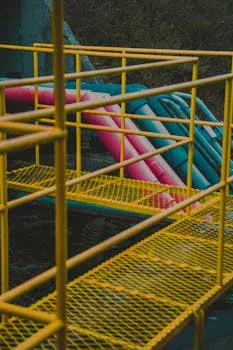
Treatment selection for water savings depends on wastewater solids, reuse targets, and budget. Dissolved air flotation (DAF), membrane bioreactors (MBR), and reverse osmosis (RO) cover the three most common industrial reuse paths, with the efficiency and cost bands below.
| Parameter | DAF System | MBR System | RO System |
|---|---|---|---|
| Efficiency (TSS removal) | 92–97% | 99.9% (biological + membrane) | 99% (for dissolved solids) |
| Effluent Quality | Suitable for discharge or further treatment | Near-reuse quality (<1 μm) | Ultra-pure (conductivity <10 μS/cm) |
| Footprint | Moderate (4–300 m³/h capacity) | 60% smaller than conventional systems | Compact (10–200 m³/h) |
| CAPEX ($/m³/h) | $50–$200 | $100–$300 | $80–$250 |
| OPEX ($/m³) | $0.10–$0.30 | $0.20–$0.50 | $0.15–$0.40 |
| Ideal Use Case | High-TSS wastewater (e.g., food processing, pulp/paper) | Reuse-quality effluent (e.g., pharma, electronics) | Ultra-pure water (e.g., semiconductor, power plants) |
DAF Systems: Best for High-TSS Wastewater
DAF units remove total suspended solids at 92–97% when air saturation and chemical dose match the load. Food processing and pulp/paper plants use them when oil, grease, and fine solids dominate. The HydropureWater DAF line covers 4–300 m³/h and sits about 30% smaller than conventional clarifiers at the same hydraulic rate.
How does MBR cut plant footprint?
MBR trains cut civil footprint by about 60% versus conventional activated sludge while producing reuse-quality effluent below 1 μm. That dual gain answers most MBR sizing questions from plant engineers: less tankage and less freshwater makeup. Effluent suits cooling towers, irrigation, or process water where discharge limits are tight, such as pharma and electronics. The HydropureWater MBR system is sized for that reuse path when operators want one biological-membrane package instead of separate clarification and tertiary filters.
RO Systems: Best for Ultra-Pure Water
RO removes dissolved solids and can reach about 95% recovery when pretreatment protects the membranes. Semiconductor and power plants need permeate conductivity below 10 μS/cm for critical makeup. The HydropureWater RO system spans 10–200 m³/h and uses energy recovery devices to hold OPEX in the $0.15–$0.40/m³ band listed above.
Hybrid Systems: Combining Technologies for Maximum Reuse
Hybrid trains such as DAF + MBR or MBR + RO often recover 80–90% of process water when each stage protects the next. A chemical plant in the Netherlands cut freshwater intake by 85% with DAF pretreatment, MBR biology, and RO polishing. Where settleable solids are high before DAF or membranes, pairing flotation with a High-Efficiency Sedimentation Tank (Lamella Clarifier) lowers membrane fouling risk and keeps recovery near the top of that 80–90% range.
Cost-Benefit Analysis: ROI of Industrial Water Savings Projects
Water reduction projects return cash when avoided water purchase, sewer fees, and downtime exceed OPEX. For a 100 m³/h plant, modeled payback runs 1.4–1.7 years across DAF, MBR, and RO under the CAPEX and savings figures below.
| System | CAPEX ($) | OPEX ($/year) | Annual Savings ($/year) | Payback Period (years) |
|---|---|---|---|---|
| DAF System | $150,000 | $30,000 | $120,000 | 1.5 |
| MBR System | $250,000 | $50,000 | $200,000 | 1.7 |
| RO System | $200,000 | $40,000 | $180,000 | 1.4 |
ROI Calculation Template
Plant engineers can screen options with one formula before detailed bids arrive.
Payback Period (years) = CAPEX / (Annual Savings – Annual OPEX)
Example for a 100 m³/h MBR system:
- CAPEX: $250,000
- Annual Savings: $200,000 (based on $2.00/m³ water savings)
- Annual OPEX: $50,000
- Payback Period: $250,000 / ($200,000 – $50,000) = 1.7 years
Hold the $2.00/m³ assumption against your actual water-plus-sewer tariff. Sites above that rate usually beat the table; sites far below need reuse value or discharge-limit risk to justify the same CAPEX.
Incentives and Rebates
Public programs can offset CAPEX when projects document water savings. Common examples cited by project teams include:
- EPA WaterSense: Rebates for water-efficient equipment (up to 50% of CAPEX).
- California’s SWRCB: Grants for water reuse projects (up to $3 million per facility).
- EU Horizon Europe: Funding for circular water projects (up to €5 million).
Regulatory and Compliance Considerations for Water Intensity Programs
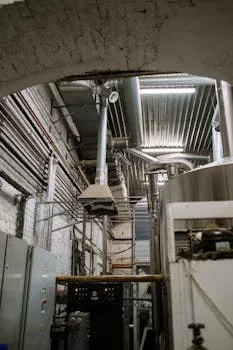
Water accounting frameworks now sit next to discharge permits in many RFPs. The table summarizes the main regimes industrial sites track when they report water intensity or reuse rates.
| Regulation | Key Requirements | Industries Affected |
|---|---|---|
| EPA WaterSense Industrial Program (2025) | Water efficiency benchmarks for high-consumption sectors | All industries |
| EU Industrial Emissions Directive (2010/75/EU) | Mandates water reuse for high-consumption industries | Chemical, textile, food/beverage |
| China’s Water Ten Plan | 30% reduction in industrial water use by 2025 | All industries |
| ISO 14046 | Water footprint assessment standards | All industries |
Local Regulations: Case Study on Pennsylvania
Pennsylvania sets some of the stricter U.S. industrial discharge limits, with total dissolved solids (TDS) caps as low as 500 mg/L for certain sectors. Plants facing that ceiling usually need RO or equivalent desalting after solids removal. For permit context and system choices, see the Pennsylvania wastewater treatment regulations and system cost guide.
Selection Checklist Before You Capex a Reuse Train
Use this short checklist before locking equipment size or CAPEX:
- Measure current intake, sewer volume, and true unit water cost ($/m³ including sewer).
- Characterize peak TSS, oil and grease, COD, and TDS under production swings.
- Define reuse quality: cooling makeup, CIP, or ultra-pure process water.
- Match primary solids removal (DAF and/or lamella clarification) to membrane risk.
- Model payback with your tariff, not generic $2.00/m³ assumptions alone.
- Confirm local discharge caps (for example TDS 500 mg/L in strict U.S. basins).
- Check available rebates before freezing the CAPEX envelope.
Who This Is For / Who Should Look Elsewhere / Next Step
This guide is for plant engineers, EPC contractors, and procurement managers sizing industrial reuse or water-intensity cuts with DAF, MBR, or RO. It is not a municipal drinking-water design manual, and it will not replace a site mass balance. If you already have flow and lab data for a 4–300 m³/h train, request a scoped proposal through our industrial water reuse project inquiry form so sizing matches your load sheet.
Frequently Asked Questions
How to reduce industrial water use?
Reduce industrial water use by closing rinse loops (about 2,000–5,000 m³/year on mid-sized plants), raising CIP efficiency 30–50%, and adding reuse trains such as MBR or RO at up to 95% recovery. Leak detection typically recovers another 10–15% of lost volume. Rainwater harvesting can add 5,000–50,000 m³/year for non-potable duty when catchment area is large.
What are the 3 R's of water conservation?
The 3 R's are Reduce, Reuse, and Recycle. Reduce means less water per unit of product through CIP and cooling controls. Reuse means treating effluent for cooling or washdown. Recycle means polishing wastewater to near-process quality with MBR or RO so it re-enters production.
What industry is one of the largest water polluters?
The textile industry is among the largest industrial water polluters, with about 93 billion m³/year of water use and dye-laden discharges. Plants cut both load and intake 40–60% when they add solids and color pretreatment such as DAF systems for TSS removal ahead of biological or membrane stages. Discharge permits then become achievable without full freshwater dilution.
How to stop factories from polluting the water?
Factories cut water pollution by installing pretreatment for TSS and oils, then polishing with MBR or RO toward near-zero liquid discharge where permits demand it. Closed-loop rinse water removes many loads before they reach the sewer. Third-party audits against EPA WaterSense-style benchmarks help keep the program funded after the first project year.
Does MBR reduce equipment footprint and water use?
Yes. MBR packages typically occupy about 60% less civil footprint than conventional activated sludge while producing <1 μm reuse-quality effluent. That effluent supports cooling or process reuse and can cut freshwater intake sharply when paired with good pretreatment. Pharma and electronics plants choose MBR when both plot space and reuse quality are constrained.
Further Reading
Explore these in-depth articles on related wastewater treatment topics: