Industrial wastewater treatment in New Orleans requires systems that remove oils, solids, and contaminants to meet municipal discharge standards. Facilities handling high-load wastewater can reduce costs by 40–60% using on-site DAF or MBR systems, avoiding $200–$500 per haul truck—critical given the city’s 1,600-mile sewer network and strict pretreatment rules.
Understanding Industrial Wastewater in New Orleans
Industrial wastewater in New Orleans is categorized by its concentration of fats, oils, and grease (FOG), total suspended solids (TSS), and chemical oxygen demand (COD), which vary significantly between the city’s food processing plants and heavy manufacturing sectors. The Sewerage & Water Board of New Orleans (SWBNO) manages a complex 1,600-mile sanitary sewer system. While this network collects industrial discharge, the city enforces strict pretreatment standards under EPA mandates and local Sewer Use Ordinances. These regulations are designed to prevent the accumulation of "fatbergs" in the aging infrastructure and to protect the Mississippi River and Lake Pontchartrain from toxic bypass events. For a facility engineer, recognizing that industrial wastewater is a legal liability until it meets these benchmarks is the first step in operational planning.Non-compliance in the New Orleans district is a high-stakes risk. Under federal and local guidelines, violations of discharge permits can result in fines reaching $25,000 per violation, per day. Beyond financial penalties, the city has the authority to issue mandatory system upgrades or cease-and-desist orders that can halt production lines. According to recent regulatory data, the most frequent citations stem from pH imbalances and excessive FOG levels, often caused by undersized grease traps or failing chemical dosing pumps. For facilities in the medical, food, and energy sectors, maintaining a compliant effluent stream is as critical to the bottom line as the production process itself.
Key Treatment Technologies for Industrial Facilities
Dissolved Air Flotation (DAF) systems remain the primary technology for New Orleans facilities needing to reduce high organic loads before discharging into the municipal sewer system. A high-efficiency DAF system for FOG and solids removal works by injecting pressurized air into the wastewater stream, creating micro-bubbles that attach to suspended particles. These particles float to the surface as a thickened sludge blanket, which is then mechanically skimmed off. (HydropureWater field data, 2025) indicates that DAF units can achieve 90–95% removal efficiency for FOG and 85–90% for TSS, handling flow rates ranging from 4 m³/h for small processors to over 300 m³/h for large-scale industrial sites.For facilities requiring higher effluent purity—either for reuse in cooling towers or to meet the most stringent "near-zero" discharge permits—Membrane Bioreactor (MBR) technology is the preferred choice. A compact MBR system for high-quality effluent combines biological degradation with membrane filtration, filtering out particles as small as 0.03 μm. This technology is particularly advantageous for New Orleans industrial sites with limited real estate, as MBR systems typically require a 60% smaller footprint than conventional activated sludge plants while producing effluent that exceeds municipal standards.
Consistency in treatment depends largely on the precision of chemical dosing. Industrial loads are rarely static; a food processing plant may see a 300% spike in COD during sanitation cycles. Automatic chemical dosing systems equipped with PLC (Programmable Logic Controller) technology monitor real-time pH and turbidity, adjusting the injection of coagulants and flocculants to maintain equilibrium. This automation eliminates the human error associated with manual dosing, ensuring that every gallon discharged into the city’s network remains within the legal pH range of 6.0 to 9.0.
| Technology Type | Primary Contaminants Removed | Removal Efficiency | Typical Footprint | Best Use Case |
|---|---|---|---|---|
| DAF (Dissolved Air Flotation) | FOG, TSS, Insoluble BOD | 90–95% FOG | Medium | Food processing, metal finishing |
| MBR (Membrane Bioreactor) | BOD, COD, Bacteria, Micro-solids | 99% Bacteria | Small (Compact) | High-strength organic waste, reuse |
| Chemical Dosing Systems | pH correction, dissolved metals | N/A (Process aid) | Very Small | Pre-treatment stabilization |
| Underground Package Plants | General sewage, TSS, BOD | 85–90% BOD | Zero (Sub-surface) | Space-constrained urban sites |
In-House vs. Outsourced Treatment: Cost and Compliance Trade-Offs
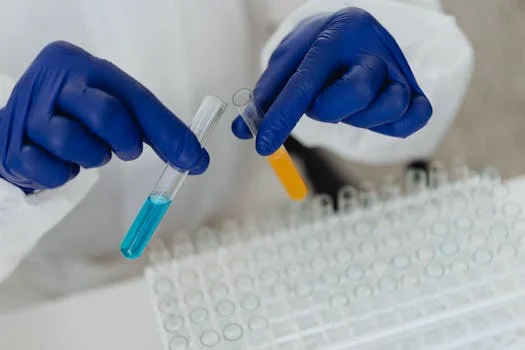
Outsourced services, while requiring lower upfront capital, carry significant hidden risks and escalating costs. Standard third-party grease trap maintenance and grit removal services in the region often charge a base fee of $300–$800 per month, but these costs escalate rapidly during emergency pump-outs or when heavy rains cause system backups. relying on a third party means the facility loses control over its compliance documentation. If a hauler fails to report accurately or disposes of waste improperly, the generator (the industrial facility) remains legally responsible under "cradle-to-grave" environmental laws.
In contrast, in-house systems provide automated data logging, which is essential for defending against municipal audits. Modern package plants allow facility engineers to monitor effluent quality in real-time via mobile or desktop interfaces. This level of control is particularly valuable when evaluating a 2025 cost analysis for modular treatment systems, which shows that the integration of smart sensors has reduced the labor hours required for system oversight by nearly 40% compared to decade-old technology.
| Factor | In-House Treatment (DAF/MBR) | Outsourced Hauling Services |
|---|---|---|
| Upfront CAPEX | $50,000 – $250,000+ | $0 |
| Monthly OPEX | Low (Chemicals & Power) | High ($2,000 – $6,000+) |
| Compliance Control | High (Automated monitoring) | Low (Reliance on hauler) |
| ROI Period | 2–3 Years | N/A (Perpetual Expense) |
| Risk of Fines | Minimized via real-time alerts | Moderate (Sampling variability) |
Designing a Compliant System for New Orleans Facilities
Compliance with the Sewerage & Water Board of New Orleans (SWBNO) requires industrial discharge to maintain a pH between 6.0 and 9.0 and a maximum FOG concentration of 100 mg/L. These local rules are built upon the EPA Pretreatment Standards (40 CFR Part 403), which mandate that industrial users must not discharge pollutants that interfere with municipal treatment plant operations or pass through untreated into the environment. For engineers, this means the design must account for "worst-case" influent scenarios, such as batch dumps or seasonal production peaks. Space is a premium in New Orleans, especially in the historic and industrial corridors near the river. To solve this, many facilities are opting for a fully automated underground package plant. These systems utilize the WSZ series design, which can be buried beneath parking lots or green spaces, leaving the surface available for logistics or landscaping. This approach not only meets strict city zoning codes regarding aesthetic impact but also provides a natural barrier for noise and odor control—two major factors in maintaining positive relationships with neighboring commercial zones.The final stage of a compliant system must address biological safety and chemical stability. Integrating an automated chemical dosing unit ensures that the effluent is neutralized before it hits the city's 1,600-mile sewer network. for facilities in the healthcare or food sectors, a high-performance chlorine dioxide generator provides essential disinfection, eliminating pathogens that could otherwise lead to permit violations. By combining these modular components, New Orleans facilities can create a "defense-in-depth" treatment strategy that protects both the environment and the company's operational license.
Frequently Asked Questions
What is industrial wastewater called?
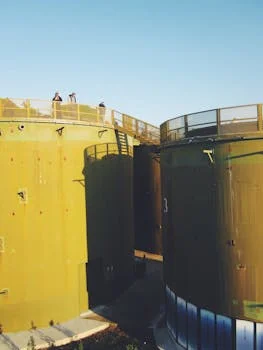
In a regulatory context, industrial wastewater is often referred to as process wastewater, trade effluent, or non-domestic wastewater. It is defined as any water that has come into contact with raw materials, products, or waste during manufacturing, processing, or cleaning operations.
Where does industrial wastewater go in New Orleans?
Industrial wastewater typically flows into the city’s 1,600-mile sanitary sewer system. From there, it is transported to centralized municipal treatment plants, such as the East Bank or West Bank facilities, where it undergoes final treatment. However, it must meet strict pretreatment standards before entering this system.
How much does an industrial wastewater treatment system cost?
Costs vary by capacity. A small-scale DAF system for a local food processor may start around $50,000. Full-scale, automated MBR plants for heavy industrial use generally range from $200,000 to over $1 million, depending on the volume of flow and the degree of automation required.
Can I install a wastewater system underground in New Orleans?
Yes. Fully automated underground package plants (such as the WSZ series) are a common solution in New Orleans to save space. These systems are designed to handle the region's high water table and are permitted for use under city zoning and building codes.
What’s the most efficient system for FOG removal?
Dissolved Air Flotation (DAF) is considered the industry standard for FOG removal. These systems consistently achieve 90–95% removal efficiency, making them the most reliable choice for central kitchens, food processing facilities, and industrial laundries in New Orleans.