Modular Sewage Treatment System Maintenance Guide: Industrial 12-Step O&M Protocol
A modular sewage treatment system should be inspected monthly and serviced every 3–6 months, depending on load, with mechanical components like blowers and pumps checked quarterly. For MBR-based systems, membrane cleaning is required every 7–14 days to prevent fouling. Unlike residential septic tanks, which are pumped every 3–5 years, industrial modular units demand proactive, data-driven maintenance to sustain >95% COD removal and comply with local discharge limits.
Why Maintenance Matters for Modular Systems
Industrial modular systems handle 5–100 times the organic and hydraulic load of residential septic tanks, making failure a direct catalyst for production shutdowns. The wastewater stream in a manufacturing environment is often concentrated with chemicals, oils, or high-strength organic matter that can overwhelm biological processes if not strictly monitored. According to HydropureWater field data (2025), untreated effluent from a neglected system can quickly violate local regulations, with Chemical Oxygen Demand (COD) exceeding 500 mg/L, leading to regulatory fines that reach up to $10,000 per day in strict industrial jurisdictions.
Beyond regulatory compliance, the financial impact of poor maintenance manifests in energy and equipment costs. In a submerged MBR membrane module with low-energy aeration, biofouling increases transmembrane pressure (TMP), forcing the system to consume 30–50% more energy to maintain the same flux. If cleaning protocols are ignored, the lifespan of these membrane modules can drop from an expected five years to less than two years. The degradation of a modular plant typically follows a predictable downward spiral: excessive biofilm buildup leads to reduced aeration efficiency, which triggers sludge bulking and eventual effluent failure.
Preventive maintenance ensures that the biological equilibrium of the system remains stable. For operators managing a fully automated underground modular sewage treatment system, the cost of proactive part replacement and chemical cleaning is approximately 15–20% of the cost of an emergency biological "re-seeding" and system overhaul following a total collapse of the microbial population.
12-Step Industrial Maintenance Protocol
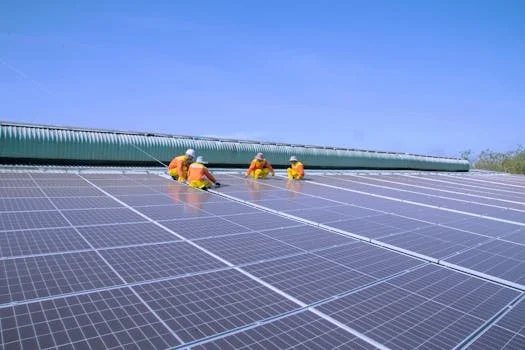
Industrial wastewater operators must follow a structured, repeatable process to ensure consistent effluent quality and mechanical longevity. This 12-step protocol provides a technical framework for every service cycle. To implement this protocol effectively, operators should first review the system's design and operational parameters to understand the specific maintenance requirements.
Step 1: Review SCADA and PLC Logs. Analyze the last seven days of operational data. Focus on trends in Dissolved Oxygen (DO), which should ideally sit between 2.0 and 4.0 mg/L in the aeration tank, and pH levels (target range: 6.5–8.5). Any sudden spikes in flow rate may indicate upstream process leaks that could wash out the biomass.
Step 2: Inspect Mechanical Bar Screens. If your plant utilizes a rotary mechanical bar screen (GX Series), check for debris accumulation and mechanical wear. In high-solids industrial plants, these screens must be cleaned or inspected every 48–72 hours to prevent downstream pump damage and clogging of the primary treatment zone.
Step 3: Monitor Blower Amperage. Record the amperage of the aeration blowers. A rise of 10% or more above the baseline typically indicates a blockage in the air intake filters or significant fouling of the fine-bubble diffusers, which increases backpressure on the motor.
Step 4: Measure Mixed Liquor Suspended Solids (MLSS). For A/O (Anaerobic/Oxic) processes, maintain MLSS concentrations between 3,000 and 6,000 mg/L. Use a 30-minute settleability test (SV30) to assess sludge health; a high SVI (Sludge Volume Index) suggests the onset of filamentous bulking.
Step 5: Audit Pump Performance. Inspect all submersible and transfer pumps for seal integrity. If leakage exceeds 5 mL/hour at the shaft seal, or if vibration levels increase, the pump should be pulled for a bearing and seal replacement to prevent motor burnout.
Step 6: Execute MBR Maintenance Cleaning. Flush the submerged MBR membrane module with low-energy aeration with a 500 ppm Sodium Hypochlorite (NaOCl) solution every 7–14 days. This "maintenance wash" removes extracellular polymeric substances (EPS) before they harden into irreversible fouling (HydropureWater field data, 2025).
Step 7: Backwash Multi-Media Filters. If the system includes tertiary filtration, initiate a backwash cycle when the pressure differential reaches 15–25 psi. The duration should be 5–10 minutes, or until the backwash discharge runs clear.
Step 8: Calibrate Chemical Dosing Systems. Verify that the automatic chemical dosing system is delivering PAC or ClO₂ within ±5% of the setpoint. Clogged injection quills are a common cause of dosing failure, leading to poor phosphorus removal or inadequate disinfection.
Step 9: Inspect Sedimentation Tank Weirs. Ensure flow is even across all weirs to prevent short-circuiting. Use a sludge judge to measure the sludge blanket; if the depth exceeds 30 cm in the secondary clarifier, increase the Return Activated Sludge (RAS) or Waste Activated Sludge (WAS) rates.
Step 10: Perform Weekly Effluent Testing. Sample the final discharge for COD, BOD, and Total Suspended Solids (TSS). Standard industrial compliance targets are typically COD < 100 mg/L and TSS < 30 mg/L, though local permits may be stricter.
Step 11: Test Alarm and Logic Functions. Manually trigger high-level float switches and pump-failure simulations to ensure the PLC logic responds correctly. Remote monitoring alerts should be verified to confirm they reach the maintenance team's mobile devices.
Step 12: Documentation and Log Updates. Record all technical parameters, chemical volumes used, and parts replaced. This log is essential for identifying long-term equipment degradation and providing proof of compliance during environmental audits.
| Parameter | Industrial Target Range | Monitoring Frequency | Action Trigger |
|---|---|---|---|
| Dissolved Oxygen (DO) | 2.0 – 4.0 mg/L | Continuous/Daily | <1.5 mg/L (Increase blower) |
| MLSS (MBR Systems) | 8,000 – 12,000 mg/L | Weekly | >15,000 mg/L (Increase wasting) |
| MLSS (A/O Systems) | 3,000 – 6,000 mg/L | Weekly | <2,500 mg/L (Reduce wasting) |
| Transmembrane Pressure | 10 – 30 kPa | Continuous | >35 kPa (Initiate CIP) |
| Effluent pH | 6.5 – 8.5 | Daily | Outside range (Adjust dosing) |
Critical Maintenance Intervals by Component
Preventive maintenance schedules for industrial modular plants are dictated by the intensity of the influent load. High-strength wastewater with COD > 500 mg/L can shorten standard maintenance intervals by 30–50% due to accelerated mechanical wear and biological byproduct accumulation. Following a complete O&M protocol for packaged treatment plants requires a component-specific approach.
Blowers require the most frequent mechanical attention. Oil changes should occur every 6 months, with a full bearing inspection annually. For plants using a dissolved air flotation (DAF) machine, the scraper chain must be lubricated monthly, and the pressure vessel should undergo a safety inspection every 12 months to check for internal corrosion or scaling.
Membrane systems follow a dual-track cleaning schedule. Maintenance cleaning (CIP) occurs every 7–14 days to manage daily flux, while a more intensive recovery cleaning (SIP) is required every 6 months to restore the membrane's original permeability. Submersible pumps in the equalization tank usually require a full overhaul every 12–18 months, depending on the grit content of the influent. For more detailed MBR-specific timelines, operators should refer to specialized MBR maintenance procedures.
| Component | Task | Frequency | Impact of Neglect |
|---|---|---|---|
| Aeration Blowers | Air Filter Replacement | Quarterly | Overheating and motor failure |
| MBR Membranes | Chemical Recovery Wash | 6 Months | Irreversible pore clogging |
| Dosing Pumps | Diaphragm Replacement | Annually | Inaccurate chemical delivery |
| UV Sterilizer | Lamp Replacement | 8,000 - 10,000 Hours | Bacterial limit violations |
| Sludge Pumps | Impeller Inspection | Annually | Reduced solids handling capacity |
Warning Signs of System Failure
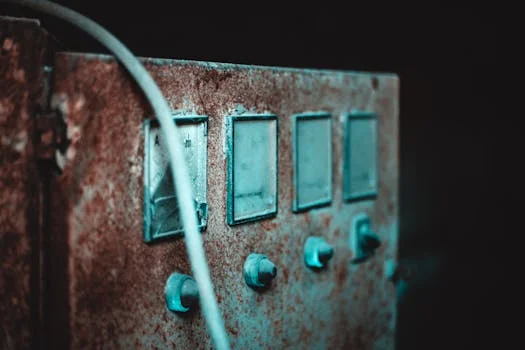
Early detection of system drift can prevent the total loss of biological activity. One of the most common visual indicators is foaming in the aeration tank. White, billowing foam often indicates a surfactant overload, while thick, brown foam suggests the presence of filamentous bacteria or an excessively high sludge age (SVI > 150 mL/g).
Effluent quality provides the final warning. Turbid or "cloudy" effluent in an MBR system is a definitive sign of a membrane breach or an O-ring failure in the manifold. In traditional clarifier-based systems, high effluent TSS (>50 mg/L) usually points to sludge bulking or hydraulic surging that is "washing out" the biomass. Operators should also remain alert to audible cues: pump cavitation sounds like "pumping rocks" and indicates suction line blockages, while uneven blower noise often signals a failing bearing or belt slippage.
Frequently Asked Questions
How often should you clean MBR membranes in a modular system?
In industrial applications, maintenance cleaning (low-concentration soak) should be performed every 7–14 days. A more intensive recovery cleaning (CIP) is typically required every 6 months to maintain design flux and prevent irreversible fouling.
What causes sludge bulking in package plants and how do you fix it?
Sludge bulking is usually caused by low DO levels, nutrient deficiencies (nitrogen/phosphorus), or rapid pH swings. Correction involves increasing aeration to achieve a DO of 2.0 mg/L and adjusting the wasting rate to balance the Food-to-Microorganism (F/M) ratio.
Can you automate the entire maintenance process for modular sewage systems?
While modern systems like the WSZ Series feature automated backwashing and chemical dosing, physical inspections of mechanical screens, pump seals, and sensor calibration must remain manual to ensure 100% reliability.