Submerged Membrane Bioreactor Maintenance: What Operators Must Control
Submerged membrane bioreactor maintenance keeps TMP in the 10–25 kPa band, holds flux at 15–25 LMH, and pairs daily backwash with CEB every 3 days plus CIP every 3–6 months. On schedule, PVDF flat-sheet modules commonly reach 5–8 years. Skipped cleaning can raise energy use by up to 40% and risk mid-size replacements of $50,000–$200,000 with 12–48 hours of downtime.
Unplanned membrane replacement can cost between $50,000 and $200,000 for mid-size industrial systems when routine care slips. Fouling also raises aeration and pumping energy by up to 40% as resistance climbs. Downtime from membrane failure averages 12 to 48 hours and can stop production. Fouling arrives through four channels: organic scaling (biofilm), biofouling from extracellular polymeric substances (EPS), inorganic precipitation (calcium or magnesium), and physical clogging from poorly screened solids.
A structured protocol moves the plant from reactive repairs to predictive care that protects PVDF integrity. For capital planning, review typical costs for a membrane bioreactor system separately from day-to-day O&M. Procurement teams comparing quotes can also check membrane bioreactor price ranges before locking a maintenance budget.
What Is a Submerged Membrane Bioreactor in Wastewater Service?
A submerged membrane bioreactor places ultrafiltration or microfiltration modules directly inside the aeration tank so activated sludge and permeate separate in one basin. Mixed liquor typically runs at 6–10 g/L MLSS, and permeate is drawn by gentle suction rather than a high-pressure feed pump. Most plants we size for food, chemical, or municipal reuse duty keep design flux at the lower end of 15–25 LMH to slow irreversible fouling. The same basin hosts biology and solids rejection, which cuts footprint versus a conventional clarifier train.
An integrated package such as the MBR Membrane Bioreactor Wastewater Treatment System combines the bioreactor, membrane cassette, and permeate/CIP skid so operators follow one O&M sequence instead of scattered unit ops.
What Is the Structure of a Submerged Membrane Bioreactor?
A submerged MBR train has five working layers operators must inspect. They are fine screening upstream, the aeration tank, the membrane cassette, the permeate header with TMP sensors, and the chemical dosing or CIP loop. Air scour diffusers sit under the cassette and deliver about 0.2–0.5 Nm³ air per m² membrane per minute to shear cake. Frames are usually stainless steel; membrane sheets are PVDF. Most industrial trains we audit fail first at screening or diffuser bearding, not at the polymer itself.
How should step screen maintenance support the membranes?
Step screen maintenance protects membranes by removing hair, rags, and grit before they reach the cassette. Clean screen panels on the vendor interval, verify spray-bar pressure, and confirm bypass gates stay sealed during high flow. Solids that pass a worn screen show up later as ragging on hollow fibers or as localized sludge mounds on flat sheets. Treat the screen as the first station in the membrane protocol, not a separate civil asset.
Step 1: Daily Visual and Performance Monitoring
Transmembrane pressure monitoring is the primary health signal: values above 30 kPa mark the start of irreversible fouling risk. Operators need a daily checklist so early decline does not become a plant-wide trip. Add a weekly visual pass of the modules for fiber breaks, heavy biofilm, or frame corrosion. For systems using replaceable flat sheet MBR membrane modules, check sheet flatness; local bulges often mean uneven clogging.
Record performance metrics at the same clock time each day. Hold membrane flux between 15 and 25 LMH based on wastewater strength. Permeability (flux divided by TMP) is the core diagnostic: keep a healthy baseline above 100 L/m²/h/bar, and alert if the value falls below 80 L/m²/h/bar. Verify aeration daily. For cake control, maintain 0.2 to 0.5 Nm³ of air per square meter of membrane area per minute. Low air lets solids settle and drives sharp TMP spikes (HydropureWater field data, 2025).
Step 2: Routine Physical Backwashing Procedure
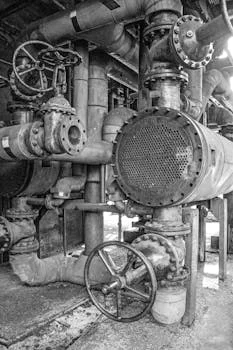
Physical backwashing removes up to 90% of reversible surface cake by reversing permeate flow through the pores. Run it 2 to 3 times daily, or once every 8 to 12 hours when influent solids are high. Set backwash flux near 1.5 times filtration flux for 60 to 90 seconds per cycle. That reverse pulse frees particles lodged in pores or stuck on the surface.
Keep air scour on during the backwash so bubbles carry solids away from the cassette. Pause filtration for 5 seconds before reverse flow starts; the pause drops suction and lets the membrane relax, which cuts mechanical stress. The backwash pump must deliver steady, non-pulsating pressure. Pulsation fatigues fibers and can rupture submerged modules over time.
Step 3: Chemically Enhanced Backwashing (CEB) Protocol
Chemically enhanced backwash (CEB) uses oxidation and acid-base reactions on foulants that water alone cannot move. For most industrial submerged MBRs, schedule CEB every 3 days. Against organic and biological fouling, dose sodium hypochlorite (NaOCl) at 500 to 1000 ppm from the permeate side and soak 30 to 60 minutes. That soak breaks the proteinaceous biofilm matrix.
When inorganic scaling dominates—seen as a steady TMP rise after NaOCl washes—use citric acid at 0.5% to 1.0% w/v and pH 2 to 3 for 60 minutes. Always run a physical backwash before chemical exposure, then finish with at least two clean-permeate backwashes so residual chemicals stay out of the bioreactor. High-throughput plants benefit from PLC-controlled chemical dosing for CEB and CIP, which holds dose inside the band that cleans PVDF without over-oxidizing it.
Step 4: Periodic Chemical Cleaning (CIP) for Deep Fouling
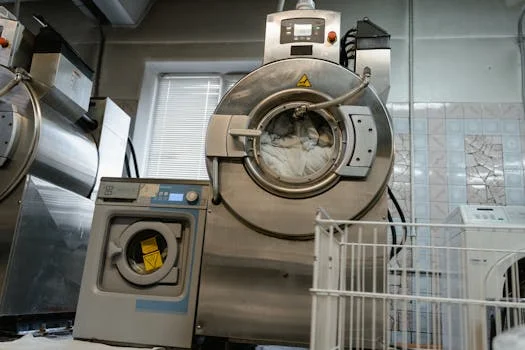
Clean-in-place (CIP) is required when permeability falls below 60% of the initial clean-water value, or when TMP stays high after CEB. Plants usually CIP every 3 to 6 months with a longer soak than CEB. Start with an alkaline clean of 1% NaOH plus 0.5% NaOCl, heated to 30–40°C when possible because heat raises solubility of fats and oils. Soak at least 2 hours.
Next, run an acid clean with 2% citric acid or 1% HCl for another 2 hours to dissolve mineral scale. Rinse with permeate between stages until pH returns to neutral. Never mix chlorine and acid; that mix forms toxic chlorine gas. After CIP, confirm permeability recovers to at least 90% of baseline. Lower recovery points to irreversible pore constriction or a module audit.
| Cleaning Phase | Chemical Agent | Concentration | Duration | Target Foulant |
|---|---|---|---|---|
| Routine CEB (Organic) | Sodium Hypochlorite | 500-1000 ppm | 30-60 min | Biofilm, Bacteria, Organics |
| Routine CEB (Inorganic) | Citric Acid | 0.5% - 1.0% | 60 min | Calcium Carbonate, Metal Oxides |
| CIP Stage 1 (Alkaline) | NaOH + NaOCl | 1.0% + 0.5% | 2-4 hours | Fats, Oils, Proteins, EPS |
| CIP Stage 2 (Acid) | Citric Acid / HCl | 2.0% / 1.0% | 2-4 hours | Deep Mineral Scaling, Struvite |
Step 5: Aeration System Inspection and Optimization
Aeration systems in submerged MBRs consume about 50–70% of total plant energy, so diffuser health drives both fouling control and power cost. Inspect diffusers monthly for clogging or “bearding” (hair and fiber mats). Clogged diffusers create dead zones where solids pile against the membrane. Clear orifices with high-pressure water or a short acid soak.
Match blower output to the module design. For HydropureWater DF Series modules, the design air rate is typically 0.3 Nm³ air/m²/min. Watch manifold pressure drop; a rise of more than 5 kPa over baseline signals pipe scale or blockage. Uneven air is a common hidden cause of one cassette aging early while its neighbor stays clean.
Step 6: Module Removal and Physical Inspection
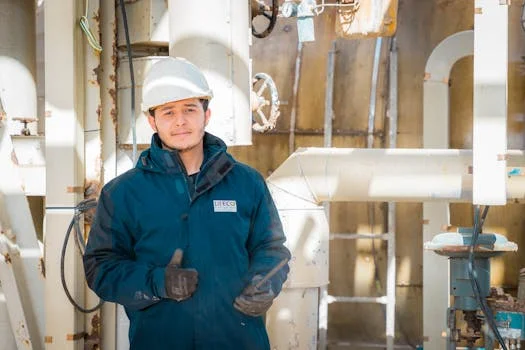
Annual lift-out of MBR modules finds structural fatigue and irreversible fouling that sensors miss. During the shutdown, rinse modules with low-pressure water below 2 bar to strip sludge. Inspect fibers or sheets for mechanical damage. On hollow fiber trains, replace or repair a module if more than 5% of fibers in that module are broken, or permeate quality will drift.
Check stainless frames for weld corrosion or warping from hydraulic surges. For a clearer visual check, soak the module in 1% H2O2 for one hour. Peroxide lifts residual biofilm and light staining without the aggression of high-strength chlorine. Re-seat replaceable flat sheet MBR membrane modules carefully so vibration does not wear the sheets in their frames.
Step 7: Record Keeping and Predictive Maintenance
Operational data logging cuts membrane lifecycle cost by 15–25% when teams catch fouling trends early. Keep a digital log of daily TMP, flux, backwash count, and CEB/CIP dates with chemical volumes. Plot permeability over time. A drop of more than 10% per month despite correct cleaning means the process—not only the membrane—needs review, often influent chemistry or biology upset.
Modern PLC logic can raise alerts when thresholds break. If the TMP rise rate exceeds a set slope, the controller can trigger an extra CEB. That data feeds lifecycle planning so replacements are budgeted years ahead. Clean records also support warranty claims with proof of O&M discipline.
MBR Membrane Lifespan: How to Achieve 5–8 Years
PVDF flat sheet membranes typically last 5 to 8 years when the seven-step industrial protocol is followed. Flat sheet geometry resists abrasion and ragging better than hollow fiber in many industrial feeds. Hold MLSS between 6 and 10 g/L. Too low invites deep pore fouling; too high builds a dense sludge cake and ages the polymer faster.
Manage cumulative chlorine exposure as well. PVDF tolerates oxidants, yet cumulative exposure above 5000 ppm·hr can weaken the material. Dose to the recipe; never “more is safer.” According to real-world MBR membrane lifespan data and longevity tips, flat-sheet conversions cut unplanned replacements by nearly 30% versus hollow fiber (HydropureWater technical report, 2024). Geometry durability drove most of that gain. Consistent submerged membrane bioreactor maintenance is what converts that advantage into calendar years.
Who This Protocol Fits — and the Next Step
Plant engineers and EPC teams running industrial or municipal submerged MBR cassettes use this protocol when they need a repeatable O&M sequence. Facilities that only need septic polishing without reuse or tight footprint limits should size a simpler flowsheet first. Selection checklist before you change chemistry or buy spares:
- Confirm daily TMP trend and permeability versus the 100 / 80 L/m²/h/bar bands.
- Verify screen capture efficiency before blaming the membrane.
- Match air scour to 0.2–0.5 Nm³/m²/min (about 0.3 for DF Series).
- Separate organic CEB (NaOCl) from inorganic CEB (citric acid) by foulant type.
- Schedule CIP when permeability stays below 60% after CEB.
- Log cumulative oxidant exposure against the 5000 ppm·hr ceiling.
- Budget module life on a 5–8 year flat-sheet planning horizon.
If you need a vendor review of flux, CEB setpoints, or cassette layout for your wastewater strength, send the design basis through our request a quote form with recent TMP and permeability logs attached.
Frequently Asked Questions
How often should you clean submerged MBR membranes?
Physical backwashing should run 2–3 times daily, or every 8–12 hours on high-solids feed. Chemically enhanced backwash (CEB) is typically every 3 days. Full clean-in-place (CIP) follows every 3–6 months, sooner if permeability stays below 60% of the clean-water baseline after CEB. Match chemistry to foulant type: NaOCl for organics, citric acid for mineral scale.
What causes MBR membrane fouling?
Fouling comes from organic matter, biofouling (bacteria and EPS), inorganic scaling (calcium, magnesium, struvite), and physical clogging by suspended solids, hair, or fats and oils. Poor screening and uneven air scour accelerate all four paths. Track which cleaning chemistry restores TMP to learn which foulant dominates in your plant.
What is the normal TMP for MBR systems?
The standard operating range for transmembrane pressure (TMP) is 10–25 kPa under normal flux. Set an alert at 30 kPa, which signals rising irreversible fouling risk. Shut down for intensive cleaning if TMP reaches 50 kPa. Always read TMP together with flux so permeability, not raw pressure alone, drives the call.
Can a submerged MBR replace a septic system on a small site?
A submerged MBR can replace or upgrade septic service when the site needs reuse-quality permeate, tight footprint, or strict effluent limits septic drain fields cannot meet. Capital and O&M differ sharply from a septic tank, so compare lifecycle cost with a full MBR scope rather than tank volume alone. Small package MBR units still need screening, air scour, and chemical cleaning discipline.
How do you extend PVDF MBR membrane life to 5–8 years?
Hold flux at 15–25 LMH, keep MLSS at 6–10 g/L, and never skip the CEB/CIP cadence in this protocol. Cap cumulative chlorine near 5000 ppm·hr and repair modules before broken-fiber share exceeds 5%. Flat-sheet cassettes with stable air scour at about 0.3 Nm³/m²/min usually reach the upper end of that life band in industrial service.