Why ClO₂ Disinfection System Maintenance is Critical for Industrial Operations
Maintaining a ClO₂ disinfection system involves a structured regimen of daily, weekly, monthly, and annual checks, ensuring optimal performance, safety, and compliance. This includes inspecting chemical feed lines, calibrating sensors, cleaning reaction chambers, and verifying pump functionality. Proper maintenance prevents operational failures, maintains disinfection efficacy (as an EPA-approved biocide), and extends the lifespan of the equipment.
Chlorine dioxide (ClO₂) is a highly effective, EPA-recognized oxidizing biocide that provides wide-spectrum microbial control in industrial environments. One of its primary technical advantages is its ability to eliminate pathogens, biofilms, and algae without forming halogenated disinfection by-products, such as trihalomethanes (THMs) or haloacetic acids (HAAs), which are strictly regulated in wastewater discharge (per EPA guidelines). Because ClO₂ operates through selective oxidation, it remains effective across a broad pH range, making it a preferred choice for complex industrial wastewater streams. However, the efficacy of this chemical is entirely dependent on the precision of the generation and dosing equipment.
Rigorous maintenance protocols ensure that the stoichiometric ratio of precursor chemicals—typically sodium chlorite and a mineral acid like hydrochloric acid—remains exact. Inaccurate dosing not only wastes expensive reagents but can also lead to the formation of excess chlorite or unreacted precursors, potentially violating environmental permits or causing corrosion in downstream infrastructure. Industrial ClO₂ safety is paramount; a well-maintained system prevents hazardous gas leaks and ensures that the ClO₂ concentration remains within safe operational limits. By adhering to a general wastewater equipment maintenance frequency, facilities can reduce unplanned downtime by up to 35%, significantly optimizing operational costs over the equipment's lifecycle.
Daily Maintenance Checks for ClO₂ Generators and Dosing Systems
The following daily checks help maintain system integrity.Real-time monitoring of reagent levels prevents generator dry-running and ensures stoichiometric ratios are maintained for safe ClO₂ production. Daily inspections are the first line of defense against system drift and mechanical wear. Operators must begin each shift by verifying the inventory of precursor chemicals. Sodium chlorite and acid tanks should be checked for adequate levels to ensure uninterrupted operation, and any signs of crystallization or precipitate around tank bungs or vents must be addressed immediately to prevent suction line blockages.
Chemical feed pumps require a visual and auditory inspection to confirm they are operating at the programmed stroke frequency and length. Any rhythmic "clicking" that sounds irregular or the presence of moisture around the pump head usually indicates a failing diaphragm or a loose fitting. Operators should also monitor the ClO₂ residual levels at the final application point using online analyzers. For most industrial disinfection applications, a target residual range of 0.2 to 1.0 mg/L is standard. If the residual falls outside this range despite the pumps running, it may indicate a change in the water’s oxidant demand or a loss of pump prime.
Safety systems, including gas detectors and high/low-level alarms, must be confirmed as active on the control panel. If an alarm is triggered, such as a "Low Chemical Flow" alert, the protocol should involve checking for air bubbles in the suction lines or verifying that the foot valve is not clogged. A total visual sweep of the generator unit, reaction chamber, and plumbing is necessary to identify any leaks, as even a small drip of precursor chemicals can cause significant corrosion over a 24-hour period.
| Component | Daily Task | Target/Requirement |
|---|---|---|
| Reagent Tanks | Check levels and inspect for leaks | Minimum 24-hour supply available |
| Dosing Pumps | Verify flow rate and check for leaks | Matches PLC setpoint; no moisture |
| ClO₂ Analyzer | Check residual concentration | 0.2–1.0 mg/L (industry standard) |
| Control Panel | Review active alarms and logs | Zero unacknowledged critical alarms |
| Reaction Chamber | Visual inspection for temperature/pressure | Within manufacturer operating range |
Weekly and Monthly ClO₂ System Maintenance Protocols
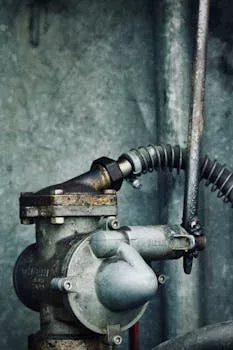
Biofilm and mineral scale accumulation in reaction chambers can reduce ClO₂ conversion efficiency by up to 15% if left uncleaned (HydropureWater field data, 2025). Weekly maintenance focuses on the precision of the chemical reaction and the delivery of the disinfectant. The reaction chamber, where the precursors combine to form ClO₂, should be inspected for any signs of internal scaling. If the system processes hard water, mineral deposits can form, which interfere with the mixing of reagents. A mild acid wash or a manufacturer-approved descaling agent can be used to flush the chamber and restore optimal conversion rates.
Calibration of ClO₂ sensors and analyzers is a critical weekly task. Sensors can drift due to electrode fouling or changes in water temperature. Operators should perform a "grab sample" analysis using a DPD method or an amperometric titrator and compare the result to the online analyzer reading. If the variance exceeds 10%, a full recalibration is required to ensure the precision chemical dosing pumps are receiving accurate feedback loops. Additionally, injection points and diffusers should be checked for clogging. In wastewater applications, solids can accumulate around the injection quill, creating backpressure that stresses the dosing pumps.
Monthly maintenance shifts toward mechanical integrity and data analysis. All moving parts, including pump drive assemblies and any mechanical agitators in the mixing tanks, should be lubricated according to the manufacturer’s specifications. This is also the time for a rigorous inspection of all chemical feed lines, connections, and valves. Look for "whitening" or brittleness in plastic lines, which indicates UV degradation or chemical stress cracking. Finally, a review of the monthly operational data logs allows managers to identify trends, such as a slow increase in chemical consumption for the same ClO₂ output, which often points to a sub-clinical pump failure or a fouled reaction vessel.
| Frequency | Maintenance Task | Purpose |
|---|---|---|
| Weekly | Sensor Calibration | Ensure accurate residual feedback |
| Weekly | Clean Injection Quills | Prevent backpressure and clogging |
| Weekly | Flush Reaction Chamber | Maintain high precursor conversion efficiency |
| Monthly | Inspect Feed Line Integrity | Prevent catastrophic chemical leaks |
| Monthly | Lubricate Pump Drives | Reduce mechanical wear and heat |
| Monthly | Trend Data Review | Identify early signs of system inefficiency |
Annual Overhaul and Preventive Maintenance for ClO₂ Generators
An annual maintenance event ensures the system's health and longevity.Replacing elastomeric components annually prevents 90% of emergency shutdowns caused by chemical-induced degradation of seals and diaphragms. An annual maintenance event is a comprehensive "deep dive" into the system's health, requiring a scheduled shutdown. During this period, every major component of the industrial ClO₂ generator systems must be disassembled, cleaned, and inspected. This is not merely a visual check; it is a proactive replacement of wear parts. Pump diaphragms, O-rings, check valve balls, and seats should be replaced regardless of their apparent condition, as these components are subject to constant chemical attack and mechanical stress.
The entire system, including the precursor storage tanks and the reaction vessel, should be thoroughly descaled and neutralized. Over a year, even high-quality reagents can leave trace residues that may harbor bacteria or cause physical blockages. All instrumentation, including magnetic flow meters, pressure transducers, and ClO₂ analyzers, should be calibrated by a certified technician using NIST-traceable standards to ensure compliance with environmental reporting requirements. This ensures the comprehensive water disinfection equipment maintenance standards are met for the coming year.
Safety protocols also require an annual update. Review the Safety Data Sheets (SDS) for all chemicals and ensure that the emergency response plan—including spill kits and neutralization procedures—is current and that all staff are retrained. A complete electrical inspection of the control panels is also vital. This includes tightening terminal connections (which can loosen due to vibration), checking for signs of overheating on circuit breakers, and testing the functionality of all safety interlocks and emergency stop buttons. For specialized facilities, this may also involve coordinating with medical wastewater treatment system upkeep standards if the ClO₂ system is used for clinical waste disinfection.
Troubleshooting Common ClO₂ Disinfection System Issues
Low ClO₂ residual levels in industrial wastewater are most frequently traced to peristaltic tube fatigue or suction line blockages rather than generator failure. When the system fails to meet the required disinfection setpoints, a systematic diagnostic approach is necessary to minimize downtime. If residuals are low, the first step is to verify the chemical supply. Check for air locks in the suction lines or a clogged foot valve strainer. If the pumps are running but no chemical is moving, the pump head may need to be primed or the diaphragm may have ruptured. Conversely, high residuals are often caused by a malfunctioning flow meter that signals the system to over-dose or a fouled analyzer sensor providing a false low reading.
If the generator stops producing ClO₂ entirely, the issue usually lies within the reaction chamber's safety interlocks. Most modern generators will shut down if the precursor flow ratio is imbalanced to prevent the formation of unstable gas concentrations. Check the flow sensors on both the acid and chlorite lines. Leaks in chemical lines require immediate action: shut down the system, isolate the affected line using manual valves, and follow the site’s chemical spill response protocol. Sensor drift or inaccuracy is the most common "soft" failure. If the analyzer reading jumps sporadically, check for air bubbles trapped in the sensor cell or electrode fouling caused by oil or grease in the wastewater stream.
| Issue | Probable Cause | Recommended Action |
|---|---|---|
| Low Residuals | Pump loss of prime or clogged strainer | Clean foot valve; re-prime pump heads |
| High Residuals | Analyzer sensor fouling | Clean and recalibrate ClO₂ sensor |
| No ClO₂ Production | Flow interlock triggered | Check precursor flow sensors and pump power |
| Visible Leaks | Seal or gasket degradation | Replace affected seals; check chemical compatibility |
| Inconsistent Readings | Air bubbles in analyzer cell | Bleed air from the sampling line; adjust flow rate |
Safety Best Practices for ClO₂ System Maintenance
Chlorine dioxide gas is potentially explosive at concentrations above 10% in air, making proper ventilation and pressure relief systems mandatory for all generation enclosures. When performing maintenance, Personal Protective Equipment (PPE) is non-negotiable. This includes chemical-resistant suits or aprons, nitrile or Viton gloves, and full-face shields. Because ClO₂ gas can be respiratory-irritant even at low concentrations, maintenance should always be performed in well-ventilated areas, and portable ClO₂ gas monitors should be worn by technicians working on the generator.
Lockout/Tagout (LOTO) procedures must be strictly enforced before any mechanical or electrical work