What Is a Polymer Dosing System and How Does It Work?
A polymer dosing system manufacturer designs and builds equipment that prepares and injects polymer solutions for sludge dewatering, achieving 90–98% solids capture. HydropureWater systems deliver 95%+ activation efficiency with PLC-controlled dosing, reducing polymer consumption by up to 30% compared to manual setups. In industrial wastewater treatment, the failure to properly "uncoil" polymer chains results in "fish eyes"—undissolved gel particles that clog filter cloths and waste expensive chemicals. This failure often stems from insufficient aging time or high-shear mechanical mixing that shears the long-chain molecules before they can bind to solids.
The core engineering principle of a polymer dosing system is the transformation of concentrated polyacrylamide (PAM) into a dilute, active solution. This process requires precise dilution, typically to a concentration of 0.1% to 0.5%, combined with controlled energy input. Activation is not instantaneous; it requires an aging period of 30 to 60 minutes to allow the polymer molecules to fully hydrate and extend. Without this maturation, the polymer cannot effectively bridge particles, leading to poor flocculation and high turbidity in the filtrate.
System design generally follows two paths: hydraulic activation or mechanical agitation. Hydraulic systems use high-velocity water through an eductor to create a vacuum that draws in the polymer, followed by a vortex retention chamber. This method is often preferred for emulsion polymers because it avoids the high-shear zones created by mechanical impellers, which can snap polymer chains and reduce their effectiveness. When properly activated, the polymer solution significantly enhances the performance of downstream equipment, potentially increasing cake solids by 15–30% in centrifuges or belt presses (HydropureWater field data, 2025).
Dry vs. Liquid Polymer Dosing: Technical Comparison
Dry polymer systems require a multi-stage makedown process involving precision volumetric feeders, wetting heads, and multi-chamber aging tanks to achieve a stable 0.2–0.5% concentration. While dry polymer is more cost-effective to ship and has a longer shelf life, it presents significant operational challenges, including dust migration and the risk of gel blockages in the feeder throat. Engineers must specify systems with heating elements on the feeder discharge to prevent moisture from causing "clumping" in high-humidity environments.
Liquid polymer systems, conversely, utilize metering pumps and inline static mixers to produce a solution in less than 15 minutes. These systems are more compact and easier to automate but require climate-controlled storage to prevent emulsion separation or freezing. For high-capacity industrial plants, the choice often hinges on the balance between lower chemical costs (dry) and lower capital footprint (liquid). Hydraulic activation, utilizing eductor-based vortex retention, is particularly critical for emulsion polymers to maintain chain integrity and maximize the charge density of the flocculant.
| Technical Parameter | Dry Polymer System | Liquid Polymer System |
|---|---|---|
| Activation Time | 30–60 Minutes | 10–15 Minutes |
| Typical Dilution Ratio | 0.1% – 0.5% | 0.1% – 0.3% |
| Standard Material | 304/316L Stainless Steel | FRP or Polypropylene |
| Material Handling Risk | Dust exposure, gel blockages | Chemical spills, emulsion aging |
| Relative Chemical Cost | Lower (concentrated powder) | Higher (contains carrier oils) |
| Footprint Requirement | Large (multi-tank system) | Compact (skid-mounted) |
A comparison of dry and liquid polymer dosing systems highlights key differences in their technical specifications and operational requirements.
Key Components of a Professional-Grade Dosing System
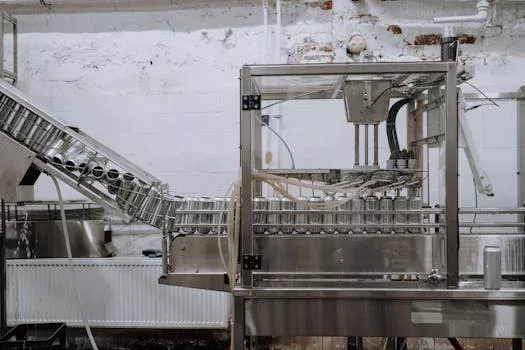
PLC-controlled dosing systems with integrated feedback loops from sludge flow meters ensure a precise polymer-to-solids ratio, preventing both under-dosing and the "blinding" of filter media caused by over-dosing. A professional-grade fully automated polymer dosing system with PLC control must include a high-accuracy metering pump, typically a diaphragm or peristaltic type, capable of maintaining ±2% dosing accuracy across a flow range of 0.5 to 50 L/h. Peristaltic pumps are often favored for their ability to handle high-viscosity neat polymers without losing prime.
Material compatibility is a secondary but vital consideration for procurement managers. While 304 stainless steel is standard, 316L stainless steel or Fiber Reinforced Plastic (FRP) is recommended for coastal facilities or industrial sites handling high-chloride wastewater to prevent pitting corrosion. The storage and aging tanks should feature low-level sensors and ultrasonic level transmitters to provide real-time inventory data to the SCADA system, ensuring the dewatering process never runs dry.
Safety and reliability features distinguish industrial-grade units from entry-level equipment. This includes leak detection sensors in the pump containment area, auto-shutdown protocols for loss of dilution water pressure, and redundant pressure relief valves. For facilities with limited technical staff, systems equipped with remote monitoring allow engineers to adjust dosing parameters via a web interface, which is essential for maintaining 98% uptime in 24/7 operations (HydropureWater field data, 2025).
System Integration with Sludge Dewatering Equipment
The dosing point for the activated polymer solution should be strategically located 60 to 90 seconds upstream of the dewatering unit to allow for optimal floc growth without subjecting the flocs to excessive pipe shear. In high-flow applications, inline static mixers are utilized to ensure uniform dispersion of the polymer solution into the sludge stream.
When integrated with a HydropureWater plate and frame filter press, the dosing system’s performance directly dictates the cycle time and cake dryness. For example, transition from manual dosing to a PLC-integrated system typically improves cake solids from an average of 18% to over 25%. This increase in dryness significantly reduces haul-off costs and landfill fees, which often represent the largest operational expense in wastewater treatment.
Advanced integration involves using a "feed-forward" control logic where the polymer pump speed is slaved to the sludge feed pump. If the sludge concentration fluctuates—a common occurrence in industrial batch processing—the dosing system adjusts the chemical flow rate in real-time. This level of automation can reduce polymer waste by up to 30% compared to fixed-rate dosing, providing a measurable impact on the facility's bottom line while ensuring compliance with discharge permits.
Cost, ROI, and Maintenance Considerations for Buyers
The average capital expenditure for an industrial polymer dosing system ranges from $8,000 to $45,000, depending on the degree of automation, material of construction, and throughput capacity (per 2025 B2B benchmarks). While the initial cost of a manual system is lower, the total cost of ownership (TCO) is significantly higher due to labor requirements and chemical overconsumption. Fully automated systems often achieve a return on investment (ROI) within 18 to 24 months solely through chemical savings and the reduction of manual labor by up to 70%.
Maintenance planning is critical to prevent the accumulation of "polymer skins" and gel buildup that can lead to pump failure. A 12-step industrial maintenance protocol for PAM dosing systems should be implemented, including monthly inspections of the wetting head and annual recalibration of the metering pumps. HydropureWater systems are designed with modular components to facilitate rapid servicing, helping plants maintain high availability even in aggressive chemical environments.
| Metric | Manual/Basic Dosing | Automated PLC System (HydropureWater) |
|---|---|---|
| Polymer Consumption | Baseline (100%) | 70% – 80% of Baseline |
| Labor (Hours/Week) | 10–15 Hours | 2–3 Hours |
| Operational Uptime | 85% – 90% | 98%+ |
| Dosing Accuracy | ±10% to ±15% | ±2% |
| Projected ROI | N/A | 14–22 Months |
For procurement managers, analyzing the 2025 B2B pricing and ROI data for polymer dosing systems is essential for justifying the upgrade from aging infrastructure. Modern systems not only lower operating costs but also provide the data logging necessary for environmental reporting and ISO 14001 compliance.
Frequently Asked Questions
What is the typical lifespan of an industrial polymer dosing system?
A high-quality stainless steel or FRP system typically lasts 10 to 15 years with a standardized maintenance schedule. Components such as pump diaphragms and sensors may require replacement every 2 to 3 years.
Can one system handle both dry and liquid polymers?
While dual-feed systems exist, they are technically complex and require segregated tanks and dedicated pump skids. Most engineers recommend selecting the polymer form best suited to the application and sticking with a dedicated system for maximum reliability.
How much floor space is required for a skid-mounted unit?
Compact liquid dosing skids can fit within 1.5 m², while high-capacity dry polymer makedown units with multi-stage aging tanks may require up to 6 m² of floor space.
Is PLC automation worth the additional capital cost?
Yes, for any facility operating more than 8 hours per day, the chemical savings alone usually cover the cost of the PLC upgrade within the first two years of operation. Automation also prevents the risk of human error leading to system blockages.
What regulatory standards apply to these systems?
Industrial dosing systems should comply with ISO 21858:2020 for chemical dosing equipment and, where applicable, EU Emission Standards 2010/75/EU for wastewater treatment efficiency.