Current State of Hospital Wastewater in Nha Trang
Hospital wastewater treatment in Nha Trang operates within a dynamic environmental and regulatory context. Specific data for Nha Trang is emerging, and broader trends in southern Vietnam indicate significant progress in wastewater collection. A study by IOPscience reveals that 66.6% of hospitals in the southern region possess complete wastewater collection systems, a figure that likely influences Nha Trang's infrastructure. Nha Trang is a beneficiary of the World Bank’s Coastal Cities Environment and Sanitation Project, signaling ongoing investments in municipal wastewater infrastructure upgrades. For medical facilities, compliance with Vietnam's national discharge standard, QCVN 28:2010/BTNMT, is paramount. This standard sets stringent limits for key parameters such as BOD5 (≤30 mg/L), COD (≤75 mg/L), and fecal coliform (≤3,000 MPN/100mL). A critical concern in hospital effluent, particularly in coastal urban centers like Nha Trang, is the presence of antibiotic residues and pharmaceutical contaminants. These pollutants pose a significant threat to aquatic ecosystems and public health, necessitating advanced treatment solutions beyond conventional municipal systems. Understanding this baseline, from collection rates to specific contaminant challenges, is the first step in selecting an appropriate treatment strategy. This aligns with efforts seen in international case studies on hospital wastewater compliance and ROI, highlighting the global importance of this issue.
Regulatory Standards for Medical Wastewater in Vietnam
Vietnam's regulatory framework for medical wastewater requires healthcare facilities to ensure compliance and avoid penalties. The primary standard governing hospital effluent discharge is QCVN 28:2010/BTNMT, promulgated by the Ministry of Natural Resources and Environment (MONRE). This regulation applies to all healthcare facilities discharging wastewater, whether directly to public sewer systems or to natural water bodies. The standard mandates strict effluent limits for several key parameters:
| Parameter | Limit | Unit |
|---|---|---|
| BOD5 (Biochemical Oxygen Demand) | ≤ 30 | mg/L |
| COD (Chemical Oxygen Demand) | ≤ 75 | mg/L |
| TSS (Total Suspended Solids) | ≤ 50 | mg/L |
| Fecal Coliform | ≤ 3,000 | MPN/100mL |
| NH3-N (Ammonia Nitrogen) | ≤ 10 | mg/L |
Hospitals exceeding a capacity of 100 beds or generating more than 5 cubic meters of wastewater per day are mandated to install dedicated on-site wastewater treatment systems. Enforcement of these regulations is overseen by MONRE, with regular monitoring being essential. While quarterly testing is recommended, facilities should be prepared for surprise inspections. Adherence to these standards is not merely a legal requirement but a fundamental aspect of responsible environmental stewardship, particularly in a sensitive coastal environment like Nha Trang. This detailed understanding of regulatory requirements is vital, echoing the challenges and solutions discussed in articles on hospital wastewater treatment in Addis Ababa.
Proven Treatment Technologies for Hospital Effluent

Selecting the right treatment technology for hospital effluent in Nha Trang requires a careful evaluation of performance, spatial requirements, and automation capabilities, especially given the unique challenges of coastal urban settings. Membrane Bioreactor (MBR) systems stand out for their exceptional performance, achieving over 99% removal of total suspended solids (TSS) and pathogens. This high-quality effluent is often suitable for reuse, a critical advantage in water-scarce regions. Ozone disinfection offers another powerful solution, achieving a 99%+ pathogen kill rate without the need for chlorine storage or the generation of harmful disinfection byproducts (DBPs), which is vital for protecting Nha Trang's sensitive marine ecosystems. For facilities with moderate BOD5 loads, A/O biological treatment, such as that found in our WSZ series, can effectively reduce BOD5 to below 20 mg/L. These systems are also advantageous for their ability to be buried, allowing for integration into existing landscaping and minimizing visual impact. For clinics and smaller hospitals facing space constraints, multi-stage filtration combined with ozone disinfection, as featured in our compact medical wastewater systems, provides a compact and highly effective solution. These advanced technologies offer superior treatment performance tailored to the specific needs of medical facilities, moving beyond conventional methods and addressing concerns like those in our technical comparison of MBR versus conventional treatment.
System Comparison: MBR, A/O, and Ozone-Based Units
To facilitate informed decision-making, a direct comparison of leading treatment technologies is essential. Membrane Bioreactor (MBR) systems offer a robust solution with capacities ranging from 10 to 2,000 m³/day. Their key advantage lies in their compact footprint, typically 60% smaller than conventional treatment plants, owing to the integrated membrane filtration (0.1 μm) that replaces secondary clarifiers. Energy consumption for MBRs is approximately 1.2 kWh/m³. On the other hand, the WSZ Series A/O units are designed for smaller to medium flows, with capacities from 1 to 80 m³/h. These systems are fully automated, requiring minimal operator intervention, and their buryable design further enhances space efficiency. Their energy consumption is notably lower, around 0.6 kWh/m³. For ultra-compact applications, the ozone units excel. These systems deliver 99%+ disinfection without chemical dosing and boast an incredibly small footprint, sometimes as little as 0.5 m², making them ideal for clinics or decentralized treatment. Their energy use averages around 0.8 kWh/m³. This comparative data, detailed further in a technical comparison of MBR versus conventional treatment, provides engineers and facility managers with the precise specifications needed to match system capabilities with site requirements.
| Technology | Capacity Range | Filtration/Disinfection | Footprint Advantage | Typical Energy Use (kWh/m³) |
|---|---|---|---|---|
| MBR System | 10–2,000 m³/day | 0.1 μm filtration, >99% pathogen removal | 60% smaller than conventional | ~1.2 |
| WSZ Series (A/O) | 1–80 m³/h | BOD5 <20 mg/L, further disinfection required | Buryable, minimal visual impact | ~0.6 |
| Compact medical wastewater system (Ozone) | Small to medium clinics | 99%+ disinfection | As small as 0.5 m² | ~0.8 |
Implementation Considerations for Nha Trang Hospitals
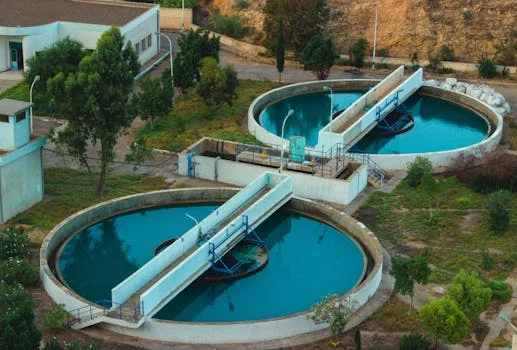
Implementing wastewater treatment solutions in Nha Trang requires careful consideration of local environmental factors and operational realities. The coastal salinity can influence biological treatment processes, making pre-screening and equalization tanks advisable to buffer influent variations. For urban or tourist-heavy areas, the visual impact of treatment systems is a key concern; underground or containerized units, such as the WSZ series, offer an elegant solution by minimizing above-ground presence. The operational demand for skilled labor can be a challenge in some regions. Fully automated systems significantly reduce the reliance on specialized technicians, ensuring consistent performance and easier maintenance. Integration with existing sewer lines and ensuring compatibility with the inflow characteristics of municipal treatment plants are also critical planning steps. These considerations are vital for a smooth and effective installation, as detailed in our underground sewage treatment system maintenance guide.
Frequently Asked Questions
How is hospital wastewater treated in Vietnam? Hospital wastewater in Vietnam is typically treated using a combination of A/O biological processes for organic load reduction, followed by disinfection, commonly using chlorine or ozone. In urban centers and for new facilities, the adoption of advanced technologies like MBR is growing.
What is the most common final treatment for hospital wastewater in Nha Trang? The most common final treatment step for hospital wastewater in Nha Trang involves disinfection, primarily through chlorination or ozonation, after initial biological treatment. The use of MBR systems is increasing in newer or upgraded facilities for enhanced effluent quality.
Which system is best for small clinics in Nha Trang? For small clinics in Nha Trang with limited space and maintenance resources, compact, fully automated units with integrated ozone disinfection are ideal. These systems require minimal footprint and operational oversight.
Are there government incentives for upgrading hospital wastewater systems in Vietnam? Yes, government incentives and funding are available, often through international projects. For instance, World Bank projects, such as the US$155 million hospital waste water treatment project initiated in Hanoi, indicate a commitment to supporting compliant wastewater infrastructure upgrades in Vietnam.
Can hospital wastewater be reused in Nha Trang? Yes, hospital wastewater can be reused in Nha Trang, provided it undergoes advanced treatment. Systems employing MBR technology followed by effective disinfection can produce effluent that meets reuse standards for applications such as landscaping, cooling systems, or non-potable water supply, contributing to water conservation efforts. Further insights into costs and ROI for such systems can be found in our 2025 pricing and ROI data for clinic-scale systems.
Related Equipment

The following HydropureWater products are engineered for the wastewater challenges discussed above:
- compact hospital wastewater treatment system with ozone disinfection — view specifications, capacity range, and technical data
- high-efficiency MBR system for hospital wastewater reuse — view specifications, capacity range, and technical data
Need a customized solution? Request a free quote with your specific flow rate and pollutant parameters.