A proper flocculant dosing unit maintenance guide includes 10 critical steps: daily inspection, weekly pump flush, monthly seal check, and quarterly control system audit. Regular cleaning each shift reduces clogging by up to 70% and ensures dosing accuracy within ±5%, critical for consistent sludge dewatering performance.
Why Flocculant Dosing Unit Maintenance Matters
Inconsistent dosing due to poor maintenance leads to 15–30% lower sludge dewatering efficiency according to industry benchmarks for industrial wastewater treatment. When a polymer dosing system is neglected, the chemical properties of the flocculant—specifically its high viscosity and tendency to form "fisheyes" or gel balls—work against the mechanical components of the system. Clogged injectors or degraded seals cause 40% of unplanned downtime in polymer dosing systems, often requiring emergency repairs that are twice as expensive as scheduled upkeep.
Beyond mechanical failure, the financial impact of wasted chemicals is a significant driver for rigorous maintenance. Daily cleaning reduces polymer waste by up to 25% by preventing overfeed compensation. When technicians notice a drop in flocculation quality due to a partially blocked line, the common reaction is to increase the pump speed. This over-dosing masks the underlying maintenance issue while significantly increasing the chemical spend. By maintaining the HydropureWater automatic chemical dosing system at peak performance, facilities ensure that every gram of polymer contributes to solids separation rather than accumulating as residue in the tanks.
The long-term reliability of downstream equipment, such as belt presses or centrifuges, depends on the stability of the flocculant feed. Poorly conditioned sludge increases the torque load on dewatering motors and can lead to premature wear of filter cloths. (HydropureWater field data, 2025) indicates that plants following a structured maintenance protocol see a 12% extension in the lifespan of their primary dewatering equipment. Maintaining the dosing unit is not just about the pump; it is about protecting the entire wastewater treatment train from the consequences of hydraulic and chemical instability.
10-Step Flocculant Dosing Unit Maintenance Protocol
A structured 10-step maintenance protocol prevents 40% of unplanned downtime caused by clogged injectors or degraded pump seals. Technicians should follow this sequence to ensure the HydropureWater automatic chemical dosing system operates within its engineered specifications.
Step 1: Power down and isolate system. Before any mechanical intervention, follow standard Lockout/Tagout (LOTO) procedures. Isolate the electrical supply at the main control panel and close the water inlet valves to prevent accidental flooding or chemical exposure.
Step 2: Inspect and flush dosing lines. Inspect all discharge tubing for signs of polymer buildup or "stringing." Flush the lines with warm water (40–50°C). Warm water is significantly more effective at dissolving emulsion residues and breaking down the molecular chains of matured polymer than cold water.
Step 3: Clean mixing tank and agitator. Weekly cleaning is required to prevent the accumulation of stagnant gel. For systems using powder flocculants, a 30-minute soak in clean water followed by a high-pressure rinse is necessary to remove stubborn deposits from the tank walls and agitator blades.
Step 4: Verify pump diaphragm and valve function. On a monthly basis, inspect the dosing pump for leaks. Measure the actual delivery rate; if the stroke efficiency drops below 90% of the calibrated value, the diaphragm may be stretched or the check valves may be fouled with debris.
Step 5: Check seals and gaskets. Inspect all static and dynamic seals every 3 months. Replace any gaskets showing signs of swelling, cracking, or "weeping." Polymer can be corrosive to certain elastomers over time, making regular replacement a proactive necessity.
Step 6: Calibrate dosing pump output. Quarterly calibration using the gravimetric method is essential. Measure the weight of the output over a timed 60-second interval. A tolerance of ±5% is required for optimal process control. If the pump falls outside this range, adjust the stroke length or frequency accordingly.
Step 7: Inspect control cabinet. Check the PLC and electrical enclosures for moisture or dust ingress. An IP65 rating is required for all electrical components in wastewater environments. Ensure all wire terminations are tight and that cooling fans are operational.
Step 8: Test level sensors. Simulate a low-level condition monthly to verify that the ultrasonic or float sensors correctly trigger the system's "low level" alarm and prevent the pump from running dry.
Step 9: Review PLC logs. Weekly review of the alarm history helps identify intermittent issues, such as power surges or flow fluctuations, before they lead to a total system shutdown.
Step 10: Lubricate drive components. Every 6 months, apply food-grade grease to the agitator bearings and any mechanical drive components. This prevents friction-related heat buildup and extends the life of the motor.
| Interval | Task | Objective |
|---|---|---|
| Daily | Visual Inspection & Line Flush | Prevent clogging and ensure leak-free operation. |
| Weekly | Tank Cleaning & PLC Log Review | Remove gel buildup and identify alarm patterns. |
| Monthly | Pump Efficiency & Sensor Test | Maintain dosing accuracy and dry-run protection. |
| Quarterly | Gravimetric Calibration & Seal Check | Ensure ±5% accuracy and prevent chemical leaks. |
| Bi-Annual | Bearing Lubrication | Prevent motor strain and mechanical wear. |
Common Flocculant Dosing Problems and How to Fix Them
Inconsistent polymer solution quality is frequently caused by agitator speeds falling below 200 rpm or insufficient maturation time. If the solution appears lumpy or has varying viscosity, the mixing energy is likely insufficient for the specific polymer grade being used. Increasing the maturation time or verifying the VFD settings on the agitator motor can resolve this. Proper sludge conditioning relies on a homogenous solution; otherwise, the dewatering equipment will struggle with fluctuating cake dryness.
Low dosing pressure or "no flow" alarms are often traced back to a clogged Y-strainer or an air lock in the suction line. When the polymer supply tank runs low, air can be drawn into the diaphragm chamber. To resolve this, perform a proper re-priming procedure: open the air vent valve on the pump head, run the pump at 100% stroke until a steady stream of liquid appears, then close the vent. If pressure remains low, inspect the discharge check valve for debris that may be preventing it from seating correctly.
The formation of gel balls, often called "fish-eyes," in the mixing tank indicates poor initial wetting of the powder flocculant. This occurs when the dry feed rate exceeds the capacity of the wetting cone. Ensure the dry feed rate remains ≤ 3 kg/h per 1,000 L of tank volume. If the issue persists, check the water pressure at the wetting cone; a minimum of 2 bar is typically required to create the necessary vortex for dispersion. Refer to this maintenance guide for industrial protocols for deeper insights into managing high-purity water systems used in chemical preparation.
| Symptom | Root Cause | Corrective Action |
|---|---|---|
| Inconsistent Solution | Agitator speed < 200 rpm | Adjust VFD and verify mixing time (min 30-60 mins). |
| Low Dosing Pressure | Air lock or clogged strainer | Bleed pump head and clean Y-strainer. |
| Control System Alarm | Faulty level sensor | Verify 24V DC supply and clean sensor face. |
| Gel Balls (Fish-eyes) | Poor wetting/Cold water | Reduce dry feed rate and maintain water > 15°C. |
| Pump Motor Overheating | High discharge backpressure | Check for downstream blockages in injection valves. |
Optimizing Maintenance Schedules for Your Facility
High-volume wastewater plants processing over 50 cubic meters per hour require daily injection line flushing to maintain system hydraulics. In these high-throughput environments, the sheer volume of chemical passed through the system increases the rate of residue accumulation. For smaller facilities, a weekly flushing schedule may be sufficient, but the "first-in, first-out" principle for polymer storage should always be followed to prevent the chemical from aging and becoming excessively viscous before use.
Consistent dosing performance depends on matching maintenance intervals to operational conditions. The type of flocculant used also dictates maintenance frequency. Emulsion flocculants, which contain an oil carrier, require more frequent line flushing than powders because the oil can separate and coat the interior of the tubing, leading to rapid clogging. If your facility operates in a cold environment (ambient temperature < 10°C), the risk of gelling increases significantly. It is vital to maintain the mixing tank temperature between 15–25°C using immersion heaters or insulated enclosures to ensure proper polymer activation. For plants integrating these units with flotation systems, consulting a complete DAF unit maintenance guide can help align the dosing schedule with the flotation cycle.
Frequently Asked Questions
How often should you clean a flocculant dosing unit?
Cleaning is recommended after each shift or at least daily in continuous operations. This prevents the polymer from drying and hardening inside the lines, which can lead to permanent blockages and pump damage.
What causes flocculant gelling in the tank?
Gelling is typically caused by an improper mixing speed, an incorrect dry feed rate (overloading the wetting system), or using makeup water that is too cold (below 15°C), which prevents the polymer from dissolving correctly.
How do you calibrate a polymer dosing pump?
Use a calibrated container and a timer. Measure the volume or weight of the output over 1 minute. Compare this to the PLC setpoint and adjust the pump's stroke length or frequency until the output is within ±5% of the target.
Can you use the same dosing unit for powder and emulsion flocculants?
It is not recommended. Emulsion oil residues can contaminate powder systems, and the mechanical requirements for wetting powder versus diluting emulsion are fundamentally different. Using the wrong setup can lead to 50% loss in chemical efficiency.
What PPE is required for maintenance?
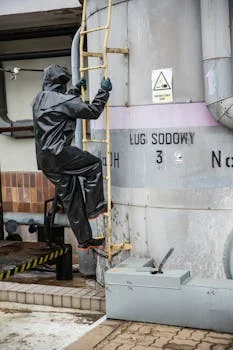
Technicians must wear nitrile gloves, a face shield, and a chemical-resistant apron. Concentrated polymers are extremely slippery and can be skin irritants; spill kits should always be available near the dosing station. For comprehensive safety protocols in clarified water systems, see the inclined plate settler maintenance protocol.